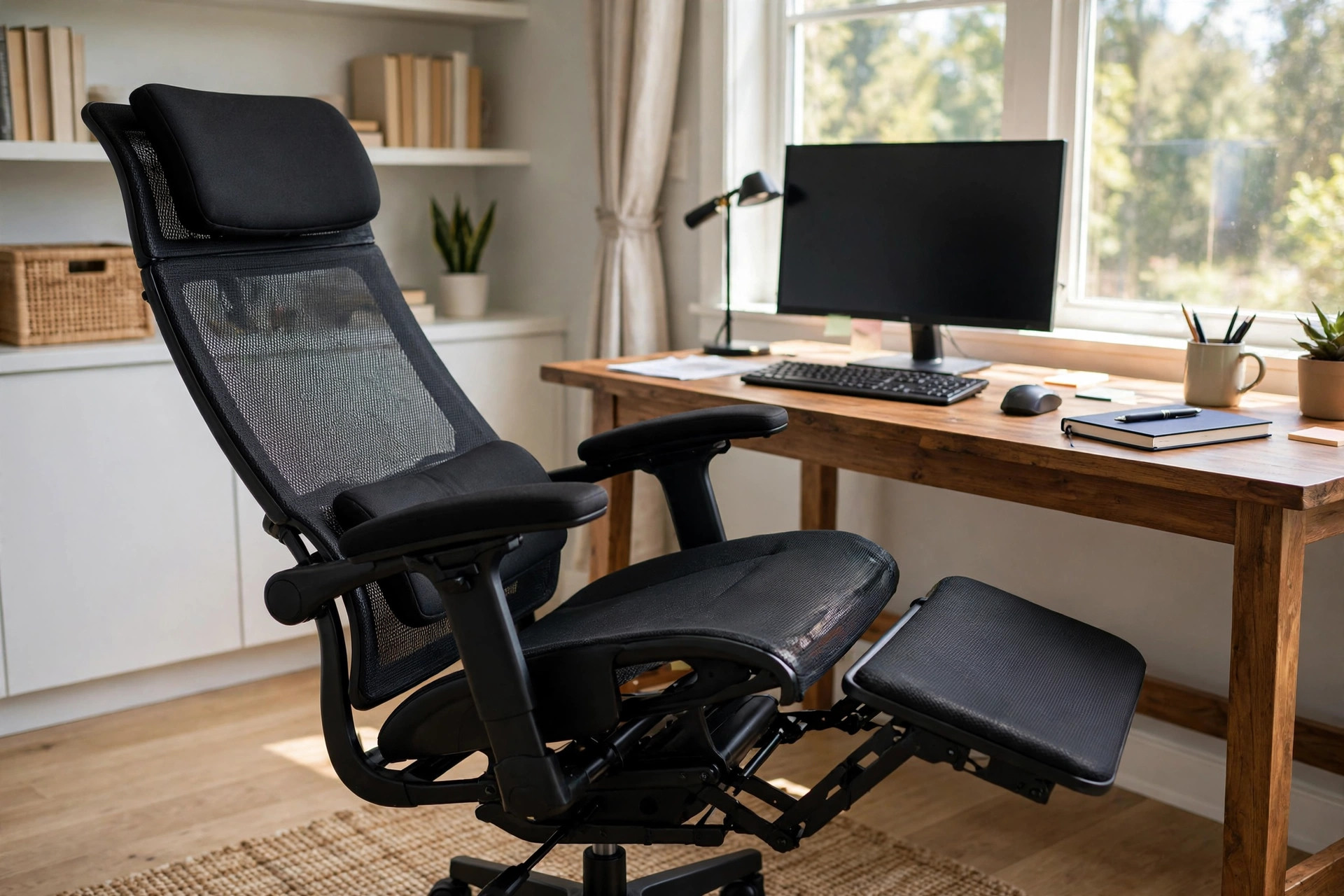

Many office workers sit for eight hours a day. Some sit for ten or more. The body was not made for that kind of stillness. Backs ache. Necks stiffen. Legs swell by late afternoon. The ergonomic zero gravity office chair recliner was built to answer this problem. It is a chair that lets a worker lean back into a near-weightless position during the workday. The spine is supported. The legs are lifted. The pressure on the lower back falls away. This article explains what the chair is, why it matters, how to choose one, what it costs, how to keep it in good shape, and how to use it safely. Every worker who sits at a desk for long hours will find something useful here.
Why an Ergonomic Zero Gravity Office Chair Recliner Matters
Most desk chairs hold the body at a right angle. The spine carries the full load of the upper body. Over years of daily sitting, this load adds up. Long sitting is tied to lower back pain, tight hip flexors, and poor blood flow in the legs. A standard chair does little to break up this strain. Workers shift. They cross their legs. They hunch forward. None of these fixes last.
The zero gravity position changes the geometry of sitting. The idea comes from seat design built for astronauts. The seat tilts back so the knees rest a little higher than the heart and the spine makes an angle of about one hundred twenty degrees with the thighs. Weight spreads across the backrest instead of pressing down on the base of the spine. Pressure points ease. Blood moves more freely through the legs.
An ergonomic zero gravity office chair recliner brings this position into the home office. It is not a lounge chair. It is a working chair with a tilt and lock system. The worker can sit upright to type, then lean back to read, think, or take a call. The shift between upright and reclined takes the stiffness out of long days. For people who work from home, this matters more than ever. The commute is gone. The short walks to meeting rooms are gone. Sitting time has grown. A chair that works with the body, not against it, is a sound investment in daily health.
What to Look for When Choosing One: Ergonomic Zero Gravity Office Chair Recliner
Shoppers should start with the recline system. A true ergonomic zero gravity office chair recliner should reach a full recline of about one hundred twenty to one hundred seventy degrees. The motion should be smooth. The chair should lock at several points along the tilt range, not just at full upright and full back. A locking tilt lets the worker hold a comfortable middle angle for reading documents.
Next, look at the backrest. It should follow the curve of the spine. A shaped lumbar pad, built in or adjustable, fills the gap at the small of the back. Without lumbar support, the pelvis rolls backward and the lower back rounds. That rounding is one of the main causes of disc pressure. Headrests deserve the same care. In full recline, the head needs a padded rest that can be moved up and down. Fixed headrests rarely fit everyone. A padded armrest that rises and falls with the recline keeps the shoulders from hiking up during long calls.
The seat pan should be wide enough to sit on without squeezing the thighs. A waterfall edge, which curves down at the front, stops the edge of the seat from pressing into the backs of the knees. This small detail makes a real difference in blood flow during long sessions. Seat depth adjustment is a plus. Taller workers need more depth. Shorter workers need less, so their backs can stay against the backrest while their feet rest flat.
Build quality is the last check. A five-point base with smooth casters should be standard. The gas lift should move with ease and hold its height all day. Stitching on the upholstery should be even and tight. Buyers can learn much from independent test reports on ergonomic seating from The Spruce, which often cover build quality and long term comfort in plain terms. Office workers comparing models should also weigh guidance from ergonomic chair research at Steelcase, a maker that has studied posture at work for decades.
Types and Options
Zero gravity office chairs come in several forms. The classic model is a high back mesh chair with a tilt and lock mechanism. Mesh backrests let air pass through. In warm rooms, this keeps the back from growing damp. Mesh seats also breathe, though some users find them less cushioned than foam.
Padded leather and leatherette models form the second group. They look at home in an executive office and feel soft at first touch. Leather lasts for years when cared for, but it costs more and it holds heat. Faux leather is cheaper and wipes clean with ease, though it can crack after a few years of heavy use.
A third group pairs the zero gravity recline with a footrest. The footrest folds out from under the seat or swings forward from the front edge. For workers who read reports or take long calls, a footrest turns the chair into a rest station. People with swollen ankles often prefer this style.
Some models add massage and heat. Small motors in the backrest buzz at set levels. A heating pad warms the lower back. These extras add comfort, but they also add wires, weight, and points of failure. A worker who wants a simple, durable chair may skip them. A worker who fights daily back tension may value them. It is a personal choice, and honest office gear reviews at PC Magazine can help sort useful features from gimmicks.
Prices rise with size as well. Big and tall models use thicker steel, wider seats, and stronger gas lifts. They cost more, but they last longer under daily load than standard chairs used past their limits. Shoppers should check the weight rating before buying. A chair rated to two hundred fifty pounds will not serve a three hundred pound user for long.
Cost and Price
Prices for an ergonomic zero gravity office chair recliner spread across a wide range. Basic mesh models start near one hundred fifty dollars. They recline, they lock, and they support the back in a reasonable way. For a worker on a tight budget, they are a clear step up from a flat wooden chair.
Mid range chairs run from three hundred to six hundred dollars. This is where most home office buyers land. The recline motion is smoother. The lumbar support adjusts. The headrest moves. The casters roll quietly on carpet and wood. The frame feels solid. Warranty terms improve as well, often stretching to five years.
High end models climb past one thousand dollars and can reach two thousand. These chairs use premium foam, full grain leather, and precision tilt systems. For a remote worker who sits for nine hours daily, the extra cost buys real comfort and a chair that may last a decade. Design forward shoppers can browse the wide market at Wayfair to compare styles across this whole price range, and budget conscious buyers will find practical picks at IKEA.
Buyers should also count the hidden costs. A mat protects carpet from caster wear. A supportive footrest eases leg fatigue — readers may also read our guide on ergonomic footrest with massage rollers under desk for a fuller setup. Delivery fees for large chairs can add twenty to fifty dollars. White glove assembly, where the delivery team builds the chair, adds more. These costs are worth knowing before the card is charged.
Care and Upkeep
A good chair lasts when it is cared for. Dust is the first enemy. Wipe the frame and base once a week with a soft cloth. Mesh backrests pick up dust and lint. A vacuum with a soft brush head cleans the mesh without pulling at the weave. Leather seats need a damp cloth and, once a season, a leather conditioner that keeps the hide from drying out. Faux leather needs only a damp cloth. Harsh cleaners and bleach will damage every upholstery type.
Moving parts need attention too. Once or twice a year, check the bolts under the seat. Sitting shifts them loose over time. A hex key set tightens them in minutes. The tilt mechanism benefits from a drop of silicone lubricant on its pivot points. This keeps the recline smooth and stops squeaks. Casters collect hair and thread. Pop them out of the base and clear the axles. Chairs that roll poorly tempt users to drag them, and dragging wears the base.
Sunlight is a quiet threat. A chair parked beside a bright window all day will fade, and leather will dry and crack faster. Move the chair out of direct sun, or close the blinds during the strongest hours.
Spills need quick action. Blot, never rub. Rubbing pushes liquid deeper into fabric and foam. A mild soap solution lifts most office stains.
Safety
Zero gravity chairs are safe when used as designed, but a few rules matter. First, lock the tilt before sitting down or standing up. A chair that rolls back as the user rises can throw them off balance. This is the most common small accident with reclining chairs. Make it a habit: lock, then rise.
Second, mind the weight limit. Every chair carries a rating from its maker. Exceeding it stresses the gas lift and the tilt hardware. In rare cases, an overstressed lift fails and drops the seat. Stay within the rating. Big and tall models exist for larger users, and choosing the right size is a matter of safety, not just comfort.
Third, keep cords and small objects clear of the recline path. A power cord caught in the tilt mechanism can damage the chair or the cord. Keep the space behind the chair open. In full recline, the backrest swings back several inches. A wall or shelf too close will block the motion or chip the furniture.
Fourth, use the footrest with care. Extended footrests can catch a shin when the user stands quickly. Fold the footrest away before standing. Households with small children should keep them from playing with the recline lever. A sudden tilt with a child climbing on the chair is a pinch and fall hazard. Independent review sites such as Wirecutter cover home product safety in their buying guides, and their checklists are a good reference for general safety habits.
Fifth, desk height must match the recline. When the chair leans back, the arms drop lower relative to the desk. Keyboard trays or adjustable desks solve the mismatch. Workers who pair their chair with a posture correcting office chair guide often find that desk height and monitor height matter as much as the chair itself. Shoppers seeking a full ergonomic setup may also look at standing desk collections at UPLIFT Desk, since an adjustable desk and a reclining chair work well together. Long term comfort also draws on the ergonomic office research at Herman Miller, which has shaped how the industry thinks about seated posture.
Frequently Asked Questions
Is a zero gravity chair good for all day office work?
Yes, with one condition. The chair must fit the worker and the desk. A well fitted ergonomic zero gravity office chair recliner supports full days of sitting better than a flat desk chair. Workers should still stand and walk every hour.
What is the difference between zero gravity and a normal reclining chair?
A normal recliner leans the backrest while the seat stays level. The zero gravity design moves the seat and backrest together, lifting the knees and opening the hip angle. Weight spreads across the whole back instead of pressing on the lower spine. The feel is lighter and more even.
Can a zero gravity office chair help back pain?
It can ease the daily strain that feeds back pain. The reclined position lowers pressure on the spinal discs. Good lumbar support holds the natural curve of the back. This relief is real, but it is not a cure. People with herniated discs, sciatica, or chronic pain should speak with a doctor before choosing a chair as treatment.
How much space does the chair need?
Plan for about three feet of clearance behind the desk. The backrest swings back during full recline. A tight corner office may not allow the full one hundred seventy degree lean. Measure the room before ordering. A chair that cannot recline fully still works, but it loses its main gift.
Do I still need a separate footrest with a zero gravity chair?
Many zero gravity chairs have built in footrests, so a separate one is not needed. For chairs without one, a small under desk footrest still helps, especially in the upright position. Feet that dangle put pull on the lower back. Any support that lets the feet rest easy is worth having.
Are mesh or padded seats better for long hours?
It depends on the room and the user. Mesh breathes and stays cool. Padded seats feel softer at first and suit cold rooms. Heavy users often prefer thick foam, which holds its shape longer under load. Trying both in a store, when possible, beats guessing. Independent buying advice such as the chair guides at Wirecutter can help buyers weigh these trade offs with tested detail.
A Final Word
The ergonomic zero gravity office chair recliner is not a luxury. For people who earn their living at a desk, it is a tool. Like any tool, it works best when it is chosen with care, set up to fit the body, and kept in good repair. Measure the space. Check the weight rating. Test the recline. Pair the chair with a desk at the right height and a wrist friendly mouse setup to complete the workstation.
References
Herman Miller. (n.d.). Office furniture and ergonomic seating. https://www.hermanmiller.com IKEA. (n.d.). Home furnishings. https://www.ikea.com PCMag. (n.d.). Technology product reviews. https://www.pcmag.com Steelcase. (n.d.). Office furniture and workplace research. https://www.steelcase.com The Spruce. (n.d.). Home and garden advice. https://www.thespruce.com UPLIFT Desk. (n.d.). Standing desks and ergonomic office furniture. https://www.uplift-desk.com Wayfair. (n.d.). Furniture and home goods. https://www.wayfair.com Wirecutter. (n.d.). Product reviews from The New York Times. https://www.nytimes.com/wirecutter
Was this guide helpful?

About Robert Taylor
The My Garden US editorial team writes practical, in-depth home and garden guides for American homeowners — tested advice, no fluff.
You May Also Like

How to Choose a Home Office Storage Box for Tax Records USA
May 19, 2026 0 views
The Best Home Office Setup for Software Developers
March 28, 2026 0 views
How to Choose a Noise Cancelling Headset for Home Office Meetings
July 19, 2026 0 views