
Many people in the United States now work from home. A full work day often means eight or nine hours at a desk. Poor seating can lead to back pain, neck strain, and tired shoulders. The best home office chair for bad posture correction is not a luxury. It is a tool that protects the body. A chair built for posture keeps the spine in a natural curve. It supports the lower back. It lets the feet rest flat on the floor. It takes pressure off the neck and shoulders. This guide explains what makes a chair good for posture. It covers the key features, the main types, price ranges, and simple care tips. It also answers common questions from home workers.
Why Your Posture Depends on Your Chair
Posture is the way the body is held when sitting, standing, or moving. Good sitting posture means the spine keeps its natural S shape. The head sits level over the shoulders. The feet rest flat on the floor. The knees stay at a right angle. Bad posture does the opposite. The shoulders round forward. The head juts out. The lower back slumps into a C shape. Over weeks and months, these habits create real pain. The lower back aches. The neck stiffens. The shoulders burn. Headaches can follow.
The chair shapes these habits more than willpower does. A flat dining chair gives no support. The body sinks and slides. The spine collapses. Within an hour, the sitter is hunched. A chair made for posture correction works in the other direction. It holds the lower back in place. It stops the user from sliding forward. It keeps the shoulders open and the head back. Many owners of ergonomic seating find that they sit taller without thinking about it. The chair does the work.
Poor posture also lowers energy. When the chest collapses, breathing becomes shallow. Less oxygen reaches the muscles and the brain. The worker feels tired by mid-afternoon. A good chair keeps the chest open. Breathing stays deep. Focus holds longer through the day. Researchers at seating makers such as Herman Miller have studied how chair design affects the body over long work days. Their work shows that small changes in support change the way people sit for hours.
A posture chair cannot fix every problem alone. The desk height matters. The monitor height matters. But the chair is the foundation. It is the item the body touches all day. For that reason, it deserves care in the buying choice.
What to Look for When You Shop: Best Home Office Chair for Bad Posture Correction
Shoppers face a wide range of chairs and claims. The list below covers the features that matter most for posture. Use it as a checklist in the store or when reading product pages.
Adjustable Lumbar Support
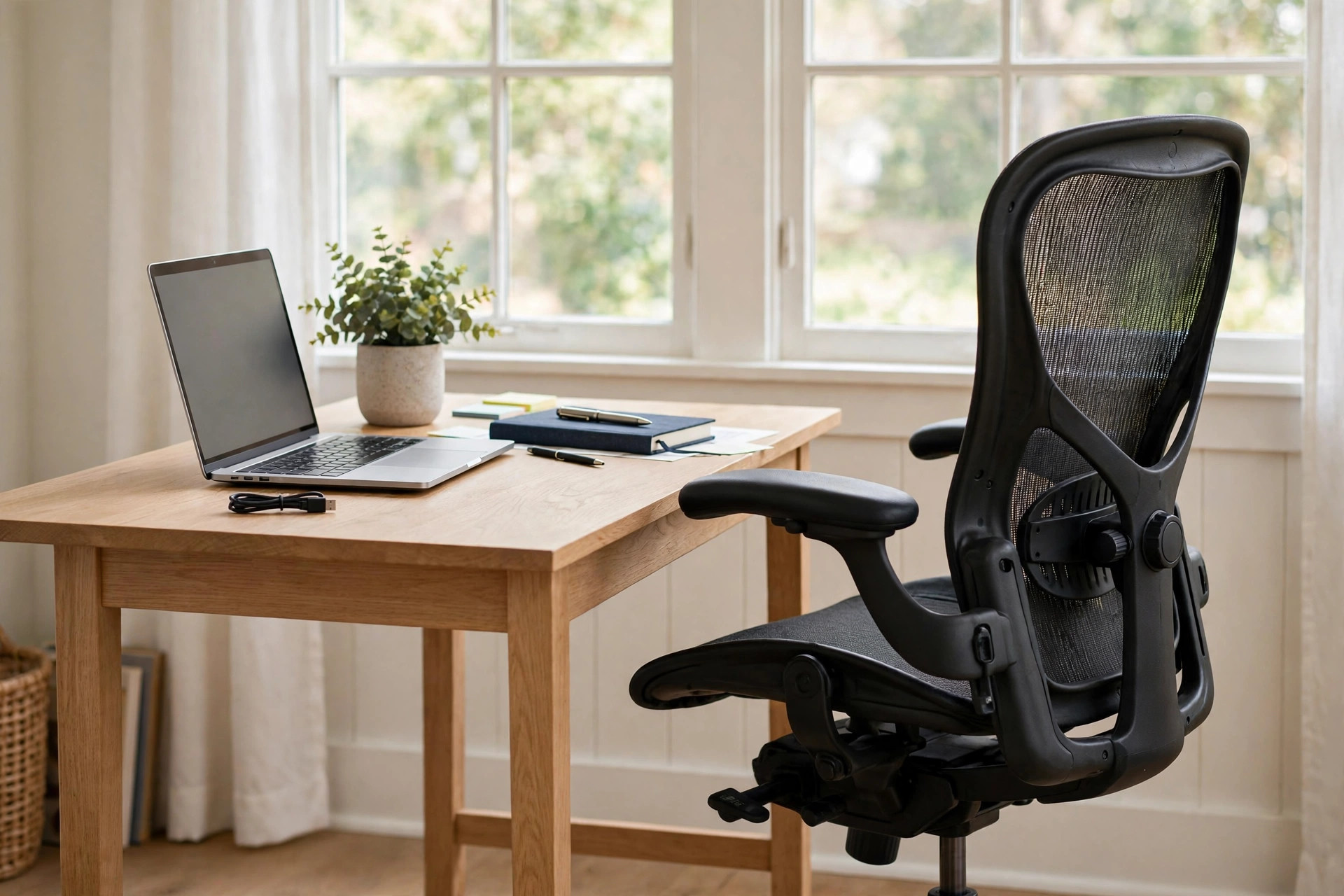
The lower back has an inward curve called the lumbar curve. This curve must be supported or the spine will slump. A posture chair has a lumbar support piece that presses gently into the lower back. The best versions move up and down. Some also move in and out. This matters because bodies differ in size and shape. A fixed lump in the backrest may hit the wrong spot. An adjustable piece can be set where the body needs it. When testing a chair, sit back fully and feel the support. It should fill the gap in the lower back without pushing the body forward.
Seat Height and Depth
The feet should rest flat on the floor with the knees at a right angle. That is only possible if the seat height adjusts. A gas lift lever under the seat should raise and lower the chair smoothly. Taller and shorter users both need this range. Seat depth matters too. The user should sit back against the backrest with two to three inches of space between the seat edge and the back of the knees. If the seat is too deep, the user slides forward and loses back support. If it is too shallow, the thighs lack support. Some chairs let the seat slide forward and back. This is a useful feature for people with longer or shorter legs.
Armrests That Adjust
Armrests take weight off the shoulders. The shoulders drop and relax instead of hiking up toward the ears. Fixed armrests fit only one body type. Adjustable armrests move up and down, and often forward and back. Some pivot inward and outward. Set the height so the elbows rest at about a right angle. The forearms should skim the desk surface. Flip-up armrests are a bonus. They swing out of the way when the user wants to pull close to the desk or use the chair for other tasks. Shoppers comparing a home office desk chair with flip up arms may find this feature useful.
A Supportive Backrest
The backrest should reach at least the middle of the back. A high-back design that reaches the shoulders and neck gives more support. Many good chairs tilt. A slight recline of 100 to 110 degrees opens the hips and reduces pressure on the spine discs. The tilt should lock in place or move with the body. A chair that rocks too freely lets the user slump. Test the tilt and the lock before buying.
Seat Material
The seat must hold up for years of daily use. Mesh seats breathe and stay cool in warm rooms. They suit hot climates and long summer days. Foam seats feel softer at first. High-density foam keeps its shape longer than cheap foam. Leather and faux leather look formal. They can feel hot and sticky in summer. Breathable fabric is a middle ground. It gives some softness and lets air pass through. Whatever the material, the cushion should be firm enough that the sitter does not sink to the frame.
Types of Posture-Correcting Chairs
Chairs built for posture come in several styles. Each style suits a different body and work habit.
Ergonomic Mesh Chairs
Mesh chairs have a woven mesh back and often a mesh seat. Air flows through the weave. This keeps the back cool during long days. The mesh flexes with the body. It gives support without hard pressure points. Many mesh models include adjustable lumbar support, seat depth control, and tilt lock. Prices range from modest to high. An ergonomic mesh office chair under 200 dollars can be a strong value for a home worker on a budget. Mesh can also sag after years of heavy use, so check the weight rating.
High-Back Executive Chairs
These chairs look formal. The tall back supports the shoulders and the head. A headrest keeps the neck from drifting forward. This style suits people with neck pain. The cushions are thick. The look fits a private home office. The cost runs higher than basic task chairs. The size is a factor too. These chairs are large and need room. They suit a dedicated office room more than a small corner desk.
Kneeling Chairs
A kneeling chair has no back. The user kneels on padded rests with the shins angled down. This position opens the hip angle. It pushes the spine into a natural curve. Some users love it. They report less lower-back pain within weeks. Others find the knees ache after an hour. It works best as a second chair. Use it for part of the day and switch to a regular chair for the rest. It also suits small spaces because the frame is compact.
Saddle Stools
A saddle stool has a seat shaped like a horse saddle. The rider sits with the legs spread and the hips open. This posture keeps the spine tall. The user can also roll close to the desk. These stools suit people who stand and sit through the day. They pair well with a standing desk. The lack of a back means the core muscles do some work. Users with weak backs should start with short sessions and build up.
Shoppers who sit for very long shifts should also read about the best office chair for long hours home office before they decide. Long-hour comfort and posture correction overlap but are not the same thing.
Cost and Price Ranges
Prices for posture chairs span a wide range. Under 100 dollars, chairs offer basic support. They may have a simple lumbar pad and fixed arms. Build quality is light. They suit short daily use or a starter setup. From 100 to 300 dollars, the sweet spot appears for most home workers. Chairs in this range offer adjustable lumbar support, seat height, and armrests. Materials hold up better. Many buyers find what they need here. From 300 to 600 dollars, chairs add finer adjustments, better foam or mesh, and longer warranties. Heavy daily users may find the cost worth it. Above 600 dollars, premium brands sell chairs built to last a decade or more. These often come with 10 to 12 year warranties. Retailers such as Wayfair and IKEA carry options across all these price bands.
A chair is a long-term purchase. Divide the price by the years of use. A 300 dollar chair that lasts five years costs 60 dollars a year. That is a small price for a pain-free back. Avoid the cheapest chairs with no adjustments. They rarely help posture.
Care and Upkeep
A posture chair works best when it is kept in good shape. Clean the fabric or mesh every few months. Vacuum dust from the weave. Wipe faux leather with a damp cloth. Treat real leather with a leather cleaner once a year. Tighten bolts and screws twice a year. Loose bolts make the chair wobble. A wobbling chair ruins posture. Check the casters. Hair and thread wrap around the wheels and slow them. Pull the debris free or pop the wheels out and clean them.
The gas lift should hold its height. If the seat sinks slowly, the cylinder is failing. Replacement cylinders cost little and install in minutes. Keep the chair out of direct sun. Sunlight fades fabric and dries out leather. In dry climates, a little leather conditioner prevents cracks.
Readjust the chair after any move. People bump levers during a move. The lumbar support may shift. Take two minutes to reset the height, depth, and armrests. Guides from The Spruce offer simple steps for chair care and home office setup.
Safety Tips
A chair should be stable. A five-point base with smooth casters resists tipping. Do not lean back hard against the tilt lock to test it. Set the tilt tension to the body weight first. Keep the chair on a level floor. A chair mat helps on carpet. It lets the chair roll freely and stops the base from catching. This matters for people who need an ergonomic office desk chair for back pain, since smooth movement avoids sudden twists.
Do not stand on the chair to reach high shelves. Chairs are not step stools. The base can roll and dump the user. Keep cords away from the casters. A power cord under a wheel can yank a desk item down. Check the weight rating on the product page. Product safety pages such as those from Steelcase list weight limits and safe-use notes for each model.
Frequently Asked Questions
How long does it take for a posture chair to fix bad posture?
Most users feel less pain within two to four weeks. Full posture change takes longer. The body has held bad habits for years. Expect two to three months of daily use before the new sitting style feels natural. Pair the chair with short breaks. Stand and stretch every hour.
Can a chair alone correct posture?
A chair helps a great deal, but it is not magic. The monitor should sit at eye level. The keyboard and mouse should be close. The feet should rest flat. Stretching and light exercise strengthen the back muscles. A chair gives the right frame. The user must still sit back in it instead of perching on the edge.
What is the best chair height for posture?
Set the seat so the thighs are level with the floor or slope slightly down. The knees should form a right angle. The feet rest flat. If the feet dangle, add a footrest. Do not let the legs hang. Hanging legs pull the pelvis forward and round the lower back.
Is mesh or foam better for posture?
Both can work. Mesh keeps the back cool and flexes with movement. Foam feels softer and suits users who like a plush seat. What matters more is the lumbar support and the adjustments. A well-adjusted foam chair beats a poorly adjusted mesh chair. Test both types if possible.
Do I need a headrest for good posture?
A headrest helps people with neck pain. It stops the head from drifting forward. It is not required for everyone. Users who sit upright with the monitor at eye level may not need one. If the neck aches by afternoon, a headrest is worth having. Review sites such as Wirecutter and PCMag test headrest designs in their chair reviews.
Can I use a posture chair with a standing desk?
Yes. A posture chair pairs well with a sit-stand desk. Sit for part of the day and stand for the rest. Set the chair height so the transition is easy. Saddle stools and drafting chairs suit taller desk settings. Makers such as UPLIFT Desk build chairs and desks to work as a set.
A Final Word
The best home office chair for bad posture correction is the one that fits the body and gets used every day. Adjustable lumbar support, proper seat height, and working armrests matter more than brand names. Set a budget, test the adjustments, and give the body a few weeks to adapt.
References
Herman Miller. (n.d.). Office furniture and ergonomic seating. https://www.hermanmiller.com IKEA. (n.d.). Home furnishings. https://www.ikea.com PCMag. (n.d.). Technology product reviews. https://www.pcmag.com Steelcase. (n.d.). Office furniture and workplace research. https://www.steelcase.com The Spruce. (n.d.). Home and garden advice. https://www.thespruce.com UPLIFT Desk. (n.d.). Standing desks and ergonomic office furniture. https://www.uplift-desk.com Wayfair. (n.d.). Furniture and home goods. https://www.wayfair.com Wirecutter. (n.d.). Product reviews from The New York Times. https://www.nytimes.com/wirecutter
Was this guide helpful?

About Sarah Mitchell
The My Garden US editorial team writes practical, in-depth home and garden guides for American homeowners — tested advice, no fluff.
You May Also Like

Home Office Desk Lamp with USB Charging Station: A Practical Buying Guide
January 31, 2026 0 views
Home Office Monitor Riser with Drawer Storage: A Complete Buyer Guide
April 2, 2026 0 views
Home Office Desk Grommet for Cable Pass Through: A Simple Guide
January 25, 2026 0 views