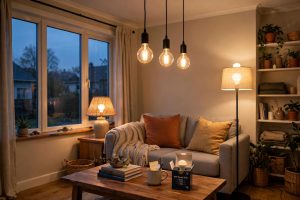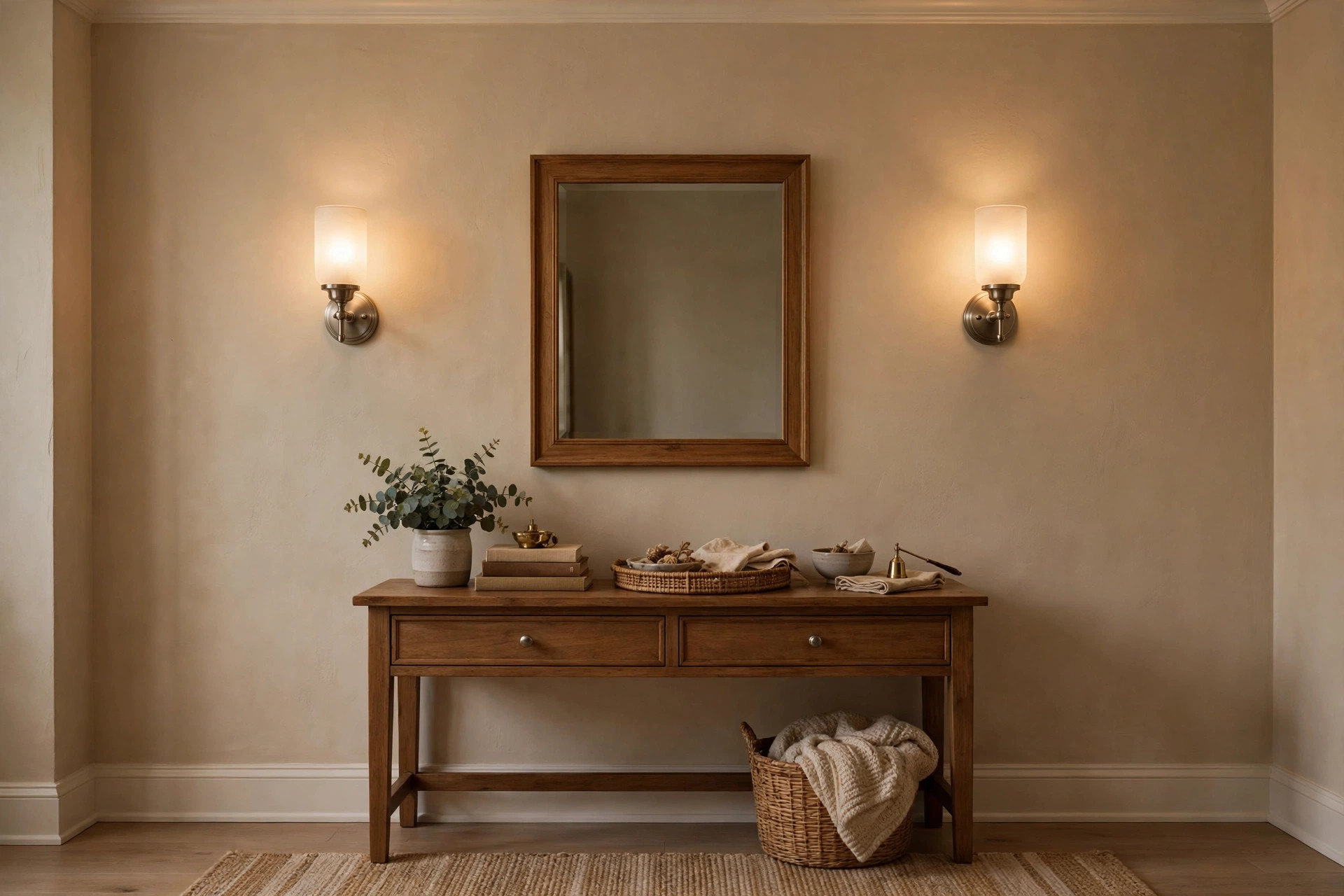

A wall sconce is a light fixture that mounts directly on a wall. It sends light upward, downward, or in both directions. Sconces add a soft layer of light that ceiling fixtures cannot provide on their own. When you search for indoor wall sconces for sale in the USA, you will find hundreds of styles, from plain glass shades to bold modern metal frames. This guide will help you sort through the choices. It explains the common types, what to check before you buy, what you can expect to pay, and how to keep your sconces safe and clean for years.
Why Wall Sconces Matter
Most rooms need more than one source of light. A ceiling fixture gives general light. A lamp gives task light. Wall sconces fill the gap between the two. They soften dark corners, frame doorways and mirrors, and add depth to flat walls. They work well in hallways, where there may be no space for a table lamp. They work well beside beds, where they free up space on nightstands. They also add style. A pair of well chosen sconces can make a plain wall look finished, even when the lights are off.
Wall sconces also give you control. You can switch them on alone for a quiet evening mood, or together with other lights for full brightness. Many models now work with dimmer switches, so you can set the exact level of light you want. This flexibility is one reason so many homeowners look for indoor wall sconces for sale in the USA each year.
What to Look for When You Shop for Wall Sconces: Indoor Wall Sconces for Sale Usa
Before you buy, think about how the light will be used. A sconce in a reading corner has a different job than a sconce in a hallway. The points below will help you choose well.
Light Direction
Sconces send light up, down, or both ways. Up-lights wash the wall and ceiling with a soft glow. They make a room feel taller. Down-lights send a focused pool of light onto a surface below. They work well beside mirrors and artwork. Up-down models do both at once and suit hallways and entryways. Decide which direction serves the room best.
Size and Scale
A sconce that is too small will look lost on a large wall. One that is too large will crowd the space. As a rule, measure the wall and keep the fixture in proportion to it. In a hallway, space sconces about eight to ten feet apart. Beside a mirror or bed, the shade should sit near eye level when you stand or sit beside it. Most wall sconces mount with the center about 60 to 66 inches above the floor.
Bulb Type
Most new sconces accept LED bulbs. LEDs use far less power than old incandescent bulbs and last much longer. The U.S. Department of Energy notes that LED lighting can cut energy use by a large share compared with older bulb types. Look for models rated for the wattage you plan to use. Warm white bulbs, around 2700 to 3000 Kelvin, give a cozy glow that suits living rooms and bedrooms. Cooler white bulbs, around 3500 to 4000 Kelvin, suit bathrooms and work areas.
Finish and Material
The finish should match or complement the other metalwork in the room. Brushed nickel and chrome suit modern rooms. Bronze and brass suit classic rooms. Matte black suits many styles and hides fingerprints well. Glass shades soften the light and are easy to clean. Fabric shades give a warm look but need more care. Metal shades give strong directional light.
Dimming
Check whether the sconce works with a dimmer. Not every model does. If you want dimming, buy a sconce labeled dimmable and pair it with a compatible dimmer switch and dimmable bulbs. Maker pages such as Philips list which bulbs work with common dimmers, which saves trial and error.
Hardwired or Plug-In
Hardwired sconces connect directly to the wiring in the wall. They need an electrician unless a box is already in place. Plug-in sconces have a cord that runs to a wall outlet. They are easy to install yourself and suit renters. They do show a cord, so plan the cord route along a baseboard or behind furniture.
Common Types of Indoor Wall Sconces
Shops group sconces into a few main types. Knowing the names helps you search with confidence.
Up-Light Sconces
Up-light sconces send all their light toward the ceiling. The bowl or shade faces up. They give soft, even light with no glare. They suit living rooms, dining rooms, and bedrooms where you want a calm mood.
Down-Light Sconces
Down-light sconces send light downward. They light a table, a counter, or a walkway. They are common beside bathroom mirrors and over reading chairs. They give focused, useful light.
Up-Down Sconces
Up-down sconces send light both up and down. The fixture has openings at the top and bottom. They add drama to hallways, stairwells, and entryways. A row of up-down sconces along a long wall looks sharp and modern.
Swing-Arm Sconces
Swing-arm sconces have an arm that moves. You can pull the light toward you for reading and push it back when you are done. They are popular beside beds and armchairs. Many come with a shade you can tilt.
Candle-Style Sconces
Candle-style sconces look like old candle holders. They have a slim base with one or more candle-shaped bulbs. They suit classic, colonial, and farmhouse rooms. They add a warm, old-world feel.
Lantern and Cage Sconces
Lantern sconces have a frame around the bulb, often with clear or seeded glass. They suit entryways, mudrooms, and rustic rooms. The open frame makes bulb changes simple.
Picture and Accent Sconces
Picture sconces mount above artwork or shelves and throw light down onto the display. They are slim and discreet. They work well in hallways with art collections and over mantels.
Decor sites like HGTV show how each type looks in real rooms, which can help you picture the result in your own home.
Where to Use Wall Sconces in the Home
Wall sconces work in almost every room. The best spot depends on what the room needs.
In the hallway, space sconces evenly to guide the eye and remove dark patches. In the bedroom, place one sconce on each side of the bed to free nightstand space. Our guide to bedroom table lamps covers the matching task lamps if you prefer a mixed look. In the living room, flank a mirror, a mantel, or a large painting with a pair of sconces for balance. In the bathroom, place sconces on both sides of the mirror at eye level. Side light flatters the face and cuts shadows better than a single overhead bar. In the dining room, up-light sconces on the walls add a warm glow for evening meals. In the kitchen, sconces can soften the space between upper cabinets, though most task lighting there comes from pendants. Our kitchen island pendants guide pairs well with this topic if you are lighting a whole kitchen.
Cost and Price
Prices for indoor wall sconces for sale in the USA cover a wide range. Simple plug-in models start near 20 to 40 dollars each. Mid-range hardwired sconces from known brands run 60 to 150 dollars each. Designer and handcrafted models can cost 200 dollars or more per fixture. A pair for a hallway or bedroom therefore often lands between 50 and 300 dollars before installation.
Installation adds to the cost. If an electrical box already exists in the wall, a homeowner with basic skills can often swap a fixture in under an hour. New wiring needs an electrician. Running a new circuit and box in one room often costs 150 to 400 dollars per fixture location, depending on the home and the local market. Bulbs are a small extra cost. LED bulbs cost a few dollars each and last for years. Major retailers such as Home Depot and Lowe’s list thousands of models with current prices, which makes it easy to compare before you buy.
Care and Upkeep
Wall sconces need little care, but a small routine keeps them bright. Dust the shades and bases every month or two with a soft dry cloth. Wipe glass shades with a damp cloth and mild soap when they look dull. Turn the power off at the switch before you clean, and let bulbs cool first. Fabric shades can be cleaned with a lint roller or a soft brush. Never soak a fabric shade.
Check the fixture once a year. Tighten any loose screws at the wall plate. Look for cracks in glass shades. Replace flickering bulbs right away, since a failing bulb can shorten the life of the socket. If a fixture feels hot to the touch or smells of burning, switch it off and call an electrician. Do not use it until it has been checked.
Safety
Lighting is safe when it is installed and used as designed. Keep these points in mind.
Buy fixtures that carry a safety listing mark, such as UL or ETL. The mark shows the fixture passed independent safety tests. Never exceed the maximum wattage printed on the socket. Higher wattage bulbs can overheat the fixture and the wiring. Keep fabric shades clear of curtains and bedding. Fabric can catch heat over time if it sits too close to a hot bulb.
In bathrooms, use fixtures rated for damp locations. Steam can damage a fixture that is not rated for it. The Consumer Product Safety Commission offers general guidance on home product safety, though lighting rules are mainly set by listing labs and local codes. If you are unsure about wiring, hire a licensed electrician. Electrical work is not the place to guess. Advice sites such as Bob Vila and This Old House publish step-by-step explainers, but they cannot replace a pro on live wiring.
Frequently Asked Questions
How many wall sconces do I need for a hallway? Space them eight to ten feet apart along the hall. A hall of 30 feet usually takes three or four sconces. Keep them on one wall if the hall is narrow, or stagger them on both walls if it is wide.
Can I install a wall sconce myself? You can install a plug-in sconce yourself with basic tools. A hardwired sconce that replaces an existing fixture is a fair do-it-yourself job for someone comfortable with a breaker box. New wiring should be done by a licensed electrician.
Do wall sconces need a dimmer? They do not need one, but dimming adds a lot of value. A dimmer lets you move from bright task light to soft evening light with one control. Make sure the fixture, the bulbs, and the dimmer are all marked dimmable and compatible.
What height should I mount a wall sconce? Mount most sconces so the center of the fixture sits 60 to 66 inches above the floor. Beside a bathroom mirror, mount them at eye level, usually 60 to 65 inches. Beside a bed, set the shade a few inches above the mattress when you sit up.
Are LED wall sconces worth the higher price? Yes, in most cases. LED fixtures and bulbs cost more up front but use much less power and last far longer than old bulb types. Fixtures that carry the ENERGY STAR label meet set efficiency and quality standards, which makes them a safe pick. Reviews at Consumer Reports also compare lighting products on performance and value.
What is the difference between a sconce and a wall lamp? The terms overlap. A sconce usually mounts flat to the wall with a decorative back plate. A wall lamp can mean any lamp attached to a wall, including swing-arm reading lights. In shop listings the two words are often used for the same products.
A Short Final Word
A good wall sconce does two jobs at once. It lights the room and it dresses the wall. Take time to match the type, size, and finish to the space. Check the bulb type, the dimming, and the safety marks before you buy. If you want a deeper look at the buying process, our indoor wall sconces buying guide walks through each step in more detail. With a little planning, the sconces you choose will serve your home well for many years.
References
Bob Vila. (n.d.). Home improvement advice. https://www.bobvila.com Consumer Reports. (n.d.). Product reviews and ratings. https://www.consumerreports.org ENERGY STAR. (n.d.). Energy efficient products. https://www.energystar.gov HGTV. (n.d.). Home and garden ideas. https://www.hgtv.com Lowe’s. (n.d.). Home improvement products. https://www.lowes.com Philips. (n.d.). Lighting products. https://www.philips.com The Home Depot. (n.d.). Home improvement products. https://www.homedepot.com This Old House. (n.d.). Home renovation guidance. https://www.thisoldhouse.com U.S. Consumer Product Safety Commission. (n.d.). Product safety information. https://www.cpsc.gov U.S. Department of Energy. (n.d.). Energy efficiency and renewable energy. https://www.energy.gov
Was this guide helpful?

About Emily Rodriguez
The My Garden US editorial team writes practical, in-depth home and garden guides for American homeowners — tested advice, no fluff.
You May Also Like
Indoor Wall Sconces: An American Homes Guide
January 1, 2026 0 views
Sensor Porch Lights Buying Guide USA: A Plain Homeowner’s Handbook
June 9, 2026 0 views
Reading Floor Lamps Reviews Buying Guide USA
February 21, 2026 0 views