A good pantry makes a kitchen work. Top rated pantry shelving units for midwest homes share a few plain virtues: they are strong, they fit small and odd spaces, and they stand up to damp summers and dry winters. In this guide we look at what the best units are made of, what they cost, and how to pick one for your home. No jargon is needed. Only common sense.
The Midwest has its own habits. Families buy in bulk. Storm season brings power cuts and stock-up runs. Winters are long, and many homes keep extra food on hand from November to March. A shelf that works in a dry Arizona condo may not serve in a humid Missouri basement. That is why we look at this topic through a Midwest lens.
Why It Matters in a Midwest Home
A pantry shelf is a small thing. But it carries a big job. In the Midwest, the job is bigger than most people think.
Bulk buying is a way of life
Warehouse stores are common across the plains. Families buy flour in twenty-five pound bags, canned beans by the case, and paper goods by the bundle. Top rated pantry shelving units for midwest homes must hold real weight. A flimsy shelf will sag by spring. A strong one will hold cases of soup for years.
Readers who like bulk storage often enjoy our pantry shelving units reviews and buying guide for more model comparisons.
Weather changes the rules
Summers in the Midwest run warm and damp. Winters run cold and dry. Wood swells and shrinks with the seasons. Metal can sweat in a basement pantry. The best units use finishes that resist moisture and joints that stay tight through the year.
Storm season storage
From April to June, storm watches are a fact of life in tornado country. Many families keep bottled water, batteries, canned goods, and first aid kits in the pantry. A strong shelf keeps emergency supplies in one place, off the floor, and easy to reach in the dark. Storm-ready storage ideas from home editors give a good picture of how a tidy pantry doubles as a supply closet.
What to Look for in Pantry Shelving Units: Top Rated Pantry Shelving Units for Midwest Homes
Not all shelves are built alike. These are the traits that separate the top rated units from the rest.
Weight capacity
Check the weight rating before you buy. Each shelf on a good unit should hold fifty pounds or more. This matters in the Midwest, where bulk cases of canned goods are the norm. Ask the seller for the rating in writing.
Materials that suit the climate
Three materials lead the market: solid wood, metal wire, and heavy gauge steel. Wood looks warm and fits farmhouse kitchens. Wire allows air to move, which helps in damp basements. Steel frames give the most strength per dollar. In humid homes, look for powder-coated finishes that fight rust. For ideas on matching wood shelves to classic kitchens, solid wood pantry designs show how natural materials can look in a modern home.
Size and depth
Measure your pantry before you shop. Many Midwest pantries are only twenty-four inches deep. A unit that is sixteen inches deep leaves room for a person to walk past. A unit that is twenty inches deep swallows the walkway. Bring a tape measure. Write down the width, depth, and ceiling height. Door swing matters too. A tall unit that blocks a door is a bad buy no matter how strong it is.
Adjustability
Life changes. A family with small children stores juice boxes and cereal. Ten years later the same pantry holds wine glasses and canning jars. Adjustable shelves move up or down in one-inch steps. This one feature adds years of useful life. The best kitchen cabinet organizers for American homes cover the same idea for cabinet interiors.
Ease of cleaning
Flour spills. Honey jars leak. A good pantry shelf wipes clean in a minute. Wire shelves let crumbs fall through to the floor, where a broom can reach them. Solid wood shelves catch everything and need a damp cloth. Neither is wrong. But know what you are signing up for.
Types of Pantry Shelving Units
Most top rated pantry shelving units for midwest homes fall into four groups. Each has strengths. The right one depends on your space and your budget.
Solid wood shelving units
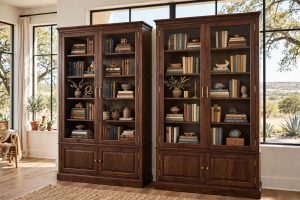
Wood units look the best. They fit farmhouse, colonial, and craftsman kitchens. Pine is common and low in price. Maple and oak cost more and last longer. Look for thick boards, at least three-quarter inch, and brackets or frames that tie the unit together. Wood needs a sealed finish in damp rooms. Unsealed pine in a humid basement will bow within two years. Finished wood, cared for, lasts for decades. Shoppers comparing finishes can browse wood furniture and shelving options to see how stains and paints change the look.
Wire shelving units
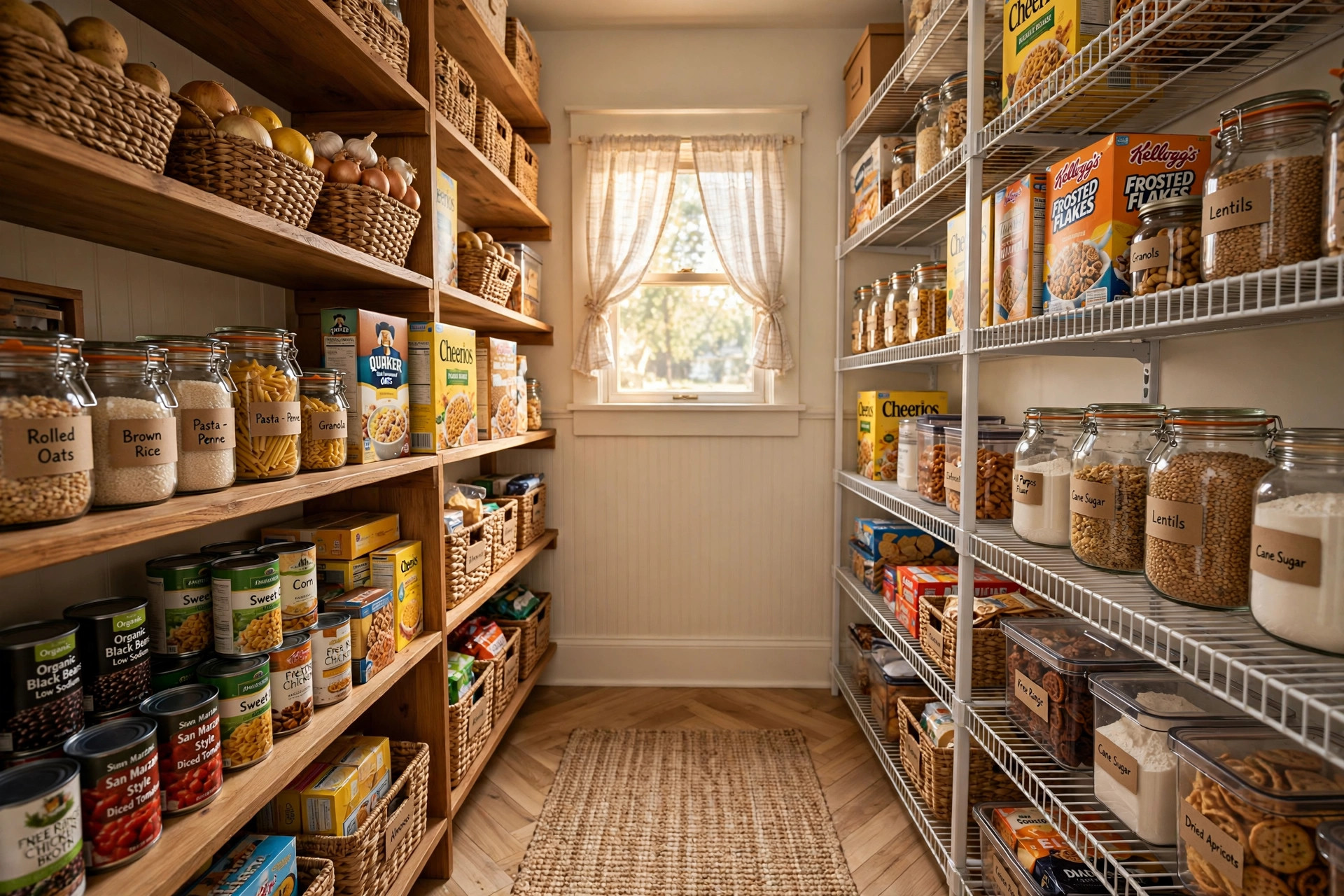
Wire shelves are the workhorses of the pantry world. They are light, strong, and cheap. The open design lets air move, which keeps flour and grains dry in humid weather. Most wire units come in chrome, white, or black finishes. Chrome looks sharp but can rust in damp air. White epoxy resists rust better and wipes clean. Many Midwest families pair wire units with plastic liners so small items do not tip through the gaps. Affordable wire shelving collections show how far a modest budget can go with this style.
Freestanding steel units
Heavy gauge steel units look like something from a restaurant kitchen. They hold the most weight. They stand on their own and need no wall anchors. They are plain in looks but unbeatable in strength. A four-tier steel unit can hold a full winter stock of canned goods without a wobble. In garages and basement pantries across the Midwest, these units are a common sight. They pair well with heavy duty laundry room shelving buying guide thinking, since the same strength matters in utility rooms.
Built-in and custom units
Built-in shelves use the walls of the pantry itself. A carpenter mounts boards or brackets to studs. This costs the most. It also uses every inch of space. In older homes with slanted walls or odd corners, built-ins are sometimes the only answer. Custom wood built-ins add value to a home at resale. For planning ideas, pantry and kitchen storage inspiration shows how built-ins fit real homes.
Cost and Price
Pantry shelves come in every price range. Here is what to expect in 2026.
A basic wire unit, four or five tiers, costs between forty and ninety dollars. These suit renters and small apartments. A mid-range wood or steel unit runs from one hundred twenty to three hundred dollars. This is the sweet spot for most Midwest families. The shelves are strong, the finishes are good, and the units last ten years or more with care.
Custom built-ins start at five hundred dollars for a small pantry and rise past two thousand for a large walk-in. A carpenter in Chicago or Minneapolis may charge more than one in rural Nebraska. Get three quotes. Ask what wood they use. Ask if the price includes paint or stain.
Do not forget the small costs. Shelf liners run ten to twenty dollars per roll. Baskets and bins add five to fifteen dollars each. Wall anchors cost a few dollars and can save a life. These extras are worth the money. A fifty-dollar wire unit with twenty dollars of good bins often works better than a bare two-hundred-dollar shelf. Value shoppers can compare prices at pantry storage under one hundred dollars to set a budget before they shop.
Freestanding units need no install cost. Wall-mounted and built-in units may need tools, screws, and a free afternoon. If you hire help, add fifty to one hundred fifty dollars for a handyman visit.
Care and Upkeep
Good shelves last when they get small care through the year.
Dust the shelves every month. A damp cloth takes off flour and dust in minutes. Do not soak wood shelves. Wring the cloth out first. For wire shelves, a vacuum with a brush head pulls crumbs from the grid fast.
Check bolts and screws each spring. Heating season dries the air and loosens joints. A quarter turn on a wrench keeps a wobbly unit solid. This takes five minutes and stops most failures before they start. It sits well in the same spring routine as furnace filters, a habit home upkeep guides place on every annual checklist.
Watch for rust in basement pantries. If you see orange spots on a wire or steel shelf, sand the spot and touch it up with rust-proof paint. Catch it early and the shelf keeps its strength. Ignore it and the rust spreads under the finish.
Rotate stock. Put new cans in the back and old cans in the front. This is not just good cooking. It keeps weight spread across the shelf. A shelf that holds the same heavy load in one spot for years will sag there first.
In damp months, run a small dehumidifier near a basement pantry. Wood and food both do better under sixty percent humidity. This one habit protects shelves, dry goods, and the house itself.
Bulk shoppers often store overflow in a second spot. A garage shelf in winter works well in the Midwest, as long as cans do not freeze. Bulk food storage solutions show how warehouse buyers keep overflow neat and labeled.
Safety
A loaded pantry shelf is heavy. Treat it with respect.
Anchor tall units to the wall. This is the most important safety step. A five-tier shelf full of canned goods can weigh three hundred pounds. In a storm, in an earthquake zone near New Madrid, or when a child climbs it, an unanchored unit can tip. Two L-brackets and two screws take ten minutes. They are cheap. Use them.
Keep the heaviest items on the bottom shelves. Water cases, big bags of flour, and canned goods belong low. Light items like paper towels and cereal boxes go high. This lowers the center of gravity and makes the unit stable.
Do not overload past the rating. A shelf rated for fifty pounds per tier should not hold seventy. Spread heavy cases across two shelves instead. Ratings exist for a reason. They include a safety margin, but the margin is not an invitation.
Check for sharp edges. Cheap wire shelves can have sharp welds. Run a hand along the edges before you load the unit. A file or a dab of epoxy fixes a sharp spot in a minute.
Keep a clear path. Do not stack boxes on the floor in front of the pantry. In a power cut, you need to reach water and batteries in the dark. A clear floor is part of pantry safety. Home safety basics from product safety resources cover anchoring and load limits in plain terms.
Frequently Asked Questions
What is the best type of pantry shelving for a humid Midwest basement? Wire shelving with a white epoxy finish works best in damp air. The open grid lets moisture escape instead of sitting on the shelf. Pair it with plastic liners for small items. Add a small dehumidifier if the room stays above sixty percent humidity in summer.
How much weight should each pantry shelf hold? Look for fifty pounds per shelf at a minimum. Families that buy canned goods in bulk do better with seventy-five to one hundred pounds per shelf. Check the rating in the product listing. If no rating is given, treat the unit as light duty and shop elsewhere.
Are freestanding or wall-mounted pantry shelves better? Freestanding units suit renters and anyone who may move the pantry later. They need no holes in the wall. Wall-mounted shelves use less floor space and look cleaner in a small walk-in. In older Midwest homes with plaster walls, freestanding units are often easier, since finding studs in old plaster takes care.
Can I use garage shelving in my kitchen pantry? You can, but think about looks and finish. Heavy steel garage shelves are strong and cheap. They look industrial. Some families hide them in a closed pantry where looks do not matter. If the pantry has a door that stays open, a wood or white wire unit looks better. Either way, check that the finish is food-safe and rust-proof.
How do I stop wire shelves from letting small items fall through? Use shelf liners. Clear plastic liners cut to size sit on the wire and give a flat surface. They cost little and wipe clean. Small baskets and bins work too. They group spices, packets, and snack bars so nothing tips over.
What size pantry shelf fits a standard Midwest kitchen? Most kitchen pantries are twenty-four inches deep. A unit sixteen to eighteen inches deep leaves a comfortable walkway. Height of sixty to seventy-two inches uses the wall without blocking light. Always measure first. Two small units often fit better than one wide one in an L-shaped pantry. Space-planning tips from small pantry layout ideas help with odd corners, and pantry organization basics walk through measuring and placement step by step.
A Short Final Word
Top rated pantry shelving units for midwest homes are not about brand names. They are about honest strength, the right size, and finishes that stand up to four real seasons. Measure your space. Check the weight rating. Anchor tall units to the wall. Spend a little more for adjustability and a moisture-proof finish. Do these plain things and your pantry will serve your family well for many years, through harvest season, storm season, and the long winter.
References
Apartment Therapy. (n.d.). Home design ideas and inspiration. https://www.apartmenttherapy.com Costco. (n.d.). Wholesale retailer. https://www.costco.com Family Handyman. (n.d.). DIY home repair and maintenance. https://www.familyhandyman.com Houzz. (n.d.). Home design and remodeling. https://www.houzz.com IKEA. (n.d.). Home furnishings. https://www.ikea.com Lowe’s. (n.d.). Home improvement products. https://www.lowes.com Target. (n.d.). Retail store. https://www.target.com The Home Depot. (n.d.). Home improvement products. https://www.homedepot.com The Spruce. (n.d.). Home and garden advice. https://www.thespruce.com Walmart. (n.d.). Everyday low prices. https://www.walmart.com Wayfair. (n.d.). Furniture and home goods. https://www.wayfair.com
Was this guide helpful?

About David Wilson
The My Garden US editorial team writes practical, in-depth home and garden guides for American homeowners — tested advice, no fluff.