
Introduction
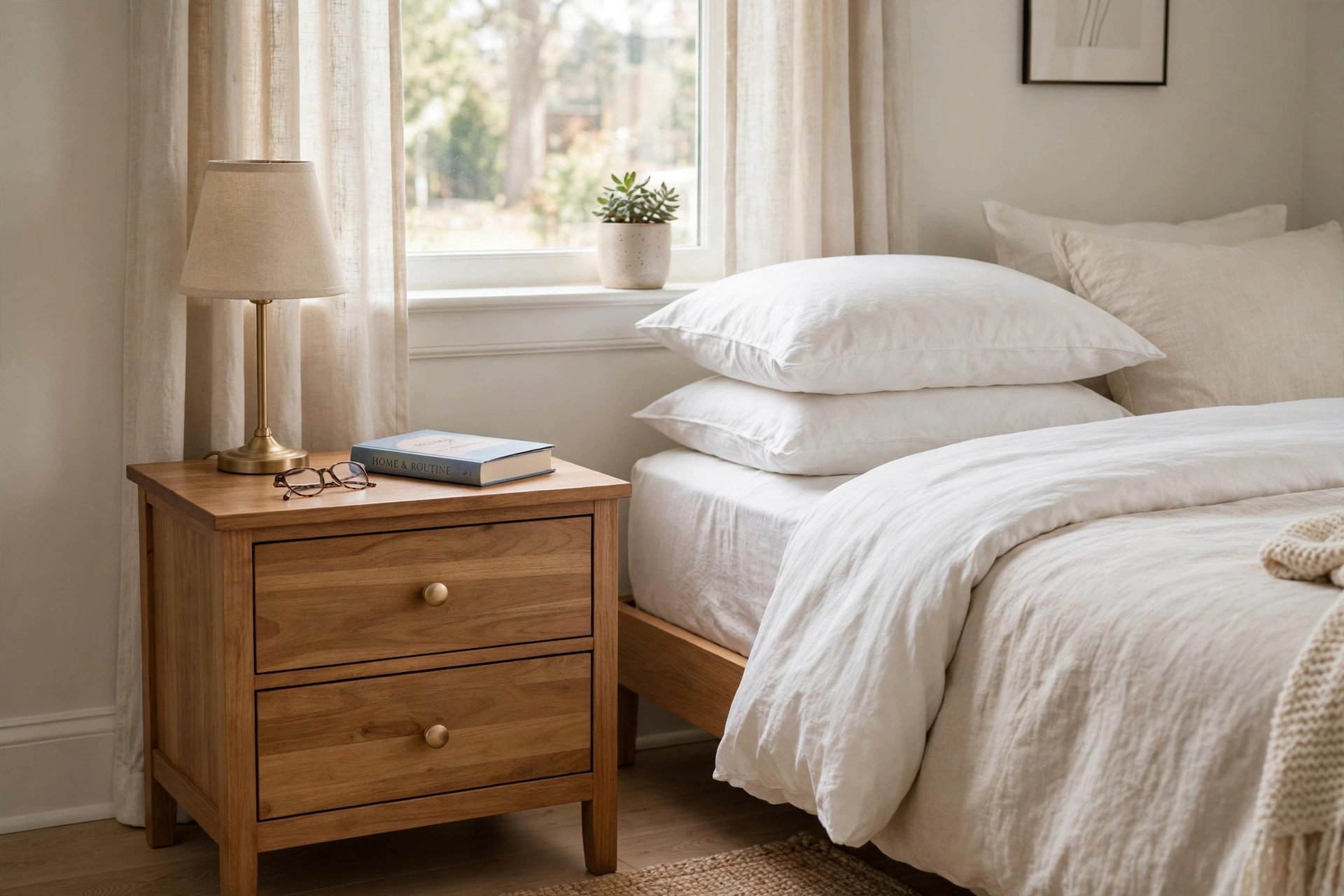
A nightstand is a small table, yet it does a great deal of work. This budget friendly nightstands with storage drawers buying guide will help you choose one that fits your room, your budget, and your daily habits. A good nightstand holds your lamp, your book, and your alarm clock. Its drawers hold the small things you want close but out of sight. You do not need to spend a great deal of money to get a piece that is sturdy, useful, and pleasant to look at. This guide walks you through the key choices step by step. It explains what to look for, what types are common, what prices to expect, how to care for your purchase, and how to keep it safe in your home. By the end, you should feel ready to buy with confidence, whether you shop at a large store or order online.
Why It Matters: Budget Friendly Nightstands with Storage Drawers Buying Guide
The nightstand is the piece of furniture you reach for first in the morning and last at night. If it is too high, your lamp glares in your eyes. If it is too low, you must stretch to switch the light off. If the drawers stick or sag, you will soon stop using them, and clutter will gather on top. A well-chosen nightstand makes the bedroom calmer and more orderly. Drawers matter more than many buyers expect. Open storage on shelves collects dust and looks messy. Drawers hide charging cables, medicines, glasses, and small papers. A two-drawer nightstand can hold all of these and still leave room on top for a lamp and a glass of water. The task is to find the best build for the least money. That is the aim of this guide. The same careful approach helps with other storage needs in the house. For larger items, a bike storage racks price comparison usa shows how to weigh price against strength in a similar way.
What to Look For
Measure First
Measure your bed before you shop. The top of the nightstand should sit level with the top of your mattress, or within two inches above or below it. Most beds place the mattress top at about twenty-four to twenty-eight inches from the floor. Nightstands of that height are easy to find. Also measure the space beside the bed. A typical nightstand is sixteen to twenty-four inches wide. Leave at least two inches of clearance between the stand and the bed frame. If two people share the bed, plan for one stand on each side if the room allows.
Check the Drawers
Drawers are the heart of this purchase. Open each drawer fully. It should glide out smoothly and stay level. Look at the drawer box itself. Solid wood sides or thick plywood sides are best. Thin hardboard sides can warp. Press down on the bottom of the drawer. Soft-close glides are a nice touch but rare at budget prices. The drawer depth matters for daily use. Drawers that are only four or five inches deep hold glasses and phones but not books. Deeper drawers, six to eight inches, hold books, journals, and small boxes.
Frame and Build
Look at how the piece is put together. Dovetail joints or corner blocks show care. Many budget stands use cam locks and dowels, which are fine if the panels are thick. Press gently on the sides and top. The piece should not rock or twist. Solid wood is strongest, but good plywood and MDF with a quality veneer or laminate can last for years at low cost. Avoid very thin backs and flimsy bottoms, as these are the first parts to fail.
Finish and Style
A nightstand should match or at least suit the rest of the bedroom. Budget ranges today offer many finishes: white, espresso, walnut, gray, and natural wood tones. Laminate finishes resist spills well. Painted finishes look crisp but can chip at the edges. If you plan to rest hot mugs on top, choose a finish that resists heat marks, or use coasters. Guidance on matching wood tones across a room can be found in room design references such as Apartment Therapy, which covers small-bedroom layout ideas in plain terms.
Types and Options
One-Drawer Stands
A single-drawer stand is the smallest common type. It has one drawer above an open shelf or a small cabinet door. It suits small rooms and narrow spaces beside twin beds. The open shelf below can hold a basket for extra storage. These are often the cheapest option.
Two-Drawer Stands
This is the most popular type. Two drawers give enough room for daily items and small keepsakes. The top surface still has room for a lamp. Two-drawer stands come in many styles, from simple Shaker fronts to modern flat fronts with hidden pulls. This guide centers on this type because it gives the best value for most buyers.
Three-Drawer and Taller Stands
Three-drawer stands work well beside higher beds, such as those with thick mattresses or risers. They also suit people who like to keep more items by the bed. They cost a bit more and take up more visual space, so they fit best in larger bedrooms.
Stands With Open Shelving Below
Some stands combine one or two drawers with an open shelf at the bottom. The shelf is useful for books or a small storage bin. The trade-off is dust and visible clutter. If you like this style, plan to use a fabric bin to keep the shelf neat.
Wall-Mounted Stands
A wall-mounted nightstand screws into the wall and leaves the floor clear. This style makes small rooms feel larger. It must be fixed to a stud or a solid anchor, so it is not ideal for renters who cannot drill.
Cost and Price
What Budget Means
For nightstands with drawers, “budget” generally means thirty to one hundred fifty dollars per piece. Under thirty dollars, you will find very small or very flimsy pieces. Between fifty and one hundred dollars lies the sweet spot: many solid, good-looking stands with two working drawers. Above one hundred fifty dollars, you enter mid-range territory with solid wood frames and better hardware.
Sold Singly or in Pairs
Many retailers sell nightstands one at a time. Buying a pair for a shared bed doubles the cost, so budget carefully. Some brands offer two-packs at a small discount. If the room only needs one stand, buying singly saves money without shame. Large retailers such as IKEA and Wayfair list single nightstands across many price points.
Where Prices Hide
Watch for extra costs. Some online listings show a low price but add a large delivery fee. Others sell the stand unassembled, which is normal, but check whether tools are included. A few listings show a price for one stand while the photo shows two. Read the listing line by line. In-store floor models or open-box items at stores like Home Depot can cut the price by a fifth or more.
Getting the Best Value
The best value comes from timing and patience. Holiday sales, back-to-college sales, and end-of-season clearances drop prices on bedroom furniture. Sign up for price alerts if the retailer offers them. Compare the same style across two or three sellers before you buy. A careful shopper can often find a seventy-dollar stand for under fifty. The same habit of comparing price to build quality pays off in the garage too. A best workshop tool chests for american homes guide uses the same method: list the needs, set a price band, and compare build side by side.
Care and Upkeep
Daily Habits
Wipe the top with a dry or slightly damp cloth once a week. Use coasters under drinks. Do not drag heavy objects across the surface. Open and close drawers with a straight, gentle pull. These small habits add years to a budget piece.
Cleaning
For laminate and painted finishes, a soft cloth with mild soap and water is enough. Wring the cloth well. For wood veneer, use a cleaner made for wood, and follow the grain. Never soak the surface. Dry it right away. Harsh chemicals and rough pads can dull the finish. Cleaning guides from The Spruce give step-by-step advice for common furniture finishes.
Tightening and Repairs
Once a year, check the screws and cam locks and tighten what is loose. If a drawer sticks, rub a little candle wax or a bar of soap along the runners. If a knob comes loose, remove it, add a drop of wood glue to the screw hole, and refit it. Small repairs keep a budget stand working like new. Broader home repair skills help everywhere in the house. Family Handyman offers plain repair guides for furniture and more.
Storage Helpers
Drawer organizers, small trays, and felt liners keep drawers tidy and protect the finish. A cable clip on the back of the stand keeps phone chargers in place. These extras cost little and make the stand far more useful. Storage specialists like The Container Store carry drawer inserts sized for bedroom furniture.
Safety
Tip-Over Risk
Tall, narrow nightstands can tip if a child climbs them or pulls a drawer out and leans on it. Many brands now include a wall anchor strap or anti-tip kit in the box. Use it. Attach the stand to the wall, especially in homes with small children. This is the same advice given for dressers and bookcases.
Sharp Corners
Check the corners and edges. Very sharp corners can hurt if you bump them in the dark. Rounded or eased edges are kinder. If your stand has sharp corners, stick-on corner guards are cheap and nearly invisible.
Electrical Safety
Lamps, chargers, and alarm clocks share the top of the nightstand. Do not overload one outlet with many plugs. Keep cords tidy so they do not catch on drawers. Use a power strip with surge protection if you charge several devices. Do not run cords under rugs or pinch them behind the stand. Basic electrical safety guidance from large home improvement resources such as Lowe’s covers outlet loads in plain language.
Materials and Air Quality
Some budget furniture is made with pressed wood that can release small amounts of formaldehyde. Look for labels that state low emissions or compliance with current standards. Let a new stand air out in a ventilated room for a day or two before placing it beside the bed. This simple step reduces any new-furniture smell.
Shopping Tips
In Store or Online
In a store, you can open the drawers and feel the build. Online, you can compare many more styles and read buyer reviews. If you shop online, read the reviews that mention assembly and drawer quality. Look at buyer photos, not just the studio photos. Check the return policy before you order, since a large item is costly to ship back.
Assembly
Most budget nightstands arrive flat-packed. Assembly usually takes thirty to sixty minutes with a screwdriver and sometimes a small hammer. Lay out all parts first and match them to the diagram. Do not force a screw that will not turn; back it out and check the hole. Tighten everything at the end, not in the middle. If assembly feels wrong, video guides from major retailers like Walmart and Amazon walk through common furniture kits.
Matching Your Room
A nightstand does not have to match the bed exactly. It should share a tone or style family. White stands suit most rooms. Dark wood stands suit traditional rooms. If your dresser is already dark, a lighter stand can add balance. Measure the visual weight too: a chunky stand beside a slim bed can look off. Trust your eye, and when in doubt, choose the simpler design.
Storing More Than Bedside Items
Some buyers use nightstands in other rooms: beside a reading chair, in a hallway, or as a small side table in a guest room. The same buying rules apply. For sports gear and larger items that do not fit in drawers, an affordable sports equipment organizers for sale guide covers bigger storage choices.
Frequently Asked Questions
How tall should a nightstand be?
The top should sit level with the top of your mattress, give or take two inches. Measure from the floor to the top of your mattress, then shop for a stand of that height. This keeps the lamp and alarm clock within easy reach.
What is the best drawer count for a nightstand?
Two drawers suit most people. One drawer works for minimalists and small rooms. Three drawers suit tall beds and heavy users. More drawers add cost and weight, so match the count to your real needs.
Should I buy a matching pair or two different stands?
Either works. A matching pair looks tidy and is easy to buy. Two different stands can look stylish if they share a color or material. In a shared bedroom, each person can choose their own, as long as the heights match.
How do I keep nightstand drawers organized?
Use small trays or drawer dividers. Give each drawer a job: the top drawer for nightly items like glasses and chargers, the lower drawer for extras like spare batteries and notebooks. Clear the drawers out twice a year and remove what you no longer use.
Can I use a nightstand as a side table in another room?
Yes. Nightstands work well beside armchairs, in entryways, and in home offices. The drawers hide clutter in any room. Just check the height against the chair or sofa arm so the surface is easy to reach.
A Final Word
A budget friendly nightstand with storage drawers is one of the smartest small buys for a bedroom. Measure your space, test the drawers, check the build, and buy within a sensible price band. Keep the finish clean, tighten the hardware once a year, and anchor the piece to the wall if children are in the home. Do these simple things, and a modest stand will serve you well for years. Happy shopping, and may your bedside stay tidy and calm.
References
Amazon. (n.d.). Online shopping. https://www.amazon.com Apartment Therapy. (n.d.). Home design ideas and inspiration. https://www.apartmenttherapy.com Family Handyman. (n.d.). DIY home repair and maintenance. https://www.familyhandyman.com IKEA. (n.d.). Home furnishings. https://www.ikea.com Lowe’s. (n.d.). Home improvement products. https://www.lowes.com The Container Store. (n.d.). Storage and organization products. https://www.containerstore.com The Home Depot. (n.d.). Home improvement products. https://www.homedepot.com The Spruce. (n.d.). Home and garden advice. https://www.thespruce.com Walmart. (n.d.). Everyday low prices. https://www.walmart.com Wayfair. (n.d.). Furniture and home goods. https://www.wayfair.com
Was this guide helpful?

About Emily Rodriguez
The My Garden US editorial team writes practical, in-depth home and garden guides for American homeowners — tested advice, no fluff.
You May Also Like

Hat and Handbag Storage Boxes Price Comparison USA: A Full Buying Guide
July 17, 2026 0 views
Heavy Duty Vertical File Cabinets for Sale: A Practical Buying Guide
January 4, 2026 0 views
Toy Storage Bins Price Comparison in the USA: A Plain Guide for Parents
August 1, 2026 0 views