
Why the Best Office Chair for Long Hours Home Office Work Matters
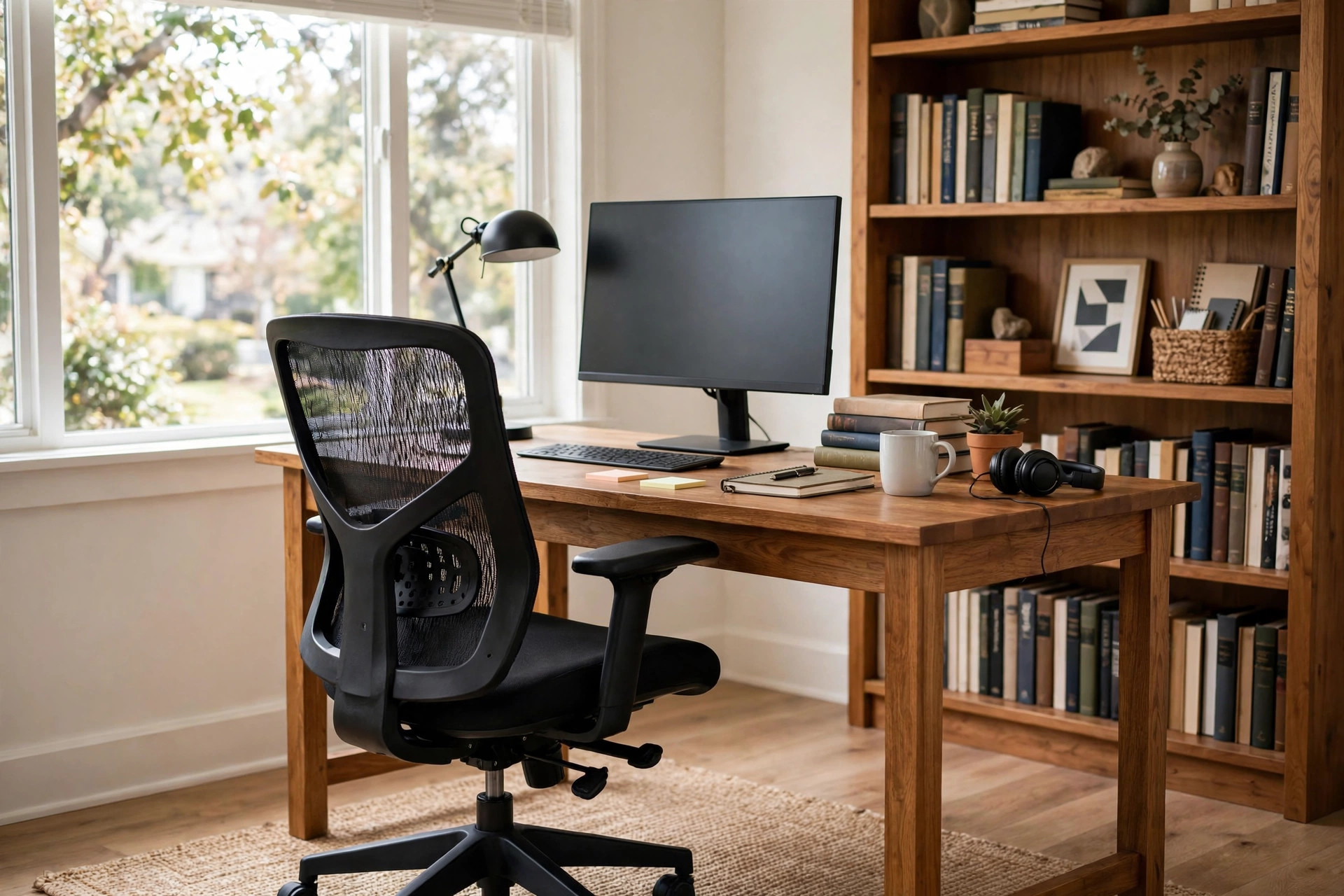
Many people now work from home for eight, ten, or even twelve hours a day. The kitchen chair or the old dining chair cannot carry that load. After a few weeks, the back aches, the neck stiffens, and the shoulders burn. Productivity drops. Mood drops. The best office chair for long hours home office work is not a luxury. It is a tool, like a good lamp or a steady desk. It keeps the body in a healthy posture through long days.
Doctors who study backs and joints agree on one plain point: sitting is hard on the body when the chair is wrong. A chair built for long office hours spreads your weight, holds your lower back, and lets your feet rest flat. When the chair does this work, the muscles do less. Less strain means fewer aches at night and more energy during the day.
The good news is that buyers have more choice now than ever before. There are chairs under two hundred dollars that serve well, and there are premium chairs that last fifteen years. This guide walks you through the whole field in plain language. By the end, you will know what to look for, what to avoid, and how much to pay.
What to Look for When Choosing a Chair: Best Office Chair for Long Hours Home Office
Lumbar Support
The lower back curves inward. A chair must meet that curve. The best office chair for long hours home office use has adjustable lumbar support. This is a pad or a built-in shape that presses gently into the small of your back. Fixed lumbar support can help, but adjustable is better because every body is shaped a little differently.
When you test a chair, sit back and rest against it. You should feel the support at your waist, not at your shoulders. If there is a gap between your lower back and the chair, the support is missing or set too low.
Seat Depth and Width
The seat should be deep enough to hold your thighs but not so deep that it digs into the backs of your knees. A sliding seat pan is a helpful feature. It lets you move the seat forward or back until about two to three inches of space remain between the seat edge and your knees.
The seat width matters less than depth, but wider seats suit larger frames. Most good chairs run about eighteen to twenty-two inches wide. That range fits the large majority of adults.
Armrests
Armrests reduce the load on the shoulders and neck. The best armrests move in several directions: up and down, forward and back, and inward and outward. This is called four-dimensional or 4D adjustment. It lets you bring the armrests right to where your elbows naturally fall.
Padded armrests beat hard plastic ones for long days. Hard edges can press into the forearms and cause numbness after several hours.
Height Adjustment and Tilt
A gas lift cylinder raises and lowers the seat. Set it so your feet rest flat on the floor and your knees form a right angle. Tilt, or recline, lets you lean back between tasks. A good tilt lock holds the chair in place when you lean back. Some chairs add a synchro-tilt, where the back reclines faster than the seat rises. This keeps the body open and comfortable.
Material and Breathability
Mesh backs let air pass through. They keep the back cool during long summer days. Fabric upholstery is warm and soft but can trap heat. Leather or faux leather looks rich and wipes clean, but it can grow warm and sticky after hours. For the best office chair for long hours home office comfort, mesh or a breathable fabric is often the safest pick.
Types of Office Chairs for Long Workdays
Ergonomic Task Chairs
These are the workhorses. They carry every adjustment listed above: lumbar, seat depth, armrests, height, and tilt. Most home office workers should start here. They look plain, but the plain look hides serious engineering. Many top-rated models come from office furniture makers who have studied seating for decades.
Mesh Chairs
Mesh chairs use a woven screen for the back and sometimes the seat. They are light, cool, and easy to move. The mesh gives gentle support that shapes itself to the back. One trade-off: cheaper mesh can stretch and sag after a few years. Well-made mesh holds its form for a long time.
Executive Chairs
Executive chairs are large, padded, and often leather. They suit people who want a formal look for a home office. Good ones include lumbar support and tilt. Weaker ones trade support for style. If you sit long hours, choose an executive chair that still offers the core adjustments, not just thick padding.
Kneeling and Saddle Chairs
Kneeling chairs tilt the body forward and rest the shins on pads. They open the angle between the torso and the thighs. Some people love them. Others find them hard to use all day. They are best as a second chair or for short stretches, not as the only seat for a ten-hour day.
Stool and Drafting Chairs
These suit tall desks or standing desk setups. A drafting chair with a foot ring works well for people who switch between sitting and standing. Pair it with an adjustable height desk converter for existing table to build a flexible station without buying new furniture.
How Much Does a Good Office Chair Cost
Price bands in the United States run roughly as follows.
Under $150: basic task chairs. Some are fine for short days. Most lack the deep adjustments that matter for long hours. Buyers should read reviews with care in this range.
$150 to $400: the sweet spot for most home workers. Many chairs here offer adjustable lumbar support, sliding seats, and 4D armrests. Build quality is solid. This is where the best office chair for long hours home office buyers usually land.
$400 to $900: premium ergonomic chairs. Better materials, longer warranties, and finer adjustments. Brands in this tier often offer twelve-year warranties.
Above $900: flagship chairs from names like Herman Miller and Steelcase. They can last fifteen to twenty years. The cost per year of use can be low, but the upfront price is steep.
A useful rule: a chair used eight hours a day for five years logs more than ten thousand sitting hours. Spending more for real comfort is often the sound choice.
Setting Up Your Chair and Desk Together
A great chair cannot fix a bad desk setup. The desk height, the screen height, and the keyboard all work with the chair. Start by setting the chair so your feet lie flat. Then raise or lower the desk or keyboard tray so your elbows rest at about a right angle.
The top of the screen should sit near eye level. Many home workers pair their chair with an affordable dual monitor setup for remote workers usa to keep both screens at the right height. Neck strain often comes from screens set too low, not from the chair itself.
Noise matters too. In a shared home, a quiet keyboard for shared home office space keeps the peace while you type through long sessions. And if floor space is tight, a small corner desk with drawers for apartment office pairs well with a compact task chair.
For deeper guidance on desk options, sites like IKEA and Wayfair show full room layouts with desks matched to chairs. Review teams at Wirecutter and PCMag test chairs and desks side by side for months at a time.
Care and Upkeep
A good chair lasts longer with simple care. Vacuum the mesh or fabric once a month. Dust pulls into the weave and wears it down. Wipe faux leather and plastic armrests with a damp cloth. Avoid harsh cleaners that crack the finish.
Check the bolts and screws twice a year. Chairs loosen with use. A quick tighten with an Allen wrench keeps the chair firm and quiet. Oil the gas cylinder lightly if it starts to creak. Do not stand on the chair or lean back past its stop point; that is how bases and backrests break.
Keep the chair out of direct sun for long stretches. Sunlight fades fabric and dries out leather. If the chair has removable covers, wash them on a gentle cycle and let them air dry.
Safety Tips
– Choose a chair with a five-star base. Five legs give far more stability than four. – Check the weight rating. Most chairs hold 250 to 300 pounds. Heavy-duty models hold more. – Lock the wheels if the chair sits on a hard floor and tends to roll. Wheel locks or a chair mat both help. – Keep cords and bags clear of the wheels. A chair that tips over a cord can throw the sitter. – Teach children not to ride on office chairs. Tipping injuries are common. – The Consumer Product Safety Commission lists safety recalls for furniture; check the model before you buy.
For buying tips and long-term test notes, The Spruce maintains plain-language guides. Major office furniture makers such as Herman Miller and Steelcase publish ergonomic setup charts worth printing. Standing-desk builders like UPLIFT Desk cover sit-stand balance. Large retailers like Home Depot carry a wide range of chairs with in-store testing.
Frequently Asked Questions
How long should an office chair last?
A well-built chair lasts eight to fifteen years with daily use. Cheaper chairs often last three to five years. The gas cylinder and the armrest pads wear first. Chairs with long warranties, such as twelve years, signal a maker that stands behind the build.
Is mesh or padded foam better for long hours?
Both can serve well. Mesh runs cooler and needs less upkeep. High-density foam feels softer at first and shapes to the body. For very long days in warm rooms, mesh usually wins. For people who like a cushioned feel, dense foam with a breathable cover is a fine pick.
Do I need armrests?
Yes, for long hours. Armrests take weight off the shoulders and neck. Chairs without armrests work for short tasks or for tucking fully under a desk. For a full workday, adjustable padded armrests make a clear difference.
What is the best seat height for a desk worker?
Set the seat so your feet rest flat on the floor and your thighs run roughly parallel to the floor. For most adults, this falls between sixteen and twenty-one inches from the floor to the seat top. If the desk is fixed and high, add a footrest under your feet.
Can a cheap chair cause back pain?
A chair that lacks lumbar support and proper height adjustment can add to back pain, yes. But pain has many causes, including posture, stress, and lack of movement. No chair replaces regular breaks. Stand, stretch, and walk for a few minutes each hour.
Should I buy a gaming chair for office work?
Some gaming chairs suit long sessions. They tend to be well padded and strongly built. The racing-seat shape can push the shoulders forward, which some backs dislike. A true ergonomic task chair usually offers more precise adjustments than a gaming chair at the same price.
A Final Word
The best office chair for long hours home office work is the one that fits your body, your desk, and your day. Start with adjustable lumbar support, a seat that fits your legs, padded armrests, and smooth height and tilt controls. Spend in the mid range if you can. Set the chair up with care, keep the screen at eye level, and stand up often. The right chair will not make long days vanish, but it will make them far easier on your back, neck, and mind.
References
Herman Miller. (n.d.). Office furniture and ergonomic seating. https://www.hermanmiller.com IKEA. (n.d.). Home furnishings. https://www.ikea.com PCMag. (n.d.). Technology product reviews. https://www.pcmag.com Steelcase. (n.d.). Office furniture and workplace research. https://www.steelcase.com The Home Depot. (n.d.). Home improvement products. https://www.homedepot.com The Spruce. (n.d.). Home and garden advice. https://www.thespruce.com U.S. Consumer Product Safety Commission. (n.d.). Product safety information. https://www.cpsc.gov UPLIFT Desk. (n.d.). Standing desks and ergonomic office furniture. https://www.uplift-desk.com Wayfair. (n.d.). Furniture and home goods. https://www.wayfair.com Wirecutter. (n.d.). Product reviews from The New York Times. https://www.nytimes.com/wirecutter
Was this guide helpful?

About Michael Thompson
The My Garden US editorial team writes practical, in-depth home and garden guides for American homeowners — tested advice, no fluff.
You May Also Like

USB C Docking Station for Home Office Setup: A Plain Guide
May 8, 2026 0 views
Adjustable Armrest Pads for Office Chair Comfort
April 8, 2026 0 views
Small Office Supply Organizer Caddy for Desk: A Practical Buying Guide
July 11, 2026 0 views