
Many people now work from home. A good seat can make the day much better. An ergonomic office stool with back support is a smart pick for home offices, studios, and tall desks. It gives you the freedom of a stool with the comfort of a backrest. This guide will help you choose one with care. It covers comfort, types, cost, care, and safety. Read on before you buy.
Why a Good Stool Matters
The human body was not made to sit all day. Long hours on a bad chair can cause pain. The lower back often suffers first. The neck and shoulders soon follow. Many workers know this ache. It starts as a dull pain and grows by evening.
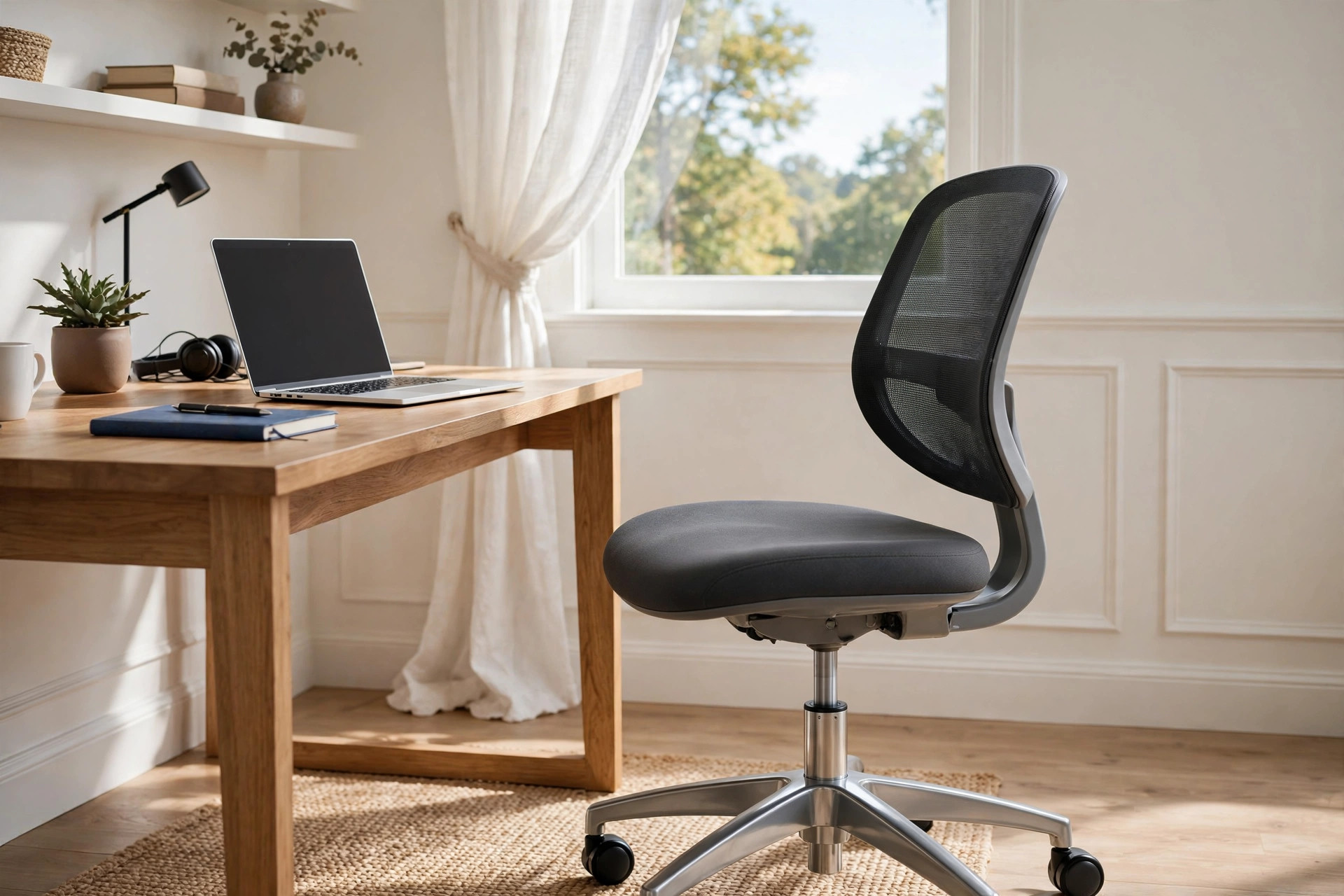
An ergonomic office stool with back support helps you sit in a better way. The backrest keeps your spine in a natural shape. The seat supports your weight with no pressure points. When the stool fits your body, you can work longer with less pain. You can also think with more focus. Comfort is not a luxury. It is a tool for good work.
Home offices are often small. A full office chair can be too large. A stool takes less floor space. It slides under a desk when the day is done. The backrest still gives you the support you need. This mix of small size and real comfort is why these stools have grown in fame.
What to Look For When You Choose: Ergonomic Office Stool with Back Support
Back Support
The backrest is the key part of this stool. Look for a backrest that fits the curve of your lower back. It should give firm but gentle push where you need it. Some backrests move up and down. This lets you place the support at the right height. That is a fine trait for people of different sizes.
The shape of the backrest matters too. A curved backrest hugs the spine. A flat one may feel hard after some time. Mesh backrests let air pass through. They keep you cool in warm rooms. Padded backrests feel soft. They suit cool rooms and long sitting hours. Choose the one that fits your room and your taste.
Seat and Height
The seat should be wide enough for you. It should hold you with no pinch at the edges. A rounded front edge helps blood flow to the legs. This small curve, called a waterfall edge, makes a big change over long days.
Height adjustment is a must. A gas lift lets you raise or lower the seat in seconds. Your feet should rest flat on the floor. Your knees should bend at about a right angle. Your desk should let your arms rest in ease. Many stools fit both low desks and tall desks. If you work at a counter or a standing desk, check the highest point of the seat. For very tall worktops, an adjustable drafting chair for tall desk users may be worth a look as well.
Base and Wheels
The base holds you up. A five-star base gives the best balance. It spreads your weight across five arms. Each arm has a wheel or a glide. Metal bases last longer than plastic ones. Check the weight limit on the box. Pick a stool rated well above your weight.
Wheels matter more than people think. Hard wheels suit carpet floors. Soft wheels suit hard floors like wood and tile. The right wheels protect your floor from marks. They also make it easy to move. Some stools come with glides instead of wheels. Glides are fine if you plan to stay in one spot.
Types of Stools You Will Meet
There are many kinds of stools with back support. Each kind suits a different need. Learn the main kinds before you shop.
The drafting stool is tall. It pairs with high desks and drawing tables. It often has a foot ring. The ring gives your feet a place to rest. The backrest is usually full size. This kind is common in studios and labs.
The task stool is short. It fits normal desks. It looks much like a small office chair but with a simpler build. It often has wheels and a low backrest. This kind is a fine pick for a home office desk.
The sit-stand stool is made for active work. The seat is small and tilts. You rest on it in a half-standing pose. It suits standing desk setups well. The backrest is small and gives light support. This kind helps you change pose through the day.
The perch stool is even simpler. The seat is narrow. You lean on it more than you sit. It is good for short tasks. It is not the best pick for full workdays.
Some shoppers compare stools with full chairs. An ergonomic office chair mesh back with lumbar gives more support for long hours. A stool gives more freedom and takes less space. Think about how you work. If you move a lot and stand often, a stool may suit you. If you sit for eight hours at a time, a full chair may be kinder to your back.
Cost and Price
Prices vary a lot. A basic stool with back support may cost under fifty dollars. It will have simple parts and thin padding. It can suit light use, like a few hours a week.
A mid-range stool costs from about one hundred to three hundred dollars. It will have a better gas lift, a sturdier base, and nicer fabric. This range suits most home offices. Most buyers find what they need here.
A high-end stool can cost five hundred dollars or more. Makers like the ergonomic seating pioneers and office furniture research leaders sell models in this range. They use top materials and long warranties. They suit people who sit for many hours each day.
Think about cost per year. A cheap stool that breaks in one year costs more than a good one that lasts ten. Check the warranty. A warranty of five years or more shows that the maker trusts the build. Read the terms with care. Some warranties cover only certain parts.
Watch for sales. Online furniture shops and office supply stores often cut prices on holidays. Flat-pack furniture stores keep prices low all year. Set a budget before you shop. Stick to it. A clear budget helps you compare like with like.
Care and Upkeep
A good stool needs small care to last long. Dust the frame each week with a soft cloth. Wipe the seat with a damp cloth when it looks dirty. Use mild soap only. Harsh cleaners can harm fabric and leather.
Check the wheels now and then. Hair and dust can wrap around them. Pull the hair out with care. Clean wheels roll better and mark floors less. If a wheel breaks, buy a new set of the same size. Most wheels pop out with a firm pull.
Tighten the screws twice a year. Stools loosen with use. A loose bolt can make the seat wobble. Use the tool that came in the box. Do not over-tighten. That can strip the threads.
Keep the stool out of direct sun. Strong sun can fade fabric. It can also dry out leather and make it crack. Keep the stool away from heaters too. Heat can harm plastic parts over time.
If the gas lift sinks on its own, it may need a fix. Some lifts can be swapped at home. Check guides from home guides before you try. If the stool is under warranty, call the maker first. Do not take apart a part that is still covered.
Safety
Safety is simple but vital. Always place the stool on a flat floor. A stool on a slope can slide. Lock the wheels if your stool has locks. This stops the stool from rolling when you sit down.
Do not stand on the stool. It is not a ladder. Standing on the seat can tip it over. Use a real step stool for high shelves.
Teach children to use the stool with care. The gas lift can pinch small fingers. The wheels can roll fast on hard floors. Keep small parts out of reach of young children.
Check the weight limit on the box. Never go past it. The base and the lift can fail under too much load. A failure can cause a fall. If more than one person will use the stool, pick a model with a high limit.
Place cords away from the wheels. A rolling stool can catch a cord and pull a lamp or a screen down. This is a common cause of home office mishaps. A clean floor is a safe floor.
For homes with young kids, look at product safety notes on the box. Some stools have small parts or sharp edges. Pick smooth, rounded designs when children are near.
FAQ
How is an ergonomic office stool with back support different from a normal stool?
A normal stool has no backrest. You must hold your back up on your own. That tires the muscles fast. An ergonomic office stool with back support has a backrest shaped to fit the spine. It also has a shaped seat, a height control, and a stable base. These traits make long sitting much easier.
Can I use this stool with a standing desk?
Yes. Many people pair these stools with standing desks. Pick a tall model with a wide height range. The seat should reach the right height for your desk in its raised pose. A foot ring helps a lot here. It gives your feet rest when the seat is high.
Is a stool as good as a full office chair?
It depends on how you work. A full chair gives more support for long, still sitting. A stool gives more freedom to move. If you stand often, walk about, and change pose, a stool can be a fine pick. If you sit still for eight hours, a full chair may be better. Some people keep both and switch through the day.
What seat material is best?
Mesh keeps you cool and suits warm rooms. Fabric feels warm and soft. It comes in many colors to match your room. Leather and fake leather look fine and wipe clean with ease. They can feel warm in summer. Pick the material that fits your room and your skin.
How long should a good stool last?
A well-made stool should last five to ten years with light care. The gas lift is often the first part to wear. Good makers sell spare parts. Check that spare parts are sold before you buy. A stool you can fix is a stool that lasts.
Where should I place the stool in a small home office?
Place it where you can pull it close to the desk. Leave space behind you to lean back. When the day ends, lower the seat and slide the stool under the desk. This frees the floor. A tidy room helps you think. For the rest of your setup, a lockable filing cabinet for home business documents can keep papers safe and out of the way.
A Short Final Word
An ergonomic office stool with back support is a small buy with a big effect. It fits tight rooms. It keeps your back in good shape. It lets you move with ease. Pick one with a good backrest, a right seat height, and a strong base. Take care of it, and it will take care of you.
Before you buy, read independent testing notes and buyer reviews. Visit home furniture stores or workplace design showrooms to sit on a model in person. A few minutes of sitting tells you more than a hundred photos. Choose well, and your back will thank you each day.
References
Crate and Barrel. (n.d.). Furniture and home decor. https://www.crateandbarrel.com Haworth. (n.d.). Workplace design and furniture. https://www.haworth.com Herman Miller. (n.d.). Office furniture and ergonomic seating. https://www.hermanmiller.com IKEA. (n.d.). Home furnishings. https://www.ikea.com Office Depot. (n.d.). Office supplies and furniture. https://www.officedepot.com Steelcase. (n.d.). Office furniture and workplace research. https://www.steelcase.com The Spruce. (n.d.). Home and garden advice. https://www.thespruce.com UPLIFT Desk. (n.d.). Standing desks and ergonomic office furniture. https://www.uplift-desk.com Wayfair. (n.d.). Furniture and home goods. https://www.wayfair.com Wirecutter. (n.d.). Product reviews from The New York Times. https://www.nytimes.com/wirecutter
Was this guide helpful?

About David Wilson
The My Garden US editorial team writes practical, in-depth home and garden guides for American homeowners — tested advice, no fluff.
You May Also Like
Best Home Office Desk for Two Monitors: A Practical Buying Guide
January 21, 2026 0 views
Small L Shaped Desk With Monitor Shelf: A Practical Guide for Small Home Offices
February 2, 2026 0 views
Ergonomic Keyboard Tray for Corner Desk Setup: A Complete Guide
April 6, 2026 0 views