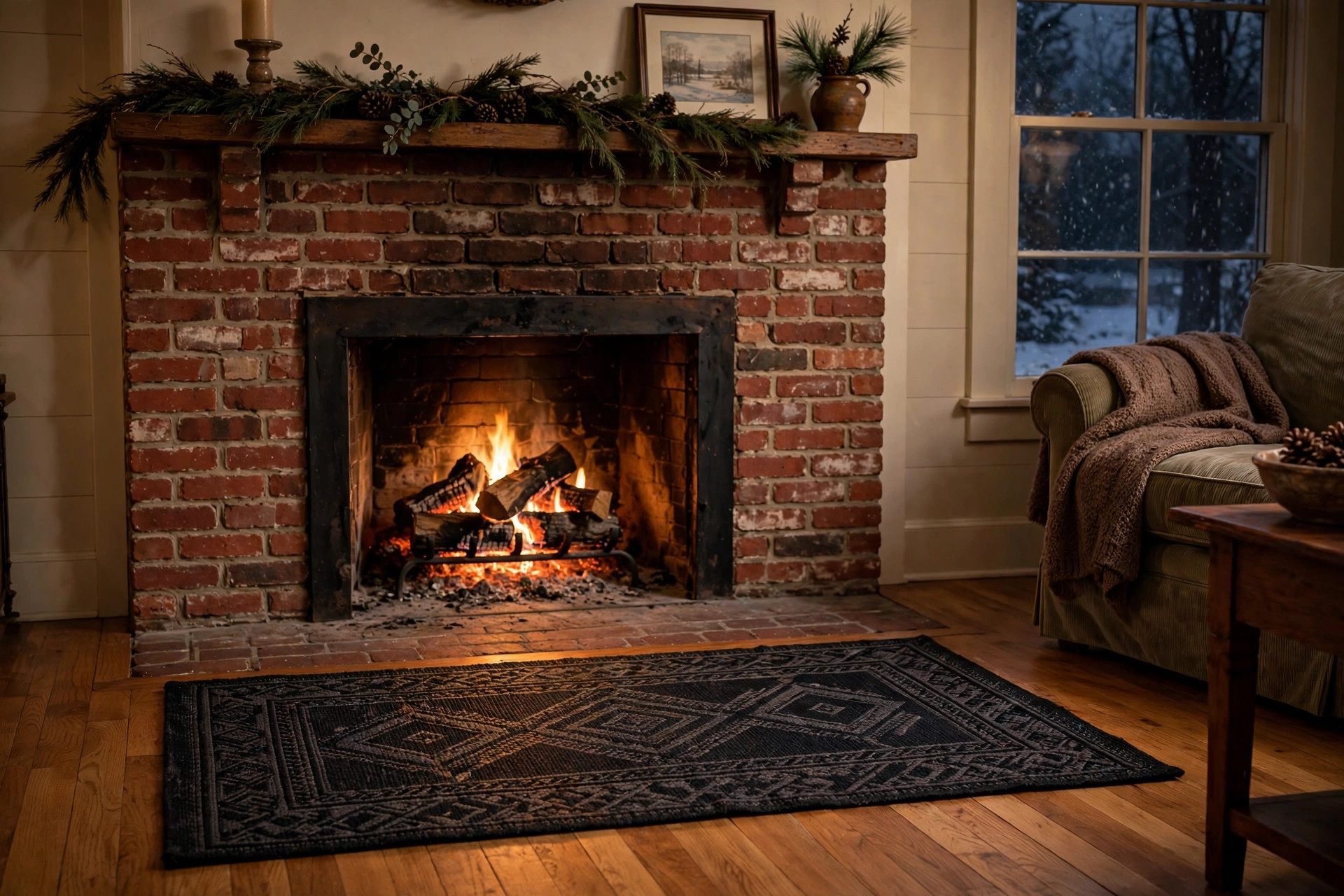

A hearth rug sits on the floor in front of a fireplace. It catches sparks and embers that pop out of the fire. It guards wood floors and carpet from burn marks. In the Midwest, where winters are long and cold, a fireplace may burn every evening from November through March. That is why top rated fireplace hearth rugs for Midwest homes are built to take daily use.
Many buyers think of a hearth rug as decoration. It is more than that. It is a safety tool. A single spark on a bare pine floor can smolder for minutes before anyone notices. A good hearth rug stops that from happening. The top rated fireplace hearth rugs for Midwest homes combine fire resistance, heavy weight, and a look that fits the room.
Why a Hearth Rug Matters in the Midwest
Midwest winters are hard. Temperatures in Minnesota, Wisconsin, Iowa, and the Dakotas often sit below zero for weeks. Many homes in the region burn wood as a main or second heat source. A fireplace that runs six months a year throws more sparks than one used on a few holiday nights.
Floor types matter too. Many Midwest homes have hardwood or laminate near the fireplace. Heat and sparks can scar these floors over time. A hearth rug takes that damage instead. It also protects carpet, which can melt or catch fire from a hot ember.
A hearth rug also helps keep the room tidy. It catches ash, bits of bark, and wood chips that fall during loading. Without one, ash tracks across the room. With one, cleanup takes a minute with a dustpan.
What to Look for When Choosing a Hearth Rug: Top Rated Fireplace Hearth Rugs for Midwest Homes
Not every rug sold near a fireplace is safe for the job. Some are thin decorator pieces. The top rated fireplace hearth rugs for Midwest homes meet a few clear standards. Use this list before you buy.
Fire Resistance
The first question is simple. Will it resist fire? A true hearth rug is made of fiberglass or other fire-resistant material. It will not ignite from a stray spark. Many quality rugs pass standard flame tests. Look for the term “fire resistant” on the label, not just “heat safe.” These are not the same thing.
Wool is the only natural fiber that belongs near a fire. Wool chars instead of melting. It can still burn under long heat, but it resists a quick spark well. Cotton, jute, and most synthetic rugs should never sit under a fireplace. They catch fire too easily.
Size and Coverage
A hearth rug should reach from the fireplace face out into the room. A common size is 27 by 48 inches. Larger fireplaces need more. The rule is simple. Sparks can bounce and roll. The rug should cover the landing zone where sparks fall.
Measure before you buy. Stand back from the fireplace and note where ash and sparks have landed in the past. Buy a rug that covers that area with room to spare. For corner fireplaces, look for half-round or corner shapes.
Thickness and Weight
A heavy rug stays put. Thin rugs slide across a smooth floor when someone steps on them. That defeats the purpose. The top rated fireplace hearth rugs for Midwest homes are thick enough to lie flat and heavy enough to stay there.
Thickness also adds a cushion. A thick rug absorbs the heat of an ember better than a thin one. It also feels better underfoot on cold mornings, which matters in a Midwest winter.
Backing and Edges
A rubber or latex backing keeps the rug from sliding. This is a plus on hardwood and tile. Check that the backing itself is heat safe. Some cheap backings melt under heat.
Bound or hemmed edges last longer. A raw edge frays after a season of foot traffic. A bound edge also looks neater. Many top rated fireplace hearth rugs for Midwest homes come with stitched edges in a matching color.
Look and Style
A hearth rug is part of the room. Common styles include classic patterns, lodge themes with bear or pine designs, and simple solid colors. Dark colors hide ash better than light ones. That is worth knowing before you pick a cream rug.
Types of Hearth Rugs
Hearth rugs fall into a few groups. Each has its place.
Fiberglass Hearth Rugs
Fiberglass rugs are the workhorse choice. They resist fire well and clean with a shake or a vacuum. Most look like woven fabric. They come in patterns that mimic oriental rugs or cabin themes. These are the top rated fireplace hearth rugs for Midwest homes for buyers who put safety first.
Wool Hearth Rugs
Wool rugs are soft and look rich. They resist sparks well and feel warm underfoot. They cost more than fiberglass. They need more care. Wool should be vacuumed often and kept dry. In homes that burn wood daily, wool holds up fine if you tend it.
Leather and Faux Leather Hearth Rugs
Leather rugs give a rustic look. They resist heat well. Real leather costs the most. Faux leather is cheaper but may not handle heat as well. Check the rating before buying.
Decorative Rugs (Use With Caution)
Some rugs are sold as “fireplace rugs” but are only decoration. They sit too far from the fire to matter, or they are thin enough that they offer no real protection. If the label does not say fire resistant, treat it as decoration only. Keep it well back from the opening.
Cost and Price Range
Prices for hearth rugs run wide. A basic fiberglass hearth rug in a standard size costs about 30 to 60 dollars. These handle sparks fine. They are plain in looks.
Mid-range rugs cost 60 to 150 dollars. This is where most of the top rated fireplace hearth rugs for Midwest homes sit. You get better patterns, thicker weave, and bound edges. Wool rugs start in this range and run up to 300 dollars or more.
Large or custom rugs cost 150 to 400 dollars. Oversized hearths, corner shapes, and premium wool push the price up. For most homes, the 60 to 120 dollar range buys a rug that lasts many winters.
Watch for sales. Fireplace shops cut prices in spring and summer. That is the best time to buy in the Midwest, when stores clear stock before the next heating season.
Care and Upkeep
A hearth rug is easy to tend. Shake it out every week during burning season. Vacuum it with a brush head. Wipe spots with a damp cloth. Do not machine wash a fiberglass rug unless the label allows it. Most do not need it.
Check the rug each fall before the first fire. Look for thin spots, tears, or melted backing. A damaged rug should be replaced. It cannot do its job if the weave is broken.
Keep the rug dry. A wet rug near a fire steams and smells. It can also grow mold on the backing. In Midwest homes with snow tracked in, lift the rug now and then to check the floor under it.
Empty the ash that collects on the rug. Ash is fine and it blows around. A quick sweep keeps it from grinding into the fibers.
In spring, when the last fire burns out, roll the rug and store it. A dry closet or basement corner works. Keep it off concrete floors, which hold damp. Come fall, unroll it, shake it out, and check the weave once more before the first fire. This small habit keeps the rug in good shape for years.
Safety Tips for Hearth Rugs
A hearth rug is part of a larger safety plan. Keep these rules in mind.
– Never place a hearth rug on top of a screen or door. The rug lies on the floor in front of the fire, never inside it. – Keep curtains, wood piles, and kindling at least three feet from the fireplace opening. – Use a fireplace glass door to cut down on sparks. A glass door plus a hearth rug is a strong pair. Quality fireplace glass doors reviews and buying guide pages can help you pick one. – Consider high efficiency childproof fireplace screens if small children live in the home. A screen blocks sparks and keeps hands away from the glass. – Clean the chimney once a year. Creosote buildup causes chimney fires, and no rug helps with that. – Keep a smoke detector near the room and test it monthly.
Homeowners can find upkeep advice from sources such as This Old House and The Spruce, which cover fireplace care in plain terms. The EPA publishes burn-smart guidance for wood stoves and fireplaces.
Frequently Asked Questions
Do hearth rugs really work, or are they just decoration? A real fire-resistant hearth rug works. It stops sparks and embers from reaching the floor. It also shields the floor from heat. A thin decorator rug does not do this. Check the label for fire resistance before you trust it.
What size hearth rug do I need? Measure the fireplace opening and add at least 18 inches of coverage on each side and in front. The most common size is 27 by 48 inches. Larger or corner fireplaces need bigger or shaped rugs.
Can I use a hearth rug on carpet? Yes. A fire-resistant rug on carpet adds a layer of protection. Make sure the rug lies flat and does not bunch up. A backing helps it grip.
Are wool hearth rugs safe? Wool is the safest natural fiber near a fire. It chars instead of melting. It is still fabric, so keep it dry and clean. It costs more than fiberglass but many buyers like the feel and look.
How long does a hearth rug last? A quality fiberglass rug lasts five to ten years of regular use. Wool lasts as long with good care. Replace the rug when you see thin spots, tears, or damage to the weave.
Do I still need a screen if I have a hearth rug? Yes. A screen and a rug do different jobs. The screen blocks most sparks at the source. The rug catches what gets past. Together they give full protection. Many guides to fireplace mantel shelves also note that screens and rugs pair well with a clean mantel line.
Where to Shop
Fireplace specialty shops carry the best selection. Staff there can match a rug to your fireplace type. Big home stores such as Home Depot and Lowe’s stock common sizes at fair prices. Online shops widen the choice. Guides from Bob Vila and Family Handyman can help you compare brands.
Brand makers in the hearth world include Napoleon and Heatilator, which are known for fireplaces and stoves. Their dealer networks often carry hearth accessories too.
A Short Final Word
Top rated fireplace hearth rugs for Midwest homes earn their rating through fire resistance, size, weight, and honest build quality. Buy one that is truly fire resistant, not just pretty. Size it to cover the spark zone. Keep it clean and check it each fall. It is a small purchase that protects your floors and your family through every long winter. A few dollars spent in spring on a quality rug can save hundreds in floor repair by the next spring.
References
Bob Vila. (n.d.). Home improvement advice. https://www.bobvila.com Family Handyman. (n.d.). DIY home repair and maintenance. https://www.familyhandyman.com Heatilator. (n.d.). Fireplaces and fireplace products. https://www.heatilator.com Lowe’s. (n.d.). Home improvement products. https://www.lowes.com Napoleon. (n.d.). Fireplaces, grills, and heating products. https://www.napoleon.com The Home Depot. (n.d.). Home improvement products. https://www.homedepot.com The Spruce. (n.d.). Home and garden advice. https://www.thespruce.com This Old House. (n.d.). Home renovation guidance. https://www.thisoldhouse.com U.S. Environmental Protection Agency. (n.d.). Protecting human health and the environment. https://www.epa.gov
Was this guide helpful?

About Emily Rodriguez
The My Garden US editorial team writes practical, in-depth home and garden guides for American homeowners — tested advice, no fluff.
You May Also Like
Best Fireplace Blowers and Fans for California Apartments
March 6, 2026 0 views
Top Rated Fireplace Safety Gates for Florida Homes
September 12, 2026 0 views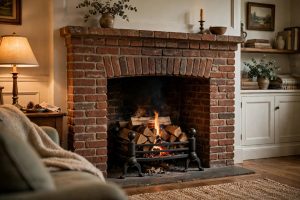
High Efficiency Andirons for Fireplaces Buying Guide
March 30, 2026 0 views