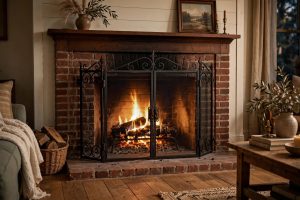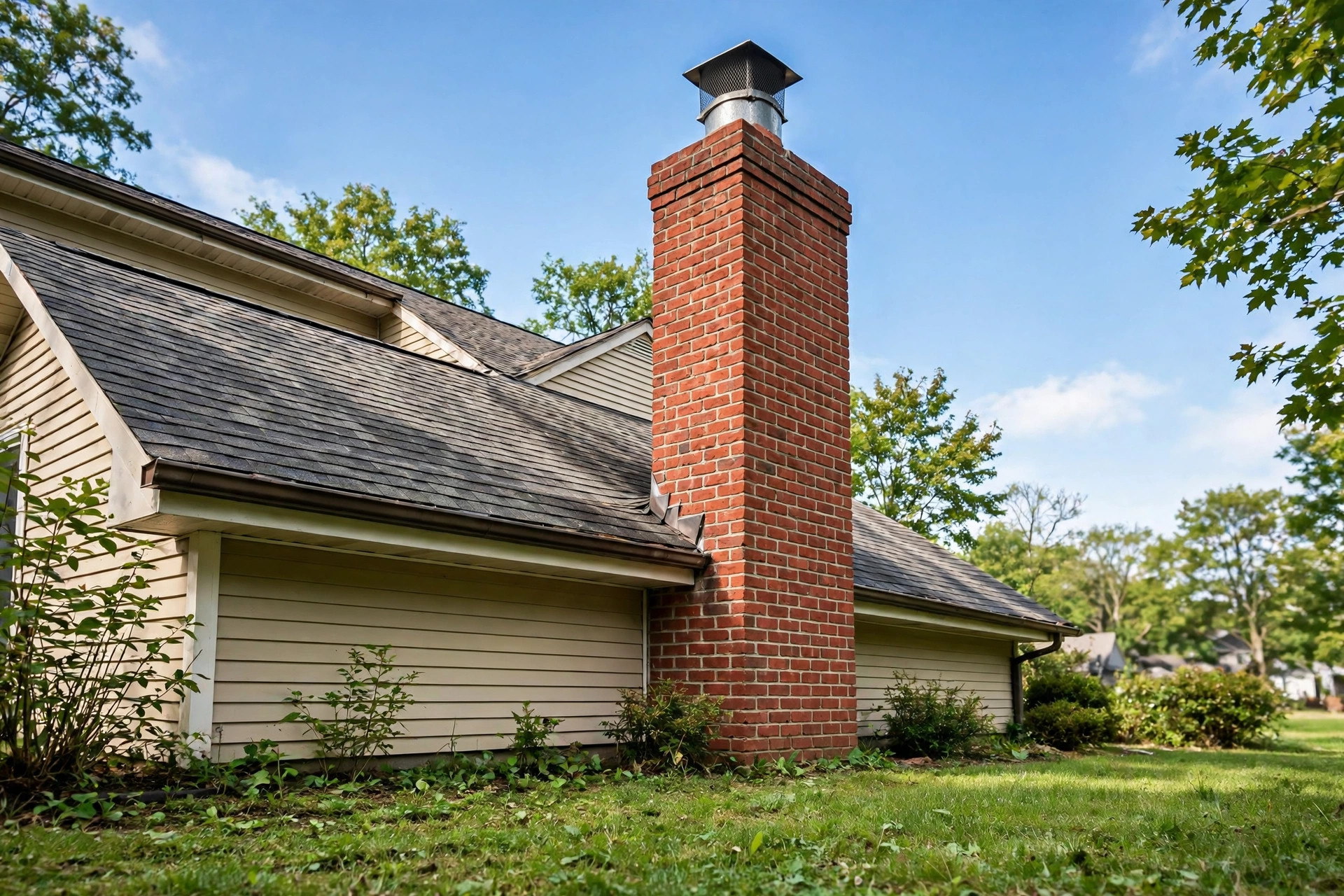

When winter draws near, many homeowners search for premium chimney inspection services near me. The phrase is common. The need behind it is real. A chimney that looks fine from the ground may hide cracks, blockages, or creosote buildup. An inspection finds these problems early. This guide explains what premium chimney inspection services near me really offer, what they cost, and how to choose the right company for your home.
Why a Chimney Inspection Matters
A chimney carries smoke, heat, and gases out of your home. It works hard every time you burn wood or light a gas fire. Over time, heat and moisture wear the lining. Creosote, a tar-like residue from wood smoke, builds up on the flue walls. Creosote is the main cause of chimney fires.
The Environmental Protection Agency offers guidance on clean wood burning and notes that residue buildup is a real hazard for homeowners who heat with wood (https://www.epa.gov). The National Fire Protection Association has long advised an annual chimney inspection for every household that uses a fireplace or stove (https://www.nfpa.org). These are not sales tactics. They are safety standards.
A premium inspection does more than a quick glance. The inspector looks at the crown, the cap, the flashing, the flue lining, the damper, and the firebox. Many companies now use a video camera on a long cable. The camera slides down the flue and shows every inch of the lining on a screen. You can watch along and see what the inspector sees. This matters because flue damage hides deep inside the chimney. You cannot spot it from the living room or the roof.
Early discovery saves money. A small crack in a clay liner may cost a few hundred dollars to repair. If you ignore it, the crack spreads. Heat and moisture then attack the brick and mortar around it. A full rebuild can run several thousand dollars. An inspection is cheap insurance against that path.
How to Choose Premium Chimney Inspection Services Near Me
Not every company that cleans chimneys offers a true premium inspection. Some offer a fast sweep and call it done. Others do a full written report with photos. You want the second kind. Here is how to find it.
First, look for certification. Ask whether the inspector is certified by a national body. Certification is not a guarantee of good work. But it shows the inspector studied flue systems, codes, and fire safety. Companies that invest in training tend to invest in their reports as well.
Second, ask what the inspection includes. A premium service should cover the inside and the outside of the chimney. It should include a look at the roof flashing, the chimney crown, and the cap. The company should tell you which inspection level you are getting. There are three levels, and the next section of this guide explains each one.
Third, ask for a written report. Verbal promises fade. A written report with photos gives you a record. You can show it to a second company if you want another quote. You can also show it to your home insurer. Some insurers ask for proof of inspection before they renew a policy on a home with a wood stove.
Fourth, read reviews. Look for comments about honesty. A good inspector tells you when your chimney is fine. A poor one finds expensive problems in every home. Reviews often reveal the pattern. The Spruce has a guide to chimney maintenance that helps homeowners know what a fair report looks like (https://www.thespruce.com).
Fifth, confirm insurance. The company should carry liability insurance. Workers climb on your roof. Accidents happen. If a worker is hurt and the company has no coverage, the risk can fall on you.
The Three Levels of Chimney Inspection
The industry uses three levels. Knowing them helps you buy the right service and avoid paying for more than you need.
Level 1. This is the basic check. The inspector looks at the parts that are easy to reach. This means the firebox, the damper, and the visible flue from the top and bottom. No tools and no cameras are needed. Level 1 suits a chimney that has had no changes and no known problems. Most annual checkups are Level 1. The National Fire Protection Association treats this level as the yearly standard (https://www.nfpa.org).
Level 2. This is a deeper look. It includes everything in Level 1, plus a video scan of the flue. The inspector also checks the attic, crawl space, and other hidden areas near the chimney. Level 2 is the right choice when you buy a home, when you change the fuel type, when the chimney has had a fire, or after a storm damages the roof. Real estate agents often ask for a Level 2 report before closing. This Old House explains common fireplace problems and why a deeper look pays off when anything has changed (https://www.thisoldhouse.com).
Level 3. This is the most thorough option. It includes everything in Level 2, plus the removal of parts of the chimney or wall to reach hidden areas. The inspector may open a section of wall behind the firebox. Level 3 is rare. It is used when a Level 2 scan finds a serious problem that cannot be fully seen any other way.
A premium company will tell you honestly which level fits your case. If your system has run fine for years with no changes, you probably need Level 1. If you just bought the house, Level 2 is the smart move.
What an Inspection Costs
Price depends on your area, the chimney height, and the level you choose. A basic Level 1 inspection with a sweep often costs between 100 and 250 dollars. A Level 2 inspection with a video scan often costs between 200 and 500 dollars. Level 3 work is priced by the job because it may involve opening walls.
Beware of prices that seem too low. A 39-dollar special may buy you ten minutes and a sales pitch. A premium service costs more because it takes time. A full Level 2 inspection can take one to two hours. The report may take another hour to write.
Ask what is included before you book. Some companies roll the sweep into the inspection price. Others charge for each task. Get the quote in writing. If the inspector finds repairs, ask for a separate quote. You are free to hire a different company for the repair work. A trustworthy inspector will not pressure you to decide on the spot.
You can save money between visits by burning only seasoned wood and keeping your chimney caps and covers in good shape. A good cap keeps rain and animals out. Rain breaks down mortar over time. Animals build nests that block the flue. Home Depot sells chimney caps in several sizes if you want to see common options (https://www.homedepot.com).
Care and Upkeep Between Inspections
An annual inspection is one part of chimney care. Your daily habits matter just as much.
Burn dry, seasoned wood. Fresh-cut wood holds a lot of water. It burns cool and makes more smoke. More smoke means more creosote. Seasoned wood has dried for six to twelve months. It burns hot and clean. Family Handyman walks through fireplace safety checks and the basics of good burning practice (https://www.familyhandyman.com).
Keep the damper working. The damper opens to let smoke out and closes to keep warm air in when the fire is cold. If it sticks, call a professional. A stuck damper can fill your room with smoke or waste heat all winter.
Watch for warning signs. White stains on the outside brick are called efflorescence. They show that water is moving through the masonry. Rust on the damper or firebox also points to moisture. A strong smoky smell in summer can mean creosote buildup or a blocked flue. Any of these signs call for a prompt inspection.
Store your firewood well. Wood should sit off the ground and stay dry. Good firewood storage racks keep the pile tidy and away from the house. Wet wood burns poorly and adds to creosote. Do not stack wood against the house siding. Keep the pile at least a few feet from any wall.
Check the chimney liners if your home is older. Liners wear out. Clay tile liners crack with age and heat cycles. A damaged liner lets heat and gases reach the wood frame of your house. That is a fire risk. An inspector can tell you how much life your liner has left. Napoleon, a long-time maker of fireplaces and stoves, publishes fireplace resources that explain how liners and venting work (https://www.napoleon.com).
Safety Notes for Every Homeowner
Chimney safety is not complex. A few habits protect your home.
Install smoke and carbon monoxide alarms on every floor. Test them each month. Replace batteries once a year. Carbon monoxide has no smell and no color. A blocked flue can push it into your living space.
Keep the area around the fireplace clear. Do not place rugs, paper, or furniture too close. Sparks can jump farther than you expect. A sturdy screen or glass door adds a layer of safety.
Never burn trash, cardboard, or treated wood in a fireplace. These fuels release harsh chemicals. They also burn too hot or too dirty for a home flue. Stick to plain, dry firewood or the fuel your appliance was built for.
Schedule the inspection before the heating season. Companies book up fast in the fall. A summer or early-fall visit gives you time to finish repairs before the first cold night. If your area had storms over the summer, check the chimney crown and flashing for damage. Heatilator‘s fireplace resources cover common seasonal issues for factory-built and masonry fireplaces (https://www.heatilator.com).
Teach children to stay away from the firebox. The glass on a gas fireplace stays hot long after the flame is off. A simple barrier screen keeps small hands at a safe distance. Lowe’s stocks chimney cleaning brushes and basic safety screens if you prefer to see products in person (https://www.lowes.com).
Frequently Asked Questions
How often should I have my chimney inspected? Once a year is the standard advice. The National Fire Protection Association recommends a yearly inspection for all chimneys, fireplaces, and vents (https://www.nfpa.org). If you burn wood often, stick to this schedule without fail. Light gas use still deserves a yearly look.
How long does a premium inspection take? A Level 1 inspection with a sweep takes about 45 minutes to an hour. A Level 2 inspection with a video scan takes one to two hours. The written report may arrive a day or two later. Ask about timing when you book so you can plan your day.
Do I need an inspection if I have a gas fireplace? Yes. Gas burns cleaner than wood, but it still produces moisture and exhaust. Vents can block. Connections can loosen. A yearly check keeps the system safe. It also protects your warranty. Many makers require proof of annual service.
What is the difference between an inspection and a sweep? An inspection looks for problems. A sweep removes soot and creosote. Many companies offer both in one visit. The sweep cleans the flue so the inspector can see the lining clearly. Ask whether the price you were quoted covers one task or both.
Can I inspect my own chimney? You can do a basic visual check with a flashlight. Look for cracks, rust, and blockages you can see. But you cannot judge the flue lining without a camera, and you cannot safely reach every part of the chimney. Leave the full job to a trained inspector.
What should I do if the inspector finds damage? Get the findings in writing with photos. Then get a second quote if the repair is costly. Compare the two reports. A good repair quote lists each task and its price. Do not let anyone start tearing into your chimney without a clear written plan.
A Short Final Word
Your chimney is easy to forget and hard to replace. A yearly inspection keeps it safe and sound. When you search for premium chimney inspection services near me, look past the ads. Check certification, ask about the inspection level, and demand a written report. A little care now prevents big bills later. Your home, your family, and your peace of mind are worth the hour it takes.
References
Family Handyman. (n.d.). DIY home repair and maintenance. https://www.familyhandyman.com Heatilator. (n.d.). Fireplaces and fireplace products. https://www.heatilator.com Lowe’s. (n.d.). Home improvement products. https://www.lowes.com Napoleon. (n.d.). Fireplaces, grills, and heating products. https://www.napoleon.com The Home Depot. (n.d.). Home improvement products. https://www.homedepot.com The Spruce. (n.d.). Home and garden advice. https://www.thespruce.com This Old House. (n.d.). Home renovation guidance. https://www.thisoldhouse.com U.S. Environmental Protection Agency. (n.d.). Protecting human health and the environment. https://www.epa.gov
Was this guide helpful?

About David Wilson
The My Garden US editorial team writes practical, in-depth home and garden guides for American homeowners — tested advice, no fluff.
You May Also Like
Ventless Fireplace Remote Controls for Sale: A Complete Buying Guide
February 26, 2026 0 views
Best Fireplace Mantel Shelves for Humid Climates
September 18, 2026 0 views
Childproof Fireplace Screens Price Comparison USA
September 18, 2026 0 views