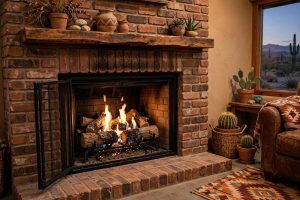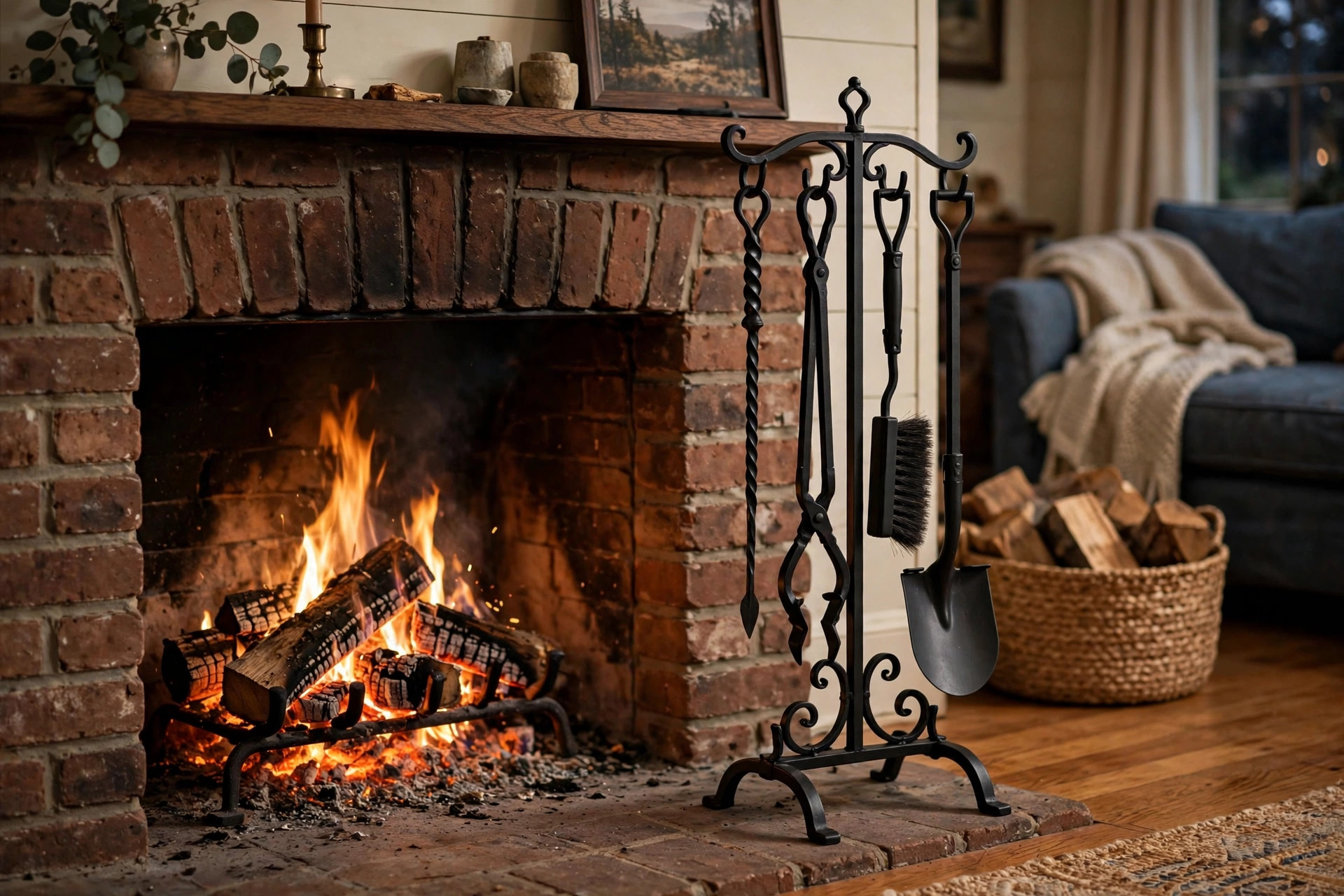

A first fireplace is a proud moment. It warms the room and draws the family together on cold nights. But a fire is not a toy. New owners soon learn that a good fire needs good tools. That is where premium fireplace tool sets for first time homeowners come in. The right set keeps your hands safe, your hearth clean, and your fire burning well. This guide explains what to buy, what to pay, and how to use it without trouble.
Why a Good Tool Set Matters to New Owners
Most first-time homeowners buy tools only after a problem. A log rolls out of the box. Ash piles up on the rug. The poker bends like a wire. Then they understand. A cheap set can fail at the worst moment. A premium set does not.
Good tools give you reach. You can move a burning log without leaning over the flames. You can stir the coals without burning your sleeve. You can lift ash out of the firebox with a steady hand. Each small job gets easier. The fire becomes a pleasure instead of a worry.
There is also the matter of safety. Hot ash, stray sparks, and logs that roll onto the rug are common causes of home fires. A sturdy set of tools helps you manage all three. The U.S. Consumer Product Safety Commission offers plain advice on home fire safety, and much of it comes down to small habits: keep the fire watched, keep the hearth clear, and keep the right tools close.
A good set also improves the room. A fireplace is the center of the living room. A rusted, leaning tool stand ruins the look. A solid, well-made set stands straight and finishes the hearth. Guests notice it. Buyers notice it too when you sell the home one day. A premium set is a small investment that pays back in daily use and in the look of the room.
New owners often ask whether they need a premium set at all. Plenty of affordable fireplace tool sets for sale will do the basic work. But a premium set lasts longer, holds its shape under heat, and feels balanced in the hand. Over ten winters, the better set costs less per year. It also looks better beside the hearth, and it breaks less often, which means fewer mid-winter trips to the store.
What to Look For in a Premium Set: Premium Fireplace Tool Sets for First Time Homeowners
Materials and Build
Metal matters most. The best sets use solid wrought iron or heavy-gauge steel. These metals resist heat and do not bend. Brass is also common on higher-end sets. It resists rust and shines well, but it costs more. Avoid hollow tubes and thin rods. Pick up a tool and feel its weight. It should feel solid, not flimsy. Weight is the honest sign of quality in fireplace tools.
Check the handles. Wood, leather, or heat-proof grips stay cool longer than bare metal. Longer handles are safer. A poker should reach at least 26 inches so your hand stays clear of the heat. Short tools force you to lean in, and that is how sleeves catch fire.
The stand should be heavy too. A light stand tips over when you hang a tool on it. A good stand weighs eight pounds or more and sits flat on the floor. Test it in the store if you can. Hang a tool on it and watch for wobble. Guides at The Spruce and This Old House both note the same rule: a stable stand is as important as the tools it holds.
Look at the joints. Welds should be smooth and even. Screws should be tight and set flush. Loose joints rattle and wear out. On a premium set, every connection feels firm. Check the brush head too. It should screw on tightly and not spin in your hand when you sweep.
The Five Basic Tools
A full set has five tools. Some sets add extras, but these five do the work.
The poker moves logs and breaks up hot coals. It should be straight, with a pointed end that slides under a log. Some pokers have a hook on the end for pulling logs toward you.
The tongs lift and place logs. They work like scissors with wide jaws. Good tongs grip a heavy log without slipping. The jaws should open wide enough for a thick split log.
The brush sweeps ash from the hearth. Its bristles should be stiff enough to move cold ash but soft enough not to scratch the floor. A narrow head reaches corners better than a wide one.
The shovel lifts ash into a bucket. A deep blade with a raised edge keeps ash from spilling. The blade should be flat enough to slide under ash on the firebox floor.
The stand holds all four tools upright. Some stands also hold a log holder. A good stand keeps the set tidy and within reach.
Some premium sets add a log holder or an ash bucket. These are useful extras. Others add decorative hooks or a brush box. Pay for tools, not decoration. A five-piece set with solid tools beats a seven-piece set with two useless extras.
Types of Fireplace Tool Sets
Shoppers will find three main styles.
Traditional sets are the classic choice. They hang five tools on a round or square stand. They suit wood-burning fireplaces and look right beside brick or stone. Most premium sets follow this style.
Modern sets use clean lines and simple shapes. They often come in matte black or brushed steel. They fit newer homes and contemporary hearths. The tools are the same, only the look changes.
Compact sets are smaller and lighter. They suit apartments, cabins, or small stoves. Their tools are shorter, so they need a smaller firebox. Check your firebox size before buying a compact set. Short tools near a deep firebox are unsafe.
There are also gas-fireplace sets. These are slimmer because gas logs need less handling. If your fireplace burns gas, a lighter set may be enough. But many gas owners still keep a full set for sweeping and safety. Even a gas fireplace makes dust and needs a clean hearth.
Wall-mounted sets hang from a bracket instead of standing on the floor. They save floor space in small rooms. They need a solid wall anchor. Renters should check with the landlord before drilling into masonry.
Manufacturers such as Napoleon and Heatilator sell tools matched to their fireplace lines. Matching tools and fireplace can give a tidy look. But any solid set works with any fireplace. The fire does not care about the brand.
Cost and Price Guide
Premium sets run from about 80 dollars to 250 dollars. Most good ones fall between 120 and 180 dollars. Below is a rough guide.
Entry-level sets cost 40 to 80 dollars. They work, but the metal is thin. Expect to replace them in a few years. New owners on a tight budget often start here, then upgrade.
Mid-range sets cost 80 to 150 dollars. This is the sweet spot for first-time owners. The metal is solid and the finish holds up. Most families will be happy here.
Premium sets cost 150 to 250 dollars. You get heavier metal, better handles, and finer detail. Some carry long warranties. Consumer Reports notes that in hearth goods, the warranty often tells the real story. A maker who offers five years believes in the product.
Designer sets cost over 250 dollars. They add hand forging or brass work. They suit owners who want the tools to be a showpiece. The function is the same as a 150-dollar set. You pay for craft and style.
Shop around. Home Depot and Lowe’s both carry fireplace tools in store, which lets you feel the weight before you buy. Online sellers often list lower prices but charge for shipping, since a heavy set costs real money to ship. Add the shipping cost before you compare.
Watch for sales in late summer. Stores clear hearth goods before the cold season. A premium set at 120 dollars in August may cost 170 dollars in November. If you buy a house in spring, buy the tools then and save.
Care and Upkeep
Metal tools need little care, but not none. Ash is mild but soot holds moisture. Wipe the tools with a dry cloth after heavy use. Once a month in the burning season, wipe them with a damp cloth and dry them at once. Never leave them wet. Water starts rust overnight.
Oil the tongs and hinges once a year. A drop of household oil keeps the pivot smooth. If rust appears, rub it off with fine steel wool and oil the spot. Do not paint over rust. Paint hides the problem and burns off with a bad smell.
The brush needs its own care. Shake out the bristles after each use. Replace the brush when the bristles bend flat. A worn brush scatters ash instead of sweeping it. Most makers sell replacement brushes that screw onto the old handle.
Clean the stand as well. Ash dust settles on it and dulls the finish. A damp cloth and a quick dry keep it looking new. Keep the stand away from direct heat. Constant high heat will ruin any finish over time.
Store the set near the fireplace but not where sparks can reach the handles. A few feet to the side is right. It should be close enough to grab in a hurry and far enough to stay cool.
If you also keep a hearth rug, a budget friendly fireplace hearth rug buying guide can help you pick one that catches stray embers and protects the floor from sparks and heat.
Safety Rules for First-Time Users
A fireplace is safe when it is managed. These rules protect new owners and their homes.
Keep tools within reach but away from small children. A poker left on the floor is a burn waiting to happen. Hang the tools on the stand after every use. Teach children that fireplace tools are never toys.
Use a screen or glass doors. Tools manage the fire, but a screen stops sparks. Never leave a fire without a screen in place. Sparks can fly farther than you think, and they land on rugs and chairs.
Clean ash before it piles up. One inch of ash is fine. More than that can smother the fire and push heat where it should not go. Use the shovel to move cool ash to a metal bucket. Never use a paper bag or a plastic bin. Hot coals can hide in ash for a full day.
Check the chimney. Soot builds up inside every chimney. The EPA’s Burn Wise program advises annual chimney cleaning for wood-burning fireplaces. A clean chimney draws better and catches fire less often. A chimney caps and covers reviews and buying guide explains how caps keep rain and animals out of the flue.
Let the fire burn down before bed. Never go to sleep with flames still dancing. Close the damper only when the fire is fully out and the ash is cold. A closed damper with a smoldering fire fills the room with smoke.
Keep a fire extinguisher nearby. A small ABC-rated extinguisher beside the fireplace costs little and saves much. Check its gauge once a year. Show every adult in the house how to use it.
Store firewood away from the house. Wood piles against a wall invite insects and hold moisture. Keep the pile covered and at least a few feet from the siding. Bring in only what you will burn that day. Do-it-yourself guides at Family Handyman offer plain advice on safe wood storage and hearth setup.
Frequently Asked Questions
How many tools do I really need?
Four, plus a stand. Poker, tongs, brush, and shovel cover every job. Sets with fewer tools leave you improvising. Sets with more add decoration, not function.
Is a premium set worth it for a gas fireplace?
Often yes, but a lighter one. Gas logs need little handling. You still need a brush, a shovel for dust, and a poker for peace of mind. A mid-range set is enough for most gas fireplaces.
What finish is best: black, bronze, or brass?
Matte black is the safest pick. It hides soot and suits most hearths. Bronze adds warmth. Brass looks grand but shows smudges. All three last if the metal under them is solid.
How long should a premium set last?
A well-made iron set lasts twenty years or more. Handles may need new wood grips after a decade. Cheap sets often fail in three to five years. Weight and welds are the best signs of a long life.
Can I use the same tools for a fire pit?
You can, but outdoor sets last longer. Fire pits expose tools to rain and rust. Many owners keep one set indoors and a simpler one by the pit. Do not carry hot tools across the yard in the dark.
Where should I store the tools?
On the stand, beside the fireplace, within arm’s reach. Do not store them across the room. When a log rolls, you need the poker in seconds. Keep the stand upright and the tools hung in the same spots so you can find them by feel in dim light.
A Final Word
Buying premium fireplace tool sets for first time homeowners is a small decision with a long life. Spend a little more now. Choose solid metal and a heavy stand. Learn the safety rules. Clean the ash, mind the sparks, and respect the chimney. Then enjoy the fire. A warm room, a safe house, and tools that serve for twenty years — that is money well spent.
References
Consumer Reports. (n.d.). Product reviews and ratings. https://www.consumerreports.org Family Handyman. (n.d.). DIY home repair and maintenance. https://www.familyhandyman.com Heatilator. (n.d.). Fireplaces and fireplace products. https://www.heatilator.com Lowe’s. (n.d.). Home improvement products. https://www.lowes.com Napoleon. (n.d.). Fireplaces, grills, and heating products. https://www.napoleon.com The Home Depot. (n.d.). Home improvement products. https://www.homedepot.com The Spruce. (n.d.). Home and garden advice. https://www.thespruce.com This Old House. (n.d.). Home renovation guidance. https://www.thisoldhouse.com U.S. Consumer Product Safety Commission. (n.d.). Product safety information. https://www.cpsc.gov U.S. Environmental Protection Agency. (n.d.). Protecting human health and the environment. https://www.epa.gov
Was this guide helpful?

About Sarah Mitchell
The My Garden US editorial team writes practical, in-depth home and garden guides for American homeowners — tested advice, no fluff.
You May Also Like
Ventless Vented Gas Log Sets with Free Shipping: A Complete Buyer’s Guide
May 8, 2026 0 views
Top Rated Outdoor Patio Heaters Buying Guide
February 5, 2026 0 views
Affordable Fireplace Hearth Rugs for Sale: What to Know Before You Buy
March 31, 2026 0 views