
A fresh wall can change a dining room in a single day. Paint is fine. But wallpaper adds pattern, texture, and depth that paint alone cannot match. If you type the phrase wallpaper installer near me for dining rooms into a search box, you will see many names. Some are good. Some are not. This guide will help you tell the difference.
Your dining room matters more than most rooms in the house. Guests see it. Your family gathers there for meals, holidays, and long talks over coffee. The walls set the mood for all of it. A poor install shows every flaw. Seams lift. Patterns do not line up. Bubbles form under the surface. A skilled installer avoids all of this.
This plain guide covers why hiring a pro matters, what to look for, the main wallpaper types, what the job costs, aftercare, and safety. It ends with answers to common questions.
Why a Dining Room Deserves Good Wallpaper
The dining room is a room of ritual. Thanksgiving dinners. Birthday cakes. Sunday suppers with the people you love. The space should feel warm and finished. Wallpaper gives it that finish in a way flat paint often cannot.
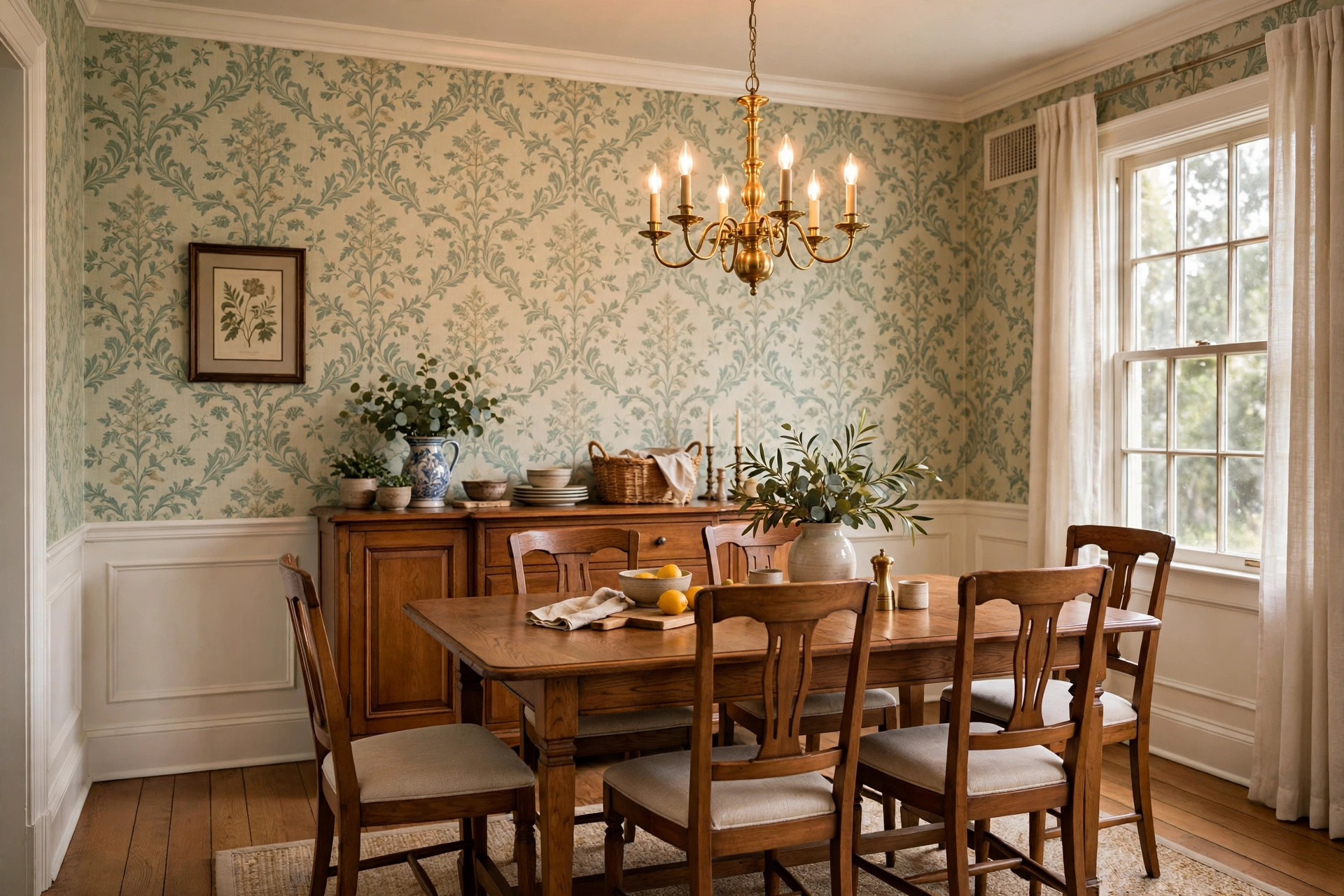
Pattern brings life to bare walls. A soft stripe can make a small dining room feel taller. A rich damask can make a large room feel close and calm. Texture adds depth. Grasscloth catches the light from a chandelier and changes as the evening goes on. These are small effects, but they add up to a room that feels special.
Wallpaper also hides minor flaws. Older homes have walls with small cracks, patches, and uneven spots. A busy pattern masks them better than flat paint. This does not excuse poor wall prep. A good installer will still fix the wall first. But wallpaper is forgiving in a way paint is not.
There is also the matter of durability. Dining rooms take wear. Chairs bump the walls. Serving dishes pass close. Good wallpaper with a proper paste holds up for years. Cheap work peels at the corners within months.
What to Look for When You Hire: Wallpaper Installer near Me for Dining Rooms
Finding a wallpaper installer near me for dining rooms is easy. Finding the right one takes a bit of work. Start with experience. Ask how many years the installer has hung paper, not just painted walls. Painting and wallpapering are different skills. A person who does both may be fine, but a specialist is often better.
Ask for photos of past work. Look at the seams. In a good job, you should barely see them. Look at the corners. They should be tight and clean. Look at the outlets and switches. The paper should wrap neatly around them with no gaps. If the installer has no photos, that is a warning sign.
Read reviews, but read them with care. One bad review among fifty good ones means little. Look for patterns. Do multiple people mention that the installer was late? Do several note that the cleanup was poor? A few detailed reviews beat a pile of one-line stars. Sites like Houzz and Consumer Reports can help you judge quality and find trusted local pros.
Ask for a written estimate. A serious installer will visit your dining room, measure the walls, note the outlets and trim, and give you a price in writing. A price given over the phone without seeing the room is a guess. It may double on the day of the job.
Ask about insurance and references. Any installer who works in your home should carry liability insurance. Ask for two or three past customers you can call. Most good installers are happy to share names. If someone refuses, move on.
Finally, trust your sense of the person. You will have this worker in your home for a day or more. A good installer listens, answers questions plainly, and treats your home with respect. A rushed or rude attitude during the estimate rarely improves on the job.
Types of Wallpaper a Skilled Installer Handles
Not all wallpaper is the same. A good installer works with many kinds and can tell you which fits your dining room best. Here are the main types.
Traditional Unpasted Paper
This is the classic kind. The installer applies paste to the back of the paper, lets it rest, then hangs it on the wall. It takes skill. The paper can tear when wet. Patterns must be matched by hand. But it offers the widest range of designs, from fine silks to bold prints. Many high-end dining rooms use this type.
Prepasted Paper
This paper comes with dried paste on the back. The installer wets it in a tray and hangs it. It is easier to handle than unpasted paper, but it still needs care. The seams must be rolled flat before the paste sets. This type suits most standard dining rooms and costs less to install.
Peel and Stick
This type has no paste at all. It sticks to the wall like a large decal. It is popular with renters and with people who change their minds often. It goes up fast and comes down clean. The catch is that it shows every bump on the wall, and long walls can be hard to keep straight. If you are weighing this option, read up on removable wallpaper for renters reviews usa to see how it holds up in real homes.
Grasscloth and Natural Fibers
Grasscloth is made from real plant fibers woven into a sheet. It gives a dining room a rich, organic texture that no print can copy. It is also the hardest to hang well. The panels must be cut from the same batch or the color will shift. Seams are visible by nature, so the installer must place them with care. For this work, look for a specialist in grasscloth wallpaper installation near me rather than a general handyman.
Murals
A mural is one large image printed across several panels. It can show a forest, a city skyline, or an abstract design. Murals make a strong statement in a dining room. They are hard to install because the panels must line up exactly to form the picture. One crooked panel ruins the whole scene. Hire someone who has hung murals before.
Your installer should be able to show you samples and explain which type suits your walls. Paint stores and wallpaper makers publish helpful guidance on choosing finishes. The color tools at Sherwin-Williams, Behr, and Benjamin Moore can help you match wallpaper to the rest of your home.
Cost and Price: What a Dining Room Job Runs
Cost is the question every homeowner asks first. The honest answer is that it depends on several things: the size of the room, the type of wallpaper, the state of your walls, and where you live.
Most installers charge by the roll or by the square foot. A common range in the United States is 3 to 7 dollars per square foot for labor alone, with the paper itself extra. A dining room of average size, about 12 by 14 feet with 8-foot ceilings, has roughly 400 square feet of wall after you subtract doors and windows. At 5 dollars a foot, labor runs about 2,000 dollars. The wallpaper might add 300 to 1,500 dollars depending on the brand.
Wall prep can add cost. If your dining room has old wallpaper, it must come off first. If the walls have cracks or holes, they need patching and sanding. Some installers include basic prep in the price. Others charge extra. Ask before the job starts. To plan ahead, check a wallpaper removal service price comparison usa so you know what the prep work may cost.
Grasscloth and murals cost more to hang because they take more time and skill. Peel and stick costs less because the job is faster. Complex rooms with lots of trim, wainscoting, or built-in shelves also cost more. Every cut around a corner or a shelf takes time.
Get at least three written estimates. They should list labor, materials, prep work, and the time the job will take. Be wary of a bid that is far below the others. It may mean the installer plans to rush, skip prep, or add charges later. The cheapest bid is rarely the best value. Advice on comparing home project bids appears regularly on Bob Vila and This Old House, which both cover what a fair quote should include.
Care and Upkeep After the Job
Once the wallpaper is up, care is simple. Keep the room at a normal temperature for the first day or two while the paste dries. Do not open windows wide on a damp day. Let the adhesive set.
For daily cleaning, most modern wallpaper can be wiped with a soft, damp cloth. Wipe gently. Do not scrub. Scrubbing can wear the print or fray the fibers of grasscloth. Check the maker label for cleaning codes. Vinyl-coated papers handle moisture well. Uncoated papers and natural fibers do not. Keep them dry.
Watch the seams in the first few weeks. If an edge starts to lift, call the installer back. Most good installers will fix small issues at no charge within the first month.
Keep sunlight in mind. Strong sun fades wallpaper over time, just as it fades paint and fabric. If your dining room has large windows, consider sheer curtains. Ideas for window treatments and sun protection appear on The Spruce and HGTV.
With basic care, a good wallpaper job lasts 10 to 15 years. That is far longer than most paint jobs. It makes the upfront cost easier to accept.
Safety in a Dining Room Project
Wallpaper work is not dangerous, but a few safety points are worth noting. Old homes may have lead paint under old wallpaper. If your house was built before 1978, the dust from removal can be harmful. A pro will test for lead and follow safe work rules. Do not scrape old layers yourself without knowing what is under them.
Paste and primer give off mild fumes. Keep the room aired while the work goes on. If anyone in the home has breathing trouble or allergies, ask the installer to use low-odor products. Most modern pastes are mild, but it is worth asking.
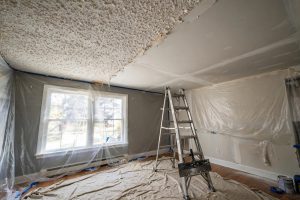
Furniture is another concern. A dining room has a heavy table, a sideboard, and chairs. Move what you can before the installer arrives. Ask if the bid includes moving large pieces. A good crew will cover the floor and the furniture that stays. Check that the floor cover is taped down so no one trips.
Ladders deserve respect. Installers work on ladders and scaffolds to reach the tops of walls. Keep children and pets out of the room during the job. It keeps everyone safe and lets the installer work without stops and starts.
FAQ
How long does it take to wallpaper a dining room?
A standard dining room takes one to two days. Day one is prep and the first walls. Day two is the rest, plus trim work. Grasscloth and murals can take longer. A good installer will give you a clear schedule before the job starts.
Should I remove old wallpaper myself to save money?
You can, but be careful. Stripping old paper is hard work, and rushed removal can gouge the drywall. Damaged walls cost more to fix than the stripping saved. If the old paper is firmly stuck, let the installer handle it. They have steamers and tools that make the job clean.
Can wallpaper go over painted walls?
Yes, if the paint is in good shape. The walls must be clean, smooth, and free of grease. Dining rooms near kitchens can have a film of cooking grease on the walls. The installer should wash the walls and apply a primer made for wallpaper. Skipping this step leads to peeling.
What if my walls are not straight?
Few walls are perfectly straight, especially in older homes. A skilled installer knows how to work with crooked corners and bowed walls. They plumb each strip so the pattern stays level even when the wall is not. This is one reason to hire a pro instead of doing it yourself. Straight seams on crooked walls take real skill.
How do I pick a pattern for a dining room?
Think about the mood you want. Small patterns feel calm and work in any size room. Large patterns make a bold statement but can crowd a small space. Hold samples on the wall and look at them in daylight and at night under your dining lights. A sample that looks fine at noon may look too dark at dinner. Live with the samples for a few days before you decide.
Is wallpaper a good choice if I plan to sell my home?
It can be. A tasteful, well-hung paper in a dining room can help a home stand out to buyers. Very bold or personal patterns can turn some buyers off. If a sale is near, choose a classic, neutral design. Design trend coverage on Apartment Therapy shows which looks buyers tend to like.
A Final Word
A dining room is where a home shows its heart. The right wallpaper, hung by the right hands, turns a plain room into a place people remember. Take your time choosing both the paper and the person who hangs it.
Start with a clear search. When you look for a wallpaper installer near me for dining rooms, check experience, photos, reviews, and written bids. Ask about the types of paper they know. Talk through the cost in plain terms. Then step back and let them work. The result will greet you every evening when you sit down to eat. Good walls make good meals better. That is a fair return on a careful choice.
References
Apartment Therapy. (n.d.). Home design ideas and inspiration. https://www.apartmenttherapy.com Behr. (n.d.). Paints, primers, and stains. https://www.behr.com Benjamin Moore. (n.d.). Paints and stains. https://www.benjaminmoore.com Bob Vila. (n.d.). Home improvement advice. https://www.bobvila.com Consumer Reports. (n.d.). Product reviews and ratings. https://www.consumerreports.org HGTV. (n.d.). Home and garden ideas. https://www.hgtv.com Houzz. (n.d.). Home design and remodeling. https://www.houzz.com Sherwin-Williams. (n.d.). Paints and coatings. https://www.sherwin-williams.com The Spruce. (n.d.). Home and garden advice. https://www.thespruce.com This Old House. (n.d.). Home renovation guidance. https://www.thisoldhouse.com
Was this guide helpful?

About James Carter
The My Garden US editorial team writes practical, in-depth home and garden guides for American homeowners — tested advice, no fluff.
You May Also Like

Pool Deck Paint Reviews for Hot Climates
January 19, 2026 0 views
Garage Wall Paint Ideas for Workshops USA: Colors That Work Hard
April 26, 2026 0 views
Painting Brick in Cold Climates: Pros and Cons
August 4, 2026 0 views