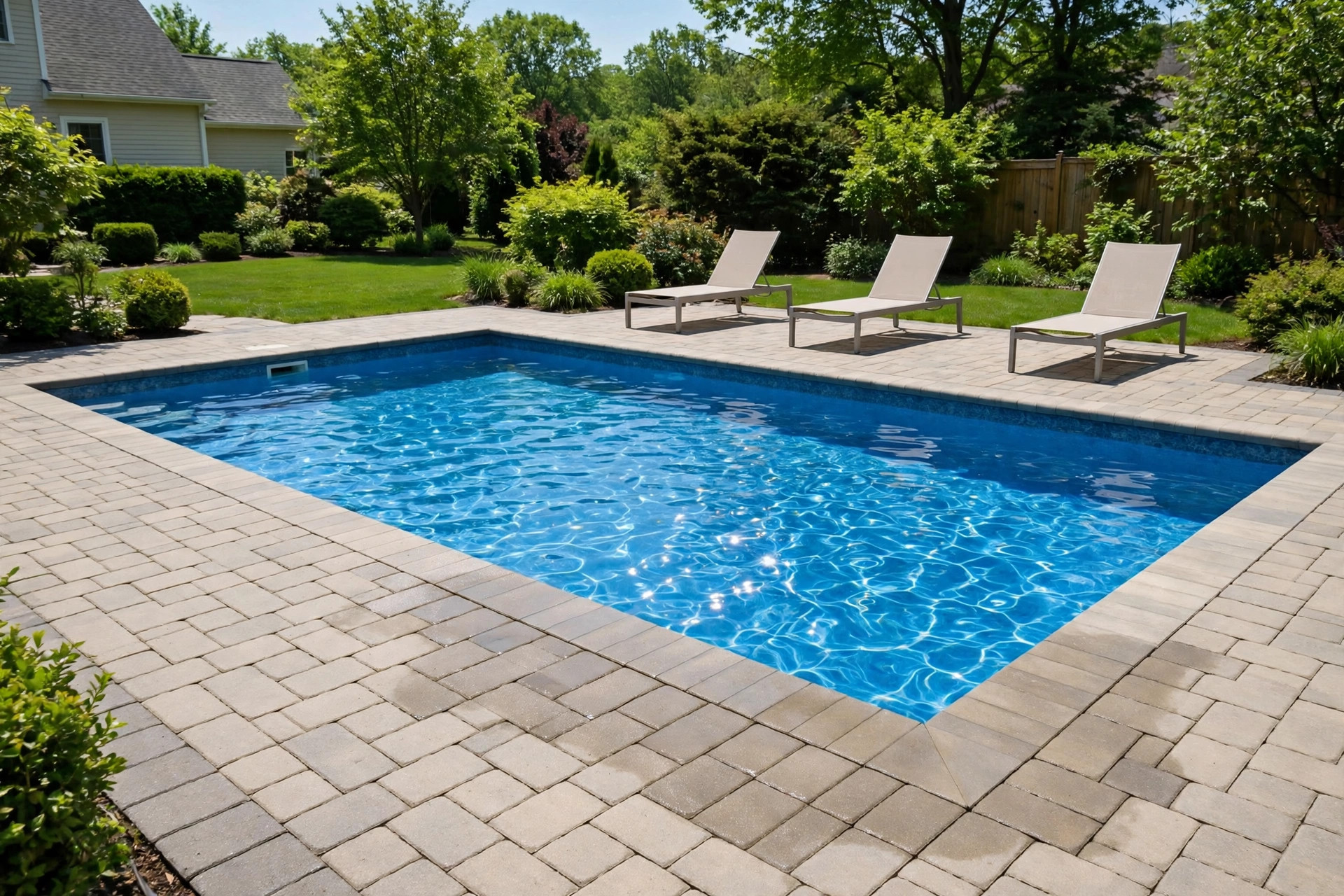

A pool deck sees more wear than almost any other part of the yard. Wet feet cross it all day. Pool water splashes onto it. Leaves, pollen, and sunscreen settle into the surface. If you have ever wondered how to clean pool deck pavers without harming them, the answer is simpler than most people expect. With plain tools and mild cleaners, most decks come back to life in a single afternoon.
Pavers are a good choice around pools. They stay cooler than solid concrete. They drain well. And when one paver cracks, you can lift it out and set a new one in its place. But their textured surface holds dirt. Joints between pavers fill with sand that traps grime. A regular cleaning routine keeps the deck safe under bare feet and keeps the yard looking its best.
Why a Clean Pool Deck Matters
A dirty deck is more than an eyesore. Algae and mildew turn damp pavers slick, and a slip near the pool edge can cause real injury. Keeping the surface free of slime is a plain act of care for family and guests.
Cleanliness also protects your investment. Stains left for years can become permanent. Rust, dried sunscreen, and leaf tannins dig deeper over time. Regular paver pool deck maintenance washes them out before they set.
There is also the water itself to think about. Harsh runoff from deck cleaning can wash into the pool and upset the water balance. Chlorine, pH, and alkalinity all shift when chemical cleaners drain into the water. Guides at Swim University explain how outside chemicals reach pool water in ways owners do not expect. That is why this guide favors gentle methods. What you use on the deck should be safe for the swimmers too.
Know Your Pavers Before You Start: How to Clean Pool Deck Pavers
Not all pavers are the same. The cleaning method depends on what your deck is made of.
Concrete pavers are the most common. They are dense, tough, and forgiving. Most cleaners work well on them. Brick pavers are softer and can chip if you scrub too hard or hold a pressure washer too close. Natural stone pavers, such as travertine or limestone, need the most care. Acids and bleach-based cleaners can etch the surface and leave dull marks that never come out.
Sealed versus unsealed matters too. On a sealed deck, water beads up. On an unsealed deck, it sinks in and drags stains with it, so use milder cleaners. You can find paver sealers and finishes at Pool Warehouse.
Before you clean the whole deck, test your cleaner on a small hidden spot. Wait a day. Check for color change. This one habit prevents more damage than any product choice.
What You Will Need
Most of what you need is already in a home garage. Cleaning pavers around the pool takes basic tools, not special gear.
Tools
– A stiff deck brush or push broom with synthetic bristles – A garden hose with a spray nozzle – A bucket – A shop vacuum or leaf blower for loose debris – A plastic putty knife for scraping gum or stuck-on matter – Protective gloves and safety glasses
Cleaners
– Dish soap or a mild all-purpose cleaner – White vinegar diluted in water for light mineral spots – Baking soda for gentle scrubbing of mild stains – A paver-specific cleaner for heavy stains, chosen to suit your paver type – Plain water for rinsing, and lots of it
Oxygen bleach, the powdered kind sold for laundry, is a useful middle ground. Mixed with warm water, it lifts organic stains like algae and leaf marks without the harshness of chlorine bleach. It breaks down into water and oxygen. The Environmental Protection Agency treats oxygen-based cleaners as far gentler on the surrounding yard than strong chemical strippers.
Step-by-Step: How to Clean Pool Deck Pavers
Work in sections. A deck done in squares of ten or twelve feet stays manageable. Finish one area before the next.
Step 1: Clear the deck. Move furniture, planters, toys, and the grill. Sweep or blow off every leaf and twig. Loose grit turns into paste under a brush.
Step 2: Wet the pavers. Hose down the section. Water softens dried dirt and keeps cleaners from soaking in too fast. It also protects nearby plants from splashes of cleaning solution.
Step 3: Apply mild soap. Mix a few squirts of dish soap in a bucket of warm water. Mop or brush the solution across the wet pavers. Work it into the surface with the deck brush, using firm strokes along the joints.
Step 4: Scrub the joints. The gaps between pavers hold the most grime. Push the brush bristles down into the joints. If sand washes out, you can add fresh polymeric sand later. For now, the goal is clean joints.
Step 5: Rinse well. Hose the section until the water runs clear. Soap left behind attracts new dirt and makes the deck slippery. Rinse twice if you are unsure.
Step 6: Spot-treat stains. Mix oxygen bleach in warm water per the package directions. Pour it on stained spots and let it sit for ten to fifteen minutes. Scrub, then rinse. For light mineral haze, try a mix of one part white vinegar to three parts water. Do not use vinegar on natural stone.
Step 7: Let it dry and inspect. A wet paver hides stains. Let the section dry fully, then look at it in daylight. Repeat spot treatment on anything that remains.
This basic method solves most pool deck cleaning jobs. A full deck may take two or three hours. It is honest work, but the result shows.
Types of Stains and How to Treat Them
Different marks need different answers. Here is how to handle the common ones.
Green and Black Algae
Algae loves shade and damp. It shows as green film or black spots in joints. Scrub with the oxygen bleach mix. For stubborn black spots, let the solution sit a full twenty minutes before scrubbing. Cut back overhanging plants to let sun reach the deck. Sunlight is a free algae fighter.
White Chalky Film
That pale crust is efflorescence, mineral salts rising through concrete pavers. It often fades on its own with weather and rinsing. For a faster fix, use the diluted vinegar wash on concrete pavers only. Never use acid washes on natural stone.
Rust Marks
Metal chairs and umbrellas leave orange rings. A rust remover made for masonry works best. These products use mild acids, so keep them off the pool coping edge and rinse toward the lawn, not the water. Wear gloves.
Grease and Sunscreen
Food spills and sunscreen melt into warm pavers. Dish soap and hot water handle fresh spots. For old ones, make a paste of baking soda and water. Spread it thick, cover with a damp cloth, and wait an hour. Scrub and rinse.
Leaf Stains
Oak and maple leaves leave brown ghost marks. Oxygen bleach is the answer again. Clean leaves off the deck often in fall so new stains never form. A good pool vacuum for leaves keeps the water clear while your broom keeps the deck clear.
Pressure Washers: Use With Care
A pressure washer can clean a deck fast. It can also ruin one faster. The force of the spray digs out joint sand, chips brick edges, and strips sealant. On natural stone it can carve shallow lines into the surface.
If you use one, follow these rules. Keep the pressure under 2,000 PSI for concrete pavers, and lower for brick or stone. Use a wide fan tip, never a pinpoint jet. Hold the wand at least twelve inches from the surface. Sweep the spray along the joints, not straight down into them. Test on a corner first.
A hose and brush do a fine job for most owners. The pressure washer is a time saver, not a must. Home Depot and Lowe’s rent washers by the day.
Sealing the Pavers After Cleaning
Cleaning is the first half of the job. Sealing is the second. A sealer coats the paver with a thin shield that blocks stains, slows algae, and makes the next cleaning easier. It also deepens the color of the stone.
Wait two or three dry days after cleaning. The pavers must be fully dry. Apply sealer with a pump sprayer or roller in thin, even coats. Do not over-apply. Pooled sealer turns cloudy.
Pick a sealer made for pool decks. It should be slip-resistant and safe for wet feet. Some sealers add a slight sheen. Others are invisible. Both protect the same way. Reapply every two to three years, or when water stops beading on the surface.
Cost of Cleaning: DIY vs. Hiring Help
Doing it yourself costs little. A deck brush runs ten to twenty dollars. A bag of oxygen bleach runs under fifteen. Vinegar, soap, and baking soda are pantry items. If you rent a pressure washer for the day, add forty to seventy dollars.
Hiring a professional runs about one to three dollars per square foot in most parts of the country. A 500-square-foot deck might cost 500 to 1,500 dollars. Pros bring commercial washers and sealers. They finish in hours. For a deck with deep stains or years of neglect, a pro can be worth the price.
Either way, the real savings come from routine care. A deck cleaned each season never needs the hard rescue job. It stays ready when you open the pool for the summer season.
Safety Rules Around the Pool Deck
Safety comes first whenever you work near water. The Consumer Product Safety Commission reminds owners that pool areas need constant care.
– Keep children and pets away from the work area until the deck is rinsed and dry. – Never mix cleaners. Bleach plus vinegar makes dangerous fumes. Use one product at a time. – Wear gloves and eye protection when using anything stronger than soap. – Keep electrical tools, like washers, on dry ground with proper outlets. Water and power do not mix. – Direct rinse water away from the pool when you can. Heavy cleaner runoff upsets water chemistry and raises the chlorine demand.
Work in the morning or late afternoon. Midday heat dries cleaners on the surface before they finish working. Drink water and take breaks.
Care and Upkeep Through the Seasons
One deep cleaning a year is the minimum. Most decks do better with a lighter touch each season.
Spring: Do the full cleaning before swim season starts. Check for cracked or sunken pavers and reset them. Most owners open the pool for the summer season at the same time.
Summer: Sweep weekly. Hose off sunscreen and food spills the same day they happen. Watch for algae in shaded corners after rain.
Fall: Keep leaves off the deck. Wet leaves stain fast. Before you put on a winter pool cover, give the deck one more scrub so it rests clean through the cold months.
Winter: In cold climates, do not use rock salt on pavers. Salt can damage the surface and joints. Use sand for traction if the deck ices over.
A weekly five-minute sweep is the single best habit. It keeps grit from grinding into the surface underfoot. The deck lasts longer. The cleaning stays easy.
Frequently Asked Questions
Can I use bleach on pool deck pavers? Chlorine bleach will kill algae, but it is harsh. It can fade colored pavers and harm plants at the deck edge. Runoff into the pool also throws off water chemistry. Oxygen bleach is a safer choice for most jobs.
Will a pressure washer damage my pavers? It can if used wrong. High pressure strips joint sand and sealant. It can chip brick and etch stone. Use low pressure, a fan tip, and keep the wand moving. When in doubt, stick to a brush and hose.
How do I remove black spots from paver joints? Those spots are usually algae or mildew rooted in the joint sand. Scrub with an oxygen bleach solution and let it soak twenty minutes. In bad cases, dig out the top half inch of old sand and brush in fresh sand after cleaning.
Why does my deck turn green again so fast? Shade, damp, and poor air flow feed algae. Trim bushes back from the deck. Fix any spots where water pools after rain. A sealer with an anti-algae additive helps too.
Is vinegar safe for all pavers? No. Vinegar is an acid. It is fine in weak mixes on concrete pavers, but it can etch travertine, limestone, and marble. If you have natural stone, skip vinegar and use a stone-safe cleaner.
How often should I seal my pool deck? Every two to three years for most sealers. The test is simple. Splash water on the deck. If it beads up, the sealer still works. If it soaks in dark, it is time to reseal.
A Final Word
Learning how to clean pool deck pavers is a skill that pays back every summer. The job needs no special talent. It needs a brush, mild soap, patience, and a little knowledge of what your pavers can take. Work in sections. Treat stains early. Seal when done. Your deck will stay bright, safe, and ready for bare feet for years.
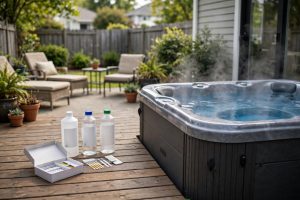
Hot tub owners face the same battle with wet surfaces, and guides at Hot Spring cover deck care around spas. The Spruce keeps a broad library of outdoor cleaning advice, and the Family Handyman archives cover home projects of every kind. Keep the deck clean, and the pool stays the pleasant place it was meant to be.
References
Family Handyman. (n.d.). DIY home repair and maintenance. https://www.familyhandyman.com Hot Spring Spas. (n.d.). Hot tubs and spas. https://www.hotspring.com Leslie’s Pool Supplies. (n.d.). Pool supplies and equipment. https://www.lesliespool.com Lowe’s. (n.d.). Home improvement products. https://www.lowes.com Pool Warehouse. (n.d.). Pool equipment and supplies. https://www.poolwarehouse.com Swim University. (n.d.). Pool and hot tub care guides. https://www.swimuniversity.com The Home Depot. (n.d.). Home improvement products. https://www.homedepot.com The Spruce. (n.d.). Home and garden advice. https://www.thespruce.com U.S. Consumer Product Safety Commission. (n.d.). Product safety information. https://www.cpsc.gov U.S. Environmental Protection Agency. (n.d.). Protecting human health and the environment. https://www.epa.gov
Was this guide helpful?

About James Carter
The My Garden US editorial team writes practical, in-depth home and garden guides for American homeowners — tested advice, no fluff.
You May Also Like
Best Pool Ladder for Above Ground Pools: How to Choose the Right One
April 16, 2026 0 views
Best Pool Heater for Inground Pools: A Complete Buyer Guide
July 2, 2026 0 views
Finding the Best Hot Tub for Hydrotherapy Benefits
January 18, 2026 0 views