
When a family turns on the kitchen tap, clean water should come out. In many homes across the United States, that is not always the case. Water can taste of chlorine. It can carry rust from old pipes. It can hold small amounts of lead, sediment, or other things no one wants to drink. A filter placed under the sink solves this problem at the source. It cleans the water before it reaches the glass. And today, under sink filters USA online deals make these systems easier to buy than ever before. Prices are fair. Shipping is fast. Choice is wide. This guide explains what under sink filters do, how to pick one, what they cost, and how to find real bargains on the web without falling for empty promises.
Why Under Sink Filters Matter in American Homes
Tap water in the United States must meet federal rules. But rules allow small amounts of many substances. Old homes can have lead pipes or solder. Wells can carry iron, manganese, or bacteria. City water often holds chlorine or chloramine, added to kill germs. These additions keep water safe, but they leave taste and smell behind. Some homes also face hard water, which leaves spots on glasses and scale in kettles.
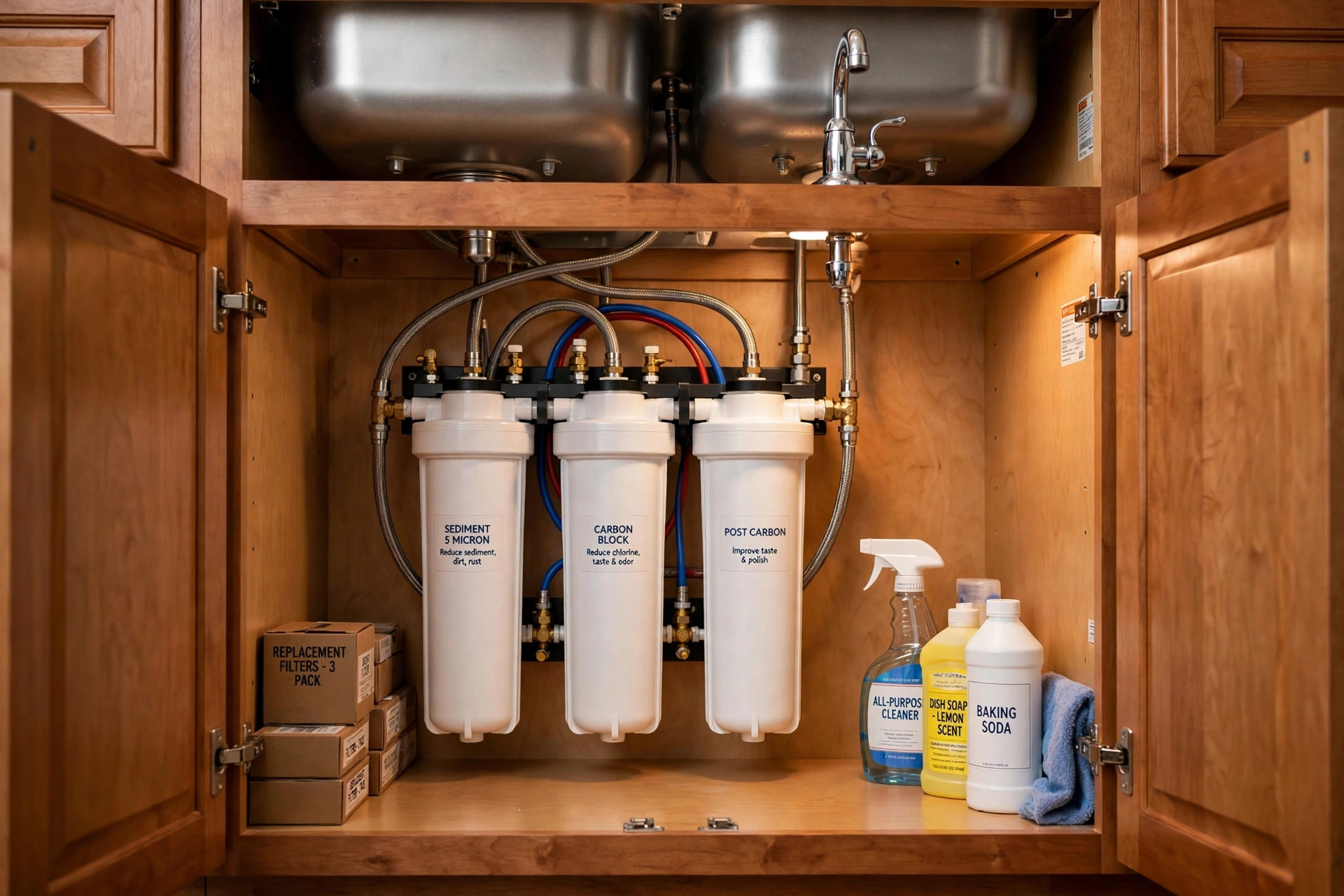
An under sink filter sits in the cabinet below the kitchen sink. It connects to the cold water line. Water passes through one or more cartridges before it reaches a dedicated faucet or the main tap. The filter removes or reduces unwanted things. The result is water that tastes clean and smells fresh. For cooking, the gain is clear. Rice, coffee, tea, and soup all taste better when the water is clean. For health, the gain is peace of mind. A certified filter cuts down lead, mercury, cysts, and many chemicals. That matters for children, for older people, and for anyone who drinks a lot of tap water.
Bottled water is the common alternative. But bottled water costs much more over a year. It also creates plastic waste. An under sink system costs less per gallon and wastes nothing. That is why so many buyers now search for under sink filters USA online deals. They want the same clean water at a price a family budget can accept.
How Under Sink Filters Work: Under Sink Filters Usa Online Deals
Most under sink systems use one of three methods, or a mix of them.
Carbon filtration is the most common. A block or granule of activated carbon traps chlorine, bad taste, odor, and many organic chemicals. It is simple and cheap to replace. Most basic systems use carbon alone.
Reverse osmosis, often called RO, pushes water through a very fine membrane. The membrane blocks most dissolved solids: lead, fluoride, arsenic, nitrates, and many salts. RO gives very pure water, but it uses more water and works more slowly. Many RO systems add a storage tank under the sink to hold clean water ready for use.
A multi-stage system mixes methods. It may start with a sediment pre-filter to catch rust and sand, then move to carbon, then finish with a finer block. Multi-stage units handle a wide range of problems. They cost more than single-stage units, but they need cartridge changes less often.
Some filters also add minerals back or keep helpful ones. Others aim at one problem, like lead or hard water. The right method depends on what is in your water. A home on a city supply may need only carbon. A home on a well may need more.
What to Look For When You Shop
Certification
Look for certification marks from NSF International or the Water Quality Association. NSF/ANSI 42 covers taste and odor. NSF/ANSI 53 covers health effects, like lead and cysts. NSF/ANSI 58 covers reverse osmosis systems. A certified filter has been tested by an outside lab. That test is worth more than any sales claim. If you compare under sink filters USA online deals, give certified models first place. Uncertified bargains can be poor filters in a nice box.
Capacity and Flow
Check how many gallons a cartridge treats before it needs a change. A range of 500 to 1,000 gallons is common. Also check the flow rate, measured in gallons per minute. A slow system makes filling a pot a chore. Most families do well with a flow rate near 0.5 to 0.75 gallons per minute for filtered water.
Size of the Unit
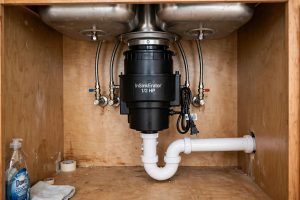
Open your cabinet and measure. Under sink space fills fast with pipes, a disposal, and cleaning bottles. Some systems are slim single cartridges. Others are wide multi-stage rigs with a tank. Measure height, width, and depth before you order. Online listings give these numbers. Write them down.
Installation
Many systems promise tool-free or quick installation. In practice, you will need a wrench, a bucket, and some patience. A basic carbon unit can take 30 minutes. An RO system can take one to two hours. If your sink has no spare hole for a second faucet, you may need an air-gap faucet or a three-way tap. Check this before you buy. Some online deals bundle the faucet. Others do not.
Replacement Cartridge Cost
The filter price is only the start. Cartridges need changes every six to twelve months. A system with cheap cartridges can beat an expensive rival over three years. Before you click buy, search the price of the replacement cartridges for that exact model. Add two or three years of changes to the sticker price. That is the true cost.
Types and Options on the Market
Single-stage carbon filters are the entry point. They mount in line and clean taste, odor, and chlorine. They are small and cheap. For renters and small budgets, they are often enough.
Dual and triple-stage systems add more cleaning power. They handle sediment, chlorine, lead, and many chemicals. They fit most family kitchens and offer a good balance of price and performance.
Reverse osmosis systems are the heavy choice. They strip water down to near pure. They suit homes with known problems: high lead, nitrates, or salty well water. They need a drain connection and a tank. They also waste some water in the process, though new models waste less than old ones.
Alkaline and remineralizing filters add a final stage that raises pH or adds minerals like calcium and magnesium. Some buyers like the taste. The health claims for alkaline water are weak, but the taste gain is real for some palates.
Inline filters that feed only the refrigerator ice maker are another option. They are smaller and cheaper, but they do not clean water at the sink faucet.
When you scan under sink filters USA online deals, sort by type first. Decide which type fits your water. Then compare prices inside that type.
Cost and Price: What to Expect
Prices run wide. A basic single-stage carbon filter costs about 40 to 90 dollars. A dual or triple-stage system costs about 120 to 300 dollars. A full reverse osmosis setup costs about 150 to 500 dollars. Top brands with long warranties sit at the high end.
Cartridges add the running cost. Single-stage cartridges cost about 20 to 40 dollars and last six to twelve months. Multi-stage sets cost about 60 to 150 dollars per change. RO membranes cost about 80 to 200 dollars but can last two to three years.
Online deals can cut these prices by 10 to 30 percent. Sale events in spring and around major holidays often bring the best cuts. Refurbished units from maker outlets can save more, though choice is thin. Watch for bundles that include a first set of spare cartridges. A bundle with two extra cartridge sets can be worth more than a small price cut on the unit alone.
Do not trust a deal that looks too good. A 30-dollar RO system from an unknown brand is likely to disappoint. Stick to known makers and certified models. Read the fine print on shipping and returns. A heavy system can cost a lot to send back.
How to Find Real Online Deals
Start with the big home stores. Their sites run frequent sales on water filtration, and they list clear specs. Compare the same model across two or three large sellers. Prices often differ by 20 dollars or more for the same unit.
Maker websites sometimes beat the stores. Many brands run outlet pages with open-box or last-year models at fair cuts.
Read reviews with care. Look for reviews that mention months of use, not just the day of install. A filter that clogs in three months is no deal at any price.
Timing matters. Prices often dip in spring and during large sale weekends. Set a price alert if the store offers one. Buy when the price hits your target.
Check the total. Add tax and shipping. A deal with free shipping can beat a lower sticker price that adds 25 dollars at checkout. Also check the return window. Water filters that have touched water often cannot be returned for hygiene reasons, so be sure before you install.
Installation Tips for a Smooth Job
Turn off the cold water valve under the sink first. Open the faucet to release pressure. Keep a bucket and towels ready. Water will spill. That is normal.
Follow the manual step by step. Do not skip the flush step. New carbon cartridges shed fine black dust. Run several gallons through the filter before you drink the water. The manual will say how much. For RO systems, flush and fill the tank once, then drain it, before normal use.
Check every joint for drips after you turn the water back on. Place dry paper towels under each connection and check them after an hour. A slow drip found early is easy to fix. A slow drip found late can ruin a cabinet floor.
If your home has very high water pressure, above 80 psi, add a pressure regulator or check that the system is rated for it. High pressure can crack housings over time.
Keep the manual and the cartridge model numbers in a drawer near the sink. When change time comes, you will thank yourself.
Care and Upkeep
Mark the cartridge change date on a calendar. Set a phone reminder. Filters that stay in too long stop cleaning and can harbor bacteria. They can also clog and cut your flow to a trickle.
Change pre-filters on time. The cheap sediment cartridge protects the expensive carbon or membrane behind it. Skipping it shortens the life of the whole system.
Wipe the housing and check for scale or damp spots twice a year. Tighten any loose bracket. If your system has a tank, check the air pressure once a year per the manual.
Buy genuine cartridges for your model. Off-brand cartridges can fit poorly and leak. They may also lack certification. Saving 10 dollars on a fake cartridge is not worth dirty water.
If you go away for weeks, run the tap for a minute or two on return. Stagnant water in any filter tastes stale. Fresh flow fixes it.
Safety Notes
An under sink filter is a plumbing device. A bad install can flood a cabinet. If you are not sure about the plumbing, hire a plumber. The cost of one visit is small next to the cost of water damage.
Keep small parts away from children during install. Fittings are choking hazards. Store spare cartridges in a cool, dry place.
Frequently Asked Questions
Do under sink filters remove fluoride?
Some do and some do not. Standard carbon filters leave most fluoride in place. Reverse osmosis systems remove most of it. If fluoride matters to you, check the spec sheet for a clear claim and a certification. Do not guess.
How long does installation take?
A single-stage carbon unit often takes 30 to 45 minutes for a handy homeowner. A multi-stage system takes about an hour. A reverse osmosis system with a tank can take one to two hours, plus flush time. If you hire a plumber, the labor charge is often modest for a basic unit.
Will a filter lower my water pressure?
A little. Any filter adds resistance. Good systems keep the drop small. If your flow becomes a trickle, the cartridge is likely clogged and due for a change. Very old home plumbing with low pressure to start can make the drop more noticeable.
Can I install one in a rental?
Often yes, if the landlord agrees. Choose a system that taps the cold line with a simple adapter and leaves no damage. Keep the old parts so you can restore the sink when you move. Get permission in writing before you drill any hole for a second faucet.
How do I know which filter my water needs?
Start with a water test. City suppliers publish annual quality reports. Well owners should order a lab test. Match the filter to the problems the test shows. Do not buy the biggest system out of fear. Buy the one that fits the facts.
Are online deals safe to trust?
Many are. Buy from known stores and maker sites. Check that the model number matches exactly, since one letter can mean a different unit. Read the return policy before you order. Keep the box until the system runs well for a week.
A Short Final Word
Clean water at the kitchen tap is a quiet luxury. It shows in every glass, every pot, and every cup of coffee. An under sink filter brings that luxury home for a fair price, and under sink filters USA online deals put it within reach of most budgets. Choose a certified system that fits your water and your cabinet. Count the true cost, cartridges included. Buy from a seller you trust. Install with care, change cartridges on time, and the filter will serve your family well for years. For more ideas on kitchen upgrades, see our guides to under sink filters buying guide usa, under sink filters for sale usa, and pot filler faucets buying guide usa. Shoppers comparing models can also learn from trusted names in the field, including GE Appliances, Energy Star, Bob Vila, Home Depot, Consumer Reports, This Old House, Lowes, Whirlpool, The Spruce, and Bosch.
References
Bob Vila. (n.d.). Home improvement advice. https://www.bobvila.com Bosch. (n.d.). Home appliances. https://www.bosch-home.com Consumer Reports. (n.d.). Product reviews and ratings. https://www.consumerreports.org ENERGY STAR. (n.d.). Energy efficient products. https://www.energystar.gov GE Appliances. (n.d.). Kitchen and home appliances. https://www.geappliances.com Lowe’s. (n.d.). Home improvement products. https://www.lowes.com The Home Depot. (n.d.). Home improvement products. https://www.homedepot.com The Spruce. (n.d.). Home and garden advice. https://www.thespruce.com This Old House. (n.d.). Home renovation guidance. https://www.thisoldhouse.com Whirlpool. (n.d.). Home appliances. https://www.whirlpool.com
Was this guide helpful?

About Jennifer Lee
The My Garden US editorial team writes practical, in-depth home and garden guides for American homeowners — tested advice, no fluff.
You May Also Like

Under Counter Wine Fridges Deals Near Me: A Buyer’s Guide
September 1, 2026 0 views
Quartz Countertop Installation USA Online Deals: A Plain Guide for Homeowners
June 15, 2026 0 views
A Plain Guide to Under Sink Filters for Sale USA
June 28, 2026 0 views