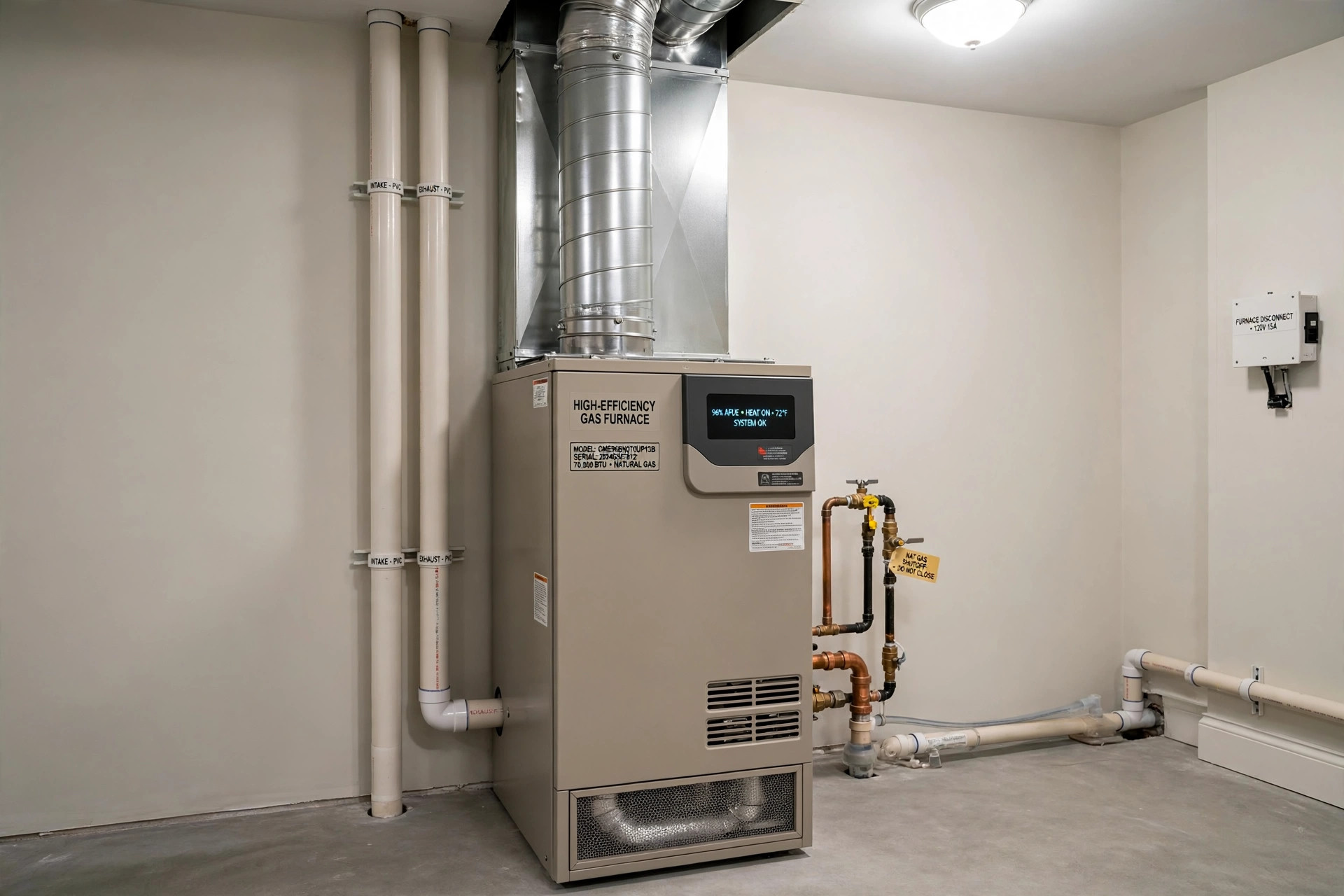

A furnace is the heart of winter comfort in an American home. When it fails in January, the question comes fast: what is the furnace replacement cost near me 2026? Prices vary by home, fuel, and labor rates in each town. This guide walks you through real price ranges, the types of furnaces on the market, and the choices that raise or lower your bill. With clear facts, you can plan ahead and avoid a rushed decision in the cold.
Why Replacement Cost Matters More in 2026
A new furnace is one of the largest home costs most families will face. The unit itself can cost more than a used car, and labor adds hundreds more. In 2026, several forces push prices upward. Stricter efficiency rules have changed which models factories may sell. Skilled labor is in short supply in many regions. Gas lines, permits, and inspections add fees that many owners forget to count.
Knowing the furnace replacement cost near me 2026 before the old unit dies gives you time to shop. You can compare quotes from three or more firms. You can ask about rebates and tax credits. You can decide whether a heat pump might serve you better. Shoppers who rush often pay 15 to 25 percent more than those who plan. The pages ahead give you the numbers and the questions that matter most.
Signs It Is Time to Replace Your Furnace: Furnace Replacement Cost near Me 2026
Most gas furnaces last 15 to 20 years. Oil furnaces often last 20 to 25 years. Electric models can reach 20 years or more. Age alone is not proof you need a new unit. Watch for these signs instead.
Repair Bills Keep Rising
A single repair is normal. Two repairs in one winter is a warning. When repair costs pass one-third of the price of a new unit, replacement is usually the wiser move. Furnaces tend to break in a cascade. A failed blower motor strains the heat exchanger. A weak igniter wastes fuel. Fixing one part after another is like patching a worn tire.
Heat Feels Uneven
Cold spots in far rooms or a long wait for heat suggest the unit is undersized or worn out. Old single-stage furnaces blast heat in short bursts, then shut off. That cycle leaves some rooms cold and others too warm. A new unit with staged heat can solve the problem.
Bills Climb Without Cause
If your fuel bill rises each year while winters stay mild, the furnace is losing efficiency. Dust, worn parts, and a cracked exchanger all waste fuel. A unit that started at 80 percent efficiency may now run near 60 percent. That gap costs real money every month.
Strange Sounds and Smells
Banging, rattling, or a steady hum that grows louder each year point to failing parts. A smell of burning dust at start-up is normal. A smell of gas or oil is not. Shut the unit down and call a pro at once. Safety comes before cost in every case.
What to Look For When You Choose a New Furnace
Shopping for a furnace is not like buying a toaster. The unit must fit your home, your fuel supply, and your climate. These points matter most.
Fuel Type
Gas is the most common fuel for new furnaces in America. Natural gas costs less than oil in most areas and burns clean. Oil serves homes far from gas lines, mostly in the Northeast. Electric furnaces are cheap to buy but costly to run in cold states. Dual-fuel systems pair a heat pump with a gas furnace for cold snaps. Your street may decide this choice for you. If gas lines run to your curb, gas is usually the best value. See how the two systems compare in our look at heat pump vs furnace cost comparison usa.
Efficiency Rating
Furnaces carry an AFUE rating. AFUE means Annual Fuel Utilization Efficiency. It tells how much fuel becomes heat. An 80 percent unit turns 80 cents of each fuel dollar into heat. A 96 percent unit turns 96 cents into heat. High-efficiency models cost more at the start but cut fuel bills for 20 years. The federal rules now require 90 percent or higher in northern states. Check the ENERGY STAR lists at energystar.gov to see which models earn the mark. The Department of Energy also posts plain guides to furnace ratings at energy.gov.
Size of the Unit
Furnaces are sized in BTU, or British thermal units. A 2,000 square foot home in a cold state may need 80,000 to 100,000 BTU. A smaller or milder-climate home needs less. A unit that is too large cycles on and off too often. That wastes fuel and wears parts. A unit that is too small runs all day and never warms the house. Ask the contractor to run a load calculation. This is a room-by-room heat math check. Any firm that sizes by guess or by the old unit is cutting corners. To see what size means for price, read our guide to gas furnace installation cost for 2000 sq ft.
Types of Furnaces Compared
Four main types serve American homes. Each has a place.
Gas furnaces. These are the standard choice where gas lines exist. Modern gas units reach 98 percent AFUE. They heat fast and cost less to run than oil or electric. Brands such as Carrier, Trane, Lennox, and Goodman lead the market. Carrier posts its full furnace line at carrier.com, and Trane does the same at trane.com. Lennox lists its high-end models at lennox.com. For a look at top makers, see our roundup of best gas furnace brands 2026 reviews usa.
Oil furnaces. Oil units serve homes without gas service. They cost more to fuel and need a tank on site. New oil models still reach 85 to 87 percent efficiency. Goodman and Rheem both sell oil models. Rheem shows its oil furnace line at rheem.com, and Goodman posts specs at goodmanmfg.com.
Electric furnaces. Electric units are simple and cheap to install. They have few moving parts, so repairs are rare. But electric heat costs much more to run in cold states. They fit mild climates and small homes best.
Dual-fuel systems. A dual-fuel set pairs an electric heat pump with a gas furnace. The heat pump handles mild days at low cost. The furnace takes over in deep cold. This pair cuts bills in many states. It costs more up front but pays back over time.
Furnace Replacement Cost Near Me in 2026: Price Breakdown
Now the main question. The national range for a full furnace replacement in 2026 runs about $3,800 to $9,500. Most owners pay between $4,500 and $7,500. Low-end 80 percent units in mild areas fall near the bottom. High-efficiency 96 percent-plus units with new duct work reach the top. Labor adds $1,200 to $2,500 in most markets. Cities on the coasts run higher. Rural areas often run lower.
The unit price breaks down by type. A standard 80 percent gas furnace runs $2,500 to $4,500 for the unit alone. A 92 to 96 percent gas unit runs $3,500 to $6,500. Top 97 percent-plus models run $5,000 to $8,000. Oil furnaces run $3,000 to $6,000. Electric furnaces run $1,500 to $3,000. Dual-fuel systems run $6,000 to $12,000 with the heat pump included.
Extra work raises the bill. Duct repair or replacement adds $1,000 to $5,000. A new thermostat adds $150 to $500. Permits run $100 to $400 in most towns. Gas line work adds $300 to $1,500. Chimney or vent changes for high-efficiency units add $500 to $2,000. This Old House walks through many of these add-on costs at thisoldhouse.com.
Smart shoppers can trim the cost. Get at least three written quotes. Ask each firm to list the model number, the AFUE rating, and the full scope of work. Ask about maker rebates. Carrier, Trane, and Lennox often run fall and spring rebates worth $200 to $500. Ask about tax credits. Federal credits for high-efficiency heating can cut hundreds from your tax bill. Check current rules at energy.gov before you sign. Ask about utility rebates too. Many gas firms pay $200 to $600 for 95 percent-plus installs.
Timing matters. Contractors charge more in January and February when phones ring nonstop. Late summer and early fall are the calm months. A quote in September can beat a quote in January by 10 percent or more. Family Handyman posts seasonal buying tips at familyhandyman.com that can help you time the job.
Care and Upkeep After Installation
A new furnace can last 20 years with simple care. Change the filter every one to three months. A clogged filter chokes air flow and wastes fuel. It also strains the blower motor. Keep the area around the unit clear. Do not store paint, boxes, or chemicals near the furnace.
Book a pro tune-up each fall. The tech will clean the burners, check the exchanger, and test the gas valves. A tune-up costs $100 to $200 and pays for itself in fuel savings and fewer repairs. Most maker warranties require yearly service, so keep the receipts. A sealed duct system helps too. Leaky ducts can waste 20 to 30 percent of your heat before it reaches a room.
Safety Checks You Should Not Skip
A gas or oil furnace burns fuel in your home. That fact demands respect. Install a carbon monoxide detector on each floor. Test it each month. Replace batteries each year. Carbon monoxide has no smell and no color. It can sicken a family long before anyone knows.
Ask the installer to test for gas leaks at every joint. Ask for a combustion safety test after the install. The tech should read the flue gases and confirm the vent drafts well. Keep the vent pipes clear of snow, leaves, and nests. Never block a return vent with furniture. If the furnace smells of gas, leave the house and call the gas firm from outside. No money saved is worth a fire or a poisoning.
Frequently Asked Questions
How long does a furnace replacement take? Most swaps take one full workday. A straight change of a like-for-like unit may finish in four to six hours. Jobs with new duct work, new venting, or gas line changes can take two to three days. Ask the firm for a firm schedule in writing.
Does a new furnace need new ducts? Not always. If your ducts are sound, sealed, and sized right, the new unit can use them. Ducts older than 25 years often leak badly. A duct test can show the loss. Fixing ducts at the same time as the furnace saves on labor since the crew is already in the house.
What is the best month to buy a furnace? September and October are the best months in most states. Demand is low, crews are free, and makers run fall rebates. May and June can also bring deals. December through February is the worst time. You pay peak prices and wait longer for a crew.
Can I install a furnace myself? No. Furnace work needs a license in nearly every state. Gas lines, electrical ties, and venting all carry real risk. A bad install can void the warranty and void your home insurance. It can also kill. Hire a licensed firm and keep the permit records.
How do I pick a good contractor? Ask for a state license number and proof of insurance. Read reviews on at least two sites. Ask for three local references and call them. Ask whether the firm runs a load calculation and pulls a permit. The best firms answer these questions with ease. The worst ones dodge them.
Will a new furnace lower my bills? In most cases, yes. Moving from an old 60 percent unit to a 96 percent unit can cut heating fuel use by one-third. Savings depend on your climate, your rates, and how well the ducts are sealed. Ask the firm for a savings estimate based on your past bills.
A Final Word
The furnace replacement cost near me 2026 is not one number. It is a range shaped by your home, your fuel, and your choices. Plan early, compare three quotes, and weigh efficiency against the price you pay today. A well-chosen furnace will keep your family warm for twenty winters. That is worth a careful hour of study now.
References
Carrier. (n.d.). Heating and cooling systems. https://www.carrier.com ENERGY STAR. (n.d.). Energy efficient products. https://www.energystar.gov Family Handyman. (n.d.). DIY home repair and maintenance. https://www.familyhandyman.com Lennox. (n.d.). Heating and cooling systems. https://www.lennox.com Rheem. (n.d.). Heating, cooling, and water heating. https://www.rheem.com This Old House. (n.d.). Home renovation guidance. https://www.thisoldhouse.com Trane. (n.d.). Heating and air conditioning. https://www.trane.com U.S. Department of Energy. (n.d.). Energy efficiency and renewable energy. https://www.energy.gov
Was this guide helpful?

About Michael Thompson
The My Garden US editorial team writes practical, in-depth home and garden guides for American homeowners — tested advice, no fluff.
You May Also Like

Best Fire Pit for Backyard Reviews USA: A Plain Guide
August 9, 2026 0 views
Thermostat for Two Zone System Reviews USA: A Plain Buyer’s Guide
June 19, 2026 0 views
Cool Roof Shingles Cost vs Regular Shingles in the USA
October 4, 2026 0 views