
Introduction
The search for the best gas furnace brands 2026 reviews usa leads many homeowners to the same question: which brand can be trusted for the next twenty years. A furnace is a long term purchase. It sits in the basement or the utility closet, and it works through every cold night of winter. When it fails in January, the whole house feels it. This guide gives a calm, plain review of the leading gas furnace brands for 2026, based on how they rank for efficiency, build quality, warranty terms, and owner feedback. It also covers cost, care, and safety, so the reader can choose with a clear head.
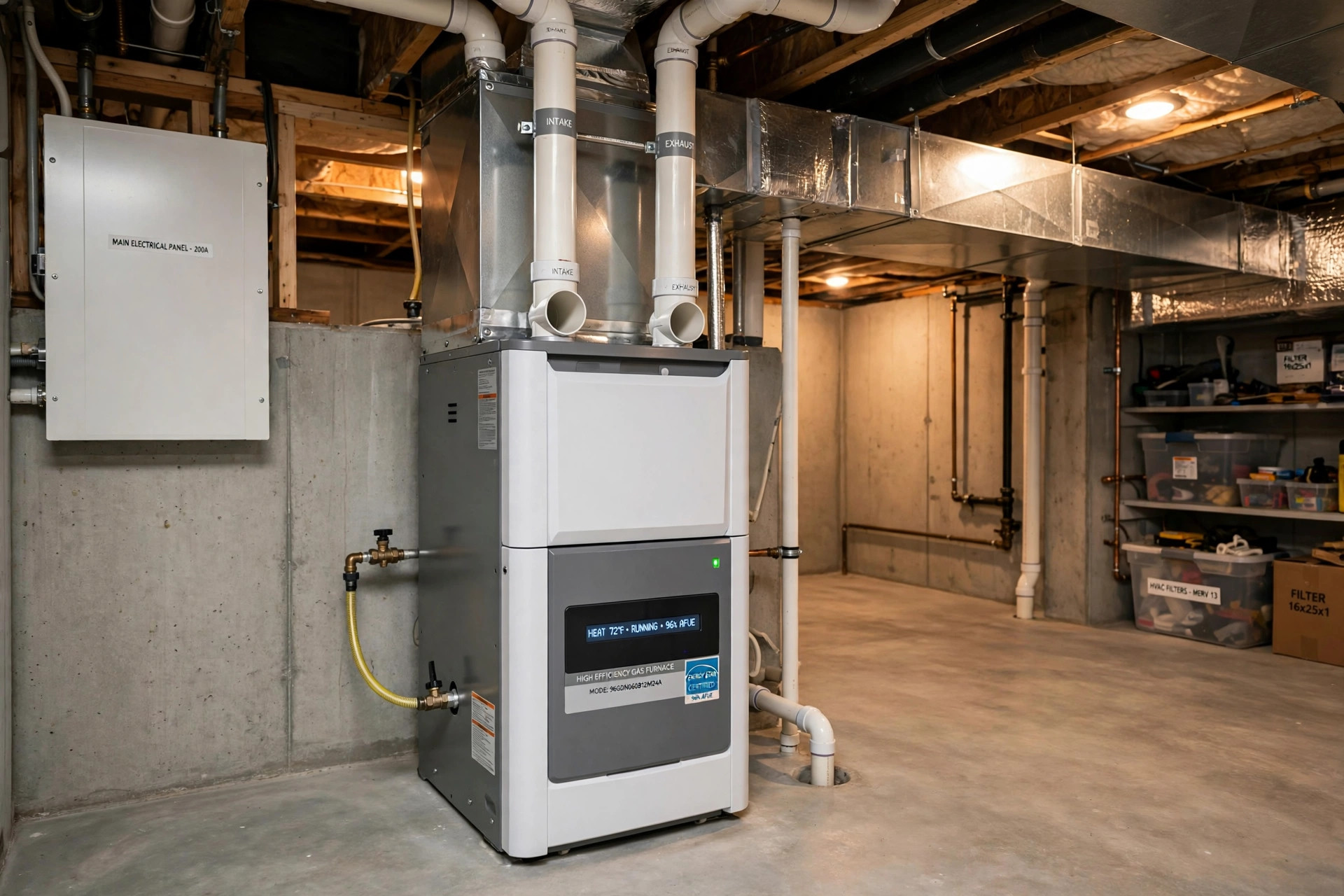
A gas furnace heats a home by burning natural gas or propane in a heat exchanger. A blower then pushes warm air through the ductwork. Most modern units reach efficiency ratings of 80 percent to 98 percent. The rating is called AFUE, which stands for Annual Fuel Utilization Efficiency. A 95 percent AFUE furnace turns 95 cents of every fuel dollar into heat. The rest goes up the flue.
Why the Brand You Choose Matters: Best Gas Furnace Brands 2026 Reviews Usa
A furnace is not like a toaster. It cannot be swapped out in a day without cost. Installation labor runs into the thousands. The unit itself should last 15 to 20 years. During that time the owner pays for fuel every month. A difference of five points in AFUE can mean hundreds of dollars per year in gas bills, depending on the home and the climate.
The brand matters for three reasons. First, the heat exchanger is the heart of the machine. A crack in it can leak carbon monoxide. Good brands use thicker steel and better welds. Second, the warranty matters. A ten year parts warranty is standard among top brands, but a few go further on the heat exchanger, sometimes offering a lifetime warranty. Third, parts availability matters. A well known brand has parts in stock at local supply houses. A small brand may leave the owner waiting days in the cold.
This guide leans on manufacturer data, energy agency guidance, and contractor experience. Let us look at what to check before any brand name.
What to Look For in a Gas Furnace
AFUE Rating
The AFUE rating is the first number to check. In 2026, standard efficiency units run near 80 percent. High efficiency units reach 92 to 98 percent. Homes in cold states like Minnesota or Maine gain the most from high AFUE numbers. Homes in mild states may never earn back the extra cost. The ENERGY STAR program certifies furnaces that meet strict efficiency levels, and its listings are a good starting filter.
Single Stage, Two Stage, or Modulating
A single stage furnace runs at full power or not at all. It is cheap but loud and less even. A two stage furnace has a low and a high setting, so it runs longer at low heat and keeps rooms more even. A modulating furnace adjusts its flame in small steps. It costs more up front but gives the smoothest comfort and the best savings. For cold climates, two stage or modulating is worth the money.
Blower Motor
A variable speed blower changes speed as needed. It uses far less power than a single speed blower. It also keeps humidity more steady in summer when paired with an air conditioner. Most mid range and premium models now use variable speed motors.
Warranty Terms
Look for at least ten years on parts. Heat exchanger warranties vary from twenty years to lifetime. Register the unit within the stated window, often sixty to ninety days, or the warranty may drop to a shorter base term.
Noise Level
Decibel ratings are rarely advertised, but insulated cabinets and variable speed blowers make a real difference. A quiet furnace matters when the unit sits near a bedroom or a home office.
Gas Furnace Brand Reviews for 2026
The reviews below rank brands by a mix of efficiency range, reliability, warranty strength, and dealer support across the USA. Prices are for the unit alone and vary by size and region.
Lennox
Lennox sits at the top of many contractor lists. Its premium line, the SLP99V, reaches up to 99 percent AFUE, one of the highest in the industry. Lennox units run quiet, thanks to insulated cabinets and variable speed blowers. Build quality is strong, and the dealer network is wide. The weak point is price. Lennox units and parts cost more than average. Still, for owners who plan to stay in the home for decades, it is a leading pick.
Carrier
Carrier has made heating equipment for over a century. Its Infinity line includes models near 98 percent AFUE with modulating gas valves. Carrier is known for steady reliability and wide parts availability. Contractors trust it, and the warranty terms are fair. Prices sit in the mid to high range. For a buyer who wants proven design and easy service, Carrier is hard to beat.
Trane
Trane builds heavy duty units with a reputation for long life. Its furnaces use sturdy heat exchangers and strong cabinets. The XV series offers variable speed models near 97 percent AFUE. Trane runs a tight dealer network, which keeps installation quality high but can raise the installed price. Owners report quiet operation and low repair rates. It is a solid choice for cold climate homes.
Rheem
Rheem offers good value. Its Prestige line reaches up to 98.7 percent AFUE with modulating heat. Rheem units are easy for technicians to service, and parts are common. The price is lower than Lennox or Carrier for similar ratings. The heat exchanger warranty is strong. For budget minded buyers who still want high efficiency, Rheem is a smart pick.
Goodman
Goodman is known for low prices and long warranties. Its top models reach up to 98 percent AFUE. Goodman offers some of the best warranty terms in the business, including lifetime heat exchanger coverage on premium lines when registered. Build quality is decent, though some contractors note that fit and finish trails the premium brands. For rental properties or tight budgets, Goodman gives the most heat per dollar.
What the Energy Agencies Say
The U.S. Department of Energy publishes clear guidance on furnace efficiency and proper sizing. An oversized furnace costs more, cycles on and off, and wears out faster. A proper load calculation, known as a Manual J, should set the size. The ENERGY STAR site lists certified models that meet the current efficiency bar. Trade press like This Old House and the Family Handyman offer plain language install and repair guides that homeowners can trust.
Cost and Price in 2026
A gas furnace unit alone costs between 2,000 and 6,000 dollars depending on size and efficiency. Installed cost, which adds labor, ductwork changes, permits, and a new thermostat, runs from 4,500 to 10,000 dollars or more. A simple 80 percent single stage unit in a small home sits at the low end. A 98 percent modulating unit for a large cold climate home sits at the high end.
Three things drive the price. Size comes first. A 2,000 square foot home needs a different unit than a 3,500 square foot home. Learn more in our guide to gas furnace installation cost for 2000 sq ft. Efficiency comes second. Each step up in AFUE adds cost. Labor comes third. Homes with old ductwork or difficult access cost more to serve.
Some buyers weigh high efficiency furnace pros and cons before they decide. Others compare a furnace with a heat pump in our heat pump vs furnace cost comparison. A dual fuel setup, with a heat pump for mild days and a gas furnace for deep cold, can cut bills in many states.
Tax credits and rebates can lower the cost. Federal credits change from year to year, and many gas utilities offer rebates for high efficiency units. Check the current rules before signing a contract.
Care and Upkeep
A gas furnace is a simple machine, but it needs yearly care. A neglected furnace wastes fuel and can turn unsafe.
– Change or clean the air filter every one to three months during heating season. A clogged filter chokes the blower and can overheat the heat exchanger. – Book a professional tune up each fall. The tech should check the heat exchanger for cracks, test the gas pressure, clean the burners, and check the venting. – Keep the area around the furnace clear. Do not store paint, boxes, or chemicals near it. – Make sure the vents and flue stay open and clean. Birds and nests can block a flue over summer. – Listen for new sounds. Rattling, banging, or whistling can mean a loose panel, a failing motor, or a duct problem.
Annual service usually costs between 100 and 250 dollars. That visit often pays for itself in fuel savings and early problem spotting.
Safety
Gas heat is safe when the system is sound and serviced. The main danger is carbon monoxide, a colorless and odorless gas. A cracked heat exchanger or a blocked vent can let it into the home.
– Install carbon monoxide detectors on each floor and near sleeping areas. Test them monthly and replace them as the maker advises. – Never ignore the smell of gas. If gas is smelled, leave the home, call the gas company or 911 from outside, and do not flip switches. – Never run the furnace with the access panels off. – Keep the thermostat set no lower than about 55 degrees in winter to protect pipes. – After any flood or long outage, have a tech inspect the unit before use.
An annual inspection by a licensed tech is the best guard. It takes about an hour and catches most faults early.
Frequently Asked Questions
How long does a gas furnace last?
Most gas furnaces last 15 to 20 years. Good brands with yearly service often reach 20 years or more. Once repairs pass half the cost of a new unit, replacement is usually the better choice.
What AFUE rating should I buy?
For cold states, aim for 92 percent or higher. For mild states, an 80 percent unit may be fine. Match the rating to the local climate and the price of gas. A contractor can run the numbers.
Is a modulating furnace worth it?
It is worth it in cold climates and in homes where even room to room heat matters. It costs more up front but trims fuel bills and runs quieter. In mild climates the payback is slower.
Can I install a gas furnace myself?
No. Gas line work, venting, and electrical wiring must meet code. A bad install can cause gas leaks or carbon monoxide poisoning. Always use a licensed contractor.
How do I know what size furnace I need?
Size depends on the home’s square footage, insulation, windows, and climate. A proper Manual J load calculation sets the right size. Rules of thumb often oversize the unit, which wastes money.
Which is cheaper to run, gas or electric heat?
In most of the USA, natural gas costs less per unit of heat than electric resistance heat. Heat pumps can beat gas in mild weather. The answer shifts with local fuel prices, so compare the current rates.
A Short Final Word
The best gas furnace brands 2026 reviews usa all point to the same lesson. Lennox leads on peak efficiency. Carrier and Trane lead on proven reliability. Rheem and Goodman lead on value. But the brand is only half the story. The right size, a clean install, and yearly service decide how the furnace treats the owner over twenty winters. Pick a trusted brand, hire a licensed contractor, and keep the filter clean. The house will stay warm, and the gas bills will stay fair.
References
Carrier. (n.d.). Heating and cooling systems. https://www.carrier.com ENERGY STAR. (n.d.). Energy efficient products. https://www.energystar.gov Family Handyman. (n.d.). DIY home repair and maintenance. https://www.familyhandyman.com Goodman. (n.d.). Heating and cooling equipment. https://www.goodmanmfg.com Lennox. (n.d.). Heating and cooling systems. https://www.lennox.com Rheem. (n.d.). Heating, cooling, and water heating. https://www.rheem.com This Old House. (n.d.). Home renovation guidance. https://www.thisoldhouse.com Trane. (n.d.). Heating and air conditioning. https://www.trane.com U.S. Department of Energy. (n.d.). Energy efficiency and renewable energy. https://www.energy.gov
Was this guide helpful?

About Robert Taylor
The My Garden US editorial team writes practical, in-depth home and garden guides for American homeowners — tested advice, no fluff.
You May Also Like

Best Fire Pit for Backyard Reviews USA: A Plain Guide
August 9, 2026 0 views
Furnace Replacement Cost Near Me in 2026: A Full Guide to Prices, Types, and Choices
August 6, 2026 0 views
Infrared Patio Heater Reviews 2026 USA: Warm Evenings Made Simple
March 20, 2026 0 views