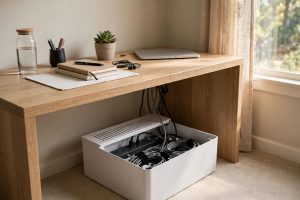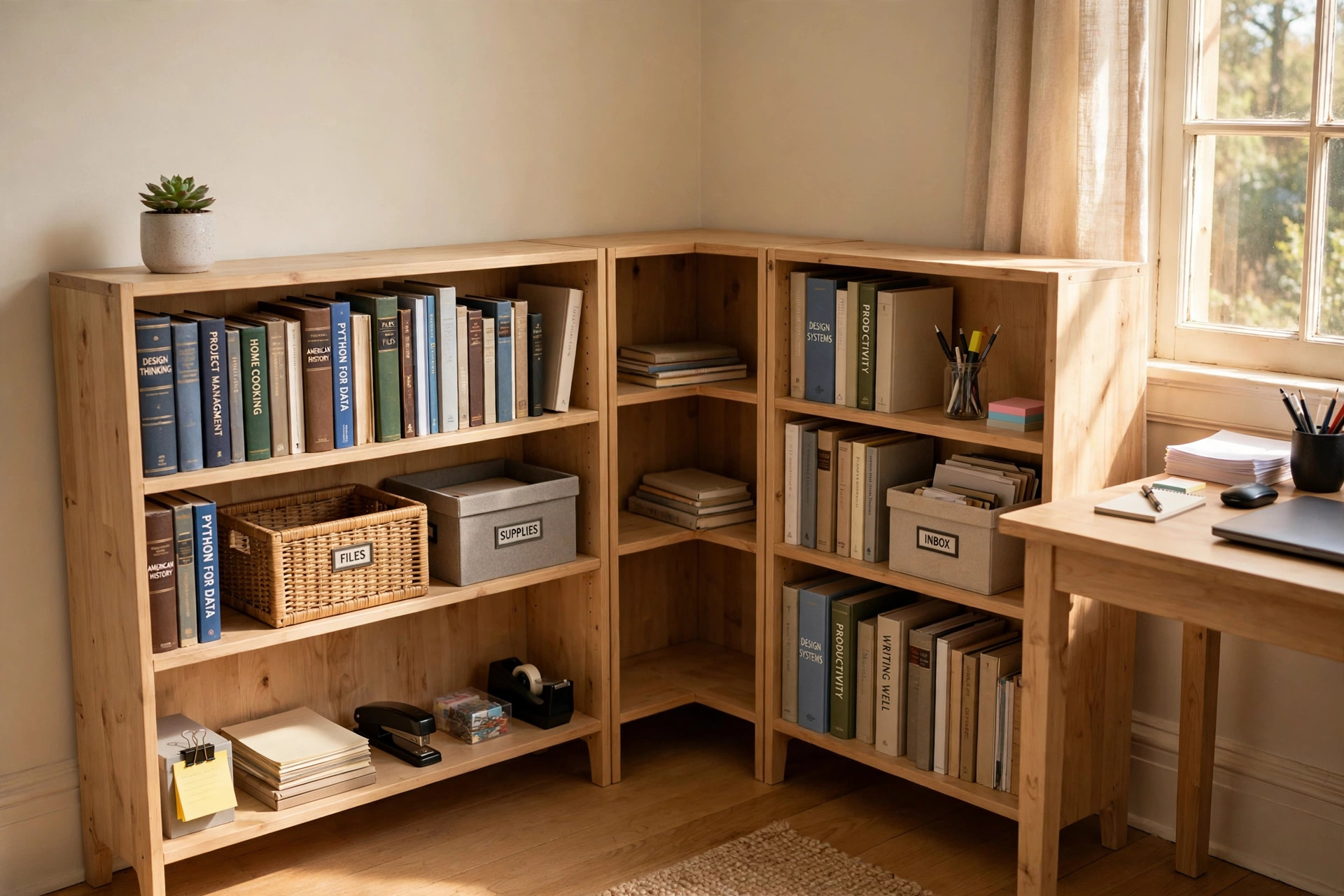

A corner bookshelf for small home office storage is one of the smartest buys for a tight workroom. Corners are dead space in most homes. A shelf built to fit the corner turns that wasted area into storage for books, papers, and supplies. It keeps the desk clear and the room calm.
Small home offices grow crowded fast. A desk, a chair, and a file box can fill a corner of a bedroom. Books pile up on the floor. Papers stack on the desk. A corner shelf answers this problem without taking much floor space. It rises upward, where there is room to spare. This guide covers why the piece matters, how to choose one, the main types, what it costs, and how to keep it safe and tidy.
Why a Corner Bookshelf Matters in a Small Home Office
Every inch counts in a small workroom. A standard bookcase needs a full flat wall. Many small rooms have no long free wall. The door, the window, and the desk take it all. Corners remain empty. A corner bookshelf is made for these spots. Its angled or L-shaped back slides into the corner and gives back storage you would otherwise lose.
A tidy office also helps clear thinking. Studies of work spaces show that clutter raises stress and slows work. When books and papers have a set home, the desk stays free for the task at hand. You spend less time hunting for a binder. You sit down and start work.
A corner shelf also guards the floor. Stacks of books on carpet hold dust and can draw damp. Paper left on the floor is stepped on or lost. A shelf keeps materials off the ground and within reach.
How to Measure Your Corner Before You Buy: Corner Bookshelf for Small Home Office Storage
Start with a tape measure, not a catalog. Measure the two walls that meet at your corner. Note the width each side can spare. A small unit may need only 24 inches on each wall. A tall unit may need 30 to 36 inches per side.
Measure the height too. Most rooms allow 60 to 72 inches, but sloped ceilings and window sills set limits. Note where outlets, light switches, and vents sit. A shelf that blocks a vent will hurt air flow. A shelf that hides an outlet is a daily annoyance.
Check the floor. Carpet that is thick may let a tall unit wobble. Hard floors need pads so the legs do not scratch. Leave one or two inches of clearance behind the unit for plugs and cables if you plan to store a router or printer on it.
Write the numbers on a card and keep it with you when you shop. A unit that is one inch too wide is a wasted trip.
Types of Corner Bookshelves
L-Shaped Floor Units
The classic corner bookshelf has an L-shaped footprint. Two sets of shelves meet at a right angle. It stands on the floor and fills the corner from base to top. These units hold the most weight. They suit heavy reference books and binders. Many come in wood or wood-look board. You can find home office bookshelf with closed storage bins models that pair open corner shelves with bins for a clean look.
Tall Tower Units
A tall narrow tower turns on the diagonal to face out of the corner. It takes very little floor space, often under three square feet. It works well for paperbacks, office supplies, and small boxes. Some towers spin on a lazy-susan base, which makes the back rows easy to reach.
Wall-Mounted Corner Shelves
Floating corner shelves bolt to both walls. They need no floor space at all. They are best for light loads: paperbacks, framed photos, small plants. They must be fixed to wall studs, not drywall alone. When the room below them is a small l shaped desk for corner home office setup, floating shelves above the desk line work well.
Ladder and Leaning Shelves
Leaning ladder shelves rest against the corner at a slight angle. The deep shelves sit low and the shallow ones high. They look light and open. They suit display items and a few books. They hold less weight than floor units, so keep the heavy volumes low.
Storage Cubes and Modular Pieces
Cube units can be stacked in a corner in a stepped pattern. Each cube holds a fabric bin, a stack of files, or a row of books. They are cheap and easy to move. They work well in rented homes because they leave no wall marks.
What to Look for When You Choose
Depth. Corner shelves range from 10 to 16 inches deep. Ten inches fits paperbacks and files. Twelve to fourteen inches fits most hardcovers. Sixteen inches or more can hold a printer or a storage box, but it eats room space.
Shelf spacing. Adjustable shelves are worth seeking. Fixed shelves may not fit tall binders. Look for pin or slot systems that move in one-inch steps.
Weight limits. Check the rated load per shelf. Particleboard shelves sag under heavy books if the span is long. Solid wood or plywood boards hold up better. Put the heaviest books on the lowest shelf and near the sides.
Material. Solid wood lasts longest and costs most. Plywood with veneer is a strong middle choice. Particleboard with laminate is cheap and light but chips at the edges and weakens if it gets wet. Metal frames with wood shelves give an open modern look.
Finish. Light finishes make a small room feel larger. Dark wood looks rich but can make a tight corner feel heavy. Match the shelf to the desk so the room reads as one plan.
Stability. Tall units must anchor to the wall. This is the single most important safety point. A tipping bookcase can injure a child or pet. Use the wall strap that comes in the box, or buy one if the box lacks it.
Pairing the Shelf with the Rest of the Room
A corner shelf works best as part of a small-office plan. Place it within arm’s reach of the desk if you store daily files there. Put reference books you use once a week on the higher shelves.
Think about the desk too. A home office storage cabinet with locking doors can hold papers you must keep private, while the corner shelf holds the books and supplies you use in the open. The two pieces divide the job: closed storage for the private, open storage for the handy.
Light matters. A dark corner makes books hard to find. A small clip light or an LED strip on the top shelf helps. Many home offices add task lighting to shelves and desks. Retailers such as IKEA and Wayfair sell low-cost shelf lights that run on batteries or USB.
Measure the walk path. Leave at least 30 inches of clear floor between the shelf front and the chair or door swing. A cramped room feels worse if you must squeeze past the shelf.
Cost and Price: What to Expect
Prices vary with material and height. A basic particleboard corner unit, four to five shelves, often sells for 40 to 90 dollars. A plywood or solid-wood unit of the same size runs 120 to 300 dollars. Wall-mounted sets of three to four floating corner shelves cost 30 to 80 dollars. Modular cube sets run 50 to 120 dollars for a stack of six to nine cubes.
Fabric bins, which many buyers add, cost 8 to 15 dollars each. Wall-mount hardware, if not included, costs a few dollars. Delivery can add 10 to 30 dollars for large units, though many stores offer free pickup.
Watch the cost per shelf, not just the sticker price. A tall 90-dollar unit with six shelves may beat a short 60-dollar unit with three. Also count the hidden costs of cheap board: edge banding that peels, shelves that sag in a year, and a unit that must be replaced. Paying more once often costs less over time. Shoppers compare quality and price at Herman Miller and Steelcase, which set high standards for office furniture, and at UPLIFT Desk, which serves small home workspaces.
Second-hand shops and office surplus stores sell solid units for a fraction of new prices. Check the joints and the back panel before you buy used. Loose pegs and a missing back board are warning signs.
Setting Up and Organizing the Shelf
Put the unit together on a soft rug to avoid scratches. Follow the manual in order; skipping steps leads to crooked frames. Anchor tall units to a stud with the included strap before you load a single book.
Organize by use, not by size alone. Daily items go at hand height. Weekly reference books go one shelf up or down. Rarely used archives go on the top shelf. Label the bins so the system survives a busy week.
Leave one shelf partly empty. A packed shelf invites piles elsewhere. The empty space gives new books a home and keeps the corner from looking crowded.
Dust the shelves each month. Paper dust builds up and can bother allergies. A dry cloth works for wood; a slightly damp cloth works for laminate. Keep drinks off the top shelf unless the surface is sealed, since a spill can stain raw board in seconds.
Review sites such as Wirecutter and PCMag publish tested picks for small-space office gear, and home guides at The Spruce offer room-layout ideas that pair shelves with desks. Big-box stores like Home Depot stock a wide range of corner units to see in person.
Safety in a Small Home Office
Anchor every tall bookcase to the wall. This rule holds even in homes with no small children, because pets, quakes, and a hard bump can tip a loaded unit. The U.S. Consumer Product Safety Commission warns about furniture tip-overs each year.
Keep heavy items low and light items high. Do not let children climb the shelves. If the unit has glass doors, check that the glass is tempered.
Mind the electrics. Do not run power strips behind a shelf where heat builds up. Keep paper away from hot lamp bulbs; LED bulbs run cooler and suit small corners.
Check weight limits on floating shelves with extra care. A floating shelf that pulls out of drywall can drop books on a desk below. Always screw into studs and respect the rated load.
Frequently Asked Questions
Will a corner bookshelf fit in a very small room?
Yes, if you measure first. Small units need only about two feet of wall on each side. Wall-mounted shelves need no floor space at all. Draw your room on paper with the desk, door swing, and window, then mark the corner space before you shop.
How much weight can a corner bookshelf hold?
It depends on the build. A particleboard unit may hold 15 to 25 pounds per shelf. A solid-wood or plywood unit may hold 40 to 60 pounds per shelf. Check the maker’s rating and keep heavy books low and near the sides.
Can I put a printer on a corner bookshelf?
Only if the shelf is deep and strong enough. A printer needs 14 to 16 inches of depth and a flat, level surface. A low cube shelf in a corner often works. Leave room behind for cables and keep paper trays clear of the wall.
Is a corner bookshelf better than a flat one?
For a small room, often yes. It uses dead corner space and leaves flat walls free for the desk, door, or window. A flat bookcase holds more per foot of wall, so use flat units where you have a long free wall.
How do I stop shelves from sagging?
Choose plywood or solid wood over particleboard for heavy loads. Keep shelf spans short. Store the heaviest books upright and tight, which adds support. A center divider or a vertical support under a long shelf stops sag.
Should I anchor the shelf if I rent my home?
Yes. A wall anchor is a small screw hole, easy to fill with putty when you move. The safety gain far outweighs the tiny repair. Ask your landlord first if your lease is strict, and use a strap made for renters that leaves one small hole.
A Short Final Word
A corner bookshelf for small home office storage is a modest piece with an outsized effect. It reclaims the corner, clears the desk, and gives every book and binder a set place. Measure your space, pick a sturdy build, anchor it to the wall, and load it with care. A small room, well shelved, can work as hard as a big one.
References
Herman Miller. (n.d.). Office furniture and ergonomic seating. https://www.hermanmiller.com IKEA. (n.d.). Home furnishings. https://www.ikea.com PCMag. (n.d.). Technology product reviews. https://www.pcmag.com Steelcase. (n.d.). Office furniture and workplace research. https://www.steelcase.com The Home Depot. (n.d.). Home improvement products. https://www.homedepot.com The Spruce. (n.d.). Home and garden advice. https://www.thespruce.com U.S. Consumer Product Safety Commission. (n.d.). Product safety information. https://www.cpsc.gov UPLIFT Desk. (n.d.). Standing desks and ergonomic office furniture. https://www.uplift-desk.com Wayfair. (n.d.). Furniture and home goods. https://www.wayfair.com Wirecutter. (n.d.). Product reviews from The New York Times. https://www.nytimes.com/wirecutter
Was this guide helpful?

About Michael Thompson
The My Garden US editorial team writes practical, in-depth home and garden guides for American homeowners — tested advice, no fluff.
You May Also Like
Home Office Wall Grid Panel for Hanging Supplies
March 22, 2026 0 views
Best Home Office Desk for Two Monitors: A Practical Buying Guide
January 21, 2026 0 views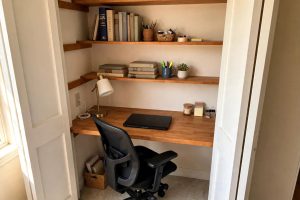
Home Office Closet to Office Conversion Kit: A Complete Guide
February 21, 2026 0 views