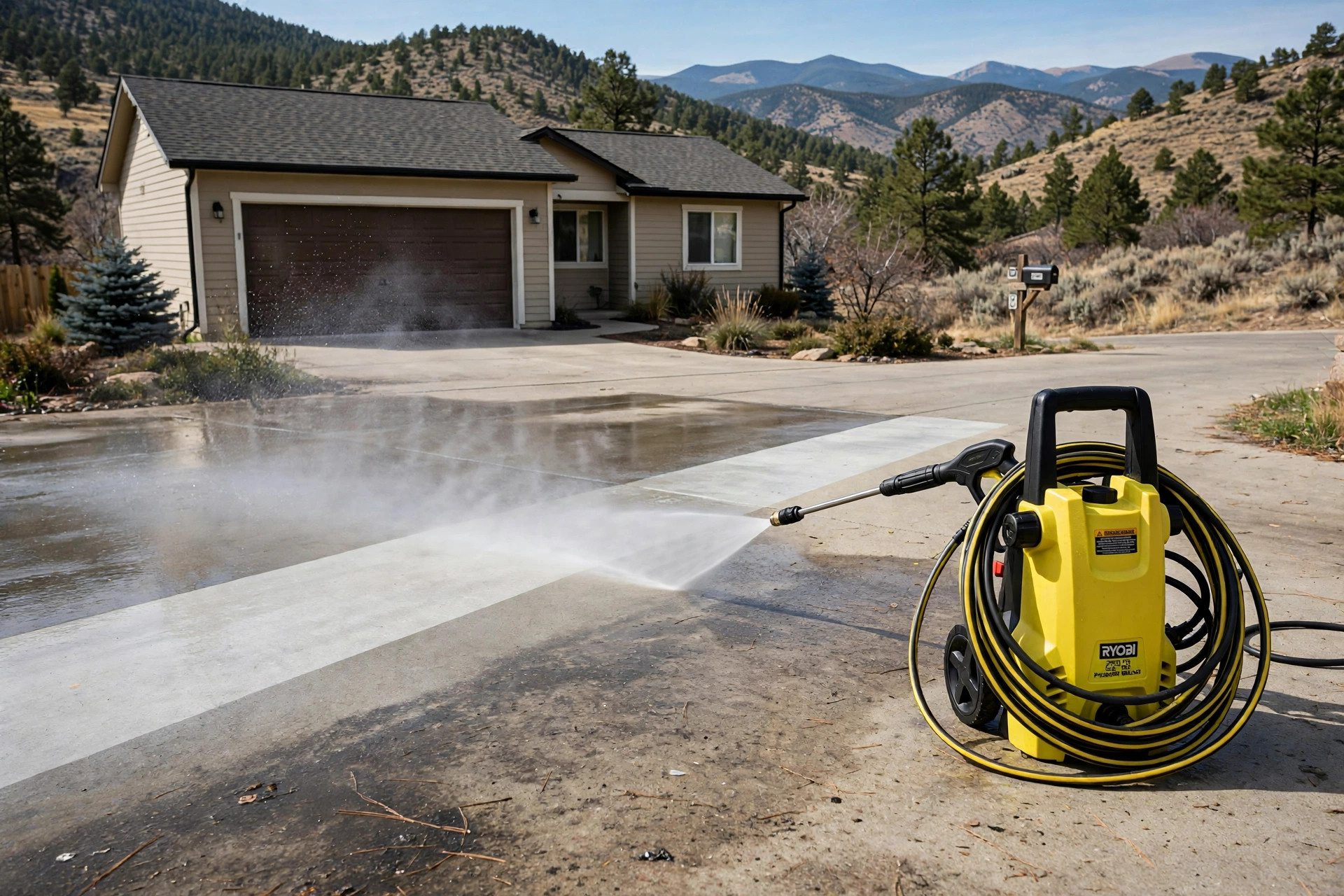

When you buy pressure washers for driveways online in Colorado, you take a simple step toward a cleaner home. Driveways in this state work hard. Winter brings snow, ice melt, and road salt. Spring melts carry gravel and mud onto the concrete. Summer adds dust, oil drips, and tire marks. A pressure washer cuts through this buildup with a strong jet of water. It saves hours of scrubbing. It also lifts the look of your whole property. Clean concrete makes a home feel cared for. This guide explains what to know before you shop. It covers power, types, prices, care, and safety. Read it through before you place an order.
Why a Clean Driveway Matters
A driveway is the first thing visitors see. It frames the house. A stained, dark driveway drags down the look of even a fine home. A clean one makes the property look fresh and well kept. That matters if you plan to sell. Real estate agents say curb appeal shapes a first impression in seconds. A washed driveway photographs better and feels more welcoming.
Cleanliness is not only about looks. Oil stains can spread. Moss and algae make concrete slick in wet weather. Road salt left in place can eat into the surface over time. Regular washing removes these problems before they grow. It also shows you where cracks or damage sit. You cannot fix what you cannot see. A pressure washer gives you a clear view of the concrete. Then you can seal small cracks early and avoid larger repairs.
Many Colorado homeowners wash their driveways once or twice a year. Spring is a natural time, after the last snow melts. Fall works well too, before winter sets in. A machine at home lets you wash on your own schedule. You do not need to rent equipment or hire a crew. Over time, the savings add up. If you compare models, the best pressure washers for driveways for USA homes give a good sense of what works well for concrete.
What to Look for When You Buy a Pressure Washer: Buy Pressure Washers for Driveways Online in Colorado
Shopping online gives you many choices. That is good, but it can also confuse. Focus on a few key points. They matter more than brand names or flashy claims.
Pressure and Flow: PSI and GPM
Two numbers define a pressure washer. PSI means pounds per square inch. It tells how strong the water jet is. GPM means gallons per minute. It tells how much water flows. For a concrete driveway, look for 2,800 to 3,200 PSI. That range lifts oil, algae, and ground-in dirt without tearing up the surface. Pair it with 2.5 GPM or more. Higher flow washes debris away faster. A machine with strong PSI but low flow will clean slowly. Balance matters more than one big number.
Electric or Gas Power
Electric models plug into a wall outlet. They are quiet. They need little care. They start with a switch. Most give 1,800 to 2,300 PSI. That suits light cleaning and small driveways. They weigh less. They store in a garage corner. The cord limits range, so you may need an outdoor outlet near the driveway.
Gas models run on gasoline. They give more power, often 2,800 to 4,200 PSI. They suit large driveways and deep stains. They need oil changes and fresh fuel. They are louder. They weigh more. In Colorado, where winter storage is part of life, gas engines need care before the cold months. Think about how often you will wash. For once-a-year cleaning, electric may be enough. For heavy stains and large areas, gas earns its keep.
Nozzles and Attachments
Most washers come with several nozzles. Each gives a different spray angle. A wide 40-degree nozzle rinses gently. A 25-degree nozzle cleans most concrete. A 15-degree nozzle cuts tough spots. A 0-degree nozzle makes a thin, hard jet. Use it with care, since it can etch concrete. A rotating turbo nozzle spins the jet for strong cleaning over a wider path. A surface cleaner attachment is worth the price for driveways. It is a round head with spinning jets. It cleans a wide strip evenly and stops the zebra stripes that wands leave behind. Look for bundles that include one, or plan to buy it separately. Guides from The Spruce explain how these attachments work in plain terms.
Types of Pressure Washers for Driveways
Electric pressure washers are the most common for home use. They cost less. They run quiet. They need almost no care. Their limit is power. On old, stained concrete, they may need two passes. Many homeowners accept that trade for the ease of use.
Gas pressure washers bring real muscle. They strip deep stains and chew through algae. They suit driveways longer than two car lengths. They also clean decks, siding, and fences with ease. Their drawbacks are noise, weight, and care. You must change oil, use fresh fuel, and store them dry in winter. Colorado cold can crack a pump that still holds water. Always drain it before the first freeze.
Hot water pressure washers are a third type. They heat the water. Heat melts grease and oil fast. They cost far more. They are rare in home garages. They suit shops and fleets. For a home driveway, a cold water machine with the right soap does the job.
Battery pressure washers are newer. They run on large rechargeable packs. They are weak, often under 1,000 PSI. They rinse cars and patio chairs. They are not driveway tools. Skip them for this job.
When you compare models online, read the pressure washer ratings from Consumer Reports. Their tests measure cleaning speed and noise. That data helps more than marketing claims.
How Much It Costs to Buy Pressure Washers for Driveways Online in Colorado
Prices vary by power and type. Electric models cost 120 to 350 dollars. A solid electric unit for a small driveway lands near 200 dollars. Gas models cost 300 to 800 dollars. A strong gas unit with 3,000 PSI lands near 450 dollars. Hot water units start above 2,000 dollars. Those are for pros.
Shipping to Colorado is usually free on large orders. Many sellers ship free above a set total. Check the policy before you buy. Colorado adds state sales tax to online orders, so factor that in. Some counties add their own tax. The final price at checkout may be higher than the listed price.
Look for seasonal sales. Spring brings deals as stores stock cleaning tools. Fall clearance can cut prices on gas models. Winter sales are rare for this gear. Compare the total cost, not just the machine. A surface cleaner adds 60 to 120 dollars. A longer hose adds 30 to 60 dollars. A good soap for concrete costs 15 to 30 dollars a bottle. Plan for these extras in your budget.
Online marketplaces like The Home Depot and Lowe’s list many models with customer reviews. Read the one-star reviews first. They show the real flaws. Look for notes about pumps that fail early or hoses that kink. A machine with hundreds of reviews and a high rating is a safer bet than a new model with no track record.
Care and Upkeep
A pressure washer lasts many years with simple care. After each use, flush the pump. Run clean water through it for a minute. This clears soap and grit. Disconnect the hose. Drain it. Coil it loosely. Do not kink it. Kinks weaken the hose over time.
For electric models, care is light. Wipe the case. Check the cord for cuts. Store the unit indoors. Cold does not hurt the motor, but ice can crack a pump that holds water. Drain it fully before winter.
For gas models, care is more work. Change the oil after the first 25 hours, then each season. Use fresh gasoline. Old fuel gums up the carburetor. Add fuel stabilizer if the machine sits for months. Clean or replace the air filter each spring. Check the spark plug once a year. Grease the pump if the manual calls for it. Before the first hard freeze in Colorado, drain all water from the pump and hose. Some owners run pump antifreeze through the unit. That small step prevents cracked seals.
Store the washer in a dry garage or shed. Keep it off bare dirt. Cover it to keep dust out. Keep soap bottles sealed and upright. Check O-rings on hose ends each spring. A cracked O-ring causes leaks and lost pressure. Spare O-rings cost a few dollars. Keep a set on hand.
Pair the washer with other cleaning tools for a full routine. A shop vacuum helps clear loose grit before you wash. The wet dry shop vacuums reviews and buying guide can help you pick one. After washing, you can clean gutters the same weekend. The commercial grade gutter cleaning tools with free shipping page lists options that pair well with outdoor work.
Safety First
A pressure washer is a tool, not a toy. The jet can cut skin. It can strip paint. It can etch concrete if held too close. Treat it with respect every time.
Wear closed shoes or boots. Sandals invite injury. Wear safety glasses. The spray kicks up grit and small stones. Wear gloves. Keep a firm grip on the wand. The recoil can surprise a new user. Never point the wand at people, pets, or yourself. Never aim it at windows or light fixtures. Keep the nozzle at least six inches from concrete. Test a small corner first. If the surface holds up, clean the rest.
Electric shock is a real risk with electric models. Plug the unit into a grounded outlet. Use an outdoor-rated extension cord if you must extend reach. Keep plugs off wet ground. Do not run the cord through standing water. The U.S. Consumer Product Safety Commission publishes safety notes for electric outdoor tools. Read them before your first use.
Gas models bring fumes. Run them outdoors only. Never run a gas engine in a closed garage. The exhaust contains carbon monoxide. You cannot see it or smell it. It can kill. Let the engine cool before you refuel. Spilled fuel on a hot engine can catch fire. Keep a fire extinguisher nearby when you work with fuel.
Protect nearby plants. Strong soap and blasted grit can harm beds along the driveway. Wet the plants before you wash. Rinse them after. Cover small shrubs with a tarp if you use strong soap. The EPA offers guidance on keeping wash runoff out of storm drains. In many Colorado towns, letting soapy water run into the street drain breaks local rules. Wash on the lawn edge or block the flow where you can.
Frequently Asked Questions
What PSI do I need for a concrete driveway in Colorado?
Aim for 2,800 to 3,200 PSI with at least 2.5 GPM. That range cleans road salt, oil, and algae from concrete. More power helps on old stains, but it also raises the risk of etching. Start with a wide nozzle and move closer only if needed.
Should I buy electric or gas?
Buy electric if your driveway is small and stains are light. Electric units cost less and need little care. Buy gas if the driveway is large or stains run deep. Gas gives more power and cleans faster. Weigh noise and care against the extra muscle.
Can I use a pressure washer on an asphalt driveway?
Use care. Asphalt is softer than concrete. High pressure can tear the surface. Use a wide nozzle, keep the wand moving, and stay back at least a foot. Many pros wash asphalt at lower PSI. Test a hidden spot first. This Old House covers driveway materials and their care in plain language.
What soap should I use?
Use a soap made for pressure washers and concrete. It lifts oil and grime better than plain water. Avoid bleach on a regular basis. It can harm plants and etch some surfaces. Rinse soap fully. Dried soap leaves a film that dulls the concrete.
How often should I wash my driveway?
Once a year suits most Colorado homes. Wash in spring after the snow melts. That clears winter salt and grit. Add a fall wash if oil stains or algae build up. Heavy traffic driveways may need two washes a year.
Is it cheaper to rent a pressure washer?
A rental costs 60 to 100 dollars a day. If you wash once a year, renting can make sense. If you wash twice a year or clean decks and siding too, buying pays off in two to three years. Owning also lets you wash on your own schedule. Family Handyman has cost comparisons that break down the math for homeowners.
A Final Word
To buy pressure washers for driveways online in Colorado is a simple task when you know the key points. Match the power to your driveway. Pick electric for ease or gas for muscle. Add a surface cleaner for even results. Budget for the extras. Care for the machine each season. Respect the safety rules. Do these things and your driveway will stay clean for years. The machine will pay for itself in saved time and skipped rentals. For more buying advice in plain words, Bob Vila and Good Housekeeping both keep solid pressure washer guides.
References
Bob Vila. (n.d.). Home improvement advice. https://www.bobvila.com Consumer Reports. (n.d.). Product reviews and ratings. https://www.consumerreports.org Family Handyman. (n.d.). DIY home repair and maintenance. https://www.familyhandyman.com Good Housekeeping. (n.d.). Product reviews and home advice. https://www.goodhousekeeping.com Lowe’s. (n.d.). Home improvement products. https://www.lowes.com The Home Depot. (n.d.). Home improvement products. https://www.homedepot.com The Spruce. (n.d.). Home and garden advice. https://www.thespruce.com This Old House. (n.d.). Home renovation guidance. https://www.thisoldhouse.com U.S. Consumer Product Safety Commission. (n.d.). Product safety information. https://www.cpsc.gov U.S. Environmental Protection Agency. (n.d.). Protecting human health and the environment. https://www.epa.gov
Was this guide helpful?

About Lisa Anderson
The My Garden US editorial team writes practical, in-depth home and garden guides for American homeowners — tested advice, no fluff.
You May Also Like
Eco Friendly Chimney Sweep Services Near Me: A Plain Guide
January 4, 2026 0 views
Powerful Move Out Cleaning Services Near Me: A Complete Guide
April 21, 2026 0 views
Eco Friendly Carpet Deep Cleaning Machines for Sale: A Practical Guide for American Homes
January 25, 2026 0 views