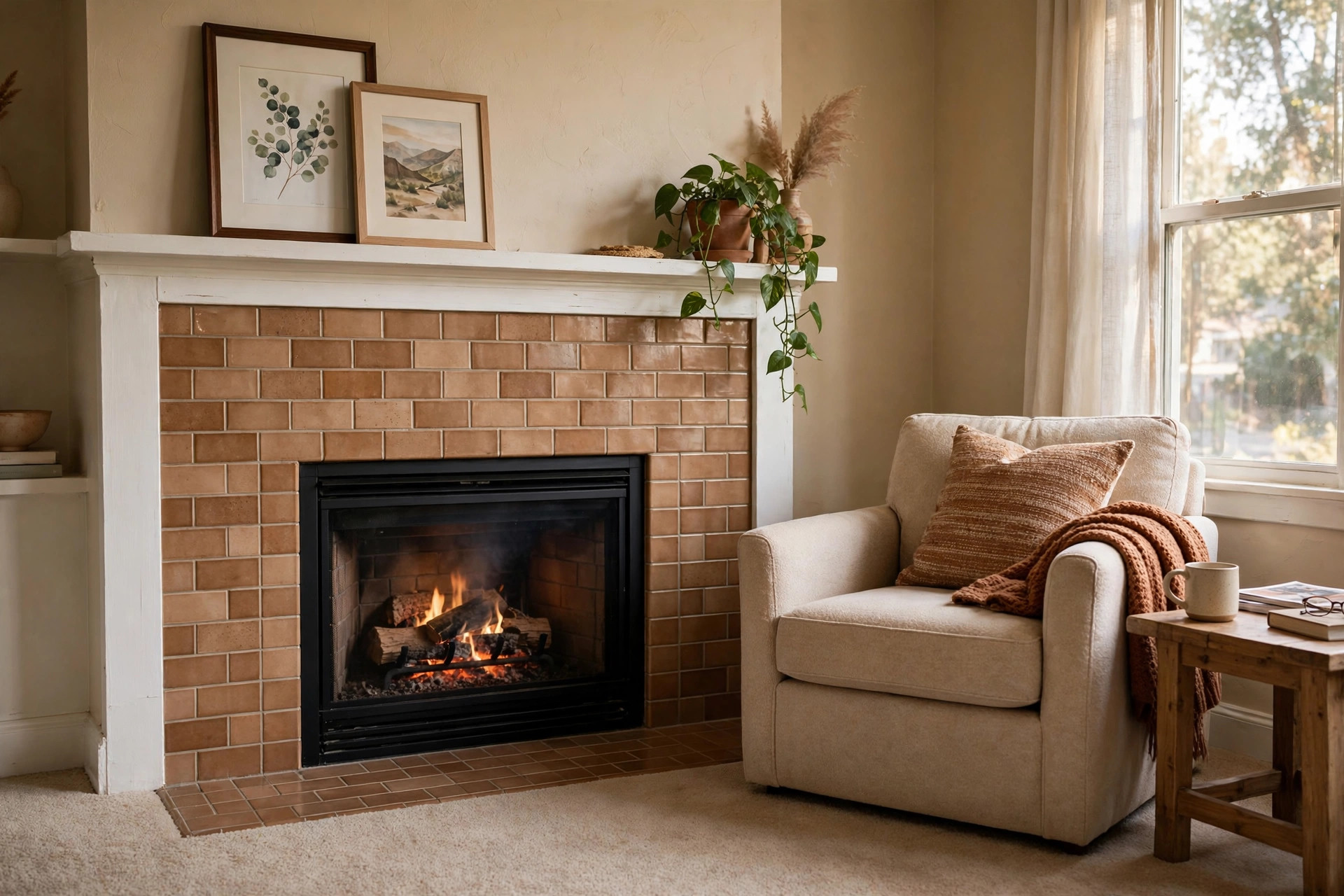

A tile fireplace surrounds price comparison USA buyers can trust is hard to find. Prices swing wide. One store quotes a few hundred dollars. Another quotes several thousand. This guide gives plain numbers. It shows what drives prices up or down. It also gives steps for buying with care. The facts here suit any state and any style of home. Prices shift by region and by season, so the ranges below keep you ready for real quotes.
Why the Tile Surround Matters
The surround is the border around the firebox. It takes the eye. It sets the tone of the room. Tile is a favorite for this job. It stands up to heat. It cleans with a damp cloth. It comes in endless colors and shapes. A good surround can raise the value of a home. A cheap or sloppy one can drag the room down. Real estate agents often point to the hearth in photos. It is one of the first things buyers see in a living room.
Price comparison matters because tile costs differ more than most buyers expect. The same square foot of tile can cost two dollars or forty dollars. Labor adds another swing. A simple face takes a day. A floor-to-ceiling design takes a week. Knowing the range keeps you from paying too much or buying too little. A careful shopper reads this fireplace glass doors reviews and buying guide too, since doors and surrounds are often bought together.
What to Look for When You Compare Prices: Tile Fireplace Surrounds Price Comparison Usa
A fair price comparison needs the same facts on both sides. Before you compare quotes, write down these points.
Tile Material and Finish
Ceramic tile is the low-cost workhorse. Porcelain is denser and tougher. Natural stone is rich and costs more. Glass tile gives a bright shine but needs a skilled hand. Handmade tile has charm but wider price gaps. Always ask what material the quote covers. A quote for ceramic means little next to a quote for marble.
Tile Size and Layout
Big tiles mean fewer grout lines and faster labor. Small mosaics take longer to set. A simple straight grid costs less than a herringbone pattern. Borders and insets add labor time. When you compare, ask for the same pattern in each quote.
Getting Fair Quotes
Ask each bidder for the same written list. The list should name the tile brand and line. It should name the backer board type. It should show the square footage and the pattern. It should state the grout type and color. It should show cleanup and disposal terms. With these facts, price gaps become clear. One bidder may use cheap thinset. Another may include sealant. The higher price may be the better deal. Never take a quote over the phone. A site visit lets the setter see the wall condition. Old walls may need repair before tile goes up. A brand project page often shows the parts a full surround job needs.
Surround Area Size
Measure the width and height in inches. Multiply to get square inches. Divide by 144 for square feet. Most American surrounds run from 15 to 60 square feet. Price per square foot is the only fair way to compare. A flat fee tells you nothing without the area.
Tile Types and Your Budget
Each tile type has a clear price lane. Here is how they line up.
Ceramic Tile
Ceramic is the most common choice. It costs two to eight dollars per square foot for the tile itself. It suits most wood-burning and gas fireplaces. It comes in plain and glazed finishes. Installation runs seven to fifteen dollars per square foot. This is the value lane. Most home improvement guides list ceramic first for this reason.
Porcelain Tile
Porcelain is fired harder than ceramic. It resists chips and stains. It mimics stone and wood well. Tile costs four to fifteen dollars per square foot. Labor runs eight to eighteen dollars per square foot. It suits busy homes with kids and pets. The latest reviews often place porcelain at the top for durability.
Natural Stone and Marble
Slate, travertine, and marble bring real stone to the hearth. Tile costs ten to forty dollars per square foot. Marble runs highest. Labor runs twelve to twenty-five dollars per square foot because stone needs care. Stone can crack under heat shock, so it needs the right backer board. Many project walkthroughs show stone surrounds done right.
Glass and Handmade Tile
Glass tile costs eight to thirty dollars per square foot. It needs a perfect base because flaws show through. Handmade tile runs ten to forty dollars per square foot. Each piece differs in tone and size. Both need an experienced setter. Labor runs fifteen to thirty dollars per square foot.
Cost and Price: A Full Comparison
Here is the full picture for a typical 30-square-foot surround in the USA. Material, labor, and extras are shown side by side.
| Tile Type | Tile Cost | Labor Cost | Total (30 sq ft) | |—|—|—|—| | Ceramic | $60-$240 | $210-$450 | $270-$690 | | Porcelain | $120-$450 | $240-$540 | $360-$990 | | Natural stone | $300-$1,200 | $360-$750 | $660-$1,950 | | Marble | $450-$1,500 | $400-$800 | $850-$2,300 | | Glass mosaic | $240-$900 | $450-$900 | $690-$1,800 |
Extras add to the total. Backer board and thinset run one to three dollars per square foot. Grout runs under a dollar per square foot. Trim pieces cost three to ten dollars per linear foot. Old tile removal adds two to five dollars per square foot. A mantel, if new, runs 200 to 2,000 dollars on its own.
Regional labor changes the math. City rates run higher than rural rates. The buy tile fireplace surrounds online in texas market shows strong demand and steady prices. Buyers who buy tile fireplace surrounds online in colorado often see higher labor rates in mountain towns. Always get three local quotes. The store price lists give a fair baseline for materials.
Online buying can save money on tile. Freight is the catch. Heavy tile ships at real cost. Order samples first. A sample costs a few dollars and saves regret. DIY instructions help you judge whether the job is worth doing yourself.
Doing the work yourself can cut the total by half. A skilled homeowner can set a straight ceramic layout in a weekend. The tools cost 100 to 200 dollars. A wet saw rents for about 50 dollars a day. The savings come from labor. But a bad set is costly to fix. Thinset that is too thick can crack. Uneven grout lines show forever. Weigh your skill before you start. Many buyers split the job. They do the removal themselves and hire a setter for the tile. This middle path saves money and keeps quality high.
Care and Upkeep
Tile asks little but gives back a lot with basic care. Wipe soot from the surround with a damp cloth and mild soap. Do this each month during the burning season. Avoid harsh acids on natural stone. They eat the finish. Use a stone-safe cleaner for marble and travertine.
Check grout once a year. Cracks let moisture in. Small cracks take a dab of fresh grout. Large cracks may need a full re-grout. Sealed stone needs re-sealing every one to two years. Drop water on the stone. If it beads, the seal holds. If it soaks in, seal again.
Heat causes slow wear. Hairline cracks near the firebox are common over years. A heat-safe caulk fills the gap between tile and firebox. Painted tile needs heat-rated paint. Standard wall paint will bubble. Keep the area around the hearth clear of dust and lint. Vacuum the hearth each month. Soot stains set fast if left alone. A baking soda paste lifts light stains from glazed tile. Test any cleaner on a hidden spot first. The maker resources explain how heat moves through a surround.
Safety
Safety comes before style. Every surround must follow local fire codes. Tile is non-combustible, which helps. But the frame behind it must be right. Keep the required clearance between the firebox and any wood trim. The manual for your unit states the exact inches.
Wood-burning units need a hearth extension of non-combustible material. It must reach a set distance in front of the firebox. Gas units have their own rules. Never block air vents with tile or grout. Never tile over the glass door frame of a direct-vent unit unless the manual allows it.
The EPA burn-wise program gives sound advice on safe wood burning. Dry wood burns cleaner and cooler than wet wood. Have the chimney swept once a year. A clean flue cuts creosote risk. Install smoke and carbon monoxide alarms near the hearth. Test them monthly. When in doubt, call a certified sweep or the maker. Heater brand pages post clearances and manuals for their units.
Frequently Asked Questions
How much does a tile fireplace surround cost in the USA? A typical installed surround costs 800 to 3,500 dollars. Simple ceramic jobs land near the low end. Full-height marble jobs land near the high end. Material choice drives most of the range.
Can I tile over an existing brick fireplace? Yes, in most cases. The brick must be sound and clean. A backer board or a scratch coat goes over the brick first. Then the tile sets on the new base. Check that the added depth does not break clearance rules.
What tile is safest for a wood-burning fireplace? Porcelain and ceramic rate highest for safety and value. They handle heat cycles well. Natural stone works too with the right backer. Avoid plastic trim and standard paint near the firebox.
Can tile crack from fireplace heat? Yes, it can. Fast heat swings stress the tile. The right backer board and heat-rated thinset cut the risk. Leave the caulked gap between tile and firebox. It lets the parts move without cracking. Small cracks can be repaired. Wide cracks mean the base needs work.
Does a tile surround need a permit? Many towns require a permit for hearth work. Rules differ by place. Call the local building office before you start. A failed inspection costs more than a permit.
How long does installation take? A simple flat surround takes one to two days. Removal of old tile adds a day. Floor-to-ceiling designs take three to five days. Cure time for thinset adds a wait before grouting.
Should I hire a pro or do it myself? Straight ceramic layouts suit a skilled DIYer. Stone, glass, and complex patterns suit a pro. A pro also knows code clearances. Get quotes both ways and compare the true cost.
A Final Word
A tile surround is one of the best value upgrades in the home. The numbers are clear. The work is honest. Compare three quotes with the same facts. Pick tile that fits your budget and your heat source. Keep the safety rules in mind. Plan for the off season if you can. Setters charge less in spring and summer than in the fall rush. The result is a hearth that looks fine for decades and costs less than most buyers fear.
References
Family Handyman. (n.d.). DIY home repair and maintenance. https://www.familyhandyman.com Heatilator. (n.d.). Fireplaces and fireplace products. https://www.heatilator.com Lowe’s. (n.d.). Home improvement products. https://www.lowes.com Napoleon. (n.d.). Fireplaces, grills, and heating products. https://www.napoleon.com The Home Depot. (n.d.). Home improvement products. https://www.homedepot.com The Spruce. (n.d.). Home and garden advice. https://www.thespruce.com This Old House. (n.d.). Home renovation guidance. https://www.thisoldhouse.com U.S. Environmental Protection Agency. (n.d.). Protecting human health and the environment. https://www.epa.gov
Was this guide helpful?

About Lisa Anderson
The My Garden US editorial team writes practical, in-depth home and garden guides for American homeowners — tested advice, no fluff.
You May Also Like
Propane Fire Pits Price Comparison USA: A Practical Guide to What You Should Pay
September 24, 2026 0 views
Luxury Andirons for Fireplaces for Sale: A Complete Buyer’s Guide
January 28, 2026 0 views
Affordable Fireplace Mantel Shelves for Sale: A Plain Buyer’s Guide
February 6, 2026 0 views