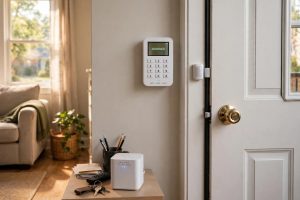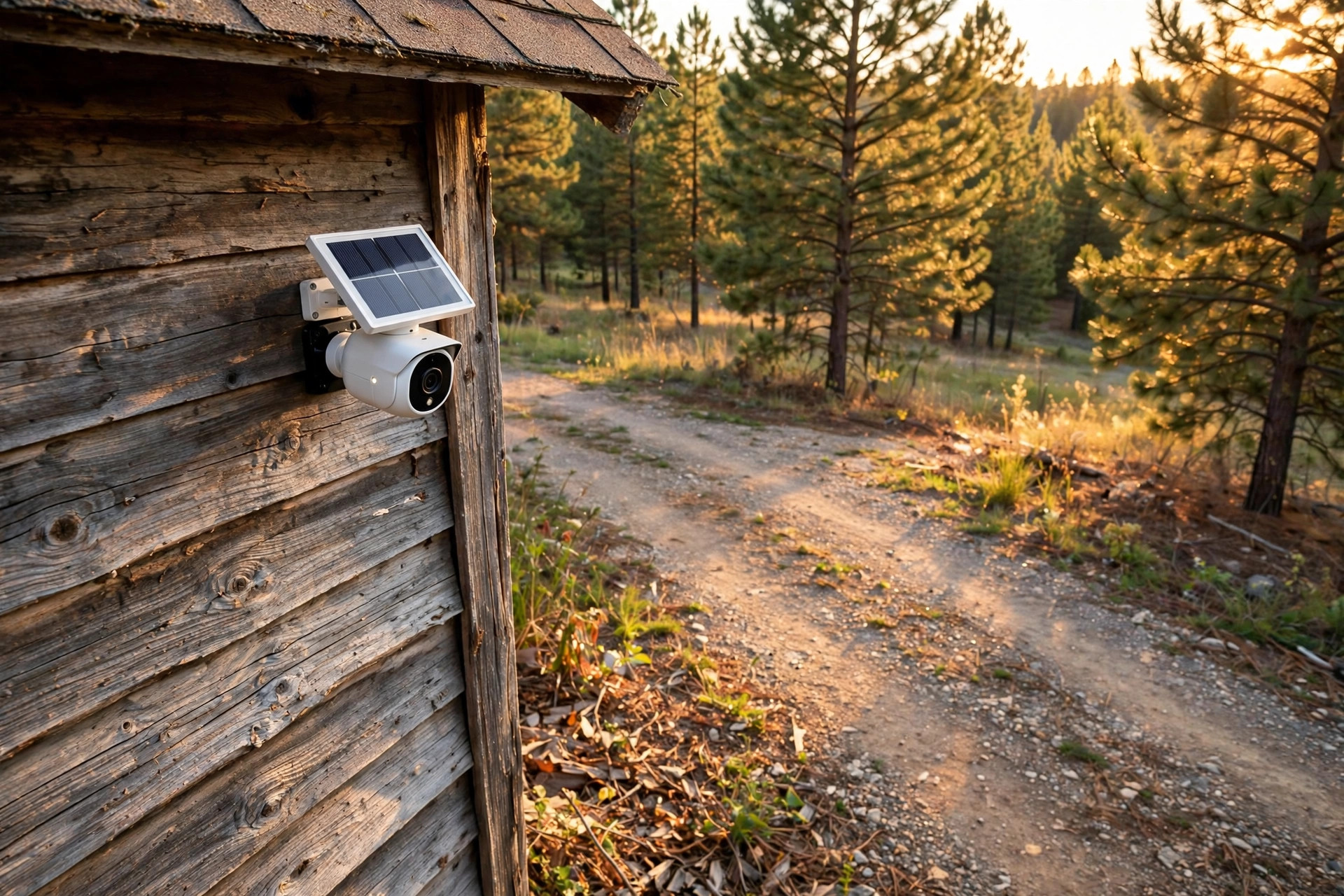

A cellular security camera no wifi unit sends video over cell towers instead of a home internet line. This page gathers what cellular security camera no wifi reviews usa buyers usually want to know before they spend money. It explains how the cameras work, what to look for, what they cost, and how to keep them running. Many buyers live on farms, in cabins, or at work sites where WiFi does not reach. Others want a camera at a gate or a barn that the house router cannot cover. The idea is simple. The camera carries its own cell connection, the way a phone does. You buy the camera, add a data plan, mount it outside, and check the video on your phone.
Readers who skim cellular security camera no wifi reviews usa online will see one theme again and again. These cameras trade constant video for smart alerts. They wake up when they sense motion, take a clip or a photo, and send it over the cell network. That design keeps data use low and batteries alive for weeks or months. It is not the same as a wired camera that records all day. But for a remote shed, a rental cabin, or a construction site, it is often enough.
Why a No-WiFi Cellular Camera Matters
Homes in town have WiFi almost everywhere. The moment you drive out of town, that changes. A barn sits too far from the router. A lake cabin has no internet at all. A work trailer moves from site to site. In these places, a normal WiFi camera is useless. A cellular camera fills the gap. It needs only a cell signal and power.
Reviews from American buyers point to three common jobs for these cameras. The first is property watch. Owners check on cabins, gates, and storage buildings from miles away. The second is work site watch. Builders watch tools and machines overnight. The third is animal and land watch. Farmers check feed rooms and fences. Hunters watch trails.
A cellular camera also serves as a backup. Storms knock out home internet in many states each year. When WiFi dies, ordinary smart cameras go blind. A cellular camera keeps sending alerts because it uses a different path. Pairing one cellular camera with the rest of a home system gives the owner eyes on the house even when the internet line is down. Buyers who read best smart home starter kit under 500 usa guides often add one cellular camera to a basic kit for this very reason.
How Cellular Cameras Work Without WiFi: Cellular Security Camera No Wifi Reviews Usa
Inside every cellular camera sits a small modem and a slot for a SIM card. The SIM ties the camera to a carrier plan, the same way a phone SIM ties a phone to a plan. The owner then opens an app on a phone and views the clip.
The SIM can come built in or be one you add. Some makers sell the camera with a data plan attached. You pay the maker each month or year, and the plan covers a fixed amount of data. Other makers let you insert your own SIM from a carrier you choose. Each path has a trade. A maker plan is simple to start. Your own SIM can be cheaper if you already have a family or farm plan with extra lines.
Storage splits into cloud and local. Many makers store clips on their cloud for a week or two as part of the plan. Some cameras also take a small memory card that saves clips inside the camera. The card is a good backup. If the cell signal drops during a storm, the camera can still save to the card and send the clip later.
What to Look for Before You Buy
Cell signal comes first. Check the carrier coverage map for the exact spot where the camera will sit. Look for the supported bands in the specs. A camera built for American LTE bands will work best on American networks.
Picture quality comes next. Most cellular cameras offer 1080p video. Some offer 2K. Higher detail helps you read a license plate or see a face. Night vision matters too. Check the stated night range in feet. Infrared night video looks black and white but works in full dark. Some models add a small spotlight that turns on with motion and gives color night video. The spotlight uses more battery but gives a clearer picture.
The motion sensor decides when the camera wakes. A passive infrared sensor is standard. It reacts to heat and movement, which cuts false alerts from waving branches. Look for adjustable sensitivity. A good delay setting stops the camera from sending ten clips for one long event.
Battery life is often the key spec in reviews. Makers state weeks or months per charge, but real life depends on motion count. A camera at a busy gate wakes a hundred times a day and drains fast. A camera at a quiet cabin wakes twice a week and lasts months. Solar panels solve this for sunny spots. If the site sees little sun, pick a camera with a large battery or plan on swapping batteries.
Weather rating is a must for outdoor use. Look for an IP rating such as IP65 or IP66. These marks mean the camera resists dust and rain. Check the working temperature range. Northern states see deep cold, and southern states see harsh heat. A camera rated for the local climate lasts longer.
The app and the alerts shape daily use. A good app loads clips fast and lets you change settings from far away. Push alerts should arrive in seconds. Two way talk lets you speak through the camera to warn off a trespasser or greet a visitor. Some apps send a photo preview with the alert, which saves data because you can skip the full clip when the photo shows only a deer.
Types and Options on the Market
Cellular trail style cameras are the oldest type. They look like small boxes with a lens and a sensor. They excel at wildlife and land watch. Many take great night photos. They are cheap to run and easy to hide.
Cellular home style cameras look like ordinary outdoor security cameras. They mount on a wall and watch a door, a driveway, or a yard. They often include two way talk and a spotlight. They blend with a normal home security setup.
Cellular pan tilt cameras can turn and tilt from the app. One camera can cover a whole yard or a barn interior. The moving parts use more power, so a solar panel or a cord is wise.
Cellular doorbell style units are rare but growing. They guard a cabin door where a wired doorbell cannot work. They send a knock alert to the phone just like a normal smart doorbell.
Some buyers want more than cameras. A best door alarm sensor for apartments usa can guard the cabin door itself while the cellular camera watches the approach. The two devices cover different jobs and cost little together.
Cost and Price: Camera, Plan, and Extras
The camera itself usually costs between one hundred and three hundred dollars in the United States. Basic trail style models sit at the low end. Pan tilt models with 2K video sit at the high end.
The data plan is the running cost. Maker plans often start near five to ten dollars a month for a small data bundle. Larger bundles cost more. Yearly payment usually lowers the monthly rate. Some makers offer a free trial period so the buyer can test coverage before paying. Your own SIM can cost less if added to an existing carrier plan, but check the data rules. Video uses far more data than texts or calls.
Watch for extras. Cloud storage beyond the free window costs extra on many brands. A solar panel may be sold apart from the camera. Mounts, memory cards, and longer warranties add to the total. Add these to the first year cost when you compare models. A cheap camera with a costly plan can cost more over two years than a dear camera with a cheap plan.
Guides on CNET and PCMag remind buyers to price the plan before the camera. The plan is the part you pay every month. A plan you cannot afford means a camera you stop using.
Care and Upkeep Through the Seasons
A cellular camera needs little care, but a few habits keep it working. Clean the lens and the solar panel twice a year. Dust and pollen cut night vision and slow charging.
Check the mount after storms. Wind loosens brackets. A camera that drifts out of aim sends alerts for the wrong zone. Tighten screws each spring and fall.
Update the firmware when the app offers it. Updates fix bugs and improve battery use. Most cameras update over the cell link at night. Keep the battery above a quarter charge during an update so it does not fail halfway.
Review the motion zones each season. Tall summer grass waves in the wind and wakes the sensor. Snow piles change the view in winter. A five minute check in the app each season saves data and false alerts all year. Owners who also run yard gear from smart sprinkler controller reviews 2026 usa lists often do both checks on the same spring weekend.
Safety and Smart Use
Mount the camera out of easy reach. Eight to ten feet up is a good height for a wall. High mounting stops easy theft and gives a better view. Use the screws that come with the mount, and add a lock box in rough areas.
Think about power safety. Solar panels and cords must be rated for outdoor use. Keep cords away from walk paths. Do not run an indoor extension cord outside. Water and power do not mix.
Respect the law and your neighbors. Recording your own land is normal in most states. Pointing a camera straight into a neighbor window is not wise and may break local rules. Audio recording has stricter rules in some states. Check state law before you turn on sound recording. Signs that say the area is watched can deter trouble and show fair warning.
Mind the spotlight. A bright white light that fires all night can annoy neighbors and waste battery. Set the spotlight to fire only on motion near the camera, and aim it down at your own ground.
Data safety matters too. Use a strong password on the camera account. Turn on two step login if the app offers it. The CPSC and tech press such as The Verge both urge owners to keep smart devices updated and locked with strong passwords. A camera account is a door into your property. Lock it like one.
If you buy a used camera, reset it fully before you mount it. Remove the old owner account and the old SIM. Add your own SIM and your own account. Never trust a used SIM. It may still bill the old owner, or worse, give them access to your clips.
Frequently Asked Questions
Do I need WiFi at all for a cellular security camera?
No. The camera uses the cell network for its data. Your phone needs internet to view the clips, but the camera site needs none. That is the whole point of the design. Buyers in cabins, barns, and work yards choose these cameras for this exact reason.
How much data does a cellular camera use each month?
It depends on motion. A quiet site may use less than one gigabyte a month. A busy site with many clips may use several gigabytes. Photo only modes use the least data. Live view uses the most. Most maker plans size their tiers for these ranges. Check your motion count after the first month and pick the tier that fits.
Can I use my own SIM card?
Many models allow it. Check the specs for unlocked or bring your own SIM support. The camera must support your carrier bands. Some makers lock their cameras to their own plans. If you want carrier choice, pick an unlocked model before you buy.
Will a cellular camera work during a power outage at home?
Yes, if the camera has its own battery or solar power. It does not need your home power or internet. That makes it a fine backup watcher when storms cut power. Keep the battery charged and the data plan active.
Are there monthly fees I cannot avoid?
The data plan is the one fee you cannot avoid. The camera must send video somehow, and the carrier charges for that path. Some makers add cloud storage fees on top. Look for models with free basic cloud or local memory card storage to keep the total low. Brands covered by SimpliSafe, ADT, and the Google Store device pages show how plans and storage fees stack up across the market. Readers who want the full house picture often compare these cameras with whole home systems reviewed by Ring as well.
A Short Final Word
A cellular security camera with no WiFi need is a simple tool for a hard problem. It watches places the internet does not reach. Pick a model with solid cell support for your carrier, a battery plan that fits your climate, and a data plan that fits your motion level. The reviews agree on this much: the best camera is the one that still sends its clip on the coldest night of the year.
References
ADT. (n.d.). Home security and automation. https://www.adt.com CNET. (n.d.). Technology news and reviews. https://www.cnet.com Google Store. (n.d.). Smart home devices. https://store.google.com PCMag. (n.d.). Technology product reviews. https://www.pcmag.com Ring. (n.d.). Smart home security devices. https://www.ring.com SimpliSafe. (n.d.). Home security systems. https://www.simplisafe.com The Verge. (n.d.). Technology news and reviews. https://www.theverge.com U.S. Consumer Product Safety Commission. (n.d.). Product safety information. https://www.cpsc.gov
Was this guide helpful?

About Michael Thompson
The My Garden US editorial team writes practical, in-depth home and garden guides for American homeowners — tested advice, no fluff.
You May Also Like
Apartment Security System No Drilling Reviews: A Complete Guide for Renters
July 25, 2026 0 views
Smart Home WiFi Network Setup Guide USA: A Plain Plan for a Strong Home
August 28, 2026 0 views
Smart CO Detector with App Alerts USA: A Guide for Every Home
April 22, 2026 0 views