
Window blinds have worked the same way for a hundred years. A person pulled a cord. A person turned a wand. That is changing now. Motorized shades and smart blinds let a room change its light at the touch of a button or the sound of a voice. The best smart blinds reviews 2026 usa listings show a market that is wider, cheaper, and easier to use than it was even two years ago. This guide explains what to look for, what the main types are, what they cost, and how to keep them in good shape.
Why Smart Blinds Matter
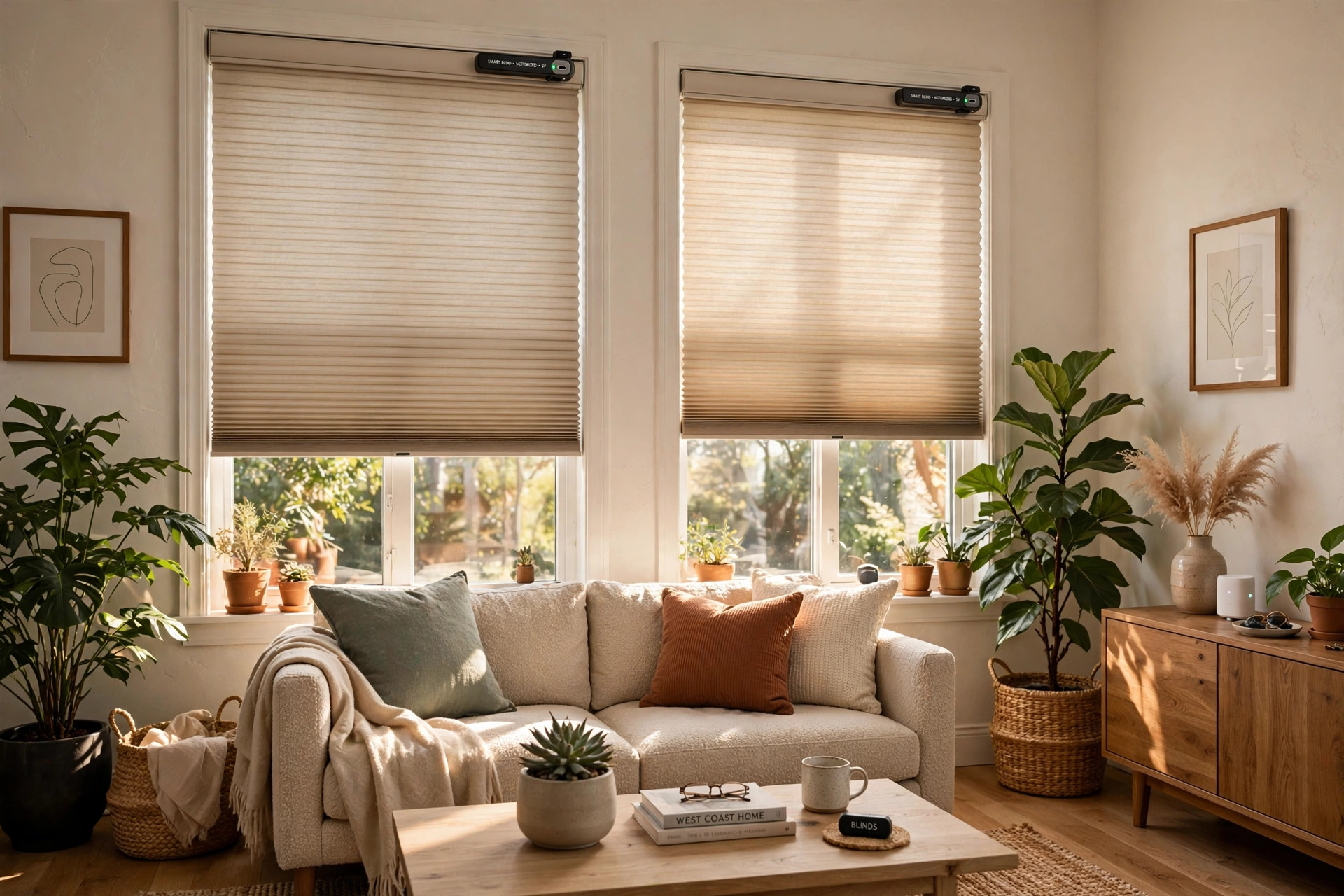
A smart blind is a window covering with a small motor built in. The motor moves the blind up, down, or across. A wireless signal controls it. A phone app, a remote, a wall switch, or a voice assistant sends that signal. Some models also follow a schedule. They open at sunrise and close at dusk without a word from the owner.
The appeal is simple. Hard-to-reach windows become easy to manage. A skylight or a tall great-room window no longer needs a long pole. Privacy becomes quick. One tap closes every shade in the house before night falls. Energy use can drop too. Closed shades block summer heat. Open shades let winter sun warm a room. Reviewers at Consumer Reports often note that comfort and energy savings are the two main reasons people buy motorized shades.
There is also a safety reason. Corded blinds have caused injury to small children and pets for decades. A cordless motorized blind removes the cord altogether. The U.S. Consumer Product Safety Commission has long warned about the danger of window cords. Smart blinds solve that problem by design.
How to Choose Smart Blinds: Best Smart Blinds Reviews 2026 Usa
Choice starts with the window, not the brand. Measure each window first. Write down the width and the height. Decide if the blind will sit inside the window frame or across the front of it. Inside mounts look neat. Outside mounts cover more glass and block more light. A guide to measuring windows from a window-covering retailer can help first-time buyers get the numbers right.
Power Source
Smart blinds need power. There are three main ways to give it to them. Battery packs are the most common. They sit behind the headrail and need a charge every six to twelve months. Rechargeable batteries are better than throwaway ones. They cost less over time and make less waste. Some blinds plug into a wall outlet. This works well for windows near a socket. It never needs a recharge. Hardwired blinds connect to the home’s electric lines. An electrician installs them. They suit new builds and full remodels.
Motor and Noise
Motors differ in sound. Cheap motors hum. Good motors whisper. Noise matters in a bedroom or a home office. Reviews on sites like CNET and PCMag often test motor noise as part of their ratings. Look for a decibel rating or read owner comments about sound. A blind that wakes a sleeping child is a bad blind.
Control and Compatibility
Check how the blind is controlled. Most brands offer a phone app and a small remote. The better ones also work with voice assistants and smart home platforms. Google Home users can check device compatibility before they buy. Apple HomeKit, Amazon Alexa, and Samsung SmartThings are the other main platforms. A blind that fits your current platform is easier to live with. One that needs its own separate hub adds clutter.
Fabric and Light Control
Fabric decides how much light comes through. Sheer fabrics soften light but keep the view. Light-filtering fabrics glow softly and guard privacy. Blackout fabrics block nearly all light. They suit bedrooms and media rooms. Color matters too. Light colors reflect heat. Dark colors absorb it. A buyer in a hot climate may want a light fabric on south-facing glass.
Types of Smart Blinds
The market holds several main types. Each fits a different window and a different taste.
Cellular shades are the most popular smart option. Their honeycomb cells trap air and insulate the window. They are light, quiet, and energy friendly. Most big brands sell a motorized cellular shade. Reviewers often rank them first for value.
Roller shades are a simple roll of fabric. They look clean and modern. They come in sheer, filtering, and blackout fabrics. They are among the cheapest motorized options. A single wide roller shade can cover a sliding door.
Roman shades fold into soft pleats as they rise. They look like drapery but work like a shade. Motorized Roman shades add a classic touch to living rooms and dining rooms. They cost more than rollers because of the extra fabric work.
Wood and faux-wood blinds have slats that tilt. The motor tilts the slats and can also raise the blind. Real wood looks rich but warps in damp rooms. Faux wood resists moisture and suits kitchens and baths.
Vertical blinds hang in strips and slide across wide openings. They are the classic choice for patio doors. Motorized verticals glide at the touch of a button. For a head-to-head look at two leading systems, see our Lutron vs IKEA smart blinds comparison.
Readers with very wide glass should also read our guide to the best motorized shades for large windows, which covers sizing and motor strength in detail.
What Reviewers Say in 2026
This year’s reviewers agree on a few points. First, battery life has improved. Most brands now promise six months or more on a charge. Second, setup has become simpler. Bluetooth pairing and step-by-step apps have replaced fiddly manuals. Third, prices have fallen. A basic motorized roller shade now starts near the price of a good manual blind.
Reviewers also warn about a few traps. Cheap no-name motors may lose their connection to the app. Some brands charge extra for the hub that links the blinds to a voice assistant. Always check what is in the box. The Verge smart home coverage notes that hub requirements are the most common surprise for new buyers.
Tech reviewers at big outlets test these products in real homes. Their write-ups cover motor noise, app quality, and long-term battery life. Reading two or three reviews before buying is wise. A single review can miss a flaw that a second one catches.
Cost and Price
Prices vary widely. A single motorized roller shade for a standard window can cost between 150 and 400 dollars. Cellular shades run a bit higher, from 200 to 500 dollars per window. Custom sizes and premium fabrics push prices up. High-end brands with designer fabrics can charge 600 to 1,000 dollars per window.
The motor itself adds about 100 to 200 dollars to the price of a manual shade. Battery packs add less. A hub, if one is needed, costs 50 to 150 dollars. Professional measuring and installation adds 75 to 200 dollars per window. Many buyers install the blinds themselves. Most brands design their brackets for do-it-yourself mounting.
A whole-house project adds up fast. Ten windows at 300 dollars each is 3,000 dollars before installation. Some buyers start with two or three key windows. They add more later. This spreads the cost and lets them test the brand first. Shoppers can compare current prices at major retailers like The Home Depot.
Watch for sales. Window coverings go on sale often, especially in spring and fall. A 20 to 30 percent discount is common. Buying during a sale can save hundreds on a full house.
Care and Upkeep
Smart blinds need little care. Dust them once a month with a soft cloth or a vacuum brush. Wipe the headrail with a dry cloth. Keep liquids away from the motor and the battery pack. Water and electronics do not mix.
Check the battery twice a year. Many apps show the battery level. Charge or replace the pack before it runs flat. A blind that stops halfway is often just low on power. Clean the charging port with a dry cotton swab if charging seems slow.
Keep the fabric in good shape. Do not yank a shade that sticks. Look for an object caught in the track. Most shades have a reset button on the motor. Hold it for a few seconds to reset the travel limits. The manual explains the steps. If the blind still misbehaves, call the maker’s support line before forcing anything.
Sun fades fabric over time. Rotating which shades face the strongest sun can even out the wear. Some brands sell replacement fabric that fits the old motor. This is cheaper than buying a whole new blind.
Safety
Smart blinds are among the safest window coverings. They have no hanging cords. That removes the main danger to toddlers and pets. Still, a few safety steps matter.
Mount the brackets firmly. A heavy shade that falls can hurt someone. Use the screws and anchors that come in the box. For drywall, use proper wall anchors. Test the mount by tugging gently before you hang the shade.
Keep small remotes out of the reach of young children. Some remotes use coin batteries. A swallowed coin battery is a medical emergency. Choose a remote with a screwed-shut battery door. Wall switches mounted high are safer still.
If the blind uses a plug-in power cord, run the cord where no one trips on it. Do not run cords under rugs. Check the cord once a year for cracks or fraying. Replace a damaged cord at once.
Frequently Asked Questions
Do smart blinds work without the internet? Most do. The remote and the wall switch use a local wireless signal. They work when the internet is down. Voice control and phone apps may need the internet. Check the brand’s manual for details.
How long do the batteries last? Six to twelve months is normal with daily use. Heavy use drains them faster. Rechargeable packs are the best choice. Some brands sell a small solar panel that trickle-charges the battery.
Can I install smart blinds myself? Yes, in most cases. The brackets screw into the window frame. The shade clicks into the brackets. The app walks you through pairing. An average window takes about thirty minutes. Very wide or heavy shades may need two people.
Do smart blinds work with Alexa and Google Home? Many do, but not all. Check the product page for the exact platforms. Some need a hub for voice control. Others connect straight to Wi-Fi. Our smart curtain rod reviews for sliding doors also cover voice-platform fit for wide openings.
Are smart blinds worth the money? For hard-to-reach windows, yes. For daily comfort and privacy, many owners say yes. For a rarely used guest room, a manual blind may do. Start with the windows you use most.
What happens in a power cut? Battery blinds keep working. Plug-in blinds stop until power returns. Most motors hold their position when power fails. The shade stays where it was.
A Final Word
The best smart blinds reviews 2026 usa roundups point to the same lesson. Buy for your windows first and your gadgets second. Measure well. Pick the right fabric. Make sure the blind speaks to the smart home system you already own. A quiet motor and a long-lived battery matter more than a fancy app. Start with one or two windows if the budget is tight. Good shades last a decade or more, so a careful choice pays off for years.
References
Blinds.com. (n.d.). Window blinds, shades, and shutters. https://www.blinds.com CNET. (n.d.). Technology news and reviews. https://www.cnet.com Consumer Reports. (n.d.). Product reviews and ratings. https://www.consumerreports.org Google Store. (n.d.). Smart home devices. https://store.google.com PCMag. (n.d.). Technology product reviews. https://www.pcmag.com The Home Depot. (n.d.). Home improvement products. https://www.homedepot.com The Verge. (n.d.). Technology news and reviews. https://www.theverge.com U.S. Consumer Product Safety Commission. (n.d.). Product safety information. https://www.cpsc.gov
Was this guide helpful?

About Sarah Mitchell
The My Garden US editorial team writes practical, in-depth home and garden guides for American homeowners — tested advice, no fluff.
You May Also Like
Best Driveway Motion Sensor Alarm Reviews USA: A Plain Guide
June 21, 2026 0 views
Smart Landscape Lighting Kit Reviews USA: A Buyer’s Guide
January 21, 2026 0 views
Solar Gate Opener Reviews for Driveway USA: A Complete Buyer’s Guide
July 29, 2026 0 views