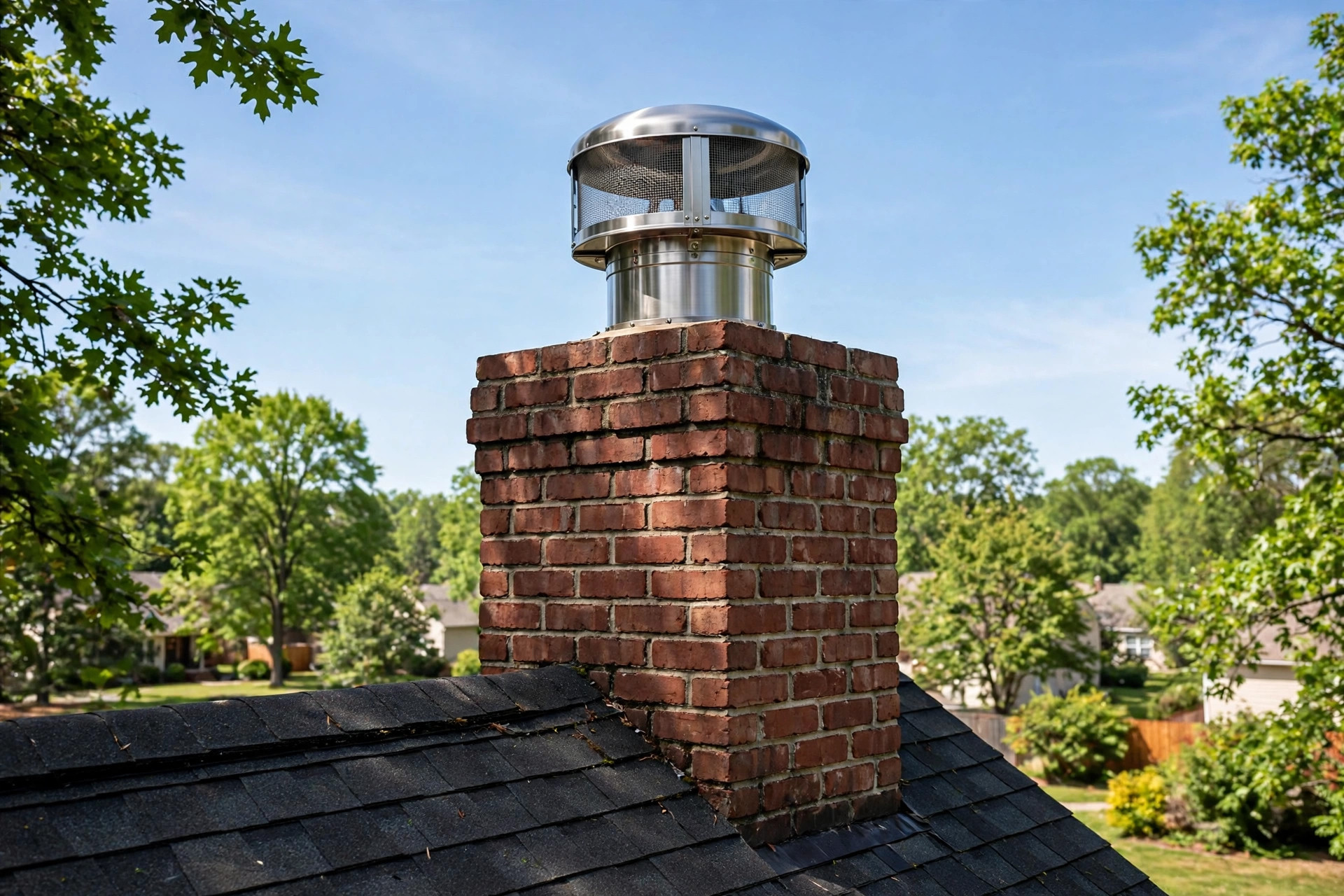

A chimney looks simple from the street. It is a brick or metal stack that lets smoke leave the house. But the small cap on top does a large job. It keeps rain out. It stops birds and leaves. It blocks stray sparks. When shoppers look for EPA certified chimney caps and covers for sale, they want one more thing: proof that the product meets a standard for clean and safe burning.
This guide explains what the label means, what to look for, and what to pay. It covers the main types, how to measure a flue, and how to keep a cap in good shape for years. If you heat your home with wood, this is one of the cheapest parts to upgrade and one of the most useful.
Why EPA Certification Matters
The United States Environmental Protection Agency sets rules for wood heaters. These rules limit the smoke and fine particles that a wood stove or fireplace insert may release. A device that passes the test can carry an EPA label. You can read more about the program and current standards at the Environmental Protection Agency.
Chimney caps themselves are not heaters, and the EPA does not run a separate certification program for every cap on the market. The words “EPA certified” in listings usually mean the cap is made to pair with EPA certified wood stoves and inserts. It tells you the maker designs for modern, cleaner-burning equipment. Some listings use the phrase loosely. So a careful buyer should look past the words on the box and check the materials, the fit, and the maker.
A good cap helps an EPA certified stove work as designed. Clean-burning stoves depend on steady draft. A cap that is too small or poorly built can choke the draft. That leads to sluggish fires and more smoke. A well sized cap keeps the draft steady. It also keeps rain off the flue liner. Rain and ash mix into a paste that eats metal and cracks clay. A cap that keeps the flue dry protects the whole chimney.
What to Look For When You Buy: Epa Certified Chimney Caps and Covers for Sale
Start with size. Measure the flue, not the outside of the chimney. A round metal flue is measured across its inside diameter. A clay tile liner is measured by the outside of the tile. Most homes use round flues from 6 to 12 inches, or square and rectangular tile liners. Write down both the shape and the dimensions before you shop.
Next, look at material. Stainless steel is the most common choice for quality caps. It resists rust and handles heat well. Copper caps cost more and last for decades; they age to a green patina that suits older brick homes. Galvanized steel costs the least but rusts sooner, often within a few years in wet climates. Aluminum is light and resists rust, but it is not the best pick for very hot flues.
Check the mesh. Most caps have a spark arrestor screen around the sides. The mesh must be fine enough to catch sparks but open enough to let smoke escape. A mesh with openings of about half an inch is the common standard, and some local codes require a spark arrestor by law. If you live in a fire-prone area, this is not a minor detail. It is a safety device.
Look at how the cap mounts. Some caps slip into the flue tile and tighten with screws. Others bolt to the chimney crown. Top-sealing models have a cable that runs down the flue to a handle at the fireplace; they act as both a cap and a damper. For a simple round metal flue, a slip-fit cap is the easiest to install.
Finally, read the listing for the words “EPA certified.” Then ask what the maker means by them. A honest listing will say the cap is built for use with EPA certified stoves and inserts. A listing that hides behind the phrase without details should be avoided. Good retailers and makers stand behind their claims, and guides at outlets like The Spruce and This Old House explain how to judge such claims.
Types of Chimney Caps and Covers
Single-flue caps are the most common. They cover one flue opening. They come in round, square, and rectangular shapes. A round slip-on cap for a 6-inch metal flue is the standard choice for factory-built chimneys.
Multi-flue caps are larger covers that sit over the whole chimney top. They protect two or more flues at once, plus the crown wash between them. These cost more, but they shield the masonry itself from rain. If your crown is cracked, a multi-flue cap can buy time before a full repair.
Top-sealing damper caps combine a cap with a damper. A cable runs down the flue to the fireplace. Pull the handle to open, push to close. When the fireplace is not in use, the lid seals tight and stops warm house air from escaping up the chimney. This saves energy. The Family Handyman site has practical notes on how these dampers pay for themselves in heating savings.
Wind-directional caps have a moving hood that turns with the wind. They are popular on windy sites and near tall trees or roofs that cause downdrafts. A good wind cap can calm a smoking fireplace on gusty days.
Covers and pan caps are flat or slightly pitched plates that sit over the chimney crown. They are not the same as flue caps. Some homeowners use them as a seasonal cover. If you are comparing full chimney covers and the best buying guide for caps, look for models that still allow proper draft when the flue is in use.
For shoppers who want context on their whole hearth system, it helps to read the best chimney caps and covers buying guide. Pairing a new cap with wood burning fireplace inserts for Texas homes or other modern EPA rated equipment is the usual path to a cleaner burn.
Cost and Price
Prices vary by material and size. A basic galvanized steel single-flue cap may cost 30 to 60 dollars. A stainless steel cap of good quality usually runs 80 to 200 dollars. Copper caps start near 200 dollars and can pass 500 dollars for large multi-flue models. Top-sealing damper caps often cost 150 to 350 dollars.
Multi-flue caps are priced by the footprint they cover. A small two-flue stainless cover may cost 200 to 400 dollars. Large custom copper units can run past 1,000 dollars. Installation adds to the total if you hire a sweep. Most single-flue caps take under an hour to install, and many sweeps charge 100 to 200 dollars for the visit. Top-sealing dampers take longer because of the cable run.
Compare prices at more than one store. Big retailers such as Home Depot and Lowe’s carry common sizes. Hearth specialty makers like Napoleon and Heatilator sell through dealers and their own channels. Shipping a large copper cap can add 30 to 80 dollars, so factor that into the price.
Watch for extras. Some caps include mounting hardware. Others sell it apart. A leg kit for a tile flue, a storm collar, or a sealant tube can add 15 to 40 dollars. Read the box or the listing so you know what is included.
Care and Upkeep
A chimney cap needs little care, but it should not be ignored. Check it once a year, in late summer before the heating season. Look for rust, loose screws, and bent mesh. Stainless steel can still corrode if creosote builds up on it, so brush off soot with a stiff brush.
Clean the mesh screen. A clogged screen chokes draft and can push smoke into the room. Most screens can be cleaned with a wire brush while the cap is in place. If the mesh is packed with creosote, the flue probably needs a professional sweeping.
Tighten the mounting screws. Wind and heat cycles loosen them. A loose cap can rattle in storms or blow off in high wind. If your cap uses a slip-fit mount, check that it still sits square on the flue.
Inspect the chimney crown at the same time. The crown is the cement slab on top of the masonry. Cracks let water into the bricks. A multi-flue cap sheds water away from the crown, but it does not fix a bad crack. Small cracks can be sealed with a crown repair product. Large cracks call for a mason.
If you also plan to service the flue liner, see this note on buying chimney liners online in California. A new liner and a new cap are often installed in the same visit, which saves on labor.
Safety
Chimney work is roof work. The roof is steep, high, and often slippery. Many homeowners hire a chimney sweep for inspection and installation. If you go up yourself, use a sound ladder, wear shoes with grip, and never work on a wet or icy roof.
Creosote is the dark, tarry residue of wood smoke. It builds up inside the flue and can catch fire. A chimney fire is loud and dangerous. The best defense is dry, seasoned wood, hot fires, and yearly sweeping. A cap does not prevent creosote, but it keeps rain and animals out, and both of those make creosote problems worse.
Animals nest in open flues. Birds, squirrels, and raccoons can block the flue or get trapped. A cap with an intact screen stops them. Check in spring for nesting material around the mesh.
Carbon monoxide is the silent risk. It is a colorless, odorless gas. A blocked or poorly drafting chimney can push it back into the house. Every home with a fuel-burning heater should have working carbon monoxide detectors on each floor. Test them monthly.
FAQ
What does “EPA certified” mean on a chimney cap listing? It usually means the cap is designed for use with EPA certified wood stoves and inserts, which meet federal limits on smoke and fine particles. It is not a separate EPA test of the cap itself. Ask the maker or seller to explain the claim.
How do I measure my chimney for a cap? Measure the flue opening, not the chimney. For a round metal flue, measure the inside diameter. For a clay tile liner, measure the outside of the tile. Note the shape: round, square, or rectangular. Take the numbers with you when you shop.
Can I install a chimney cap myself? Many slip-fit caps are simple to install with a ladder and a screwdriver. Top-sealing dampers and multi-flue caps are harder. If the roof is steep or the chimney is tall, hire a professional sweep.
How long does a chimney cap last? Stainless steel caps often last 10 to 20 years or more. Copper caps can last 30 years or longer. Galvanized steel may rust within 3 to 7 years in wet climates. Yearly checks extend the life of any cap.
Will a cap stop downdrafts? A standard cap helps a little. A wind-directional cap helps much more on gusty sites. If smoke still spills into the room, the problem may be a short flue, a nearby tall roof, or a house that is too airtight. A sweep can diagnose it.
Do I need a spark arrestor? Many local codes require one, and it is wise in any case. A mesh screen of about half-inch openings catches sparks that could start a roof or yard fire. Keep the screen clean so it does not block the draft.
A Final Word
A chimney cap is a small purchase with a large effect. It guards the flue from rain, animals, and sparks. It steadies the draft that a modern EPA rated stove needs to burn clean. Measure carefully, choose stainless steel or copper for a long life, and check the cap each year before winter. When you search for EPA certified chimney caps and covers for sale, look past the label and judge the material, the fit, and the maker. The right cap, bought once and kept well, will serve the chimney for decades.
References
Family Handyman. (n.d.). DIY home repair and maintenance. https://www.familyhandyman.com Heatilator. (n.d.). Fireplaces and fireplace products. https://www.heatilator.com Lowe’s. (n.d.). Home improvement products. https://www.lowes.com Napoleon. (n.d.). Fireplaces, grills, and heating products. https://www.napoleon.com The Home Depot. (n.d.). Home improvement products. https://www.homedepot.com The Spruce. (n.d.). Home and garden advice. https://www.thespruce.com This Old House. (n.d.). Home renovation guidance. https://www.thisoldhouse.com U.S. Environmental Protection Agency. (n.d.). Protecting human health and the environment. https://www.epa.gov
Was this guide helpful?

About Lisa Anderson
The My Garden US editorial team writes practical, in-depth home and garden guides for American homeowners — tested advice, no fluff.
You May Also Like
Reliable Fireplace Installation Services in Arizona: A Homeowner’s Guide
September 13, 2026 0 views
High Efficiency Fireplace Remote Controls with Free Shipping: A Full Buying Guide
July 19, 2026 0 views
Luxury Indoor Firewood Holders With Free Shipping
September 2, 2026 0 views