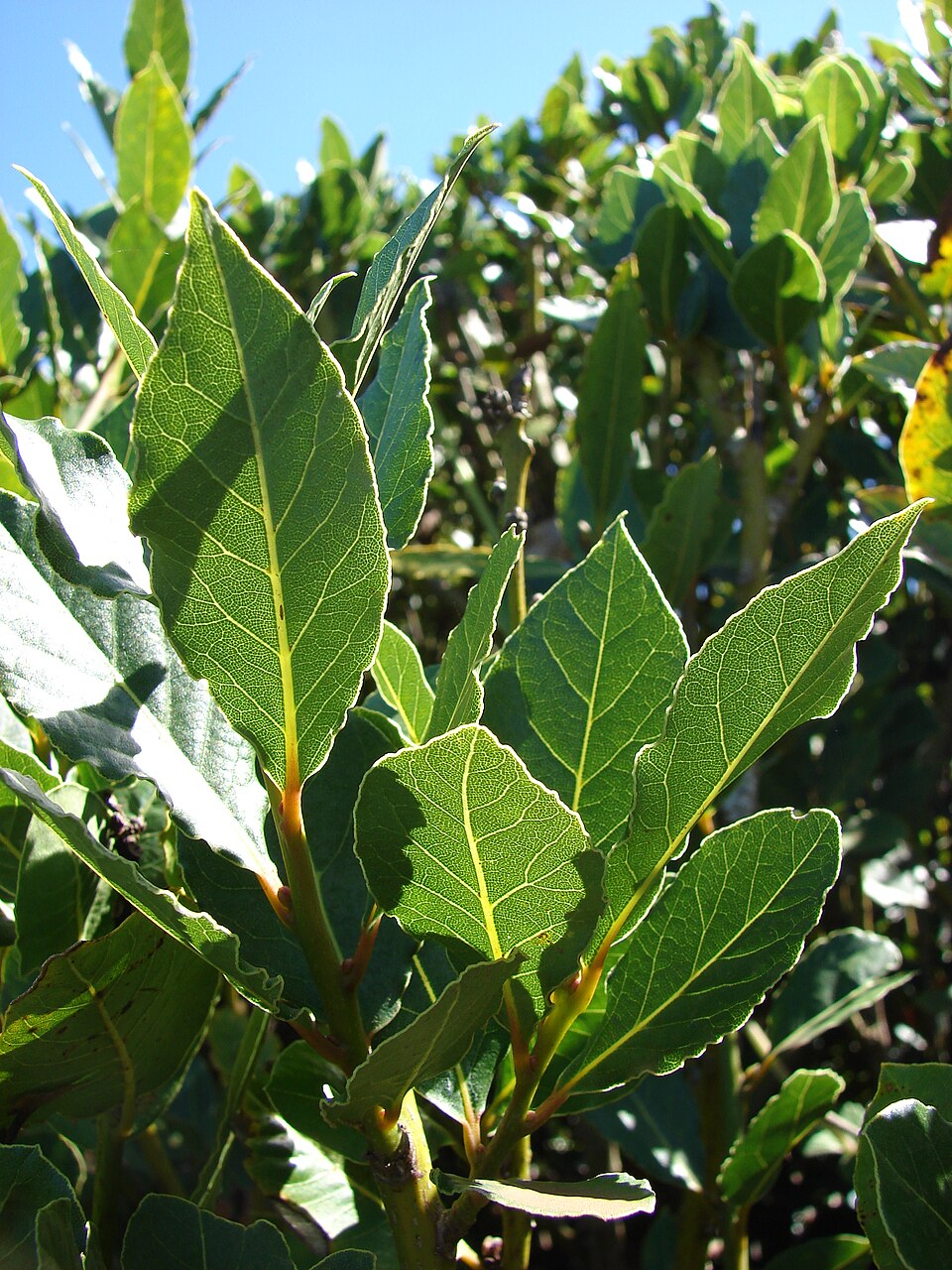
One bay laurel tree can supply a household with bay leaves for decades. The leathery, dark green leaves are the backbone of soups, stews, and braises, and a tree by the kitchen door is both handsome and useful. If you want to learn how to grow bay laurel, know this going in: it is slow, it is Mediterranean, and it rewards patience more than fussing. Plant it once in a good spot, and mostly leave it alone.
Table of Contents
Table of Contents
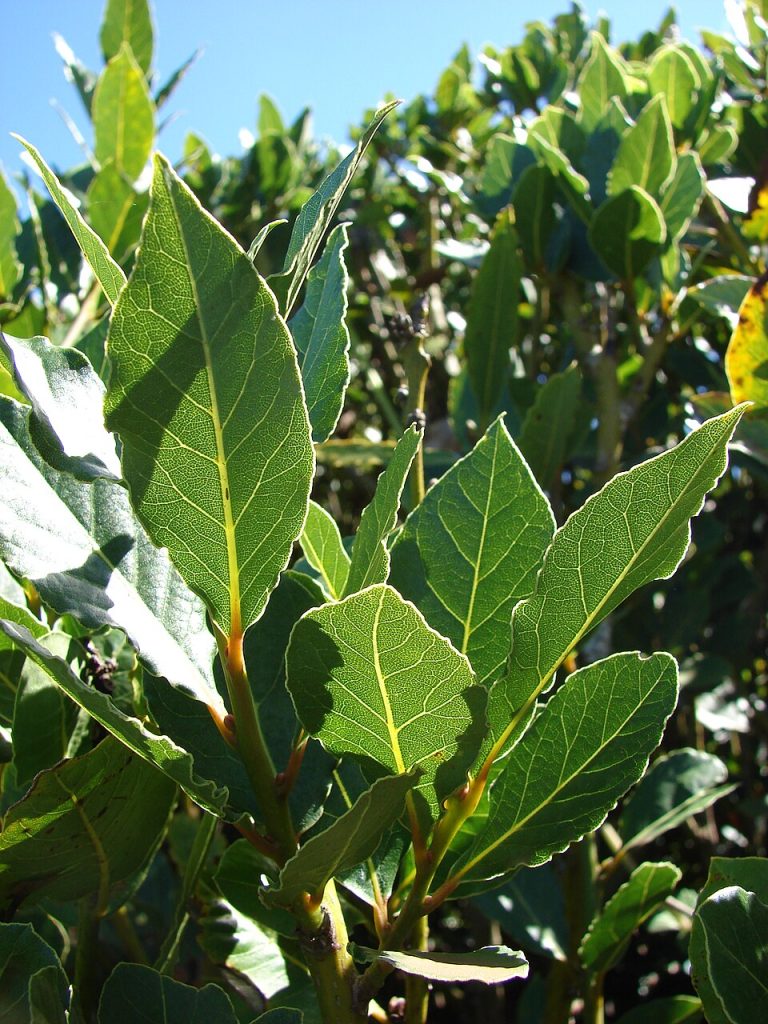
Bay laurel (Laurus nobilis) is an evergreen tree or large shrub hardy in zones 8 through 11. Colder zones can still grow it - in a pot that winters indoors. It grows slowly, often just inches a year, but it lives a very long time and prunes beautifully into cones, standards, and other formal shapes.

Photo: Wikimedia Commons
Getting Started: Buy a Plant
When it comes to how to grow bay laurel, getting the details right makes all the difference.

Many homeowners find that how to grow bay laurel is easier than they expected once they know the basics.
Do not start bay laurel from seed unless you enjoy waiting. Seeds take months to germinate and do so erratically; cuttings root slowly too. Buy a nursery plant - even a small one - and you skip the hardest part. A one-gallon plant establishes faster than you would expect and costs little.
When you buy, rub a leaf and smell it. True bay laurel (Laurus nobilis) has the familiar warm, savory scent. Other plants sold casually as "bay" - California bay, for instance - are different species with harsher flavor. A reputable herb nursery labels it correctly. Gardenia.net and the Missouri Botanical Garden plant finder both describe true bay laurel so you can buy with confidence.
Decide at the start whether your bay will live in the ground or in a container. In zones 8 to 11, plant it in the ground. In colder zones, grow it in a large pot that you can move indoors for winter. Either way, one tree is plenty - a mature bay produces far more leaves than one kitchen can use.
When and How to Plant
Many homeowners find that how to grow bay laurel is easier than they expected once they know the basics.
The key to how to grow bay laurel is choosing the right approach for your space and budget.
In zones 8 and warmer, plant in spring after all danger of frost has passed - roughly two weeks after your last spring frost date. Spring planting gives roots a full warm season to establish before winter. Look up your zone's frost dates on our planting calendar to time it.
Dig a hole twice as wide as the pot but no deeper, set the plant at the same level it grew in the container, and backfill with the native soil mixed with a little compost. Water deeply and mulch with two to three inches of organic mulch, keeping it a few inches back from the trunk. If you are planting several, space them 4 to 6 feet apart - bays grown as a loose hedge look superb - though a single specimen tree wants 10 feet or more of elbow room.
For containers, choose a pot at least 18 inches across with drainage holes, and use a gritty, free-draining potting mix. Bay hates wet feet more than almost anything. A pot on feet or a stand drains better than one sitting flat on a saucer.
Soil and Sun
The key to how to grow bay laurel is choosing the right approach for your space and budget.
With a little planning, how to grow bay laurel can fit even a busy schedule.
Bay laurel wants full sun to partial shade and well-drained, fertile soil. In the ground, average garden soil with compost worked in suits it fine. Sharp drainage is the non-negotiable part - in heavy clay, plant on a mound or in a raised bed. Container growers should mix extra perlite or coarse sand into the potting soil.
Sun-wise, full sun gives the most aromatic leaves and the densest growth. In blazing-hot climates, afternoon shade is welcome and keeps leaves from scorching. Indoor winter plants want the brightest window you have - a south-facing window or a grow light keeps them happy until spring.
Bay tolerates a range of soil pH and is not fussy about fertility. A yearly top-dressing of compost is plenty of feeding for an in-ground tree. The Clemson HGIC herb pages and University of Minnesota Extension both cover basic herb soil needs in plain terms.
Watering and Feeding
With a little planning, how to grow bay laurel can fit even a busy schedule.
Before you start, it helps to understand how how to grow bay laurel works in real homes.
Water young trees regularly until established - the first year or two. After that, mature bays are genuinely drought-tolerant and prefer to dry out a bit between waterings. Overwatering kills more bay laurels than drought does, rotting roots in soggy soil. Water deeply, then let the top few inches dry before watering again.
Container bays need more attention: pots dry out fast, especially in summer wind. Check the soil with your finger; water when the top two inches are dry. In winter indoors, cut back sharply - the plant barely grows in low light and wet winter soil invites root rot.
Feed lightly. A spring application of balanced fertilizer or compost is enough for in-ground trees. Container plants benefit from a half-strength liquid feed a few times through the growing season. Too much nitrogen makes soft, sappy growth with weaker flavor. The Old Farmer's Almanac herb guides keep feeding advice simple and practical.
Watch the foliage for signs of hunger. Deep green, firm leaves mean the tree is content. Pale new growth in spring can signal a need for feeding, but do not rush to fertilize a plant that is simply waking up slowly - bay is never in a hurry. If you grow organically, a yearly mulch of compost plus an occasional watering with compost tea covers all its needs. Container plants in the same potting mix for years eventually exhaust it; top-dress with fresh compost each spring or repot every two to three years into fresh mix.
Pruning and Shaping
Before you start, it helps to understand how how to grow bay laurel works in real homes.
A good plan for how to grow bay laurel saves time, money, and frustration.
Bay laurel takes pruning beautifully, which is why it is a favorite for topiary. You can shear it into a cone, a ball, or a classic lollipop standard - and regular clipping keeps a container plant to a manageable size. Prune in late spring or summer, cutting back to just above a leaf node. Never cut into bare old wood with no leaves; bay resprouts poorly from leafless stems.
For a kitchen tree, light yearly shaping is all it needs. Remove crossing branches and suckers from the base, and thin the interior slightly for airflow. Good air movement helps prevent the scale insects and bay psyllids that sometimes disfigure leaves - if you see bumpy, curled leaves, prune out the affected shoots and encourage beneficial insects rather than reaching for sprays on a food plant.
Bay pairs well with other Mediterranean herbs in a kitchen garden bed. Rosemary, thyme, and sage all want the same sunny, well-drained conditions and make handsome neighbors.
Harvesting and Using the Leaves
A good plan for how to grow bay laurel saves time, money, and frustration.
For most people, how to grow bay laurel comes down to a few smart choices.
Pick mature, dark green leaves as needed - young, pale leaves have little flavor. The tree does not mind; regular picking is a form of light pruning. Dried bay is far more aromatic than fresh, so dry your harvest for a week or two in a warm, airy spot before storing in jars. Properly dried leaves keep their flavor for a year or more.
Use bay in soups, stocks, braises, and bean pots - anywhere a slow simmer extracts its deep, savory character. Remember to fish the leaf out before serving; it stays stiff and is not meant to be eaten. One or two leaves flavor a whole pot.
A mature tree drops some leaves naturally; gather clean fallen leaves for the kitchen too. And if your tree ever outgrows its space, hard pruning in spring rejuvenates all but the oldest wood.
For the strongest flavor, harvest leaves in the morning after the dew dries, when the aromatic oils are most concentrated. Older, lower leaves on the tree are the most flavorful - the tree has been loading them with oils for seasons. Strip leaves from pruned branches rather than picking the tree bare in one spot; even harvesting distributes the "pruning" and keeps the shape even. If you clip a branch for shaping, do not waste the leaves - that is a free harvest.
Spread them on a screen in a warm, dry room out of direct sun, and in a week or two they will be crisp and ready for jars. Glass jars with tight lids, kept in a dark cupboard, preserve flavor far better than the little tins that sit by a hot stove.
Overwintering in Cold Zones
For most people, how to grow bay laurel comes down to a few smart choices.
If you are new to how to grow bay laurel, start with the simplest option and build from there.
In zones 7 and colder, bay laurel lives in a pot and winters indoors. Move it inside before the first hard frost - a sudden freeze can damage even a tough plant. Give it the brightest spot available and keep it on the cool side of room temperature if you can; a cool, bright room beats a hot, dark one.
Water sparingly through winter and do not fertilize until spring growth resumes. Some leaf drop indoors is normal - the plant is adjusting to low light. Move it back outside gradually in spring after frost danger passes, hardening it off over a week or two like any tender plant. UF IFAS Gardening Solutions has practical guidance for overwintering tender herbs in warm-climate terms that adapt well.
Troubleshooting
If you are new to how to grow bay laurel, start with the simplest option and build from there.
When it comes to how to grow bay laurel, getting the details right makes all the difference.
Yellow leaves: Usually overwatering or poor drainage. Let the soil dry out and check that the pot drains freely.
Scale insects (small bumps on stems and leaves): Prune out heavy infestations and wipe light ones with a damp cloth. Beneficial insects help outdoors.
Leaf drop indoors in winter: Normal adjustment to low light. Do not overwater in response - that makes it worse.
Leggy, sparse growth: Not enough light. Move to full sun outdoors or a brighter window.
Slow growth: That is just bay laurel. It is one of the slowest common herbs - inches a year is normal, and the plant can live for decades. The USDA PLANTS Database lists its growth habit, and the USDA National Agricultural Library indexes deeper references on its cultivation.
References
When it comes to how to grow bay laurel, getting the details right makes all the difference.
Many homeowners find that how to grow bay laurel is easier than they expected once they know the basics.
Missouri Botanical Garden. (n.d.). Laurus nobilis. https://www.missouribotanicalgarden.org/
Clemson University Cooperative Extension Service. (n.d.). Herbs for the home garden. https://hgic.clemson.edu/
Old Farmer's Almanac. (n.d.). Growing bay laurel. https://www.almanac.com/
The key to how to grow bay laurel is choosing the right approach for your space and budget.
Many homeowners find that how to grow bay laurel is easier than they expected once they know the basics.
Was this guide helpful?

About My Garden US
The My Garden US editorial team writes practical, in-depth home and garden guides for American homeowners — tested advice, no fluff.