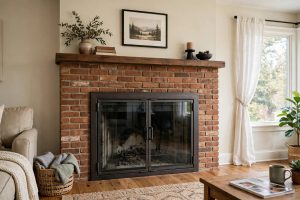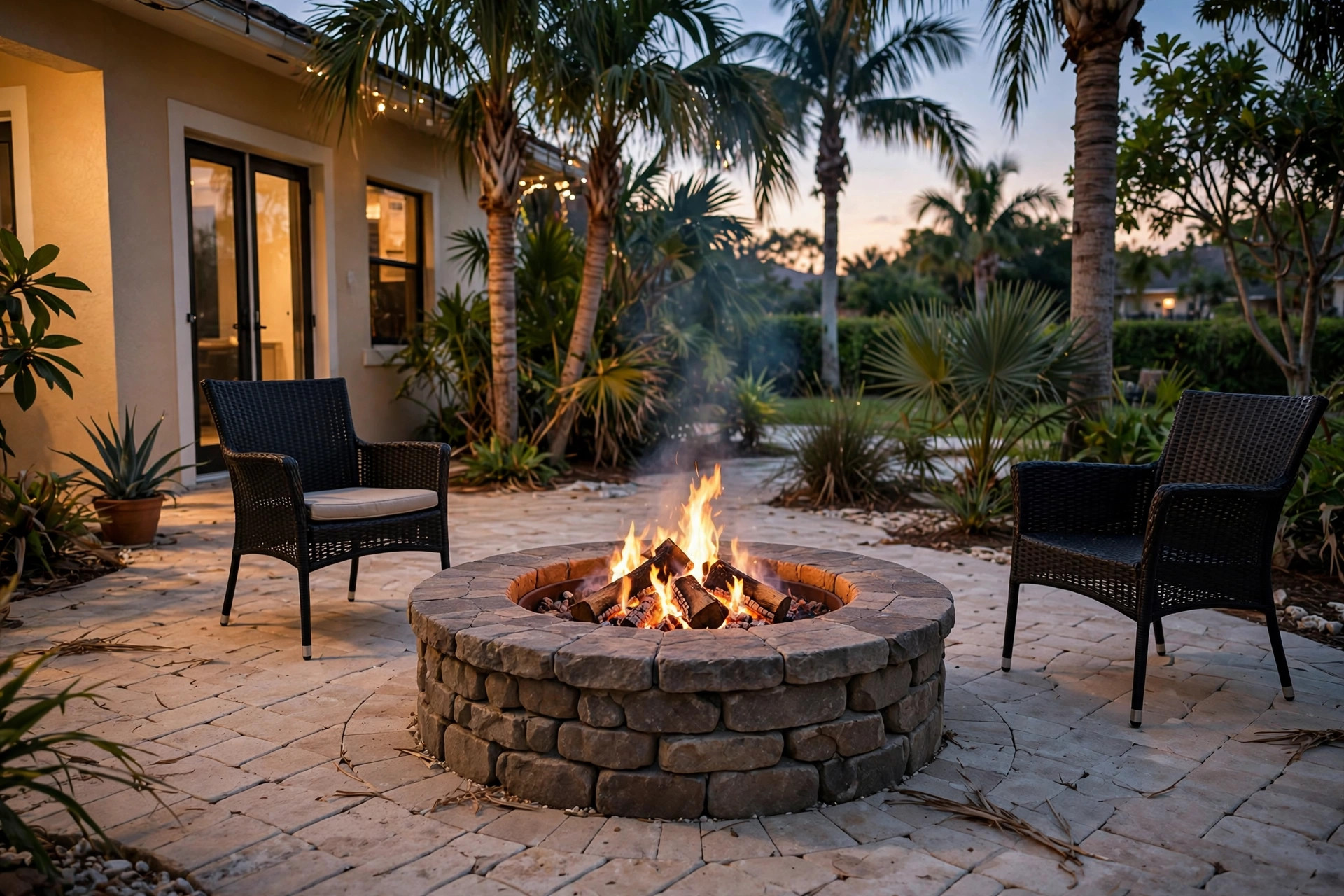

Finding the best outdoor fire pits for Florida homes is not quite like shopping for one in a colder state. Florida evenings are warm for much of the year, the air is wet with humidity, and salt drifts inland from both coasts. A fire pit that would last ten years in a dry climate can rust out in three on a lanai near Tampa or a patio in Jacksonville. This guide explains what Florida homeowners need to know before they buy, so the fire pit they choose stays safe, looks good, and lasts.
Why a Fire Pit Matters in a Florida Backyard
Most of the year, a Florida backyard is a pleasant place after sunset. The air cools, the breeze comes up, and the insects settle down. A fire pit gives the evening a center. It pulls chairs together. It gives people a reason to stay outside a little longer.
In Florida, a fire pit is less about heat and more about light and mood. Winter nights in the north of the state can dip into the thirties, and there the warmth matters. South of Orlando, it is about atmosphere. That changes what to buy. You do not need the largest burner on the market. You need a unit that handles damp air, sudden rain, and strong sun.
Florida also brings a long list of local rules. Many counties limit open burning, and some neighborhoods have homeowner association rules against wood smoke. A propane fire pit often passes where a wood fire would not. We cover safety and rules later in this guide.
How to Choose the Right Fire Pit for Florida Weather: Best Outdoor Fire Pits for Florida Homes
Florida weather is hard on outdoor metal. The air holds moisture nearly every day of the year, and near the coast it carries salt. Cheap steel begins to rust in months. Paint bubbles and peels. Here is how to pick a unit that stands up.
Look for Rust-Proof Materials
The frame and burner should be made from materials that resist rust. Powder-coated steel is common, and a good powder coat can last if the metal underneath never gets scratched. Cast aluminum does better, since it does not rust at all. For coastal homes within a mile or two of the water, marine-grade stainless steel is the strongest choice. Copper is another option that ages well, turning a soft green over time.
Whatever the material, check the burner pan and the fasteners. These small parts are often cheap steel even on good units, and they are the first to rust. Units with stainless burners and hardware earn their higher price in Florida.
Size the Fire Pit to the Space
A common mistake is buying a fire pit that is too large for the patio. Measure the space first. Leave at least seven feet between the fire pit and the house, the fence, or any hanging branches. Then leave room for chairs. A 30-inch round pit suits a small patio. A 40 to 44-inch pit fits a large yard and seats more people.
On a windy Florida lot, lower flames stay steadier.
Pick the Fuel Before the Style
Fuel type is the biggest decision. It affects cost, convenience, smoke, and local rules. The main choices are wood, propane, and natural gas.
Wood gives a real fire with crackle and smell. It costs the least to run but takes work. You must store dry wood, light the fire, feed it, and clean the ash. Smoke can bother neighbors and may break local rules.
Propane burns clean with the turn of a knob. A standard 20-pound tank hides inside many fire tables and gives ten to twenty hours of flame. There is no smoke and no ash. The cost of propane adds up, and tanks must be refilled.
Natural gas is the most convenient of all. A line from the house feeds the pit with no refills ever. Heat output is strong and steady. The catch is installation. You need a licensed plumber to run the line, and the pit cannot be moved afterward.
For most Florida homes, propane is the practical middle ground. It is clean enough for suburbs, portable enough for renters, and strong enough for cool winter nights.
Types of Fire Pits Suited to Florida Homes
Wood Burning Fire Pits
A wood burning fire pit is the classic choice. It is a steel or cast-iron bowl, a copper fire pit, or a stone ring set on the ground. Prices start low, often under one hundred dollars for a basic steel bowl. Heat output is strong, and a wood fire throws sparks and light in a way gas cannot match.
The problem in Florida is the wood itself. Firewood stored outside absorbs moisture from the humid air. Damp wood smokes heavily and burns poorly. You will need a covered wood rack, and even then the wood should be kiln-dried or covered with a tarp. If you enjoy the ritual of a wood fire and have room to store wood well, wood burning fire pits remain a fair pick. For a full rundown of models, a detailed wood fire pit buying guide can help you compare bowl sizes and materials.
Propane Fire Pits and Fire Tables
Propane pits hide the tank in the base and light with a push-button igniter. Flames rise through a burner covered in lava rock or glass beads. They produce no smoke, no sparks, and almost no soot. Cleanup is nothing.
This is the type most often named among the best outdoor fire pits for Florida homes. It fits condo patios, screened lanais, and small yards where smoke would be a problem. The hidden cost is the propane tank. A full tank weighs about 37 pounds and must be carried to a refill station or swapped at a store. Many homeowners keep a spare tank so the party never ends early.
Natural Gas Fire Pits
Natural gas pits connect to the home gas line and run on demand. They are ideal for a permanent patio or pool deck. Heat is strong, and the flame can be adjusted from a gentle glow to a full blaze. Because the fuel never runs out, these pits suit homeowners who entertain often.
Installation costs are the barrier. Running a gas line can cost several hundred dollars or more, and the work must meet local code. But for a forever home with a finished patio, it is hard to beat. The outdoor heating section at a major home retailer shows current natural gas models and the parts needed to hook them up.
Smokeless Fire Pits
Smokeless designs use double walls that pull air into the fire and reburn the smoke. Brands in this style have grown popular in recent years. They burn wood but produce far less smoke than an open bowl, which can matter near neighbors.
In Florida, a smokeless pit answers the smoke problem but not the humidity problem. The steel body still needs cover and care. Look for stainless steel versions if you go this route. Project ideas and care tips appear regularly in guides from DIY project sites, which cover seasoning and rust prevention for steel outdoor gear.
Cost and Price: What Florida Homeowners Should Expect
Fire pit prices span a wide range. A basic wood-burning steel bowl costs 80 to 200 dollars. A mid-range propane fire table runs 300 to 800 dollars. A high-end natural gas pit with a stone surround can reach 1,500 dollars or more before installation.
Do not forget the extras. A weather cover costs 30 to 80 dollars and is worth every penny in Florida rain. Propane refills run 15 to 25 dollars per tank. A cord of firewood, if you buy it seasoned and dry, costs 200 to 300 dollars in most Florida markets. A gas line install adds 300 to 800 dollars depending on distance from the house.
Price and quality track together at the low end. The cheapest steel pits rust fastest, which costs more over time. A mid-priced unit with a stainless burner and a good cover often costs less per year than replacing a cheap pit every two seasons.
Care and Upkeep in a Humid Climate
Florida punishes neglect. A fire pit left uncovered through a rainy summer will show rust spots by fall. These steps keep any unit in good shape.
First, always use a weather cover. Buy the cover made for your model, or at least one that fits snugly. A cover keeps out rain and stops leaves and standing water from pooling in the burner pan.
Second, store cushions and fuel away from dampness. Lava rock and fire glass absorb little water, but ceramic logs can soak up moisture and crack when heated. Let any wet burner parts dry before lighting.
Third, clean the burner and the pan a few times a season. Ash traps moisture against metal. For wood pits, shovel out ash after every two or three fires. For gas pits, brush the burner ports clear so the flame burns even. Regular outdoor project guides recommend a full inspection each spring, and that habit pays off in Florida where small rust spots spread fast.
Fourth, treat the surface. Wipe powder-coated steel with a damp cloth and touch up chips with heat-rated paint before rust starts. Oil cast iron lightly with food-safe oil after cleaning. Stainless steel benefits from an occasional wipe with a stainless cleaner.
Homeowners in humid climates face the same moisture fight, and the lessons transfer directly: cover everything, dry everything, and fix small rust spots before they grow.
Safety Rules Every Florida Owner Should Follow
Fire is fire, even in a warm state. Florida counties take backyard burning seriously, especially during dry spells when wildfire risk rises. Follow these rules.
Check local burn rules before you buy. Many Florida counties ban open burning of yard waste and limit recreational fires during dry months. Propane and natural gas fires are usually allowed where wood fires are not. A quick call to the county fire marshal’s office settles the question. National burn safety resources explain the basics of clean burning and why seasoned wood matters.
Keep the pit clear. Ten feet of clearance from the house, fences, sheds, and overhanging trees is the standard. On a wooden deck, set the pit on a heat-rated pad, never directly on the boards. Never use a fire pit under a covered lanai or screened porch unless the unit is rated for it and the ceiling is high enough.
Never leave a fire alone. This is the oldest rule and the most ignored. A gust off the Gulf can throw sparks farther than you expect. Keep a garden hose or a fire extinguisher within reach every time the pit is lit.
Watch the wind. Florida sea breezes shift quickly. If smoke or embers blow toward the house or a neighbor’s yard, shut the fire down. For gas pits, close the valve. For wood fires, let the logs burn down and spread the coals.
Keep children and pets at a fixed distance. A low metal rail or a ring of chairs marks a safe line. Teach children that the pit stays hot long after the flames die. Coals can burn for hours.
Frequently Asked Questions
Are fire pits legal in Florida backyards?
In most areas, yes, with limits. Recreational fire pits are generally allowed, but counties can restrict open burning during dry or windy periods. Some cities and homeowner associations ban wood fires but allow gas. Always check your county fire rules and your HOA before lighting up.
Which fuel is best for a Florida patio?
Propane is the most popular choice for Florida patios. It lights fast, burns clean, and works in neighborhoods where wood smoke is banned. Natural gas is best for a permanent install near the house. Wood suits large rural yards where smoke will not bother anyone.
How do I stop my fire pit from rusting in Florida humidity?
Use a snug weather cover whenever the pit is not in use. Choose stainless steel or powder-coated aluminum construction. Clean out ash and standing water often. Touch up paint chips with heat-rated paint right away. These habits can double the life of a pit in a humid climate. The care guides at major fireplace brands include rust prevention steps worth following.
Can I put a fire pit on a wooden deck in Florida?
Yes, if you protect the deck. Set the pit on a fire-rated heat pad that extends well past the pit on all sides. Keep flames low on windy days. Wood burning pits throw sparks, so a spark screen is a must on a deck. Many owners prefer gas pits on decks because they throw no sparks.
Do I need a permit for a fire pit in Florida?
Usually no permit is needed for a small recreational fire pit, but rules vary by county and city. Gas line work for a natural gas pit does need a licensed installer and may need an inspection. Call your local building department if you are unsure.
What size fire pit fits a small Florida patio?
A 28 to 32-inch round pit or a square fire table around 36 inches across suits a small patio. Leave room for chairs and a clear path around the pit. Measure the space and mark it with tape before you order, so the pit you get fits the life you live.
A Short Final Word
The best outdoor fire pits for Florida homes are not the biggest or the most expensive. They are the ones built for wet air, chosen for the right fuel, and covered after every use. Pick a rust-resistant material, size it to your patio, and check the local rules. For more ways to heat the outdoors, an infrared heater guide covers options for cool Florida winter nights. Extra ideas appear in the backyard section of popular home sites, and classic fireplace expertise lives at established hearth brands.
References
Family Handyman. (n.d.). DIY home repair and maintenance. https://www.familyhandyman.com Heatilator. (n.d.). Fireplaces and fireplace products. https://www.heatilator.com Lowe’s. (n.d.). Home improvement products. https://www.lowes.com Napoleon. (n.d.). Fireplaces, grills, and heating products. https://www.napoleon.com The Home Depot. (n.d.). Home improvement products. https://www.homedepot.com The Spruce. (n.d.). Home and garden advice. https://www.thespruce.com This Old House. (n.d.). Home renovation guidance. https://www.thisoldhouse.com U.S. Environmental Protection Agency. (n.d.). Protecting human health and the environment. https://www.epa.gov
Was this guide helpful?

About Lisa Anderson
The My Garden US editorial team writes practical, in-depth home and garden guides for American homeowners — tested advice, no fluff.
You May Also Like

Buy Smart Electric Fireplaces Online in Colorado: A Complete Guide
September 11, 2026 0 views
Childproof Fireplace Screens Price Comparison USA
September 18, 2026 0 views
Top Rated Freestanding Electric Stoves for Midwest Homes
August 8, 2026 0 views