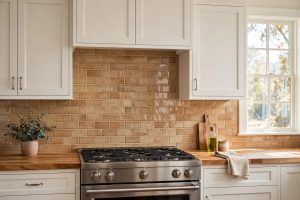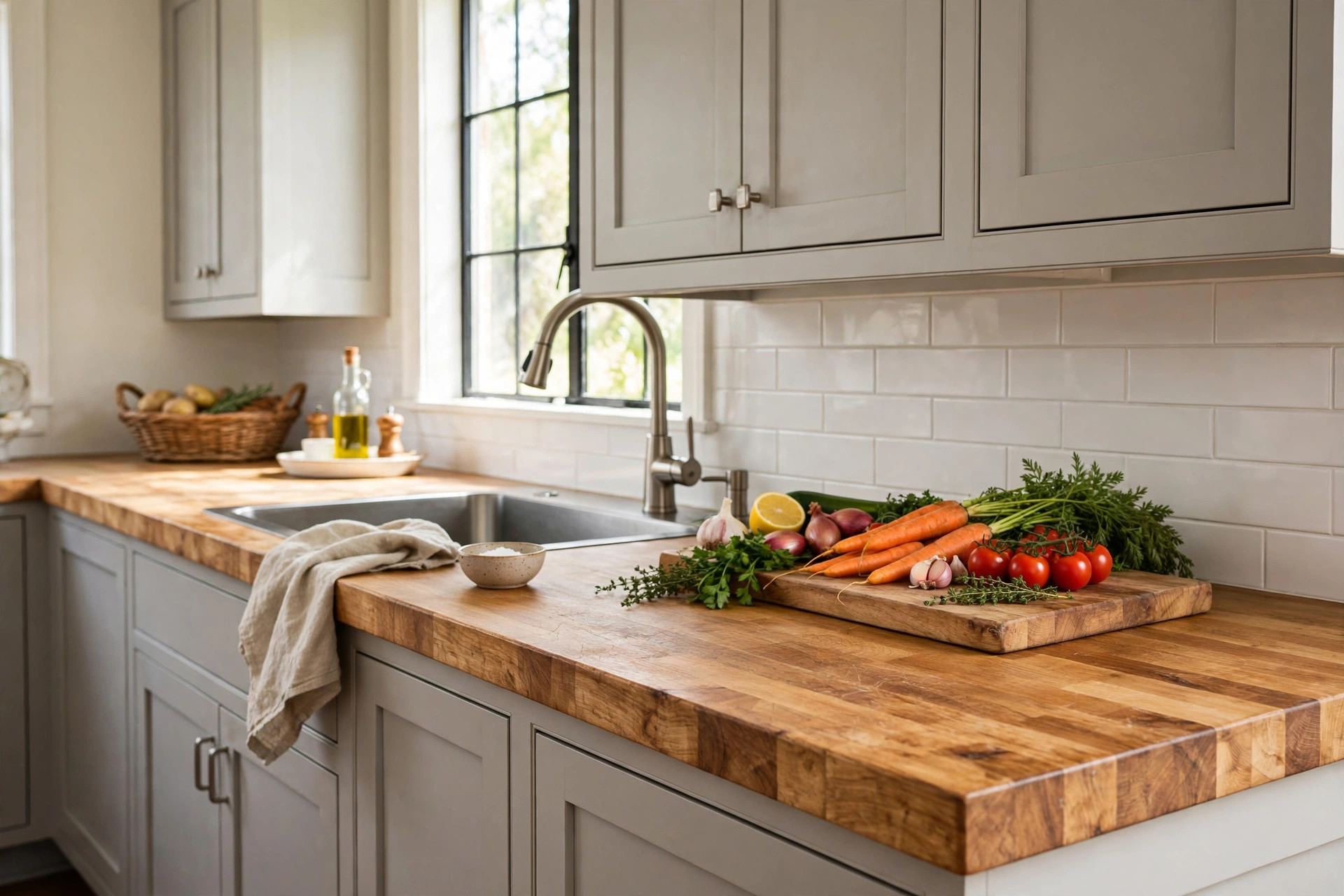

Wood counters bring a kitchen to life. When you shop for butcher block countertops for sale USA, you will find many choices. Maple, oak, walnut, and cherry top the list. Each wood has its own color, grain, and price. This guide keeps things simple. It explains what matters, what to check before you buy, and how to keep your counter in good shape for years.
Why It Matters
A countertop is a working surface. It takes heat, water, and daily wear. Wood is softer than stone. That can be a good thing. Knives stay sharper on wood. Plates do not chip as often. The surface feels warm to the touch. Many home cooks like that feel.
Butcher block adds a natural look that few other materials match. It suits farmhouse kitchens. It also fits modern kitchens with white cabinets and dark hardware. Wood can be sanded and refinished. Scratches and stains do not have to last forever. A stone top with a crack is much harder to fix.
Cost is another reason shoppers look at butcher block countertops for sale USA. Wood often costs less than granite or quartz. It can be installed by a careful homeowner. That saves money on labor. Before you buy, know that wood needs care. Oil and sealing take some time. If you want a surface you can ignore, stone may fit you better.
How to Choose: Butcher Block Countertops for Sale Usa
Start with the wood. The wood sets the look, the hardness, and the price.
Maple
Maple is the classic choice. It is hard, dense, and light in color. Most butcher block sold in the United States is made from maple. It takes oil well. It resists dents better than softer woods. If you plan to cut food right on the counter, maple is a strong pick. Prices sit in the middle range.
Oak
Oak has a bold grain. It gives a kitchen a rustic feel. Oak is hard and holds up well. Its open grain can show dirt more than maple. Wiping oak down each day keeps it clean. Oak slabs are often priced close to maple.
Walnut
Walnut is dark and rich. It suits kitchens with light cabinets. Walnut is a bit softer than maple. It can dent if you drop heavy pots on it. Walnut tops cost more than maple or oak. Many buyers use walnut on an island and maple on the main counters. That mix saves money and looks sharp.
Cherry
Cherry starts light and darkens with age. It gains a deep red-brown tone over time. Cherry is softer than maple. It needs a gentle hand. Prices for cherry sit near walnut. Clear kitchen remodeling advice can help you compare these woods side by side.
Types and Options
Butcher block comes in three main builds. Each build looks and acts a little different.
Edge grain
Edge grain shows long, straight strips of wood. The strips run the full length of the top. This is the most common type. It is stable and resists warping. Edge grain costs the least of the three.
Face grain or plank style
Face grain shows the wide face of the boards. You see broad, flat planks with wide grain patterns. This style looks like a farmhouse table. It is a good fit for counters that will see mostly light use.
End grain
End grain shows the cut ends of the wood. It looks like a checkerboard. End grain is very hard. It is the best surface for heavy chopping. It also costs the most. End grain tops are often thick and heavy. Make sure your cabinets can carry the weight.
Common lengths run from four feet to twelve feet. Widths of twenty-five inches fit standard cabinets. Thickness of one and a half inches is the most common. A large countertop section at a major retailer often lists both finished and unfinished options.
What to Look For When Buying
Not every butcher block countertop for sale USA is the same quality. Check these points before you pay.
Moisture content. Good shops dry the wood before they build. Wood with too much water can shrink and crack in a dry house. Ask the seller about the moisture level. A range near six to eight percent is a good sign.
Glue joints. Look at the seams between strips. Tight, even joints mean careful work. Gaps or lumps mean poor work.
Sink cutouts. An undermount sink needs a cutout in the top. Many sellers charge extra for this cut. Give the sink model number when you order.
Finish and food safety. If you will cut food on the top, use only food-safe oil or finish. Some factory finishes are not meant for direct food contact. The label should say food-safe if it is. Guides from independent product testing groups can help you read these labels with care.
Price should reflect size, wood type, and build. Compare the cost per square foot, not just the total. A twelve-foot maple top at a fair price beats a short top that costs nearly as much.
Cost and Price
Prices for butcher block countertops for sale USA vary by wood, size, and shop.
Unfinished maple edge-grain slabs often run from thirty to sixty dollars per square foot. Finished slabs cost more. Walnut and cherry run higher, often from sixty to one hundred dollars per square foot. End-grain tops cost the most, sometimes past one hundred dollars per square foot.
A standard ten-foot run of cabinets needs about twenty square feet of counter. That puts a maple top in the range of six hundred to twelve hundred dollars before labor. A matching island top adds more.
Do not forget the extras. Oil for the first sealing costs around fifteen to thirty dollars. A professional install adds several hundred dollars. Wood is still one of the cheaper full-counter options. A stone countertop comparison will show that granite and quartz often cost two or three times more per square foot.
Where to Shop
You can find butcher block countertops for sale USA in many places.
Big box stores. Large chains stock common sizes in maple. You can see the top in person. Prices are clear.
Lumber yards and wood shops. Local yards often cut custom sizes. They can match an odd corner or a wide island. The quality is often higher than mass-market slabs.
Online sellers. Online shops list many woods and sizes. Read reviews before you order. Check the return policy for freight items. Long slabs are hard to ship back.
Custom mill shops. A local mill can build exactly what you want. Custom work costs more and takes weeks. The result fits your kitchen exactly.
When you compare sellers, ask the same questions each time. What wood is this. What build type is this. What finish did you use. Is it food-safe. Write the answers down. That makes the choice easier.
Care and Upkeep
Wood counters need regular care. The work is simple, but you must do it.
Oil the top. New tops need oil once a day for the first week. Then oil once a week for a month. After that, oil once a month or when the wood looks dry. Use food-grade mineral oil for counters that touch food. Rub it in with a clean cloth. Let it soak. Wipe off the extra.
Clean daily. Wipe spills right away. Water left on wood can stain it. Use mild soap and warm water. Dry the surface with a clean towel. Keep the counter dry near the sink.
Handle heat. Wood burns and scorches. Always use trivets under hot pots.
Sand out damage. Small cuts and stains sand out with fine sandpaper. Work with the grain. Re-oil after sanding. A design site with home care ideas often shows how to refinish a worn top step by step.
Plan on a full re-oil a few times a year. A well-kept wood top can last decades. Neglect is what shortens its life.
Safety
Wood counters are safe when you buy and care for them the right way.
Food safety. Use only food-safe finishes on any surface that touches food. Factory varnishes that are not food-safe can flake into food. If the label does not say food-safe, treat the top as a serving surface only, not a cutting surface.
Raw meat. Wood can hold germs in deep cuts. Cut raw meat on a plastic or glass board, not on the counter. Wash the board in hot soapy water after.
Fire. Wood is not fireproof. Keep open flames away from the counter. Do not place candles right on the wood.
Heavy tops. End-grain and thick slabs are heavy. Get help when you move them. Check that your cabinets and brackets can hold the load. A sagging cabinet can crack the glue joints. Makers of major kitchen appliances remind buyers to check for leaks under sinks and dishwashers during install.
Sink leaks. Water is the main enemy of wood counters. Seal around the sink with care. Check the seal each year. A slow drip under a sink ruins wood fast.
Pairing With Your Kitchen
Light maple pairs well with white shaker cabinets. Dark walnut looks good with gray or navy cabinets. Cherry warms up a kitchen with plain white walls.
Many buyers mix materials. Wood on the island plus stone on the perimeter gives you the best of both. You get a warm work zone and a worry-free zone near the sink. If you are comparing stone options, read our guide to quartz countertop installation buying guide usa. Our butcher block countertops buying guide usa covers wood types in more depth. And if you are planning a faucet upgrade near the new counter, see our pot filler faucets buying guide usa.
Lighting matters too. Wood looks best under warm light. Try warm bulbs over the island. A building supply retailer lighting aisle will show you how bulb color changes the look of wood. Reviews of kitchen appliance makers can help you plan the room’s look before you buy counters.
Measuring and Ordering
Measure the base cabinets, not the old counter. Cabinets are the true size. Add a small overhang of about one inch on the front and sides. Make a simple drawing. Mark where the sink goes. Mark where the stove goes. Mark any corners. Send the drawing to the seller with your order.
Order a little extra if the shop sells by the foot. Long runs may need two slabs joined. The seller can match the wood tone at the joint.
Check the slab when it arrives. Look for cracks, warps, and bad joints. Reject a slab that is badly bent. Store the slab flat in the room where it will live. Let it sit for three to five days before install. Wood needs time to match the room’s humidity. A maker known for German appliance engineering notes in its install guides that letting materials rest in the room is a smart habit.
DIY Install Tips
Support the slab along the full cabinet run. Wood flexes over open spans. Add shims where the cabinets are not level. Screw up from inside the cabinet into the counter. Leave a small gap at the wall for movement. Wood grows and shrinks with the seasons. Cover the gap with the backsplash or a trim strip.
Cut sink and stove openings with a jigsaw. Drill a starter hole in each corner of the opening first. Go slow. Sand the cut edges smooth. Seal every cut edge with oil before you set the sink. Raw cut edges soak up water fast. An energy efficient appliances guide reminds buyers that tight seals around sinks also cut water waste over time.
FAQ
Are butcher block countertops for sale USA cheaper than granite? In most cases, yes. Wood slabs cost less per square foot than granite or quartz. Install can be cheaper too. The savings shrink if you pick walnut end grain with custom work.
Can I cut food right on butcher block? You can on edge-grain and end-grain maple tops with a food-safe oil finish. Use a separate board for raw meat. Keep knives sharp. Sharp knives cut wood less than dull ones.
How often must I oil the counter? Oil daily for the first week, weekly for the first month, then monthly after that. Oil sooner if the wood looks pale or dry. A top that never dries out lasts longer.
Will water ruin a butcher block counter? Standing water will stain and warp wood over time. Wipe spills fast. Keep the seal around the sink in good shape. With care, wood near a sink holds up fine.
Which wood is best for a kitchen island? Walnut and end-grain maple are popular for islands. Walnut gives a rich look. End-grain maple takes heavy use. Maple edge grain is the best value pick.
Can I install a butcher block top myself? Yes, if you are handy with basic tools. Measure twice. Support the slab well. Seal all cut edges. Many owners finish the job in a weekend.
A Short Final Word
Butcher block counters bring warmth that stone cannot copy. They cost less, fix easy, and age with grace. They ask for steady care in return. Oil them, keep them dry, and use trivets. Do that, and your wood top will serve your kitchen for many years. Take your time when you shop. Compare wood, build, and price. The right top is out there, and now you know how to find it.
References
Bob Vila. (n.d.). Home improvement advice. https://www.bobvila.com Bosch. (n.d.). Home appliances. https://www.bosch-home.com Consumer Reports. (n.d.). Product reviews and ratings. https://www.consumerreports.org ENERGY STAR. (n.d.). Energy efficient products. https://www.energystar.gov GE Appliances. (n.d.). Kitchen and home appliances. https://www.geappliances.com Lowe’s. (n.d.). Home improvement products. https://www.lowes.com The Home Depot. (n.d.). Home improvement products. https://www.homedepot.com The Spruce. (n.d.). Home and garden advice. https://www.thespruce.com This Old House. (n.d.). Home renovation guidance. https://www.thisoldhouse.com Whirlpool. (n.d.). Home appliances. https://www.whirlpool.com
Was this guide helpful?

About Jennifer Lee
The My Garden US editorial team writes practical, in-depth home and garden guides for American homeowners — tested advice, no fluff.
You May Also Like
Kitchen Backsplash Tiles for California Homes: A Plain Guide
January 25, 2026 0 views
Dishwasher Third Rack: A Guide for California Homes
June 30, 2026 0 views
Microwave Drawer Units Deals Near Me: A Plain Buying Guide
July 2, 2026 0 views