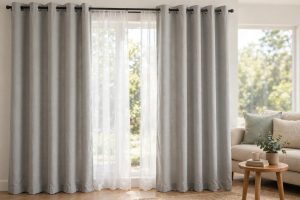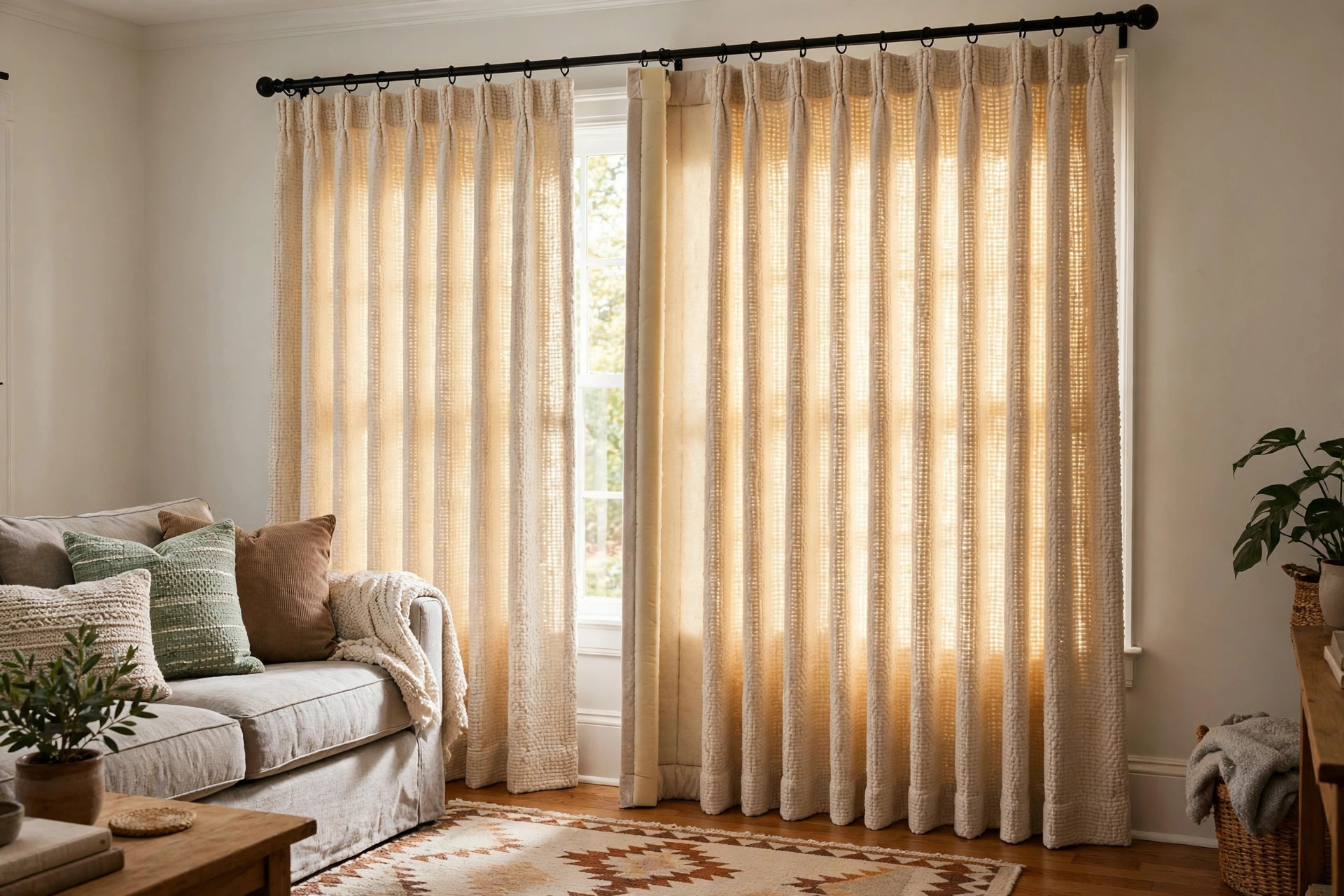

Windows are the weak point of most homes. On a cold night, heat slips out through the glass. On a hot afternoon, sunlight pours in and warms the rooms past comfort. Good curtains change this. They act like a blanket for your windows, and they do it without any moving parts or any energy bill. That is why so many shoppers now look for energy efficient machine washable curtains with free shipping. They want panels that block drafts, trap warmth in winter, and reflect heat in summer, while still going straight into the washing machine when they get dusty. Add free delivery, and the purchase becomes easy and fair.
This guide walks through the subject in plain terms. It explains how these curtains work, what to check before you buy, what they cost, and how to keep them clean for years. It also answers common questions and points to safety rules every home should know.
Why Energy Efficient Curtains Matter
Windows lose heat far faster than walls. A single pane of glass has almost no power to resist cold. Even double pane windows lose more heat than the solid parts of the house. Curtains that are built for energy savings add a layer of still air between the glass and the room. Still air is a poor carrier of heat, and that is exactly what you want. The fabric, the lining, and the way the panel hangs all work together to slow the flow of heat.
In winter, thermal curtains keep warm air inside. When you draw them at dusk, you close the gap where warm room air meets cold glass. In summer, the same curtains do the opposite job. Light colored or reflective linings bounce back the sun’s heat before it can warm the room. Many families report that their air conditioner runs less often once they hang the right panels in the south and west facing rooms.
The savings add up. The U.S. Department of Energy notes that window coverings are one of the simplest ways to cut heating and cooling costs, because so much energy escapes through glass. Shoppers who read the ENERGY STAR guidance on home comfort find the same message: small changes at the windows pay off year after year. Energy efficient curtains do not make the house use no energy, but they lower the load on the furnace and the air conditioner, and that shows up in the monthly bill.
There is a comfort gain too. Rooms with well fitted curtains feel calmer and warmer. Drafts along the floor fade. Sun glare on the television screen fades. The home simply feels more finished and more restful.
What to Look for When You Choose: Energy Efficient Machine Washable Curtains with Free Shipping
Not every curtain sold as “thermal” performs well. The word has no legal meaning on a label, so you must read the details yourself. Here is what to check.
Fabric and Weave
Heavy, tight fabrics block more air than thin, loose ones. Triple weave fabric is a common choice: three layers of yarn woven together so light cannot pass through. Velvet, heavy twill, and thick cotton duck also work well. The heavier the panel, the better it stops drafts, but very heavy panels need a strong rod and sturdy hooks.
The Thermal Lining
The lining does most of the work. Look for a foam backed or acrylic coated lining. These linings grip the back of the fabric and add a soft, spongy layer that slows heat flow. Some linings are white or silver on the back, which helps reflect summer sun. Read the product page to learn what the lining is made of. Reputable sellers such as IKEA and Wayfair list the lining material and the weight of each panel, which lets you compare brands with care.
Size and Fit
Curtains work best when they cover the whole window and then some. Let the rod extend past the frame on each side, so the panels can close fully over the glass. Let the panels reach the floor or the window sill with no gaps. A narrow gap at the top or the sides lets cold air pour around the panel, and the energy benefit falls. For a snug fit, measure the window first, then buy. A simple metal tape measure and a pencil are all you need.
The Care Label
This is the point many buyers miss. A curtain that saves energy but must be dry cleaned each season becomes costly to own. Check that the care label says machine washable, and note the water temperature and the dryer setting. Machine washable thermal curtains are widely sold now, and they make upkeep a small task instead of a chore. Reviews on sites like The Spruce and HGTV often note which brands hold their lining through many wash cycles, so a few minutes of reading can save a bad purchase.
Free Shipping Terms
Many sellers ship curtains free, but the terms vary. Some offer free shipping on every order. Others require a minimum purchase. Check the return window as well. Curtains are a color item, and the shade on screen may differ from the shade in your room. A seller with free shipping and a fair return policy lets you order a pair, hang it, and live with it for a week before you decide.
Types and Options
Thermal, energy saving curtains come in several forms. Each suits a different room and a different taste.
Blackout thermal panels are the most common. They block light almost fully, which suits bedrooms and home theaters. Many buyers start with top rated blackout curtains for bedrooms for sale and then move to thermal versions of the same style.
Insulated curtains for small spaces hang on tension rods inside the frame. They suit renters, because they leave no holes. Small apartment dwellers may also like custom thermal insulated curtains for small apartments, which are sized to order for odd windows.
Waffle weave and honeycomb style drapes are a newer look. They mimic the pockets of cellular shades, trapping air in small cells. They read as modern and light, though they rarely match the raw draft stopping power of a heavy triple weave panel.
Outdoor rated panels exist for porches and sunrooms. They resist damp air and strong sun. Shoppers who need them can start with affordable outdoor patio curtains with free shipping to learn the price range.
Neutral colors dominate the market: ivory, gray, beige, navy. Light colors reflect summer heat. Dark colors add a rich look and hide stains, but they absorb sun and can fade at the edges. Reversible panels, with a light face on one side and a dark face on the other, give you both choices in one purchase.
Cost and Price
Prices run from low to high. A single ready made thermal panel in a common size, 52 inches wide by 84 inches long, often costs between twenty and forty dollars. Pairs sold as sets of two run between forty and eighty dollars for standard fabrics. Premium brands, custom widths, and extra long panels for tall windows can pass one hundred dollars per panel. Consumer Reports testing shows that price and performance do not always move together, so mid priced panels often beat costly ones in real rooms.
Free shipping shifts the math. Delivery of long curtain boxes once cost real money, and some stores still charge for it. When a seller includes free shipping, the posted price is the full price, which makes comparison honest. Watch for holiday sales in late summer and after the new year, when home goods stores clear stock. Buying all the panels for one room at once often unlocks a volume discount on top of the free delivery.
Count the hidden costs before you order. Wide windows need two panels. Tall windows need 96 inch or 108 inch lengths, which cost more than the standard 84 inch. You may also need a wider rod, extra rings, or wall anchors if the current rod bends under the weight. These small items add ten to thirty dollars per window, so add them to your budget sheet.
Care and Upkeep
Machine washable panels are simple to keep. Wash them in cold or warm water on a gentle cycle, with a mild detergent. Cold water protects the foam lining. Skip bleach, which can eat at the coating, and skip fabric softener, which can leave a film on the fibers. Tumble dry on low heat or hang the panels to dry. Take them out of the dryer while they are still a touch damp, and hang them at once. The weight of the panel pulls out most wrinkles as it dries.
Wash curtains two to four times a year, more often in dusty homes or homes with pets. Between washes, vacuum the panels with a brush head once a month. Dust that sits in the weave dulls the color and can work its way into the lining. If a panel develops a small snag, trim the loose thread with scissors rather than pulling it, which can run the weave.
Check the lining once a year. Hold the panel up to a bright window. If light shows through spots where it once did not, the coating may be thinning. Thin spots mean the panel is losing some of its power to block heat, though it may still look fine from the front. Most good panels last five to eight years of normal use before the lining needs replacement.
Store spare panels flat or rolled, not folded hard. Sharp folds can crack a foam lining over time. A clean cotton sheet between layers keeps dust off during storage.
Safety in the Home
Curtains hang near windows, heat sources, and children, so a few rules matter. The Consumer Product Safety Commission warns that cords and loops on window coverings can strangle small children and pets. Choose cordless styles or add a cord cleat high on the wall, and wind long cords up and out of reach. Keep curtain panels away from baseboard heaters and portable heaters. Fabric near a heat source can scorch or catch fire, so leave a clear gap of several inches.
Hang rods and brackets into studs or use proper wall anchors. Thermal panels are heavy, and a rod that pulls free can injure a child or damage the wall. If you buy from a large retailer like The Home Depot or Lowe’s, the staff can help you pick anchors rated for the weight of your panels.
Sunlight through glass can also heat trapped air behind closed curtains on a summer day. This is normal and harmless in most homes, but in a closed sunroom it can stress houseplants placed behind the panels. Move plants out from behind south facing curtains on the hottest days.
Frequently Asked Questions
Do thermal curtains really save energy? Yes, within reason. They do not turn a drafty house into a tight one, but they slow heat flow through the glass, which is the largest weak point in most rooms. Homes with old windows gain the most. Pair the curtains with draft sealing around the frame for the best result.
Can I wash thermal curtains in a normal machine? Most modern ones, yes. Look for the words machine washable on the care label, and follow the temperature guide. Older panels with rubber backings may need gentler care, so check before you toss them in.
Will these curtains darken the room? Triple weave and blackout thermal panels block most light. If you want energy savings without darkness, choose a thermal panel in a lighter weave or a cellular style drape, and accept a smaller energy gain.
How long do machine washable thermal curtains last? With gentle washing, most last five to eight years. The fabric often outlasts the lining, so the panel may look fine while its thermal power fades. Test against a bright light once a year.
Is free shipping really free? With honest sellers, yes. The shipping cost is built into the price or covered by the store. Read the terms to check for minimum order rules and to learn who pays return shipping, which is the detail that matters most for curtains.
Do I need a special rod? You need a rod strong enough for the weight. Thermal panels are heavier than sheers. A metal rod with a center support bracket for wide spans handles most panels. Check the weight rating on the package.
A Final Word
Curtains are a quiet upgrade. They ask nothing of you once they hang, and they work every hour of every day. Energy efficient machine washable curtains with free shipping bring three gains in one purchase: lower heat loss at the windows, simple care in your own laundry room, and a fair price with no surprise delivery fee. Measure your windows, read the care label, check the lining, and order from a seller with a fair return policy. The right panels will pay for themselves in comfort long before they wear out.
References
Consumer Reports. (n.d.). Product reviews and ratings. https://www.consumerreports.org ENERGY STAR. (n.d.). Energy efficient products. https://www.energystar.gov HGTV. (n.d.). Home and garden ideas. https://www.hgtv.com IKEA. (n.d.). Home furnishings. https://www.ikea.com Lowe’s. (n.d.). Home improvement products. https://www.lowes.com The Home Depot. (n.d.). Home improvement products. https://www.homedepot.com The Spruce. (n.d.). Home and garden advice. https://www.thespruce.com U.S. Consumer Product Safety Commission. (n.d.). Product safety information. https://www.cpsc.gov U.S. Department of Energy. (n.d.). Energy efficiency and renewable energy. https://www.energy.gov Wayfair. (n.d.). Furniture and home goods. https://www.wayfair.com
Was this guide helpful?

About Sarah Mitchell
The My Garden US editorial team writes practical, in-depth home and garden guides for American homeowners — tested advice, no fluff.
You May Also Like

Top Rated Plantation Shutters for Midwest Homes: A Complete Guide
September 22, 2026 0 views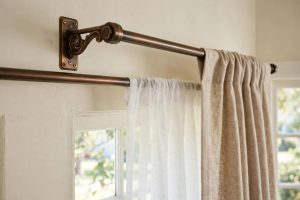
A Practical Guide to Choosing Custom Double Curtain Rod Brackets
May 1, 2026 0 views
White Linen Curtain Panels Reviews and Buying Guide
March 22, 2026 0 views