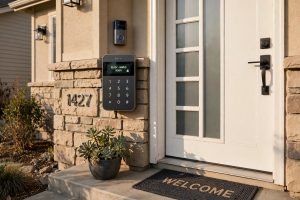

A standard doorbell is built on one idea. It rings, and you hear it. For millions of Americans with hearing loss, that idea fails. A visitor can stand at the door for ten minutes and ring again and again. Nobody comes. This is not a small problem. It touches safety, mail delivery, and daily life.
The best smart doorbell for hearing impaired USA homes solves this by changing how the doorbell speaks to you. It uses light. It uses touch. It uses your phone screen. A flashing lamp can catch your eye across a room. A vibrating chime unit can sit in your pocket or on your nightstand. A phone alert can show you the face of the visitor in a few seconds.
This guide explains what matters, what to buy, and what it costs. It is written for people with mild, moderate, and severe hearing loss. It also helps family members who shop for a parent or grandparent.
Why It Matters
Hearing loss is common in America. It grows with age. A missed knock at the door means a missed doctor visit reminder from a neighbor. It means a package left in the rain. It means a guest who thinks nobody is home.
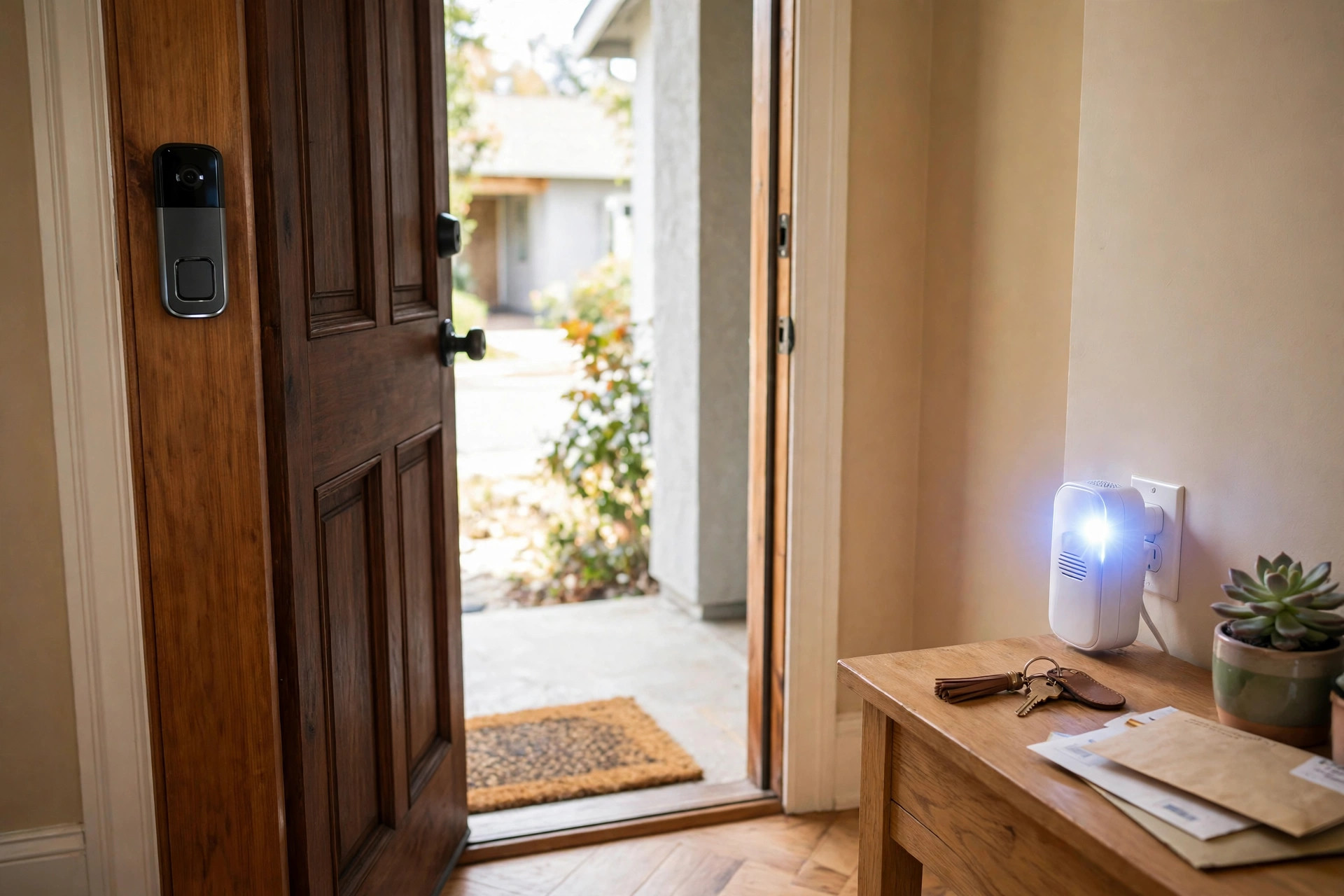
A smart doorbell changes the signal from sound to sight and touch. The camera sends live video to a phone or tablet. When the button is pressed, a bright chime can flash in every room. Some systems connect to bed shakers that vibrate under a pillow. These features matter at night and in noisy homes.
Peace of mind matters too. Video lets you see who is at the door without walking to it. You can speak to a delivery driver through the app. You can tell a stranger that you see them. That sense of control helps many people feel safer at home.
What to Look For: Best Smart Doorbell for Hearing Impaired Usa
Shop with a list. Not every smart doorbell serves hearing loss well. These points matter most.
Flashing Chime Receivers
Look for a chime that flashes bright light when the button is pressed. Many brands sell extra plug-in chimes. You can place one in each room you use. The flash should be strong enough to see in daylight. Some units let you change the flash color. Ring sells chime units that work with its doorbells and can be placed around the house.
Vibrating Alerts
Vibration reaches you when your eyes are busy. Some systems pair with a wearable or a portable chime that shakes. A few work with bed shakers for nighttime. Check the product page for “vibration” or “bed shaker” support before you buy.
Phone and Smartwatch Alerts
Almost every smart doorbell sends a push alert to your phone. The alert should arrive fast. It should include a snapshot or live video. Smartwatches can add a tap on your wrist. That wrist tap is easy to notice even when the phone is in another room.
Clear Video and Two-Way Talk
Sharp video helps you read lips and see gestures. Look for at least 1080p video with a wide view. Night vision helps after dark. Two-way talk lets you answer without reaching the door. Hold the app button and speak. Many users find this more useful than a voice chime they cannot hear.
Simple Setup and Power
Wired doorbells use your old doorbell wiring. Battery doorbells need no wiring at all. Battery models are good for renters and older homes. If your home has no doorbell wires, read our guide to video doorbells for apartments with no wiring for practical tips.
Alert Speed and Reliability
Speed matters more than most buyers think. An alert that arrives thirty seconds late is little help. The flash should start within a few seconds of the button press. Read reviews that test alert speed on real Wi-Fi. Battery models may wake a touch slower than wired ones. A wired unit on strong Wi-Fi gives the fastest response.
Place chimes where your eyes rest. The kitchen counter, the desk, and the bedside table are good spots. Avoid placing a flashing chime behind furniture or inside a closed cabinet. Light must reach you. If your home is large, add one chime per floor.
Pairing With Smart Displays
Many doorbells can show the visitor on a smart display in the kitchen or living room. When the button is pressed, the screen wakes and shows live video. This adds a second visual signal on top of the flash. It helps when the chime is in another room. Setup takes a few taps in the display app.
Setting Up the Alerts in Your Home
Plan before you buy. Walk through your home and list the rooms where you spend time. For each room, note how you will notice the doorbell. A living room may get a flashing chime on a shelf. A bedroom may get a vibrating unit on the nightstand. The office may rely on the computer or phone alert.
Test at different times of day. Daylight can wash out a weak flash. Close the curtains or move the chime to a shaded spot if needed. At night, a bright flash works well, but it should not blind you. Most chimes let you lower the flash strength.
Tell housemates about the setup. They should know what each flash color means if your unit uses colors. Keep the app logged in on the main phone or tablet. A logged-out app sends no alerts.
If you use hearing aids, check whether your aids can pair with the phone for call audio from the doorbell. Two-way talk through hearing aids makes the conversation clear. The phone maker’s accessibility settings often hold these options.
Most products fall into three groups. Each group has strengths.
Battery doorbells. These run on a rechargeable pack. You screw them to the door frame. They work with plug-in chimes that flash. Good picks for apartments and rented homes. The battery needs charging every one to six months, depending on use.
Wired doorbells. These connect to your existing low-voltage doorbell wiring. They draw steady power, so the camera can record all day. If your old chime is weak, a smart doorbell can still drive a new flashing chime. If you plan to use old wiring, check our notes on the best doorbell transformer for a smart doorbell to make sure the power is right.
Whole-home systems. Some brands sell doorbells as part of a larger security set. SimpliSafe and others pair doorbells with alarms, sensors, and cameras. One app controls all. This suits people who want one simple system rather than many apps.
No subscription models also exist. A video doorbell without a subscription stores clips on a memory card or base station. You avoid monthly fees. Check how long clips are kept and how easy they are to view.
Types and Options
Most products fall into three groups. Each group has strengths.
Battery doorbells. These run on a rechargeable pack. You screw them to the door frame. They work with plug-in chimes that flash. Good picks for apartments and rented homes. The battery needs charging every one to six months, depending on use.
Wired doorbells. These connect to your existing low-voltage doorbell wiring. They draw steady power, so the camera can record all day. If your old chime is weak, a smart doorbell can still drive a new flashing chime. If you plan to use old wiring, check our notes on the best doorbell transformer for a smart doorbell to make sure the power is right.
Whole-home systems. Some brands sell doorbells as part of a larger security set. SimpliSafe and others pair doorbells with alarms, sensors, and cameras. One app controls all. This suits people who want one simple system rather than many apps.
No subscription models also exist. A video doorbell without a subscription stores clips on a memory card or base station. You avoid monthly fees. Check how long clips are kept and how easy they are to view.
Cost and Price
Prices in the United States are easy to sum up.
– Basic battery doorbells: 60 to 120 dollars. – Mid-range models with better video: 120 to 200 dollars. – High-end models with radar, packages alerts, and wide views: 200 to 260 dollars. – Extra plug-in chimes: 25 to 50 dollars each. – Bed shakers or vibrating add-ons: 30 to 80 dollars each.
Subscriptions add to the cost. Many brands charge 3 to 10 dollars a month for cloud video storage and smart alerts. Some features, like person detection and package alerts, need a plan. If you want no monthly cost, choose a model with local storage and read reviews first. Consumer Reports tests doorbells and notes which features need a subscription.
Professional installation costs 100 to 250 dollars for a wired unit. Battery units are often a do-it-yourself job that takes thirty minutes.
Care and Upkeep
A smart doorbell needs small, steady care.
Charge the battery on schedule. Cold weather drains batteries faster. Keep a spare charged pack if your winters are hard.
Wipe the camera lens once a month. Dust and spider webs blur the picture. A soft cloth and a little water is enough.
Update the app when asked. Updates fix bugs and improve motion alerts. Turn on automatic updates if you can.
Test the flashing chimes every few months. Walk through each room and press the button. Make sure every unit still flashes. Replace old units that have grown dim.
Check the Wi-Fi signal at the door. Weak signal causes slow alerts. A late alert is no good for someone who needs a flash right away. If the signal is weak, move the router closer or add an extender. Reviews on CNET and PCMag often test how well doorbells hold a signal at range.
Safety
Smart doorbells add safety, but they need care too.
Mount the doorbell at chest height. Aim it to cover the walk and the porch. A good angle shows faces and packages.
Set motion zones in the app. Zones cut false alerts from passing cars. Fewer false alerts mean you trust the real ones more.
Use strong passwords. Turn on two-factor login for the app. A doorbell camera is a window into your home. Keep that window locked. The Consumer Product Safety Commission publishes guidance on safe use of home products.
Do not rely on one alert alone. Pair a flashing chime with a phone alert and a vibrating unit. If one fails, the others still reach you.
Teach everyone in the home how the system works. Guests, aides, and family should know that a flashing light means someone is at the door.
Frequently Asked Questions
What is the best smart doorbell for hearing impaired USA buyers who miss sound alerts? Look for models with bright flashing plug-in chimes, strong phone alerts, and vibration support. The camera should show clear video day and night. Two-way talk helps you answer from the couch.
Can I use a smart doorbell with no doorbell wiring? Yes. Battery models need no wires. They pair with plug-in chimes that flash. This is the simplest path for renters and older homes.
Do smart doorbells work with bed shakers? Some do. Check the product page for hearing-accessory support. A few systems link to vibrating receivers or bed shakers through smart home routines. Smart displays and hubs from Google can also announce visitors with on-screen alerts.
Are there monthly fees? Often yes, but not always. Many brands sell plans for cloud storage and smart alerts. Models with local storage skip the fee. Weigh the cost against the features you truly need.
Which doorbell is easiest for seniors to use? The easiest models have one app, large buttons, and fast alerts. Extra chimes should flash without setup trouble. Tech coverage at The Verge often notes which apps are simplest for new users.
A Final Word
The right doorbell does more than ring. It flashes. It shakes. It shows you the door on a screen. For people with hearing loss, that change brings back a lost sense: the knowledge that someone is there.
Start with your needs. Pick the alerts you will notice. Flashing chimes in key rooms. A phone that buzzes. A watch that taps. Then choose the camera that fits your door and your budget. The best smart doorbell for hearing impaired USA homes is the one you notice every time, in every room, day and night.
References
CNET. (n.d.). Technology news and reviews. https://www.cnet.com Consumer Reports. (n.d.). Product reviews and ratings. https://www.consumerreports.org Google Store. (n.d.). Smart home devices. https://store.google.com PCMag. (n.d.). Technology product reviews. https://www.pcmag.com Ring. (n.d.). Smart home security devices. https://www.ring.com SimpliSafe. (n.d.). Home security systems. https://www.simplisafe.com The Verge. (n.d.). Technology news and reviews. https://www.theverge.com U.S. Consumer Product Safety Commission. (n.d.). Product safety information. https://www.cpsc.gov
Was this guide helpful?

About Michael Thompson
The My Garden US editorial team writes practical, in-depth home and garden guides for American homeowners — tested advice, no fluff.
You May Also Like

Best Strobe Smoke Alarm for Deaf Reviews USA
February 10, 2026 0 views
Best Neighborhood Watch Camera Sharing Apps USA
June 22, 2026 0 views
Whole Home Automation Cost Calculator USA: A Plain Guide to Smart Home Prices
September 21, 2026 0 views