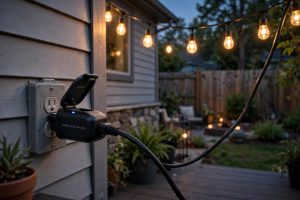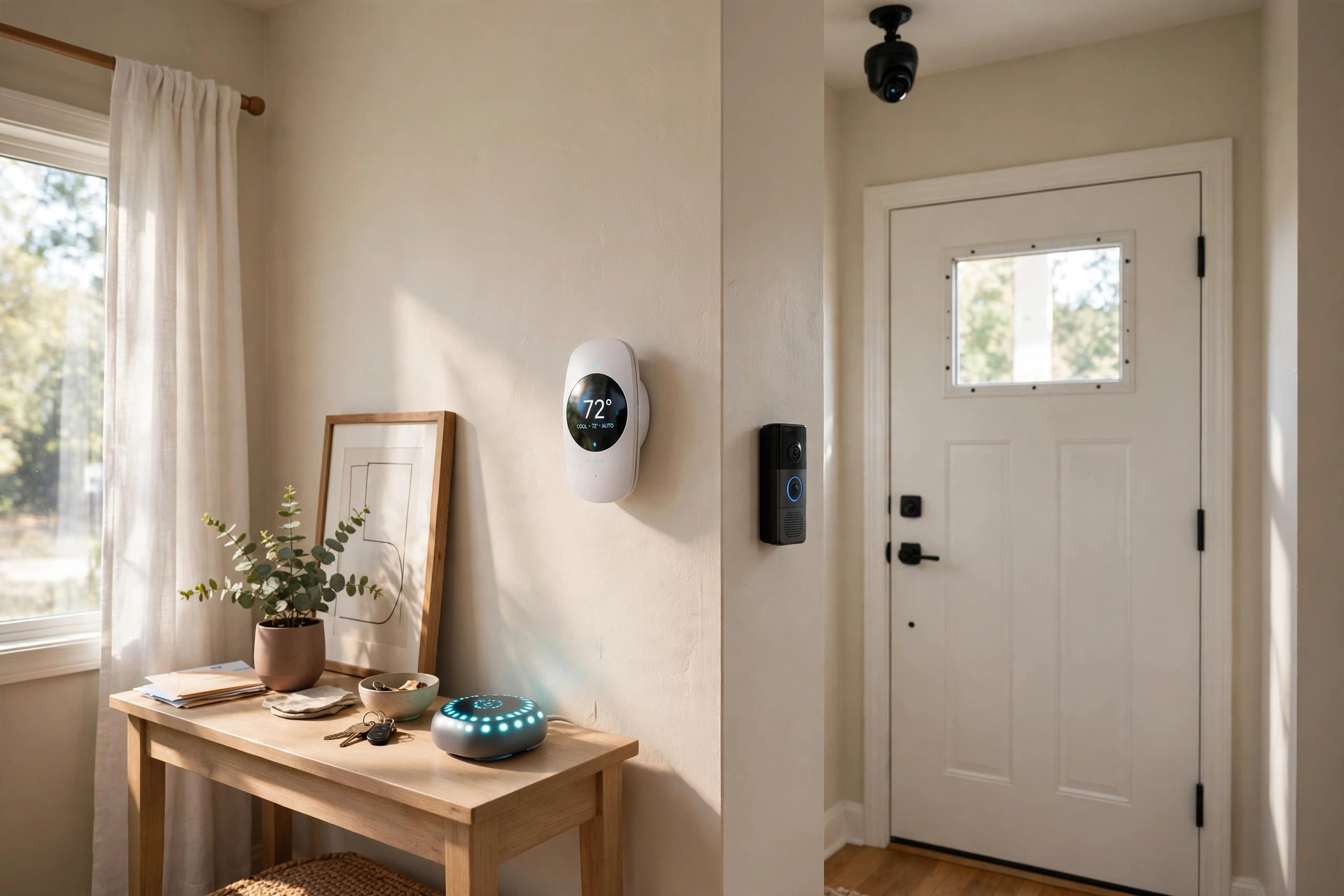

A smart home promises comfort, safety, and lower bills. Yet many buyers stop at the same question. What is the true smart home setup service cost usa 2026? The answer is not one number. It is a range. A simple job with a few plugs and bulbs may cost less than a tank of gas. A whole-house job with cameras, locks, thermostats, and lighting may cost as much as a used car. This guide lays out real 2026 price ranges in the USA, what drives the cost up or down, and how to get fair value from a professional installer.
Why the Price Matters Before You Buy Devices
Smart home gear is cheap to buy and hard to install well. A bundle of cameras, sensors, and speakers may sit in a box for months. Renters give up. Busy families hire help. Professional setup services exist to bridge this gap. They mount hardware, wire connections, build the app accounts, and test every room. Knowing the smart home setup service cost usa 2026 ahead of time keeps you from buying gear that outruns your budget.
Installers also save money in quiet ways. A wrong wire can fry a smart switch. A bad camera angle can miss the driveway. A weak router can drop every device at night. Paying for a clean install often costs less than fixing a messy one. The consumer safety agency even warns about recalls on home security products, so a pro who checks for such issues adds real value.
What Drives Smart Home Setup Service Cost USA 2026
No two jobs cost the same. Four main factors set the price.
Scope. A single video doorbell takes an hour. A full home with eight cameras, three locks, two thermostats, and thirty lights takes days. Labor is the largest cost in most quotes. More devices means more hours.
Wiring and power. Battery devices are fast to mount. Hardwired devices need care. If your walls have no neutral wires for smart switches, the installer must add them or choose other products. Old homes cost more than new ones.
Network work. Smart homes run on Wi-Fi. A big house may need new routers or access points. An installer may spend half a day on the network alone. Without a strong network, the finest devices still fail.
Brand choice. Home security plans differ from do-it-yourself kits. Some brands charge monthly fees for storage and alerts. The setup cost and the yearly cost belong in one budget.
Typical Price Ranges in 2026
Figures below reflect common USA market rates this year. They cover labor plus basic materials. Devices are often extra.
Small jobs: $99 to $349
A small job covers one to four devices. Examples include a video doorbell, a smart lock, or a pair of smart switches. Many electricians and handymen quote a flat visit fee in this band. Some retailers sell install packages when you buy the gear from them. Check our guide on the best video doorbell without subscription alternatives to keep monthly fees at zero.
Medium jobs: $350 to $899
This is the most common range. It covers a starter smart home. The installer might mount four to six cameras, one or two locks, a thermostat, and a dozen smart bulbs or switches. Network tuning is usually included. Read tech news coverage of smart home hubs before you pick one, since the hub choice shapes the whole job.
Large jobs: $900 to $2,500
Whole-house systems land here. Twenty or more devices. Multiple rooms of lighting. A wired camera system with a recorder. Voice control in each room. These jobs may take two to three days. The installer often acts as a small project manager, working around painters or electricians.
Luxury and custom: $2,500 and up
Large homes and new builds can pass $5,000 for labor alone. Custom lighting scenes, hidden speakers, shade motors, and panelized controls raise the price. So do long cable runs through finished walls.
Types of Setup Services
Not all installers do the same work. Knowing the types helps you compare quotes.
Retailer install programs
Big stores sell bundles with installation. You buy the devices, and a contractor comes to mount them. This is simple and often cheap. The range of products is narrow, though. You get what the store sells.
Independent smart home installers
These are small firms that live on this work. They handle many brands. They can design a system for your floor plan. They cost more per hour but waste less time. Ask for photos of past work and two references.
Security company installers
Some firms sell monitoring and install together. The installer mounts cameras and sensors, then sets up the monthly plan. Upfront cost may be low. Long-term cost may be high. Compare the full contract before you sign.
Electricians and handymen
For simple tasks like smart switches, a licensed electrician is often the safest pick. For mounting cameras and setting apps, a skilled handyman may be enough. Make sure the person knows the brand you bought.
What to Look for in a Quote
Ask the installer to remove old thermostats, wired alarms, and dead gear during the visit. Haul-away may add $25 to $75, but it keeps the job site clean and safe. Old wires left live in a wall are a hazard, so a good installer caps or removes them.
A good quote lists each device, the labor hours, and the materials. It states whether devices are included. It names the warranty on labor. It says what happens if a device fails in thirty days.
Ask these questions before you hire:
– Do you charge a flat fee or by the hour? – Are devices, mounts, and cables included in the price? – Will you set up the apps and accounts on my phone? – Do you test the network in every room? – What is the warranty on your labor? – Do you know the brands I already own?
Independent buying guides often suggest getting three quotes. This is sound advice. Quotes for the same job can differ by hundreds of dollars. The middle quote is usually the safe choice.
How to Choose Devices That Lower Setup Cost
Your product choices move the labor bill as much as the installer does. These rules keep costs down.
Pick one ecosystem. Mixing three brands means three apps and three logins. One family of devices, such as the Google smart home gear line, cuts setup time in half. It also cuts future trouble.
Prefer battery and plug-in devices where possible. A battery camera mounts in minutes. A wired one may need an attic run. Plug-in smart bulbs need no electrician. Smart switches often do.
Check power and Wi-Fi first. Walk your home with your phone. Find dead spots. If Wi-Fi dies in the garage, tell the installer before the quote. Adding a mesh router during the job is cheaper than a return visit.
Avoid monthly fees when you can. Some cameras charge for video history. Some doorbells need a plan for full features. If you dislike fees, look at the best video doorbell without subscription usa and the best outdoor security camera without wifi subscription options. The best wireless doorbell camera reviews usa roundups can help you compare models that store video locally.
Cost and Price: A Sample Budget
Here is a sample medium job for a three-bedroom house. Device prices are retail estimates.
– Four battery cameras: $400 to $600 – Video doorbell: $150 to $250 – Two smart locks: $300 to $500 – Smart thermostat: $180 to $280 – Ten smart switches or bulbs: $150 to $300 – Mesh Wi-Fi upgrade: $200 to $400 – Professional labor: $500 to $800
Total: about $1,880 to $3,130. A smaller job with only a doorbell, two cameras, and a lock can land near $800 all in. This is why the smart home setup service cost usa 2026 question has no single answer. Your list of devices is the budget.
Care and Upkeep After Setup
A smart home is not a one-time project. Plan for small yearly costs.
Firmware updates. Devices update on their own or through the app. Updates fix bugs and close security holes. Check the app monthly. A neglected device can stop working after a year.
Batteries. Battery cameras and locks need fresh batteries every few months. Keep spares. Note which devices eat batteries fastest.
Wi-Fi care. Restart the router when devices drop. Keep the router firmware current. If you add many devices, the network may need another access point.
App accounts. Use a strong, unique password for each smart home account. Turn on two-step verification. This protects cameras and locks from intruders. Tech review sites publish yearly security checklists worth a read.
Some installers sell yearly check plans for $150 to $300. They visit once, test everything, and update all devices. For large systems, this is money well spent.
Safety Notes
Smart home devices touch real safety. Cameras watch your children. Locks guard your doors. Smoke and leak sensors can save a house. Take these steps.
Buy only certified electrical products. Cheap no-name plugs can overheat. Mount cameras where they cannot fall on people. Keep cords away from water. Test smoke and carbon monoxide sensors after any smart home work.
Also think about privacy. A camera that sees the whole street may break local rules. Point cameras at your own property. Tell guests where cameras sit. Read the privacy policy of each brand you choose.
If a product is recalled, the consumer safety agency posts the notice on its site. A good installer checks for recalls before mounting your gear.
FAQ
How much does a smart home setup service cost in the USA in 2026? Small jobs run $99 to $349. Most starter homes cost $350 to $899 for labor. Whole-house jobs run $900 to $2,500. Custom work can pass $2,500. Devices are often extra.
Is the smart home setup service cost usa 2026 worth paying? For most people, yes. A pro finishes in hours what takes a novice a weekend. The work is tested and under warranty. If your home is old or large, the value is even higher.
Can I install smart home devices myself? Yes, for simple devices. Plug-in bulbs, battery cameras, and smart speakers are easy. Hardwired switches, wired cameras, and network upgrades are harder. Many buyers mix both. They do the easy parts and hire a pro for the rest.
Do I need a monthly subscription after setup? Not always. Many devices work free with local storage. Some brands charge for cloud video or professional monitoring. Ask the installer to show you the free and paid options before you buy.
How long does a typical setup take? One to three hours for small jobs. Half a day for a starter home. Two to three days for a full system. Network trouble can add time.
Should I buy devices before hiring the installer? It is better to talk first. A good installer will tell you which devices fit your wiring and Wi-Fi. Buying blind can force returns. Many installers also get trade discounts they pass to you.
A Short Final Word
The smart home setup service cost usa 2026 depends on your home, your devices, and your goals. Start with a clear list of what you want. Get three quotes. Choose one ecosystem to keep labor low. Then enjoy a home that locks itself, watches the porch, and saves energy while you sleep. Professional monitoring providers and independent product testing resources can help you compare the long-term costs of each path. A little planning now means a smooth install and no surprise bills later. When you know the price bands, you can match the job to your wallet and still get a home that feels modern and safe.
References
ADT. (n.d.). Home security and automation. https://www.adt.com CNET. (n.d.). Technology news and reviews. https://www.cnet.com Consumer Reports. (n.d.). Product reviews and ratings. https://www.consumerreports.org Google Store. (n.d.). Smart home devices. https://store.google.com PCMag. (n.d.). Technology product reviews. https://www.pcmag.com Ring. (n.d.). Smart home security devices. https://www.ring.com SimpliSafe. (n.d.). Home security systems. https://www.simplisafe.com The Verge. (n.d.). Technology news and reviews. https://www.theverge.com U.S. Consumer Product Safety Commission. (n.d.). Product safety information. https://www.cpsc.gov
Was this guide helpful?

About Michael Thompson
The My Garden US editorial team writes practical, in-depth home and garden guides for American homeowners — tested advice, no fluff.
You May Also Like
Best Solar Panels for Home: 2026 Reviews USA
August 1, 2026 0 views
Vivint vs ADT Reviews for Homeowners USA
January 6, 2026 0 views
Best Glass Break Sensor Reviews 2026 USA: A Plain Guide to Protecting Your Windows
July 26, 2026 0 views