
Introduction
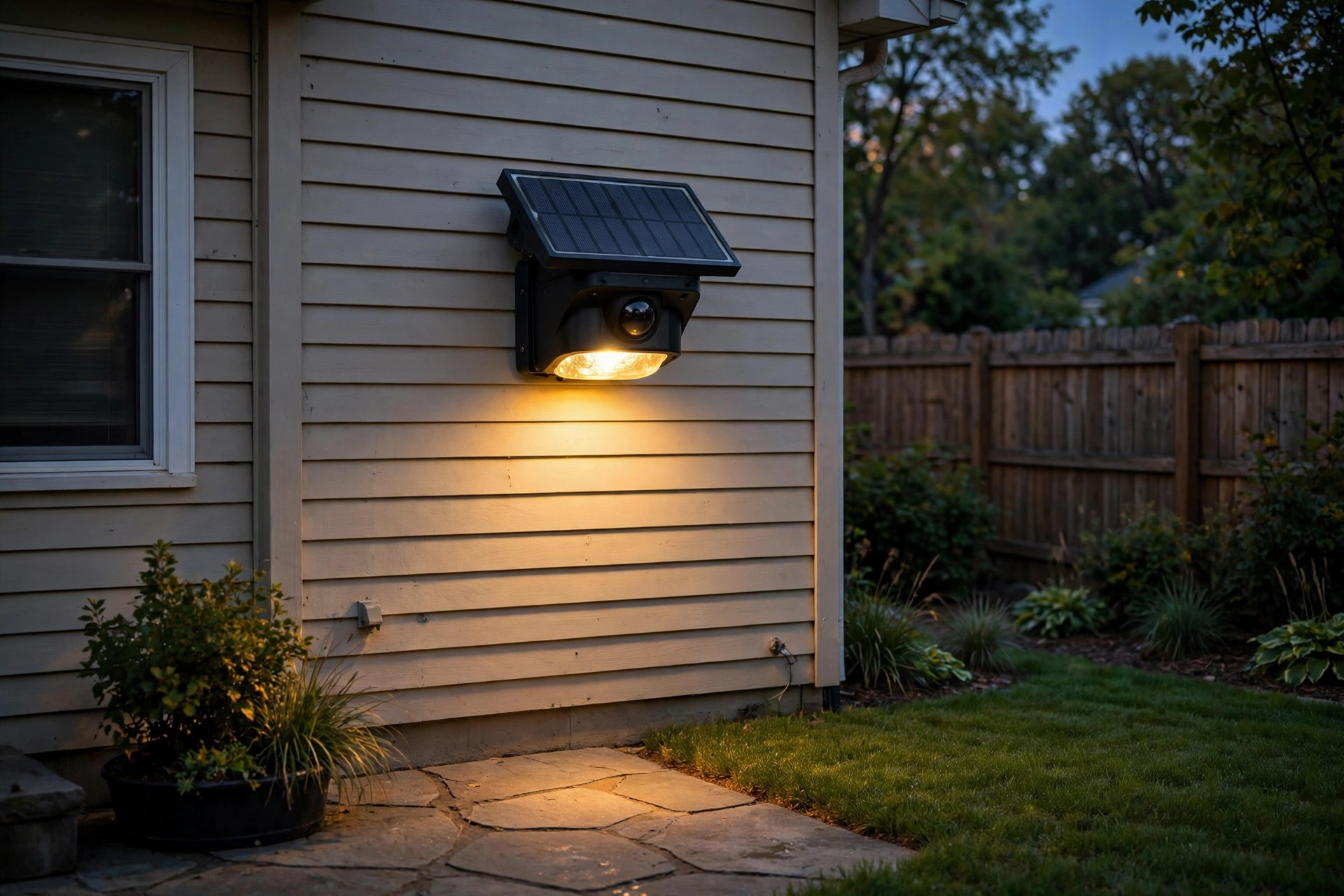
Dark yards cause trouble. Thieves like dark yards. So do stray animals. A good outdoor motion sensor light can change that. It stays dark and quiet until something moves. Then it floods the area with light. Solar models do this job with no wiring and no power bill.
This guide brings you outdoor motion sensor lights solar reviews usa buyers can trust. We looked at what matters: brightness, battery life, sensor range, build quality, and price. The goal is simple. Help you pick a light that fits your home and your budget.
Why Outdoor Motion Sensor Lights Matter: Outdoor Motion Sensor Lights Solar Reviews Usa
Safety Around the Home
A lit path is a safe path. Steps, edges, and uneven ground become clear under bright light. Guests find the front door with ease. Children play with less risk in the late evening. Elderly family members move with more care when they can see each footstep.
Crime Prevention
Burglars pick easy targets. A sudden burst of light ruins that plan. It draws eyes to the yard. It tells the prowler that the house is watched. Many homeowners pair motion lights with a solar security camera for the yard to build a stronger shield.
No Wiring, No Fuss
Solar lights need no electrician. You mount them with screws. The sun charges the battery each day. The light runs at night on stored power. This makes them a favorite for renters and for spots far from the house wiring. Guides from consumer tech reviewers often note how far simple lighting has come, as seen on CNET.
Energy Savings
A wired light pulls power from the grid every night. A solar light pulls nothing. Over one year, a single wired lamp can add real money to the bill. A solar lamp adds zero. For homes with many lamps, the savings add up fast. The sun does the work for free.
Why It Matters
The intro line above sets the theme. Dark corners invite trouble and waste chances for safe, easy use of your own yard. A motion light fixes that with no fuss and no monthly cost.
Choosing the Right Light Color
Light color is measured in kelvins. Warm white, near 2700 kelvins, feels soft and kind. It suits front porches and patios. Cool white, near 5000 kelvins, feels sharp and bright. It suits garages and dark lots. Cool light makes details stand out for cameras. Warm light keeps neighbors calm. Some lamps let you switch between the two. That choice is handy when you test the lamp at night.
What to Look for When You Choose
Brightness
Brightness is measured in lumens. Small path lights may give 100 lumens. That is fine for a walkway. Security lights should give 800 lumens or more. Large yards may need 2,000 lumens. More lumens mean more light and more drain on the battery. Match the lumens to the task.
Battery Life
The battery is the heart of the lamp. Most models use lithium-ion cells. A good battery stores enough power to light the night for six to eight hours of motion-triggered use. Some makers list the full-charge run time. Others list how many trigger events it can handle. Look for a battery you can replace. That detail extends the life of the lamp by years.
Sensor Range and Angle
The motion sensor decides when the light fires. Range tells you how far out it sees. Ten to thirty feet is common. Angle tells you how wide it sees. A 120-degree field covers most driveways. A 270-degree field suits corners and broad yards. Some lights let you tune the range. That helps avoid false alarms from the street.
Solar Panel Size and Type
Big panels charge fast. Monocrystalline panels are the most efficient kind in home use. Amorphous panels work in low light but charge slowly. Check whether the panel can be detached from the lamp. A separate panel lets you mount the lamp in shade and the panel in full sun. This trick solves many dead-battery complaints.
Weather Rating
Outdoor gear must stand up to rain, snow, and heat. Look for an IP65 rating or better. That mark means the lamp resists dust and water jets. In coastal zones, salt air can eat cheap screws. In cold states, batteries drain faster. Pick a model rated for your region. Safety bodies like CPSC track recall and hazard data for outdoor electrical goods, and their advice is worth a look.
Certifications to Trust
A few marks signal care in design. The UL or ETL mark means a lab tested the electrics. The CE mark points to European testing. These marks do not prove a lamp is the best. They do prove it passed basic safety checks. Cheap no-name lamps often skip these marks. That is a red flag worth heeding.
Types and Options
Wall-Mounted Security Lights
These are the classic form. A head with one or two LED bars sits on a bracket. The solar panel sits above or beside it. They light doorways, garages, and driveways. Many buyers compare them with a motion sensor flood light before they decide which style fits.
Spot Lights with Stakes
Stake lights sit in the ground. You aim them at trees, flags, or signs. The motion sensor fires when someone crosses the beam. They are low and subtle by day. By night they make a strong pool of light. They suit gardens and long driveways.
Deck and Fence Lights
These are small units that hug the rails of a deck or the boards of a fence. They light the edge so guests see where they step. Most run in a low-glow mode all night and flash bright on motion. They are a fine match for a smart floodlight for the backyard at the far end of the yard.
Overhead Garage and Barn Lights
Barns and large garages need wide coverage. Overhead units carry two or three heads that pivot. Each head covers a zone. The combined field can span a whole lot. Look for high lumen counts and large battery packs in this class.
Cost and Price
Prices run in wide bands. Small solar motion lights sell for fifteen to thirty dollars. These fit paths and small patios. Mid-range security lights sell for thirty to eighty dollars. They carry more lumens and bigger batteries. Premium units run past one hundred dollars. They offer app control, dimming modes, and long warranties.
Watch the long cost, not just the price tag. A cheap lamp that dies in one season costs more than a sturdy lamp that lasts five. Read buyer reviews for notes on battery fade after one year. Review sites such as Consumer Reports and PCMag run product tests that catch weak batteries and dim panels.
Buying in Bulk
Most homes need more than one lamp. Front door, back door, garage, and shed add up fast. Some brands sell two-packs or four-packs at a lower price per lamp. These packs often share one remote or one set of settings. Buying in bulk also keeps the look matched across the house. Check that the pack includes enough screws and anchors for every lamp in the box.
Do not forget the mount. Some kits include screws and anchors. Some do not. A trip to the hardware store adds to the bill. If you plan to mount on brick or stone, buy masonry anchors made for the weight.
Care and Upkeep
Keep the Panel Clean
Dust cuts charging power. Wipe the panel with a damp cloth once a month. In pollen season, wipe more often. A clean panel can add an hour of night run time.
Trim Nearby Plants
Leaves and branches block the sun. They also trip the motion sensor in the wind. Trim back growth each season. Give the panel six hours of direct sun when you can.
Check the Aim
Sensors drift as mounts loosen. Walk through the field twice a year and note the spots where the light fires. Aim the sensor head at the zones you want to cover. Keep it away from the street so passing cars do not set it off all night.
Winter Habits
Short days mean short charges. Snow covers panels. Brush snow off after each storm. In deep winter, some owners switch the lamp to a dim mode to stretch the charge. That keeps a low glow alive through the night.
Battery Replacement
Most lithium cells fade after two to three years. Some lamps open with a few screws and take a standard cell. Others seal the pack and force you to buy a new lamp. Favor models with replaceable cells. Old cells should go to a battery recycler, not the trash. Tech press coverage on sites like The Verge often discusses battery care for small electronics.
Safety
Mount the lamp out of reach where you can. Ladders cause more injuries than most outdoor tasks. Have a helper hold the base. Turn the sensitivity down at first, then raise it until the field covers the walk. Test the light at night from the spots where a stranger might enter.
Do not rely on lights alone for security. A lamp is one layer. Door locks, trimmed hedges, and good habits form the rest. Home security guides from firms like SimpliSafe and ADT stress this layered view, and it is sound advice.
Bright light can annoy neighbors. Aim the head down and inward. Choose a lamp with a warm color temperature if you live close to other homes. Some towns limit light trespass. A quick check of local rules saves trouble.
FAQ
How long do solar motion sensor lights last at night?
Most give six to eight hours of motion-triggered light on a full charge. In dim mode, some run all night. Heavy traffic drains the battery faster. Big batteries and large panels stretch the run time.
Do solar motion sensor lights work in winter?
Yes, but with less strength. Short days and snow cut the charge. Brush snow off the panel. Use dim mode in deep winter. Models with large panels hold up best in northern states.
Can I use them under a tree or in shade?
Only with a remote panel. The lamp itself can sit in shade. The panel must sit in direct sun. A long cable between the two solves the problem. Check the cable length before you buy.
Are they bright enough for security?
Mid and high range models are. Look for 800 lumens or more. Place them at doorways and along the paths a stranger would use. Pair them with cameras for the best result. Smart security setups, such as those covered on the Google Store, often start with this pairing.
Why does my light keep turning on and off?
Three causes are common. The panel is dirty or shaded, so the charge is weak. The sensor sees a busy street or swaying branches. Or the battery is old and holds little power. Clean the panel, trim plants, aim away from the road, and swap the cell if it is old.
Do I need Wi-Fi or an app?
No. Most solar motion lights work on their own. A few premium models add app control and schedules. If you want alerts on your phone, a full smart security system suits you better. Entry-level lines like those from Ring show what the app layer adds.
A Short Final Word
Solar motion sensor lights are a small buy with a big payoff. They light the dark corners. They warn off prowlers. They ask for little care in return. Choose by lumens, battery, sensor range, and weather rating. Keep the panel clean and the aim true. A few minutes of care each season keeps every lamp in fine shape. Do that, and your yard will stay bright, safe, and welcoming for years.
References
ADT. (n.d.). Home security and automation. https://www.adt.com CNET. (n.d.). Technology news and reviews. https://www.cnet.com Consumer Reports. (n.d.). Product reviews and ratings. https://www.consumerreports.org Google Store. (n.d.). Smart home devices. https://store.google.com PCMag. (n.d.). Technology product reviews. https://www.pcmag.com Ring. (n.d.). Smart home security devices. https://www.ring.com SimpliSafe. (n.d.). Home security systems. https://www.simplisafe.com The Verge. (n.d.). Technology news and reviews. https://www.theverge.com U.S. Consumer Product Safety Commission. (n.d.). Product safety information. https://www.cpsc.gov
Was this guide helpful?

About Emily Rodriguez
The My Garden US editorial team writes practical, in-depth home and garden guides for American homeowners — tested advice, no fluff.
You May Also Like
The Best Smart Plug with Energy Monitoring for USA Homes
May 9, 2026 0 views
Hidden Wall Safe Installation Cost USA: A Complete Guide to Price and Planning
May 13, 2026 0 views
Best Transfer Switch for Portable Generator USA: A Complete Home Guide
January 23, 2026 0 views