
Many homeowners in the United States ask a simple question: do security cameras lower insurance? This guide gives a plain answer. In many cases, yes. A home security camera system can reduce the cost of homeowners insurance. Insurers see cameras as a sign of lower risk. A house with eyes on it is less likely to be burglarized. Fewer claims mean lower costs for the insurer, and some of those savings pass back to the homeowner.
Still, the answer is not the same for every policy. Some insurers give a clear discount for cameras. Others only reward a full alarm system that is monitored by a company. The discount is usually small. It will not cut a premium in half. It may save a homeowner five to twenty percent. This article walks through how the discount works, what kinds of cameras qualify, what to ask an insurer, and how to make sure the system earns the credit.
Why It Matters
Homeowners insurance protects a house against loss. Fire, storm, theft, and vandalism all fall under it. Theft and burglary are a real share of claims. When a burglar sees cameras on a house, the odds of a break-in drop. Police departments and insurers have found over the years that visible security measures discourage criminals. They prefer easy targets. A camera makes a target hard.
For the insurer, this means fewer payouts. Insurance is priced on risk. A safer house gets a better price. This is why insurers give credits for many kinds of protection: deadbolt locks, smoke detectors, sprinkler systems, and alarm systems. Cameras fit the same logic. They lower the chance of a theft claim.
The matter also works in reverse. If a break-in does happen, camera footage can help prove what was taken. It helps the police and the claims adjuster. A faster, cleaner claim is good for everyone.
How Insurers View Security Cameras: Do Security Cameras Lower Insurance Usa Guide
Not all insurers treat cameras the same way. It helps to know the three common views.
Cameras as Part of a Security System
Many insurers want more than cameras alone. They give the discount for a full security system. That often means door and window sensors, motion detectors, and a camera. The system may need professional monitoring. That is a service where a company watches the alarms around the clock and calls for help when needed. A do-it-yourself camera bought online may not count unless it is tied into a system the insurer accepts.
Cameras Alone May Still Earn Credit
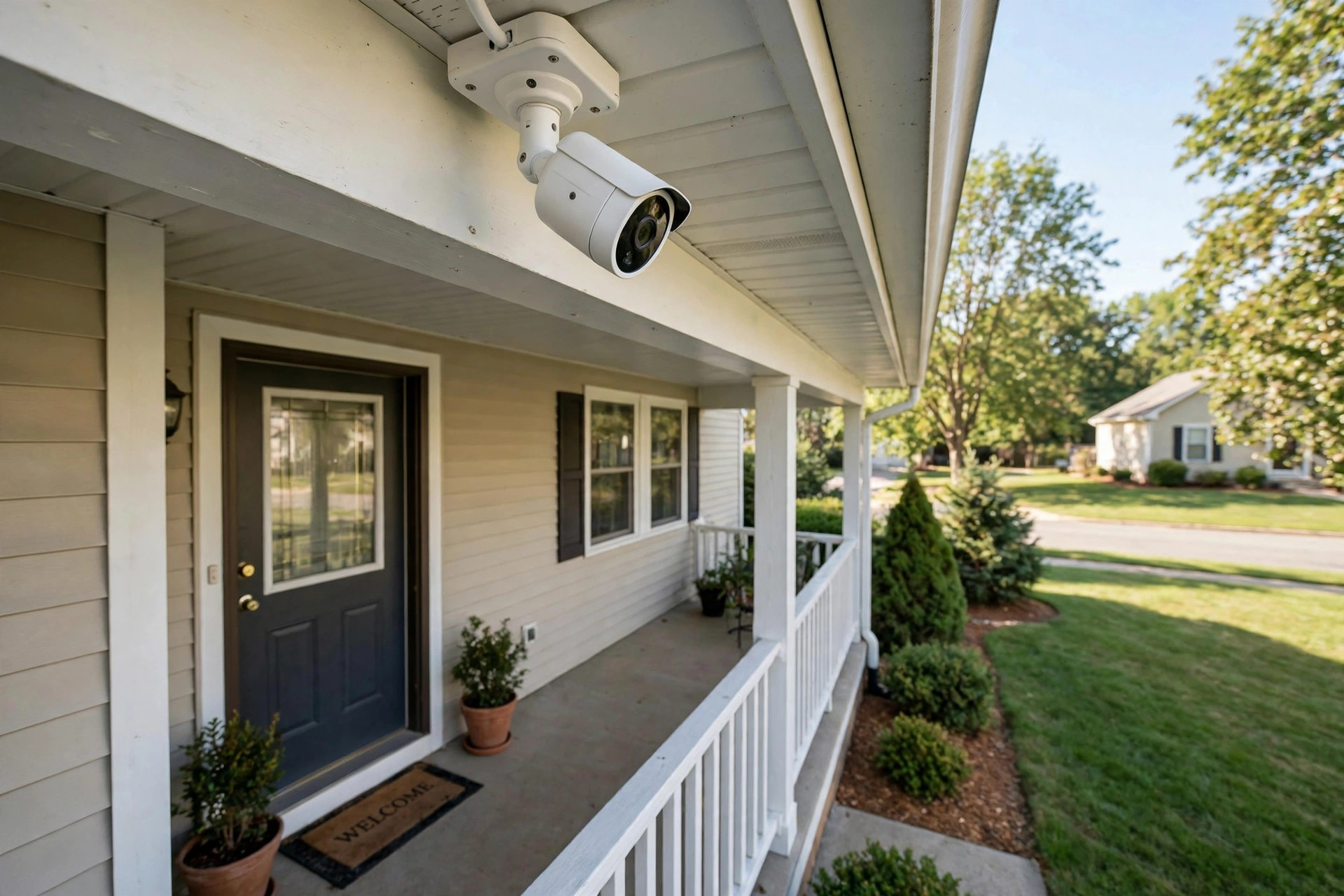
Some insurers give a small credit for cameras by themselves. A set of outdoor cameras at the doors and driveway may be enough. The insurer may ask for proof. Photos of the installed cameras or a receipt may be required. The agent may ask what brand it is and where the cameras are placed. Smart cameras that record and alert a phone can carry more weight than dummy cameras. A fake camera earns nothing. Insurers do not reward decoration.
Smart Home Systems Carry Weight
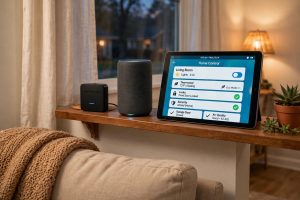
The newer trend is the smart home. Cameras that link to a smart home hub, doorbell cameras, and video doorbells are now common. Some insurers have partnered with smart home brands. They may give a discount to customers who install certain connected devices. They may also give a free or reduced-cost device. Because the technology changes fast, it pays to ask the insurer what is accepted this year. An alexa vs google home 2026 comparison usa can help a homeowner decide which platform will link best with cameras and other smart safety gear.
How Much Can Cameras Save?
The honest answer is that the savings are modest. Most insurers offer a discount of five to ten percent for a basic monitored security system. Some go as high as fifteen or twenty percent for a strong system with cameras, sensors, and professional monitoring. The exact number depends on the insurer, the state, and the policy.
To put it in plain terms, a homeowner who pays 1,500 dollars a year for insurance might save 75 to 300 dollars a year. The savings repeat every year the system is in place. Over five years, that can add up to the cost of the camera system itself. In that sense, the cameras can pay for themselves.
But no one should buy cameras only for the discount. The main value is the safety. The discount is a welcome side benefit. A cheap system bought for the credit may not meet the insurer’s rules. Then there is no discount at all.
What to Look for in a Camera System
If the goal is to earn an insurance credit, the choice of camera matters. Here are the points that count most.
Visible, Working Outdoor Cameras
Insurers and police agree on one point: visible cameras deter crime. Cameras at the front door, back door, and driveway cover the main entry points. They should be real and working. They should record clearly, day and night. Night vision is important, since many break-ins happen after dark. A system that stores recordings for a week or more is stronger than one that only shows live video.
Connection to an Alarm or Monitoring Service
A camera that stands alone is weaker than a camera tied to an alarm. When motion at night triggers both a recording and an alert, the homeowner or a monitoring company can act fast. Professional monitoring is the gold standard for insurers. Some services cost twenty to fifty dollars a month. The insurance discount rarely covers the full monitoring fee. The homeowner should weigh the cost against the peace of mind.
Video Doorbells and Smart Alerts
Video doorbells are among the most useful cameras. They cover the front door, which is a common entry for burglars and package thieves. Smart alerts send a message to the phone when motion is seen. Two-way talk lets the owner speak to a visitor from anywhere. These features are easy to show an insurer as proof of an active system.
Records and Proof of Installation
Keep the receipt. Keep the product list. Take photos of each installed camera. If the system is professionally installed, keep the installer’s paperwork. When the agent asks for proof, this folder makes the job easy. Some insurers send an inspector or ask for a signed form. Being ready speeds the process.
Types of Camera Setups Homeowners Use
Different homes need different setups. The common options are below.
Wired Outdoor Cameras
Wired cameras connect to a recorder or the home network by cable. They are stable and hard to defeat. They need a power source and sometimes professional installation. They suit larger homes and owners who want a permanent system.
Wireless and Battery Cameras
Wireless cameras are easy to install. Many run on batteries that last months. They are a good fit for renters or small homes. The weak point is the battery and the Wi-Fi signal. A dead battery means no recording. The homeowner must keep up with charging.
Video Doorbells
A video doorbell replaces the old doorbell. It watches the front step around the clock. It is the simplest way to add a camera. Many insurers accept it as part of a security plan. It also helps with package theft, a growing problem in the United States.
Full Smart Security Systems
These combine cameras, door and window sensors, motion sensors, and a central hub. Brands in this space include well-known names in home security. The systems can be self-monitored through a phone or watched by a professional service. For the largest insurance discount, this is usually what the insurer wants to see.
Cost and Price
A basic video doorbell costs around one hundred to two hundred dollars. A set of two or three outdoor cameras with a recorder costs two hundred to five hundred dollars. A full smart security system with professional monitoring can cost three hundred to eight hundred dollars up front, plus a monthly fee.
Installation adds to the cost. A handyman may charge one hundred to three hundred dollars. Professional installation of a full system can cost more. Some homeowners do it themselves and save the fee.
Against these costs, set the insurance savings. A ten percent discount on a 1,500 dollar policy saves 150 dollars a year. Over three years, that is 450 dollars. The camera system often pays for itself in two to four years.
Related smart home upgrades can also add safety. A best fingerprint door lock reviews 2026 usa article can help a reader pick a lock that pairs with cameras, since a strong lock plus a camera is a better story for the insurer than either one alone. For homeowners with electric cars, a best level 2 charger for garage reviews usa guide covers another upgrade that benefits from garage camera coverage.
How to Ask the Insurer for the Discount
The discount does not always appear on its own. The homeowner should take these steps.
1. Call the agent before buying. Ask what the insurer accepts. Ask if cameras alone count or if monitoring is needed. Ask for the exact discount. 2. Get the rules in writing. Ask the agent to send the requirements by email or letter. Keep it with the policy papers. 3. Install the system. Follow the rules. Place cameras where the insurer expects them. 4. Send proof. Photos, receipts, and the installer’s certificate go to the agent. 5. Ask for the credit on the next bill. Confirm that the discount is on the policy. Check the renewal papers each year. 6. Tell the insurer about upgrades. If more cameras or monitoring are added later, the discount may grow.
If one insurer will not give credit, another might. When a policy comes up for renewal, it costs nothing to ask a second insurer what it offers for a camera-equipped home.
Care and Upkeep
A camera system only earns its keep if it works. A dead camera is the same as no camera. The homeowner should check the system on a regular plan.
Clean the camera lenses twice a year. Dust and spider webs blur the image. Check that each camera still records. Test the night vision after dark. Replace or charge batteries on schedule. Update the camera software when the maker sends an update.
Keep the recording storage healthy. If video goes to a cloud service, make sure the plan is paid and active. If video goes to a local recorder, check that the hard drive has space. Some recorders overwrite the oldest video when full. That is fine, as long as the homeowner knows it.
Once a year, take fresh photos of the installed cameras. If the insurer ever asks for new proof, the photos are ready. It also helps to keep a simple list: camera brand, model, location, and install date.
Safety
Cameras raise safety questions of their own. A few rules keep the system safe and legal.
Point cameras at the homeowner’s own property. Doors, driveways, yards, and porches are fair ground. Avoid pointing cameras into a neighbor’s windows. State laws differ on recording audio and on where video can be taken. A quick check of local rules is wise.
Secure the camera accounts. Use a strong, unique password for the camera app. Turn on two-factor authentication if the maker offers it. A hacked camera is worse than no camera. It can show a burglar when the house is empty.
Let the household know the cameras are there. Tell family members and regular visitors. For workers in the home, note the cameras in advance. Openness avoids hard feelings and legal trouble.
Finally, cameras do not replace good habits. Lock the doors. Light the yard. Trim bushes near windows. A camera is one layer of a safe home, not the whole plan.
Frequently Asked Questions
Do all insurers give a discount for security cameras? No. Practices differ. Many give a credit for a full security system that includes cameras. Some give a small credit for cameras alone. A few give nothing for cameras. The only way to know is to ask the agent directly.
How large is the typical discount? Five to ten percent is common for a basic system. Strong systems with professional monitoring can reach fifteen to twenty percent with some insurers. The exact figure depends on the company, the state, and the policy.
Do dummy or fake cameras count? No. Insurers do not reward fake cameras. The system must be real, working, and able to record. An adjuster or inspector may check.
Is professional monitoring required? Often it is, for the full discount. Some insurers accept self-monitored smart cameras. The rules vary, so the homeowner should ask before spending money.
Will the discount cover the cost of monitoring? Usually not. A monitoring plan may cost twenty to fifty dollars a month. The insurance discount is often smaller than that. The real payoff is safety, with the discount as a bonus.
Do renters get a discount for cameras? Renters insurance is cheaper than homeowners insurance, and discounts work much the same way. A renter with a security camera may get a small credit. The renter should ask the insurer and check the lease, since some landlords limit what can be mounted.
A Short Final Word
So, do security cameras lower insurance in the United States? For most homeowners, the answer is yes, at least a little. Cameras cut the risk of burglary. Insurers reward lower risk. The discount is modest, but it repeats every year. Paired with the safety a camera brings, it is a sound investment.
The smart move is to call the insurer first, learn the exact rules, and then buy a system that fits. Keep the receipts and the photos. Check the system twice a year. In plain terms, a working camera on the door is worth more than a promise. It protects the home, and in many cases, it trims the insurance bill too.
For more background, see ADT, CNET, and PCMag. For more background, see The Verge, Consumer Reports, and Ring. Buying guides are also published by U.S. Consumer Product Safety Commission and Google Store.
References
ADT. (n.d.). Home security and automation. https://www.adt.com CNET. (n.d.). Technology news and reviews. https://www.cnet.com Consumer Reports. (n.d.). Product reviews and ratings. https://www.consumerreports.org Google Store. (n.d.). Smart home devices. https://store.google.com PCMag. (n.d.). Technology product reviews. https://www.pcmag.com Ring. (n.d.). Smart home security devices. https://www.ring.com The Verge. (n.d.). Technology news and reviews. https://www.theverge.com U.S. Consumer Product Safety Commission. (n.d.). Product safety information. https://www.cpsc.gov
Was this guide helpful?

About Sarah Mitchell
The My Garden US editorial team writes practical, in-depth home and garden guides for American homeowners — tested advice, no fluff.
You May Also Like
Robot Lawn Mower Reviews for USA Yards
April 19, 2026 0 views
Best Transfer Switch for Portable Generator USA: A Complete Home Guide
January 23, 2026 0 views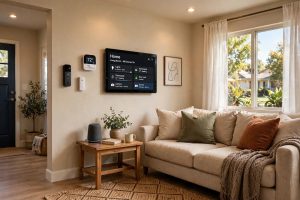
Home Automation Installer Near Me Cost: A Plain Guide for American Homeowners
August 10, 2026 0 views