---
Table of Contents
Table of Contents
- Clean a Chimney Flue: The Short Answer
- Why Cleaning Matters: Creosote
- The 1/8-Inch Rule
- Cleaning Schedules by Fuel Type
- Wood-burning fireplaces and stoves
- Pellet stoves
- Gas fireplaces
- Oil and coal
- Signs Your Flue Needs Cleaning Now
- What Slows or Speeds Up Buildup
- What a Professional Cleaning Includes
- Cleaning vs. Inspection: Know the Difference
- DIY Brushing: Helpful but Not a Replacement
- Scheduling Tips
- The Bottom Line
- Frequently Asked Questions
- References
Your chimney flue carries smoke, gases, and heat safely out of your home. Every fire leaves something behind in that passage: soot, ash, and a sticky, flammable substance called creosote. Let it build up and you risk a chimney fire, poor draft, and carbon monoxide problems. So how often should you clean a chimney flue? The answer depends on what you burn and how often, but the safety groups agree on the baseline. If you want to clean a chimney flue, start with the basics below.
Clean a Chimney Flue: The Short Answer
When it comes to clean a chimney flue, getting the details right makes all the difference.
When it comes to clean a chimney flue, getting the details right makes all the difference.
Many homeowners find that clean a chimney flue is easier than they expected once they know the basics.
The National Fire Protection Association (NFPA 211) says every chimney should be inspected at least once a year. The Chimney Safety Institute of America (CSIA) says to clean the flue when creosote or soot buildup reaches about one-eighth of an inch. In practice, most wood-burning households get the chimney swept once per heating season, before the first fire of the fall (Chimney Services).
That is the baseline. Your own schedule may need to be more frequent. Read on to find where you fit.
Why Cleaning Matters: Creosote
Many homeowners find that clean a chimney flue is easier than they expected once they know the basics.
The key to clean a chimney flue is choosing the right approach for your space and budget.
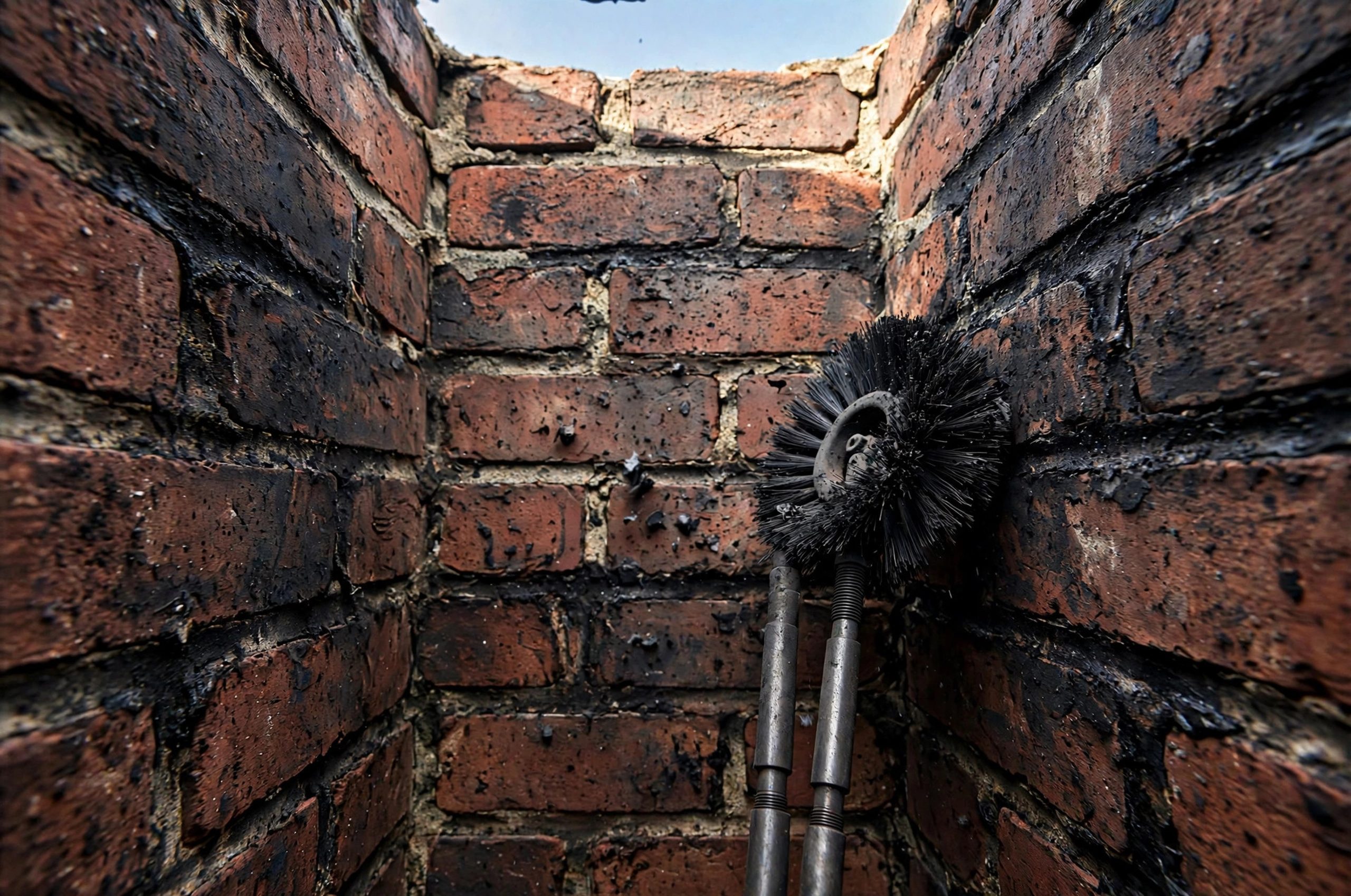
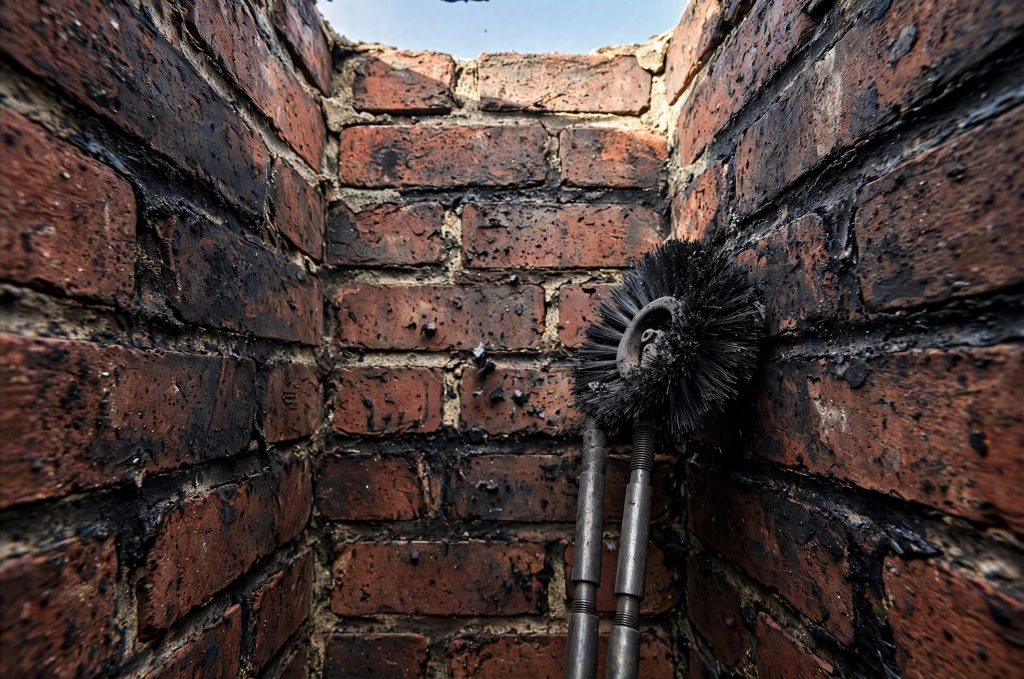
Creosote forms when unburned gases from a fire cool and condense on the inside of the flue. It builds up in layers. Early creosote is flaky and easy to brush out. Left alone, it turns into a tar-like glaze that is extremely flammable and very hard to remove.
A chimney fire can reach temperatures high enough to crack flue liners and spread to the house framing. Even a small chimney fire can damage the liner and leave the chimney unsafe to use. Lou Curley's Chimney Service explains that creosote is flammable even in small amounts, which is why experts do not wait for heavy buildup (Lou Curley).
Creosote also narrows the flue, which weakens the draft. A weak draft means smoky fires, smoke spilling into the room, and less heat from your wood.
The 1/8-Inch Rule
The key to clean a chimney flue is choosing the right approach for your space and budget.
With a little planning, clean a chimney flue can fit even a busy schedule.
The CSIA's practical trigger for cleaning is one-eighth inch of creosote or soot inside the flue liner. At that thickness, the risk of ignition rises and the draft starts to suffer. If you see a glazed, tar-like coating at any thickness, do not wait. Glazed creosote is the most dangerous kind and the hardest to remove, so it needs professional attention right away (Chimney Solutions).
University of Georgia Extension specialists give a similar warning: check the chimney during the heating season, and treat heavy buildup as a signal to stop burning until the flue is cleaned (UGA Extension).
Cleaning Schedules by Fuel Type
With a little planning, clean a chimney flue can fit even a busy schedule.
Before you start, it helps to understand how clean a chimney flue works in real homes.
Wood-burning fireplaces and stoves
Sweep once per heating season at minimum. If you burn daily through the winter, one cleaning before the season is usually enough, provided you burn seasoned wood and run hot fires. If you burn green or unseasoned wood, or you damp the stove down to a smolder for long stretches, plan on a mid-season check as well. Heavy users may need two cleanings per year.
Pellet stoves
Pellet stoves burn cleaner than wood stoves, but they still need annual cleaning. Ash builds up in the venting, and the burn pot and heat exchanger need regular attention. Have the venting professionally cleaned once a year.
Gas fireplaces
Gas burns clean and makes no creosote, but the flue still needs an annual inspection. Bird nests, leaves, and debris can block a gas flue just as easily as a wood flue, and a blocked gas flue can push carbon monoxide into the home. Clean as needed when the inspection finds debris or corrosion (FireSafe Chimney Services).
Oil and coal
Oil and coal flues build up soot and sulfur deposits. Annual cleaning is the standard, with inspection for corrosion and liner damage.
Signs Your Flue Needs Cleaning Now
Before you start, it helps to understand how clean a chimney flue works in real homes.
A good plan for clean a chimney flue saves time, money, and frustration.
Do not wait for the calendar if you notice any of these:
- A strong smoky or tar-like odor from the fireplace, even when it is not in use.
- Smoke spilling into the room when you light a fire.
- Fires that are hard to start or keep burning.
- Black, oily marks on the fireplace walls.
- Flakes of creosote falling into the firebox.
- A dull roar or crackling sound in the chimney during a fire, which can signal a chimney fire. Call the fire department first, then a sweep.
- Animals or birds nesting in or near the flue.
Men's Journal's chimney guide lists smoke odors, soot buildup, poor draft, and falling creosote flakes as the key warning signs (Men's Journal).
What Slows or Speeds Up Buildup
A good plan for clean a chimney flue saves time, money, and frustration.
For most people, clean a chimney flue comes down to a few smart choices.
You have real control over how fast creosote forms:
- Burn seasoned wood only. Wet wood is the top cause of fast creosote buildup. Wood at or below 20 percent moisture burns hotter and cleaner.
- Run hot fires. A smoldering, damped-down fire makes far more creosote than a brisk one.
- Keep the damper open while burning. Starving the fire of air increases smoke and deposits.
- Do not burn trash, cardboard, or treated wood. They burn dirty and some release toxic fumes.
- Install a chimney cap. Caps keep out rain, animals, and debris that block the flue and worsen draft problems.
SureGlow Chimney & Fireplace Services notes that leaves and animal nests are common blockages that an annual visit catches before they become hazards (SureGlow).
What a Professional Cleaning Includes
For most people, clean a chimney flue comes down to a few smart choices.
A proper chimney sweep does more than run a brush up the flue. A full service typically includes:
1. Creosote and soot removal from the flue liner with rods and brushes sized to your flue. 2. Cleaning of the smoke chamber, smoke shelf, damper, and firebox. 3. Removal of blockages such as nests and debris. 4. A Level 1 safety inspection of all accessible parts of the system. 5. A written report with photos of anything that needs attention.
Chimney Services bundles a Level 1 inspection into every cleaning, which is the industry standard for an annual visit (Chimney Services).
Cleaning vs. Inspection: Know the Difference
If you are new to clean a chimney flue, start with the simplest option and build from there.
A cleaning removes buildup. An inspection evaluates the condition of the chimney. You need both. The annual inspection can catch cracked liners, missing mortar, water damage, and other problems that no amount of sweeping will fix. If you are buying or selling a home, or changing to a different appliance, ask for a deeper Level 2 inspection, which uses cameras to look inside the flue.
DIY Brushing: Helpful but Not a Replacement
When it comes to clean a chimney flue, getting the details right makes all the difference.
You can buy chimney brushes and rods and sweep your own flue between professional visits. For a straight, accessible flue, a careful homeowner can remove loose soot. But DIY sweeping has limits:
- You cannot easily inspect the liner for cracks from the rooftop or the firebox.
- Glazed creosote needs professional tools and chemicals.
- Working on a roof is dangerous, especially on steep or tall chimneys.
- You may miss blockages or structural problems a trained eye would catch.
Think of DIY brushing as a supplement, not a substitute. The annual professional visit is the non-negotiable part.
Scheduling Tips
Many homeowners find that clean a chimney flue is easier than they expected once they know the basics.
- Book in spring or summer. Sweeps are busiest in the fall. Off-season appointments are easier to get and sometimes cheaper.
- Keep a log. Write down each cleaning date and what the sweep found. It helps you spot trends in buildup.
- Pair it with detector checks. When you schedule the sweep, test your smoke and carbon monoxide detectors too.
- Find a certified sweep. Look for CSIA certification when choosing a chimney sweep service. For heavy commercial-grade needs, commercial chimney sweep services handle larger systems. A good chimney cap installed at the same visit protects the flue year-round.
The Wilson Times, reporting on CSIA guidance, adds that gas fireplaces need annual inspection too, since bird nests and debris can block any flue (Wilson Times).
The Bottom Line
Inspect every chimney once a year. Clean the flue when creosote reaches one-eighth inch, and clean wood-burning flues at least once per heating season. Burn seasoned wood, run hot fires, and watch for warning signs between visits. A clean flue draws better, heats better, and keeps your family safe. It is one of the cheapest insurance policies a fireplace owner can buy.
Frequently Asked Questions
Do gas fireplaces need chimney cleaning? They need annual inspection, and cleaning as needed. Gas makes no creosote, but bird nests, leaves, and debris can block the flue. A blocked gas flue can push carbon monoxide into the home, so the yearly check still matters.
How much does a chimney sweep cost? Prices vary by region and chimney type, but a standard sweep with inspection is one of the more affordable home services. Call two or three certified sweeps for quotes. Off-season bookings in spring or summer are often easier to schedule.
Can I inspect my own flue? You can shine a bright flashlight up from the firebox and look for obvious buildup or blockages, but you cannot see the full liner or spot hairline cracks that way. A professional inspection with proper tools is the reliable option.
What is a Level 2 chimney inspection? It is a deeper inspection that uses cameras to look inside the flue. It is recommended when buying or selling a home, after a chimney fire, or when changing to a different type of appliance. The annual visit is usually a Level 1 inspection. A little care goes a long way when you clean a chimney flue.
References
Chimney Services. (n.d.). Chimney cleaning & sweep services. https://chimneyservices.net/chimney-cleaning/
Chimney Solutions. (n.d.). How often does a chimney need to be cleaned? https://www.chimneysolutions.com/blog/annual-chimney-cleaning/
FireSafe Chimney Services. (n.d.). How often should you schedule chimney cleaning? https://www.firesafechimneyservices.com/blog-posts/how-often-should-you-schedule-chimney-cleaning
Lou Curley Chimney Service. (n.d.). Why an annual chimney cleaning is important. https://loucurley.com/annual-chimney-cleaning-important/
Men's Journal. (n.d.). How often should you clean your chimney? Signs it needs sweeping. https://www.mensjournal.com/home-living/how-often-should-you-have-chimney-cleaned
SureGlow Chimney & Fireplace Services. (n.d.). How often should you check your chimney? https://sureglowstoveandchimney.com/how-often-should-you-check-your-chimney/
University of Georgia Extension. (n.d.). For safety's sake, check your chimney. https://fieldreport.caes.uga.edu/news/for-safetys-sake-check-your-chimney/
Wilson Times. (n.d.). Check chimneys to avoid fire. https://www.wilsontimes.com/news/check-chimneys-to-avoid-fire-51495
Was this guide helpful?

About My Garden US
The My Garden US editorial team writes practical, in-depth home and garden guides for American homeowners — tested advice, no fluff.
You May Also Like
Top Rated Stone Fireplace Surrounds for Small Apartments
August 28, 2026 18 views
Buy Fireplace Blowers and Fans Online in Texas: A Complete Guide
March 29, 2026 14 views
Where to Buy Fireplace Grates in Colorado
January 12, 2026 20 views