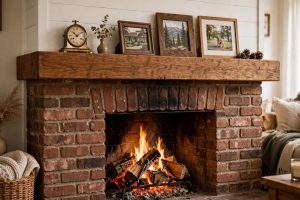

A Dry Stack of Wood Starts With the Right Rack
Every home that burns wood knows the same hard truth. Wet wood is poor wood. It burns cold, it smokes, and it leaves heavy black tar inside the chimney. In damp parts of the country, where the air stays thick for weeks at a time, keeping a woodpile dry is a real job. That is why top rated firewood storage racks for humid climates earn their praise. They lift the logs off the ground, open the air around each piece, and shield the stack from driving rain. This guide explains what makes a rack good in wet weather, what kinds are sold, what they cost, and how to care for them.
Why the Right Rack Matters in Damp Weather: Top Rated Firewood Storage Racks for Humid Climates
Wood begins to rot the moment water reaches it. In a humid climate the problem doubles. Rain wets the pile from above, and the damp soil wets it from below. Wood that lies on bare ground drinks moisture through its end grain like a sponge. Within one season, the bottom row of a ground pile can turn soft and dark with decay.
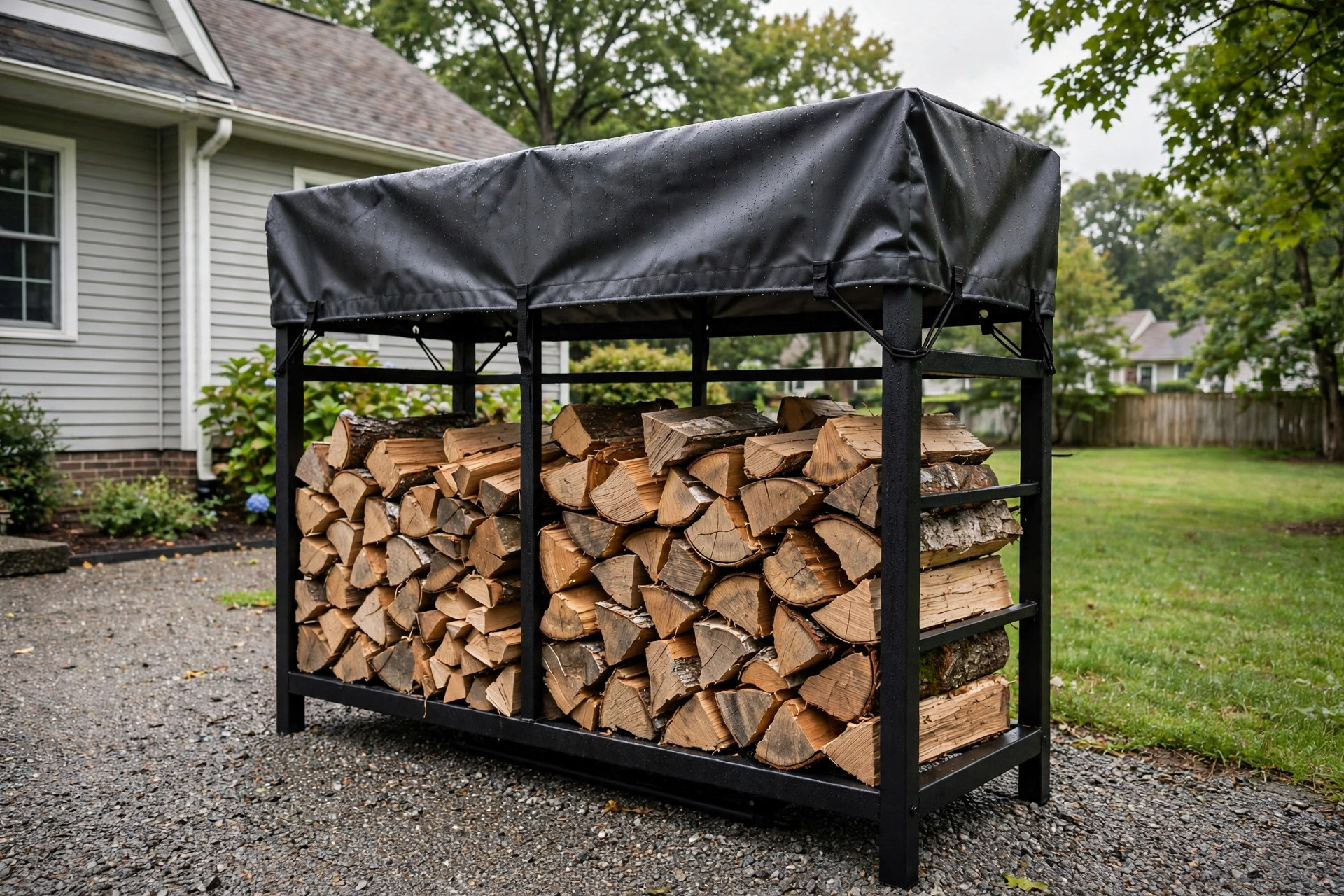
A proper rack stops this at the source. It holds the logs six inches or more above the ground. Air moves under the pile and through it. The wood dries instead of rotting. A good rack also comes with a cover, or is shaped to take one, so the top of the stack stays dry while the sides stay open to the wind. Dry wood lights faster, burns hotter, and gives more heat for the money. It also cuts down the soot that builds up in the flue, which makes the whole fireplace safer to run. Homeowners who pair a solid rack with a best wood burning fireplace inserts for texas homes guide often see their heating bills fall, because dry hardwood throws off real heat where wet wood only steams.
Moisture also brings insects. Termites, carpenter ants, and powder-post beetles love damp wood piles. A rack that stands away from the house wall and off the soil makes the pile far less inviting to them. This is a quiet but real reason the best-rated racks in wet states all stand tall and open.
What to Look For When You Choose a Rack
Not every rack sold in the store will stand up to a wet climate. Here are the points that matter most.
Frame Material
Steel is the common choice. Powder-coated steel resists rust far better than plain painted steel. In humid air, the paint on cheap racks bubbles and peels within a year, and rust follows. Look for a rack described as powder-coated or galvanized. Galvanized steel carries a zinc coating that fights corrosion even when scratched. Some racks use aluminum. It never rusts at all, though it costs more and can bend under very heavy loads.
Airflow Design
The best racks hold logs in a single open cradle with gaps at the sides. Solid bins and boxes trap humid air and should be avoided for outdoor use in wet weather. Open designs let the breeze reach every stick. Some models add raised slats along the bottom instead of flat bars, which keeps even more air under the pile.
A Cover That Breathes
A waterproof cover is almost required in a humid climate. Rain that strikes the pile sideways will undo a whole summer of drying. The cover should fit over the top and hang down a few inches on the sides, but it must not wrap the whole pile. A cover that seals the sides shuts in damp air and breeds mold. The most praised designs use a dark, water-shedding fabric with open ends so moisture can escape.
Size and Footing
Measure before you buy. Racks are sold by cord length, from small two-foot racks for a weekend fire pit to full eight-foot racks that hold half a cord or more. The feet matter too. Wide, flat feet spread the weight on soft, wet ground. Some racks add spikes or anchors for windy sites. On a patio, rubber feet keep the steel from staining the stone.
Types of Firewood Racks
Shoppers will find four main types, each with a place in a damp climate.
Outdoor Freestanding Racks
These are the workhorses. They stand in the yard near the woodpile, often holding a quarter to half a cord. The top-rated models for humid weather use thick tubular steel with a sloped cover. They are heavy enough to stay put in wind and tall enough to keep logs well off the soil. Many owners set them on gravel or concrete blocks for extra drainage.
Covered Log Sheds and Holders
A small open-front shed, sometimes called a log store, gives more shelter than a covered rack. It has a roof, three sides, and a raised slatted floor. Wood stays drier in long rainy spells, and the shed keeps the yard tidy. The price is higher, and the shed must be placed where wind can still move through the open front, or the wood will dry slowly.
Indoor Racks
An indoor rack sits by the fireplace and holds a day or two of wood. In humid weather it plays a second role: wood brought inside warms and dries further before it is burned. Indoor racks are usually smaller and built for looks as well as strength, since they sit in the living room. Anyone choosing fireplace glass doors or new trim should read a fireplace glass doors reviews and buying guide first, so the whole hearth matches.
Wall-Mounted and Compact Racks
For small yards and townhouses, wall-mounted racks hold a modest supply against a fence or wall. They work in wet climates as long as they stand a few inches off the wall itself, so air can pass behind the wood. Standoff brackets are a good sign on these models.
Cost and Price
Prices run a wide range. A small indoor rack of simple steel may cost twenty dollars. A mid-size outdoor rack with a cover, the kind most often praised for humid climates, runs between sixty and one hundred fifty dollars. Large covered log sheds cost two hundred dollars and up, sometimes much more for cedar or hardwood models.
The cost of the rack is small beside the cost of ruined wood. A cord of seasoned hardwood can sell for two hundred dollars or more in many states. If poor storage lets half the pile rot, the lost wood costs more than the best rack on the shelf. Viewed this way, a good rack pays for itself in a single season. Price shoppers may still want to compare chimney gear at the same time, and a best chimney caps and covers buying guide is a useful companion when the whole chimney system needs attention.
How to Stack the Rack So Wood Dries Well
A fine rack cannot do its job if the wood is stacked badly. Good stacking is a small skill, and it matters more in humid air than anywhere else.
Start with the largest logs on the bottom row. They carry the weight of the pile and hold it steady. Place the bark side up on the top row only. The bark acts as a small roof for each log, shedding the rain that blows under the cover edge. On the rows below, lay the bark side down, so water that finds its way in runs off the bare wood and drips away.
Leave small gaps between the rows. A tight, packed pile shuts out the wind, and in wet weather still air is the enemy. Criss-cross the ends of the stack, one layer running one way and the next running across it. This simple pattern lets air climb through the ends while keeping the stack from tipping.
Keep the pile an inch or two inside the frame on each side. Wood that presses hard against the cover edge traps dampness where they touch. The same rule holds at the ground: no log should touch the soil. When the pile settles after a few weeks, as all woodpiles do, push the loosened pieces back into line before a storm.
Finally, watch the weather. Before a long wet spell, check that the cover straps are tight and the front of the pile faces the wind, not away from it. These small steps take ten minutes. They keep a good rack working at its best.
Care and Upkeep
A rack needs little care, but a humid climate asks for a few habits.
Check the frame each spring for rust spots. Touch up scratches with rust-blocking paint before the rainy season. Tighten bolts, since wind and the shifting weight of logs can loosen them over the year.
Wash the cover once a season with mild soap and water, and let it dry fully before it goes back on. A dirty cover holds moisture against the fabric and breaks down faster.
Rotate the wood. Burn the oldest logs first and restack new wood at the back. This keeps every piece moving through the pile so none sits damp and forgotten at the bottom.
Keep grass and weeds cut back around the rack. Plants hold dew against the steel and slow the air. A ring of gravel under the rack drains rain away from the feet and keeps the site tidy.
Safety
Firewood storage has real safety rules. Never stack wood against the house wall or under a deck unless the rack is made for that spot and stands off the surface. Stored wood feeds fires fast, and embers from a fireplace can reach it.
Never bring green or freshly cut wood inside for long-term indoor storage. It carries moisture and mold spores into the house. Season wood outdoors for six months to a year, then bring in only what you will burn in a day or two.
Keep the rack a reasonable distance from the fireplace itself. Indoor racks should sit clear of the hearth opening so stray sparks cannot reach them. The chimney should be swept once a year, since even dry wood leaves some buildup, and wet wood leaves far more.
Frequently Asked Questions
How much air space should a rack leave under the wood?
Six inches is the practical minimum in a humid climate. More is better. Some owners set their racks on concrete blocks to raise them a full foot, which keeps flood-level puddles from touching the bottom logs.
Should I cover my firewood all year in a humid state?
Cover the top year-round. Leave the sides open. A full wrap traps the damp air that a humid climate pushes in from every side, and the wood will mold instead of drying.
Does treated lumber work as a base under a rack?
Yes, if it drains well. Many owners lay two pressure-treated runners under a rack to keep it off the soil. The runners themselves should sit on gravel so water does not pool around them.
How do I know my wood is dry enough to burn?
Two signs tell the story. The bark loosens and pulls away from seasoned logs, and the ends show small cracks called checks. A moisture meter is the sure test: wood at or below twenty percent moisture is ready for the stove.
Can I use one rack both outdoors and by the fireplace?
A small rack can do both jobs, but it will rust faster outdoors in humid air unless it is coated for the weather. Most homes are happier with a large weatherproof rack outside and a small handsome one inside.
A Short Final Word
In a humid climate, a firewood rack is not a luxury. It is the tool that decides whether the woodpile feeds the fire or feeds the rot. The top-rated racks share the same simple virtues: strong coated steel, open air on all sides, good height off the ground, and a cover that sheds rain without trapping damp air. Buy with those points in mind, keep the pile tidy and rotating, and the wood will burn the way good wood should: hot, clean, and easy to light.
For more background, see The Spruce, U.S. Environmental Protection Agency, and Lowe’s. For more background, see The Home Depot, Napoleon, and Heatilator. Buying guides are also published by This Old House and Family Handyman.
References
Family Handyman. (n.d.). DIY home repair and maintenance. https://www.familyhandyman.com Heatilator. (n.d.). Fireplaces and fireplace products. https://www.heatilator.com Lowe’s. (n.d.). Home improvement products. https://www.lowes.com Napoleon. (n.d.). Fireplaces, grills, and heating products. https://www.napoleon.com The Home Depot. (n.d.). Home improvement products. https://www.homedepot.com The Spruce. (n.d.). Home and garden advice. https://www.thespruce.com This Old House. (n.d.). Home renovation guidance. https://www.thisoldhouse.com U.S. Environmental Protection Agency. (n.d.). Protecting human health and the environment. https://www.epa.gov
Was this guide helpful?

About Sarah Mitchell
The My Garden US editorial team writes practical, in-depth home and garden guides for American homeowners — tested advice, no fluff.
You May Also Like
High Efficiency Fireplace Remote Controls with Free Shipping: A Full Buying Guide
July 19, 2026 0 views
Where to Buy Electric Fireplace Mantels in Arizona
July 18, 2026 0 views
Best Direct Vent Gas Fireplaces for American Homes: A Complete Buyer’s Guide
September 29, 2026 0 views