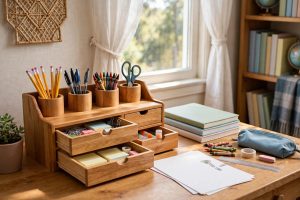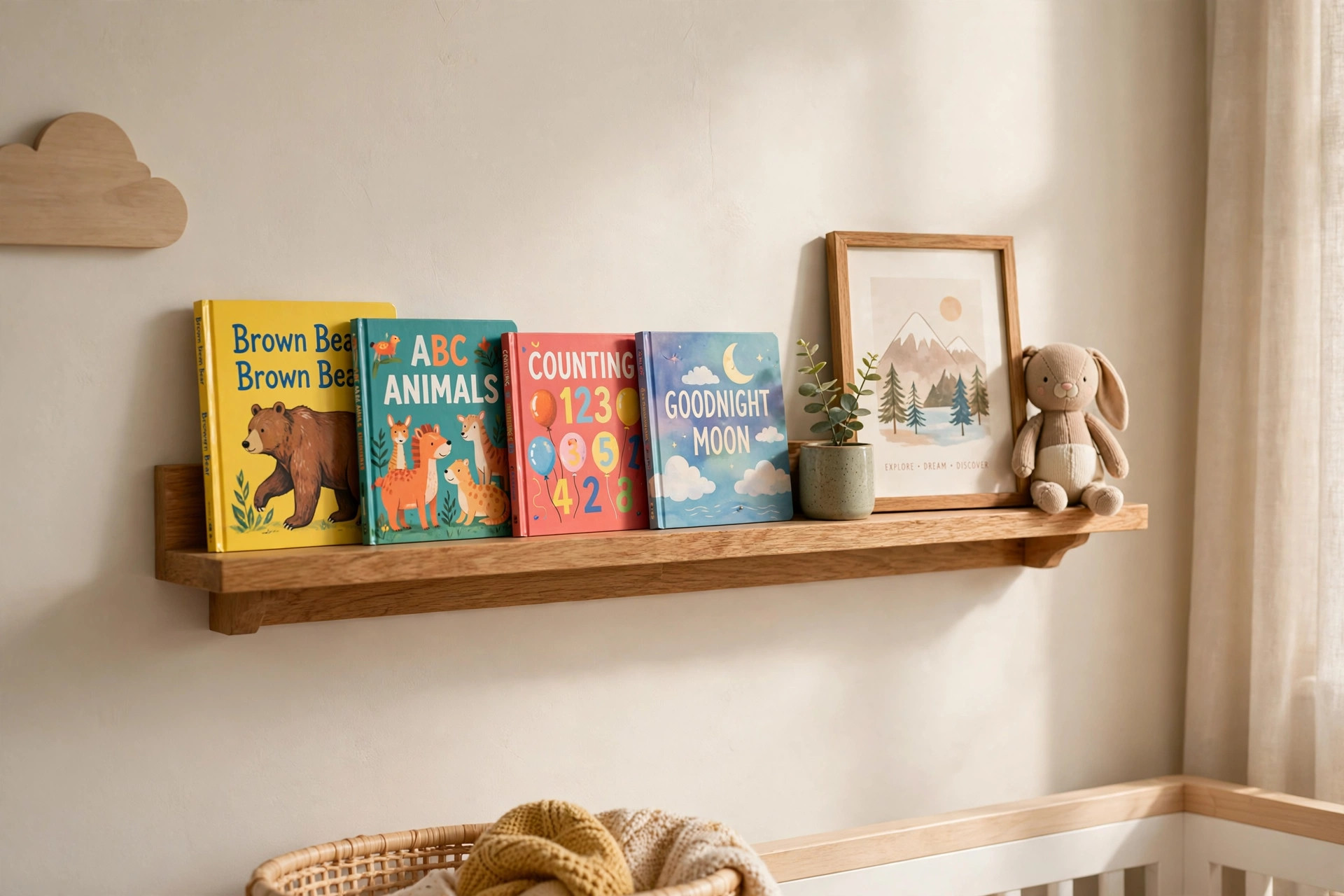

A nursery wall shelf for books and decor is one of the smartest additions a parent can make to a baby’s room. It uses empty wall space that would otherwise go to waste. It keeps small books, toys, and keepsakes off the floor and out from under foot. It turns a plain wall into a warm, personal display.
Nurseries are often small. Floor space fills up fast with a crib, a dresser, and a chair. A wall shelf solves this problem in a simple way. It holds picture books with their covers facing out, so a child can see and choose them. It also holds small items that matter to the family, such as a first rattle, a framed photo, or a soft toy.
In this guide, we look at why these shelves matter, what to check before you buy, the main types on the market, what they cost, how to care for them, and how to keep them safe. We close with answers to common questions and a short final word.
Why It Matters
A nursery wall shelf for books and decor does more than hold things. It shapes the room. A row of books with bright covers becomes art on the wall. A small shelf with a lamp, a plant, or a framed print adds warmth. Parents often say the room feels finished once the walls have something on them.
It also helps with daily life. Board books pile up fast. When they sit on a low shelf, a toddler can pull them out and learn to handle them. A child who can see a book will ask to be read to. That is a small habit with large value over time. For ideas on building a reading corner, many parents pair a wall shelf with a bookshelf with bins for toys.
Space is the other reason. A standard nursery may measure only ten feet by ten feet. Every square foot counts. A shelf takes up no floor at all. Two or three shelves can hold a dozen books and a handful of decor items without crowding the room. Families in apartments gain the most from this, since the room often doubles as a guest room or an office.
There is a safety gain as well. Items stored up on a shelf stay out of a baby’s reach during the crib years. Small objects that a baby could swallow can sit safely above head height. This matters most in the first year, when a child explores everything with the mouth.
Finally, a shelf grows with the child. At first it holds baby books and decor. Later it holds school books, trophies, or hobby items. Many families keep the same shelf for years. That long life makes it a good value.
What to Look For When You Choose One: Nursery Wall Shelf for Books and Decor
Start with the purpose. Will the shelf hold books only, or decor too? A shelf for books needs a front lip or rail so books stand upright. A shelf for decor can be a flat board. A shelf that does both should have the lip but still leave room for small objects between book groups.
Next, check the material. Solid wood is strong and looks warm. Engineered wood is cheaper and lighter but may not hold heavy loads as well. Metal brackets add strength to wooden boards. Plastic shelves are light and easy to clean, but they can look plain. Many nursery lines from makers like IKEA and Pottery Barn Kids use painted wood with rounded edges, which suits a baby room.
Finish matters in a nursery. Look for paint or stain that is free of lead and low in fumes. A smooth finish resists stains from small hands. If you plan to paint the shelf yourself, choose a paint made for indoor use and let it air out fully before you hang it near a baby’s crib.
Measure the Space
Measure the wall before you shop. Note the width of the wall and the height where you want the shelf. Keep the bottom shelf high enough that a crawling baby cannot reach it, but low enough that an adult can reach books with ease. Many parents hang the first shelf about four feet off the floor.
Check what is behind the wall. A stud finder tells you where the wood framing sits. Shelves screwed into studs hold far more weight than shelves held by drywall anchors alone. If you rent, ask the landlord about drilling rules. Some landlords allow small holes that can be filled later, while others forbid them. Shoppers at stores like Wayfair and Target often check product pages for mounting hardware details before they buy.
Weight Limits and Anchors
Every shelf has a weight limit. Do not guess it. Read the product label or the listing. A shelf that holds picture books needs to support more weight than one that holds small toys, because books are heavy for their size. A foot of board books can weigh several pounds.
Use the right anchors. For studs, use wood screws. For drywall without studs, use rated anchors that match the shelf’s load. For brick or plaster walls, use masonry anchors. The consumer safety group behind CPSC publishes free guides on anchoring furniture and shelving so it cannot tip or fall.
Types and Options
Nursery shelves come in several common forms. Each suits a different wall and a different style.
Floating Ledge Shelves
The floating ledge is the most popular choice for a nursery wall shelf for books and decor. It is a narrow board with a raised front edge. Books face outward, which makes them easy for small children to pick out. The hidden bracket gives a clean look with no visible hardware. Ledges are easy to dust and simple to mount.
Box Shelves
Box shelves form cubes or rectangles that hang on the wall. They hold books, small bins, and decor items in separate sections. A box shelf works well on a wide wall where you want a bold shape. Some sets mix two or three cubes at different heights for a playful look.
Peg Rail Shelves
A peg rail is a wooden board with hooks or pegs and a small top ledge. It holds small toys, hats, or bags on the pegs and books on the ledge above. This type adds old-style charm to a nursery. It suits farmhouse or classic themes.
Corner Shelves
Corner shelves fit into the angle where two walls meet. They use space that would otherwise stay empty. They work well in very small nurseries. They can hold a small plant, a nightlight, or a stack of books within easy reach of a rocking chair.
Picture Ledge Sets
Some brands sell ledges in sets of two or three. Sets let you build a small wall display at low cost. You can hang them in a straight line or stagger them. Sets are a good pick when you want the wall to look planned rather than random.
Many parents match their shelves to other wall items, such as a nursery wall art set or simple wall shelves for toys. Keeping colors and wood tones close ties the room together.
Cost and Price
Prices for a nursery wall shelf for books and decor vary by size, material, and brand.
– Basic floating ledges made of engineered wood often cost between ten and twenty-five dollars each. These are sold widely at Walmart and Amazon. – Mid-range solid wood shelves cost between twenty-five and sixty dollars. They hold more weight and look better up close. – Designer sets of two or three shelves can cost sixty to one hundred fifty dollars or more. These often come from nursery brands with matched paint colors.
Labor can add to the cost. If you hire a handyman to mount the shelves, expect to pay for an hour of work. Most shelves take under an hour to install when the wall is standard drywall. Renting or buying a drill and a level is a one-time cost if you do it yourself.
Shipping costs matter for online orders. Large shelves may carry extra fees. Check the return policy before you order, in case the size or color does not suit the room.
Care and Upkeep
A shelf in a nursery needs little care, but small habits keep it in good shape.
Dust the shelf once a week with a dry or slightly damp cloth. Books collect dust fast, so take them down once a month and wipe the surface under them. This also lets you check for loose screws.
Rotate the books every few weeks. Children lose interest in books they see every day. Swapping in a few fresh titles makes the shelf feel new. It also spreads wear across the whole collection.
Check the mounting twice a year. Press gently on the shelf and feel for movement. Tighten screws that have worked loose. Wood can shrink and swell with the seasons, so a shelf that felt firm in winter may need a small turn in summer.
Clean stains right away. Milk, juice, and sticky fingers reach walls faster than parents expect. A damp cloth handles most marks. Avoid harsh cleaners on painted wood, since they can dull the finish.
Keep decor items light. A heavy vase or a glass frame can break if a ball hits the shelf. Choose soft or light items for shelves above the crib or the changing table.
Safety
Safety is the most important part of this guide. A shelf on the wall is safe only when it is mounted well and loaded with care.
Hang shelves away from the crib. A baby who can pull up may reach a low shelf and pull items down. The space above a crib should stay clear of shelves, frames, and anything heavy. Parenting resources such as HealthyChildren.org and What to Expect stress keeping the sleep area free of objects that could fall.
Anchor every shelf to a stud or a rated wall anchor. Do not rely on nails alone. A loaded shelf can pull out of weak drywall and fall. This is the most common cause of shelf accidents.
Mind small parts. Decor items with small beads, buttons, or detachable parts should stay out of reach of children under three. If a toddler can reach the shelf, move those items higher or store them elsewhere.
Round the edges. Look for shelves with soft or rounded edges, or add corner guards to sharp ones. Children bump into furniture as they learn to walk, and a sharp shelf edge at head height is a hazard.
Check for recalls. Before you buy or when you receive a hand-me-down, search the model name on the CPSC site. Recalled shelves are sometimes sold secondhand without the warning.
Frequently Asked Questions
How high should I hang a nursery wall shelf for books and decor?
Hang the lowest shelf about four to five feet off the floor. This keeps books out of reach of crawlers and toddlers but within easy reach of adults. When the child is older and you want them to reach books on their own, you can lower a shelf or add a second lower ledge.
How many shelves does a nursery need?
Most nurseries do well with two or three shelves. One shelf holds daily books. A second holds decor and keepsakes. A third, if you have wall space, holds books you rotate in over time. More than three can make a small wall feel crowded.
Can I use a nursery wall shelf for books and decor above the changing table?
Yes, many parents do this. It keeps diapers, wipes, and small supplies close at hand. Make sure the shelf is mounted firmly and keep only light items on it. Do not place anything that could fall onto the baby.
What is the best wood for a nursery shelf?
Solid pine or birch is a good choice. Both are strong, light, and take paint well. Hardwood like oak costs more but holds up longer. Avoid very soft boards that dent easily, and avoid shelves with rough splinters.
Are floating shelves strong enough for books?
Yes, if they are mounted into studs or with rated anchors. A floating ledge with a proper bracket can hold a full row of board books. The key is the mounting, not the board. Always follow the weight limit on the product.
How do I style a nursery wall shelf for books and decor?
Mix books and small objects. Line up a few books with covers facing out, then place a small plant, a framed print, or a soft toy beside them. Leave some empty space so the shelf does not look crowded. Sites like The Spruce share many photo ideas for nursery shelf styling.
A Short Final Word
A nursery wall shelf for books and decor is a small project with a large payoff. It frees floor space, puts books where children can see them, and gives the room a finished feel. Choose a solid shelf, mount it with care, and keep safety first. The result is a wall that serves the family every day and grows with the child for years to come.
References
Amazon. (n.d.). Online shopping. https://www.amazon.com American Academy of Pediatrics. (n.d.). HealthyChildren.org. https://www.healthychildren.org IKEA. (n.d.). Home furnishings. https://www.ikea.com Pottery Barn Kids. (n.d.). Kids furniture and decor. https://www.potterybarnkids.com Target. (n.d.). Retail store. https://www.target.com The Spruce. (n.d.). Home and garden advice. https://www.thespruce.com U.S. Consumer Product Safety Commission. (n.d.). Product safety information. https://www.cpsc.gov Walmart. (n.d.). Everyday low prices. https://www.walmart.com Wayfair. (n.d.). Furniture and home goods. https://www.wayfair.com What to Expect. (n.d.). Pregnancy and parenting guidance. https://www.whattoexpect.com
Was this guide helpful?

About Sarah Mitchell
The My Garden US editorial team writes practical, in-depth home and garden guides for American homeowners — tested advice, no fluff.
You May Also Like
Best Nursery Rug for Tummy Time Play: A Complete Guide
September 17, 2026 0 views
The Best Nursery Rug Washable for Easy Cleaning
January 20, 2026 0 views
Best Kids Bed Rail for Top Bunk Safety: A Parent’s Guide
February 17, 2026 0 views