
A Gentle Start to Owning a Salt Water Pool
Many new owners look for a salt water pool for beginners guide because the idea of a pool is simple, but the care of it feels less simple. A salt water pool is not a pool with no chlorine. It is a pool that makes its own chlorine from common salt. The water feels soft on the skin. The eyes sting less. The daily work is often lighter than with a pool that needs chlorine added by hand. That is why so many families now choose this system.
This guide walks through the basics in plain steps. You will learn how the system works, what it costs to buy and run, and how to test and care for the water. You will also learn the mistakes that beginners make most often, and how to avoid them. By the end, you will know enough to run a salt water pool with calm and care.
Why a Salt System Matters: Salt Water Pool for Beginners Guide
Softer Water and Fewer Harsh Chemicals
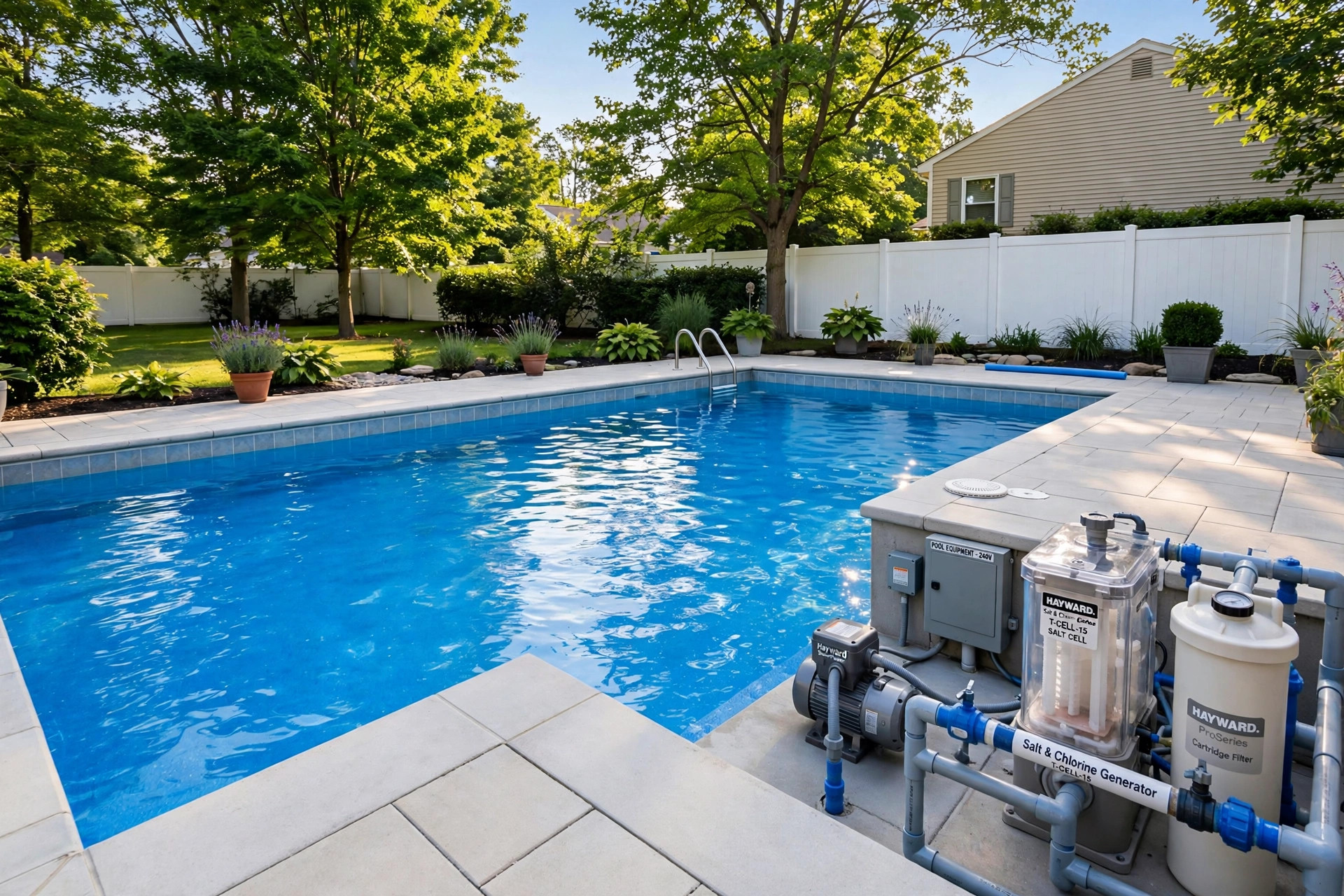
A salt water pool uses a salt chlorine generator, often called a salt cell. Pool water flows through the cell, and the cell changes dissolved salt into chlorine. That chlorine kills germs and algae. Then the chlorine turns back into salt, and the cycle starts again. You do not haul jugs of liquid chlorine home each week. The pool keeps a steady, low level of chlorine on its own.
The chlorine in a salt pool is the same chemical as in a standard pool. The difference is in how it is added. With a standard pool, chlorine goes in as tablets or liquid, and the level can rise and fall in sharp steps. With a salt system, the level stays even. That even level is why the water feels gentler on skin and eyes.
Lower Daily Work
Once the system is set up and the water is balanced, daily work is small. Most owners check the water once or twice a week. They clean the skimmer baskets. They watch the salt level. The generator does the rest. Many pool care guides note that salt systems need fewer harsh shocks and less frequent chlorine purchases.
This does not mean no work at all. A salt water pool still needs testing, brushing, and filter cleaning. But the heavy lifting of chlorine dosing is done by the machine.
How the System Works
The Salt Chlorine Generator
The heart of the system is the salt cell. It sits in the pool plumbing, usually after the filter and heater. Water passes through it when the pump runs. Inside the cell are metal plates. A low electric current runs across the plates. The current splits the dissolved salt and frees chlorine into the water.
A control panel lets you set the chlorine output. The setting is often a percent, such as 20 or 40 percent. You raise it in hot weather or when the pool gets heavy use. You lower it in cool weather or when the pool sits unused. New owners often start near the middle and adjust after testing.
The generator can only make chlorine while the pump runs. So the pump run time matters. Most salt pools need the pump to run six to eight hours a day in summer. A timer or automation system handles this without daily thought.
How Much Salt Does It Need
A salt water pool needs far less salt than the sea. The ocean is about 35,000 parts per million of salt. A salt pool usually needs 3,000 to 3,500 parts per million. At that level, most people cannot taste the salt in the water.
For a new pool, the salt is poured into the water in bags and brushed until it dissolves. For a pool that is being changed over from chlorine, the change is called a conversion. Our guide to salt water pool conversion cost covers what that job costs and what it involves.
Types and Options for Beginners
Above Ground Pools
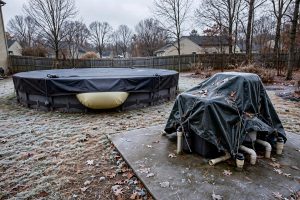
For above ground owners, a modest system is enough. The pool volume is smaller, so the cell does not need to be large. Keep the salt level in range and watch metal parts for rust or wear each season.
Inground Pools
Inground pools are the most common home for salt systems. The plumbing is already in place, and adding a salt cell is a job most pool workers can finish in a day. Concrete, fiberglass, and vinyl liner pools all work with salt water. Each surface has small needs. Vinyl liners and fiberglass need care with high chlorine levels, since strong chlorine can fade or wear the surface. Concrete and plaster pools need steady water balance so the surface does not pit or stain.
Salt Systems for Hot Tubs
Some owners also keep a spa or hot tub and wonder if the same idea applies. Smaller salt systems exist for hot tubs, though the market is thinner than for pools. Makers such as Hot Spring Spas and Bullfrog Spas offer spa models with built-in water care options, and it is worth reading their pages before choosing.
How to Choose Your Equipment
Size the Cell to the Pool
Salt cells are rated by the size of pool they can serve, often 15,000, 25,000, or 40,000 gallons. The wise move is to buy a cell rated for a pool larger than yours. An oversized cell runs at a lower setting and lasts longer. A cell that is too small will strain to keep chlorine up, and you will fight low chlorine all summer.
A pool seller or a pool equipment store can help you match the cell to your pool volume. Bring your pool size in gallons if you know it. If you do not know it, measure length, width, and average depth, and the seller can do the math.
Choose the Right Filter
The salt cell does not replace the filter. Sand, cartridge, and diatomaceous earth filters all work with salt water. The filter traps dirt and debris, and the cell makes chlorine. Keep both clean. A dirty filter slows the water flow, and low flow can make the cell shut down. If you are buying new, read our review of the best pool filter for saltwater systems to see which designs hold up well in salt water.
Pump and Timer
A single-speed pump works, but a variable-speed pump saves power. The salt cell needs a minimum flow, so check that the pump can reach it even at low speed. Set a timer so the pump runs long enough each day for the cell to do its job. Many owners run the pump during the day, when sun and heat use up chlorine fastest.
Cost and Price
Setup Cost
A salt chlorine generator for a home pool often costs between 800 and 2,500 dollars, counting the cell, the control panel, and the install work. Larger pools and premium brands sit at the high end. If a pool worker does the install, labor may add a few hundred dollars. Prices at large retailers such as The Home Depot can give you a sense of the current range before you call a local shop.
Ongoing Cost
After setup, salt is cheap. A bag of pool salt costs little, and you add salt only when the level drops, often from splash-out or backwashing. The cell is the main long-term cost. A cell lasts three to seven years, and a replacement cell often costs 400 to 900 dollars. Electricity for a longer pump run time is another small cost.
Many owners find the total yearly cost is lower than buying chlorine tablets and shock all season. Others find it is about the same. The real gain is ease, not always money.
Salt Water vs Chlorine: A Quick Comparison
Before you commit, it helps to weigh both sides. Our article on salt water vs chlorine pool pros cons walks through the full list, but here is the short version. Salt water wins on comfort and ease. Chlorine pools win on lower upfront cost. Both need testing and care. Neither runs itself. Pick the system that fits your budget and your patience for weekly work.
Care and Upkeep
Test the Water Each Week
Testing is the most important habit. A simple test kit or test strips will check free chlorine, pH, alkalinity, and salt level. Test at least once a week, and twice a week in hot weather. Write down the results in a small notebook. The notes will help you see trends and catch trouble early.
Aim for these ranges as a starting point. Free chlorine should sit between 1 and 3 parts per million. The pH should sit between 7.2 and 7.6. Salt should sit at the level your cell maker names, often 3,200 parts per million. Alkalinity should sit between 80 and 120 parts per million. Your cell maker or a pool supply shop can confirm the exact targets for your model.
Balance pH and Alkalinity
Salt systems tend to push pH upward. This is normal. Check pH each week and bring it down with muriatic acid or a pH reducer when it climbs past 7.6. Do this carefully, in small steps, and wait before testing again. Keep alkalinity in range too, since it helps pH stay steady.
Clean the Salt Cell
Over time, mineral scale builds up on the cell plates. The control panel may show a warning light. Most makers advise checking the cell every three to six months. To clean it, remove the cell and soak it in a mild acid wash made for the purpose. Never use sharp tools on the plates. A clean cell makes chlorine better and lasts longer.
Brush and Skim
Salt water does not stop algae on its own. Brush the pool walls and steps each week. Skim the surface for leaves and bugs. Empty the skimmer and pump baskets. This simple work keeps the water clear and takes pressure off the chlorine.
Watch the Salt Level
Rain, splash-out, and backwashing all lower the salt level. Test salt each month. If it falls below the target, add salt in bags and let the pump run for a day to mix it. Do not let the salt cell run with very low salt. The cell will strain, and chlorine will drop.
Safety
Water Safety Comes First
A salt water pool is still a deep body of water, and it needs the same care as any pool. Keep a fence with a self-closing gate around the pool. Teach children to swim. Keep rescue gear near the water. The Consumer Product Safety Commission publishes pool safety guidance that every new owner should read.
Handle Pool Salt and Acid Safely
Pool salt is plain and safe, but pH chemicals are not. Store muriatic acid and other pool chemicals in a cool, dry place, away from children and pets. Wear gloves and eye coverings when you add acid. Never mix pool chemicals together. Read every label before you open a bottle.
Watch Metal Parts
Salt water can wear on metal over time. Check ladders, light fixtures, and heater parts each season for rust or pitting. Some owners add a zinc anode, a small metal rod that takes the wear so other parts do not. Ask your pool worker if your setup would gain from one.
FAQ
Is a salt water pool really free of chlorine?
No. A salt water pool makes chlorine from salt. The water holds a steady, low level of chlorine. It is not a chlorine-free pool. People who want a pool with no chlorine at all must look at other systems.
Does salt water hurt the eyes less?
Most swimmers say yes. The chlorine level stays even instead of rising in sharp steps. The water also feels softer. But poor water balance can still sting the eyes, so testing still matters.
Can I turn my chlorine pool into a salt water pool?
Yes. The job is called a conversion. A pool worker adds a salt cell to the plumbing and brings the salt level up. The pool shell itself does not change. Costs vary by pool size and local labor. See our guide to salt water pool conversion cost for a full breakdown.
How long does a salt cell last?
Most cells last three to seven years. Heavy use, high heat, and poor water balance shorten the life. An oversized cell that runs at a low setting often lasts longer than a small cell that runs near full power.
What happens if the salt level is too high?
Very high salt can wear metal parts faster and may trip the cell into a warning state. It can also make the water taste salty. If the level is too high, drain a small amount of water and refill with fresh water, then test again.
Do I still need to shock a salt water pool?
Sometimes. Heavy rain, a pool party, or an algae bloom can use up chlorine faster than the cell can replace it. In those cases, a shock treatment brings the level back up. After the shock, the cell takes over the daily work again. Guides from The Spruce cover when and how to shock without harming the cell.
A Short Final Word
A salt water pool asks for steady habits, not hard labor. Test the water. Keep the salt in range. Clean the cell on schedule. Brush the pool each week. Do those four things, and the system will do the rest. New owners who start with these habits enjoy clear, soft water all season, and they spend more time swimming than worrying.
References
Bullfrog Spas. (n.d.). Hot tubs and spas. https://www.bullfrogspas.com Hot Spring Spas. (n.d.). Hot tubs and spas. https://www.hotspring.com Leslie’s Pool Supplies. (n.d.). Pool supplies and equipment. https://www.lesliespool.com Pool Warehouse. (n.d.). Pool equipment and supplies. https://www.poolwarehouse.com Swim University. (n.d.). Pool and hot tub care guides. https://www.swimuniversity.com The Home Depot. (n.d.). Home improvement products. https://www.homedepot.com The Spruce. (n.d.). Home and garden advice. https://www.thespruce.com U.S. Consumer Product Safety Commission. (n.d.). Product safety information. https://www.cpsc.gov
Was this guide helpful?

About Michael Thompson
The My Garden US editorial team writes practical, in-depth home and garden guides for American homeowners — tested advice, no fluff.
You May Also Like
Best Hot Tub Steps With Storage: A Practical Buyer’s Guide
August 11, 2026 0 views
Best Pool Slide for Inground Pools: A Buyer’s Guide
July 29, 2026 0 views
Best Pool Alarm for Child Safety: What Every Pool Owner Should Know
February 16, 2026 0 views