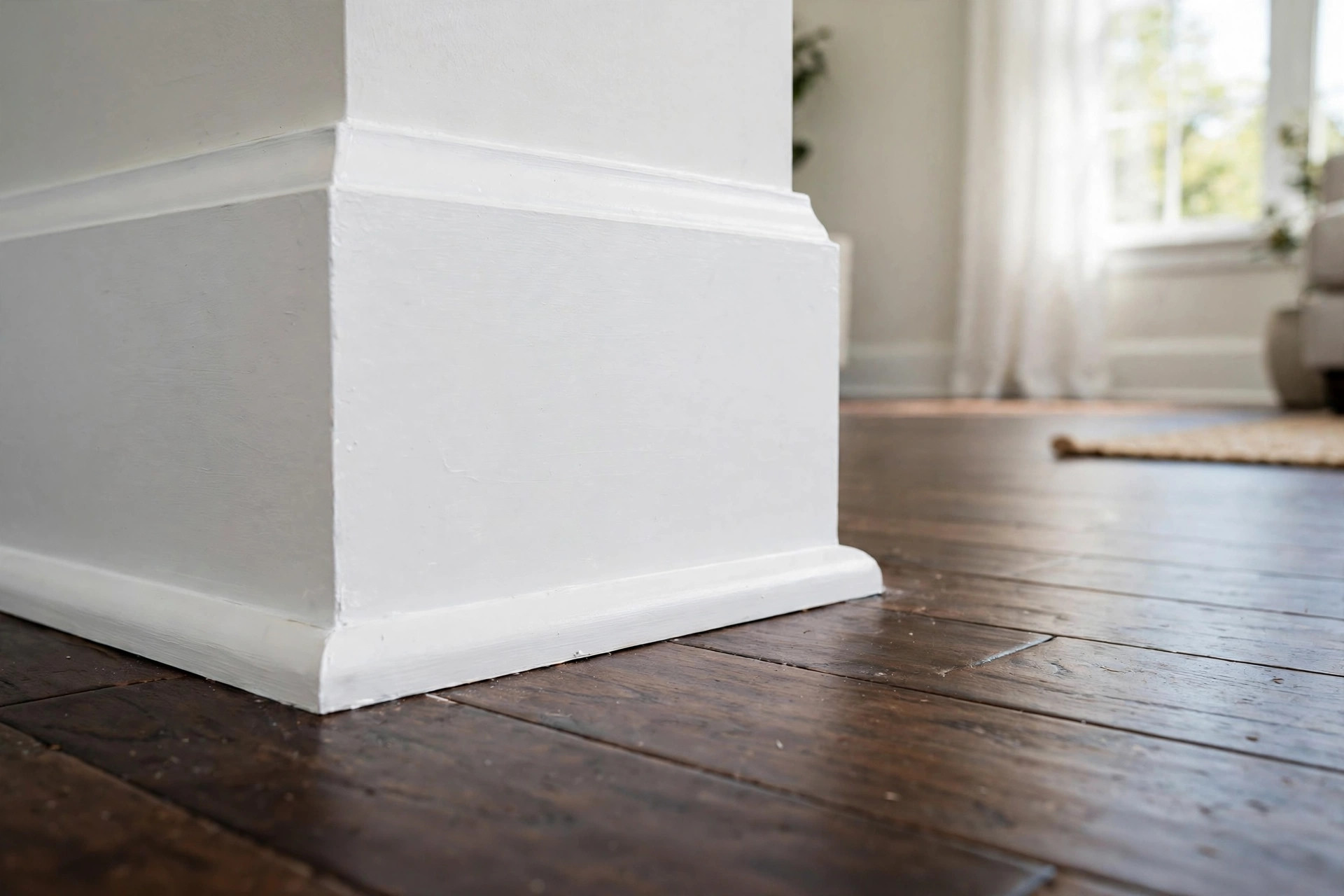

If you are finishing a floor project and wonder what quarter round installation cost near me looks like in real dollars, you are not alone. This small strip of trim is one of the least costly parts of a remodel, yet it changes how finished a room feels. Quarter round sits at the joint where a baseboard meets the floor. It hides the gap left by wood floors as they expand and shrink with the seasons. In 2026 most homeowners pay between one and four dollars per linear foot for a professional to install it, with materials adding twenty-five cents to two dollars per foot depending on the type chosen. This article walks through why this trim matters, what to look for, the types on the market, full cost ranges, care, safety, and the most common questions homeowners ask.
Why It Matters
Quarter round does more work than its size suggests. Floors made of wood, laminate, or vinyl need a gap along the wall so they can move. Without that gap, planks can buckle in summer heat and open thin cracks in dry winter air. The gap is useful, but it is not pretty. Quarter round covers it in one clean line and gives the baseboard a finished bottom edge. A room with new flooring and no trim looks unfinished. A room with neat trim looks complete.
The trim also protects the wall. Mops, vacuums, and shoes scuff the bottom of walls first. A solid strip of wood or PVC takes that wear instead of your drywall and paint. When it gets marked up, you can sand and repaint it or replace it at low cost. Many homeowners add quarter round after a flooring project rather than during one, and that is where the question of quarter round installation cost near me comes in. A local handyman or finish carpenter can often do a whole house in a day.
What to Look For: Quarter Round Installation Cost near Me
The Material
The material sets the price, the look, and the life of the trim. Solid wood takes paint and stain well and suits homes with real wood baseboards. Medium-density fiberboard, often called MDF, is smooth and cheap and arrives pre-primed, ready for paint. PVC or vinyl trim will not rot and suits damp areas such as bathrooms and kitchens. Pick a material that matches or suits your baseboard so the final result reads as one piece.
The Profile and Size
Quarter round is named for its shape. Cut across it and you see a quarter of a circle. The common size is three-quarter inch by three-quarter inch, though half-inch and one-inch versions exist. Larger rooms and tall baseboards take a larger profile better. Small rooms can look busy with oversized trim. Buy a short sample piece and hold it against your baseboard before you order a whole house worth.
The Finish
Trim can be bought raw, primed, pre-painted, or stained to match your floor. Pre-finished trim costs more up front but saves paint time. Raw wood needs priming and two top coats. If your baseboards are already painted, your installer can paint the quarter round the same color for a clean, built-in look. Homeowners comparing options often check interior paint color guides and trim paint lines to pick a finish that matches their existing woodwork.
Types of Quarter Round
Solid Wood Quarter Round
Solid wood is the classic choice. Pine is the most common and the most affordable. Oak, maple, and poplar cost more and stain well. Wood holds nails firmly and can be sanded if it is damaged. The trade-off is movement. Wood expands and contracts with humidity, so a skilled installer leaves hairline flexibility at the joints. Material cost runs about seventy-five cents to two dollars per linear foot.
MDF Quarter Round
MDF is made from wood fiber and resin pressed into a smooth, dense strip. It does not warp like wood and it costs less, often twenty-five to seventy-five cents per linear foot. It arrives with a primed face that takes paint in one or two coats. The weak point is water. MDF swells and crumbles when it gets wet, so it is a poor pick for bathrooms, laundry rooms, and homes with heavy mopping. For dry bedrooms and living rooms, it is a sound budget choice.
PVC and Vinyl Quarter Round
PVC trim is built for moisture. It will not rot, swell, or feed mold, which makes it the right call for bathrooms, kitchens, and basements. It costs more than MDF, often seventy-five cents to a dollar fifty per linear foot, and it is lighter to handle. It must be cut with sharp blades and glued at some joints because nails alone can crack it. Painted PVC looks close enough to wood that most guests never notice the difference.
Pre-Finished and Stained Quarter Round
If your floors are stained oak or walnut, pre-finished quarter round in a matching tone saves the whole paint and stain step. It costs more per foot but cuts labor time. Installers like it for rental work and quick flips because the job is done when the last nail goes in. The risk is color match. Bring a flooring sample to the store or order one test piece before you commit to a full order.
Cost and Price
Labor Cost per Linear Foot
Labor is the main part of quarter round installation cost near me searches. A finish carpenter in most United States cities charges between one and three dollars per linear foot to install, caulk, and fill nail holes. In high-cost metro areas the rate can reach four dollars. A simple single room of two hundred linear feet often costs two hundred to five hundred dollars in labor alone. A whole house of eight hundred linear feet runs eight hundred to two thousand dollars before materials.
Material Cost per Linear Foot
Materials are modest. MDF quarter round costs twenty-five to seventy-five cents per foot. Pine runs fifty cents to a dollar. Hardwood runs one to two dollars. PVC sits in the middle. Add ten percent extra footage for waste, bad cuts, and corners. Nails, caulk, wood filler, and paint add roughly fifty dollars to a hundred dollars per project, though many installers include these small supplies in their bid.
What Changes the Price
Several factors move the number up or down. Rooms with many corners, closets, and doorways take more cuts and more time than open rectangles. Removing old trim adds labor. Old trim that is painted shut or glued down can double the time of a job. Painting the trim after installation adds one to two dollars per foot if the pro does the paint work. Small jobs also carry a minimum charge. Many installers set a floor of one hundred fifty to three hundred dollars, so a tiny bathroom may cost more per foot than a whole house.
Getting Quotes
Get three written quotes from local installers before you hire. Ask each one to break out labor, materials, and paint so you can compare the same scope. Local big-box stores like Home Depot and Lowe’s list trim prices online, which helps you check whether a material markup is fair. Ask for references and one photo of recent trim work. A careful installer will cope inside corners rather than simple miter them, and the joints will be tight and nearly invisible.
How It Compares With Other Trim Work
Quarter round is only one piece of the trim world. Homeowners who are finishing a remodel often price several trim jobs at once. A full crown molding cost per linear foot guide shows that crown runs higher because the profiles are larger and the cuts are harder. A shiplap installation cost guide is useful if you are covering whole walls rather than floor edges. And a board and batten installation cost page helps when you want wall texture to match your new trim lines. Bundling two or three of these jobs with one carpenter often lowers the per-foot price of each.
Care and Upkeep
Quarter round is easy to keep. Dust it when you dust the baseboards. A damp cloth takes off most marks. For scuffs, a magic eraser or a touch of matching paint restores the line. Repaint wood and MDF trim every five to seven years in busy halls, less often in quiet rooms. PVC trim needs no paint but can be wiped with mild soap and water.
Watch the caulk line where the trim meets the wall. In homes with dry winters, that line can crack as wood shrinks. A thin bead of fresh paintable caulk every few years keeps the joint sealed and clean-looking. If a piece pulls loose, a finish nail and a dab of wood filler fix it in minutes. Because trim is cheap, replacing a damaged section is often easier than a fussy repair.
Safety
Trim work is low risk, but a few rules keep it that way. Wear safety glasses when cutting and nailing. MDF dust is fine and should not be breathed, so cut it outdoors or with a dust mask on. Keep blades sharp. A dull blade tears the profile and can kick the strip back at you. If you hire the work out, make sure the installer carries liability insurance and, where your state requires it, a license.
Homes built before 1978 may have lead paint on old baseboards. Do not sand or scrape old painted trim until you know it is safe. The federal guidance on lead is clear that testing comes first, and EPA resources explain how to handle painted surfaces in older homes. If old trim tests positive for lead, hire a certified lead-safe contractor rather than disturbing it yourself.
Frequently Asked Questions
How much does quarter round installation cost per room?
A standard twelve-by-twelve bedroom has about forty-eight linear feet of wall. At typical 2026 rates of one to three dollars per foot for labor plus materials, expect one hundred to three hundred dollars for a pro to install and finish it. Bathrooms cost less in footage but many pros charge a minimum, so a small bath may run one hundred fifty to two hundred fifty dollars.
Is quarter round the same as base shoe?
The two are close cousins but not the same. Quarter round is a true quarter circle. Base shoe is a bit taller and thinner, with a slightly different curve. Base shoe bends a little more easily around gentle curves in the floor, so some installers prefer it for older homes with uneven floors. The cost to install either one is nearly the same.
Can I install quarter round myself to save money?
Yes, and it is one of the friendlier DIY trim projects. You need a miter saw or miter box, a finish nailer or hammer and nails, caulk, and wood filler. Guides from This Old House, Bob Vila, and Family Handyman walk through the cuts step by step. The skill is in the corners. Coped inside corners look far better than simple miters, and they take practice. If you only need one room, a Saturday and a patient afternoon will do it.
Do I need to paint quarter round before or after installation?
Both methods work. Many pros install raw or primed trim first, then caulk, fill nail holes, and paint in place. This gives the cleanest line against the wall. Others pre-paint the strips, install them, and touch up the nail holes after. Pre-finished trim skips paint entirely. Ask your installer which method the quote includes so the scope is clear.
How long does installation take?
A single room takes two to four hours for a pro, including caulk and filler. A whole house of fifteen hundred square feet often takes one full day for installation and a second partial day if painting is included. DIY work runs about twice as long while you learn the cuts.
Should the quarter round match the baseboard or the floor?
Match the baseboard in most cases. The trim reads as part of the baseboard line, and a painted match looks built in and intentional. Stained quarter round that matches the floor works when the baseboard itself is stained wood in the same tone. What you want to avoid is a third color that matches neither. When in doubt, check room photos and advice at The Spruce and HGTV to see both styles in real rooms.
The Final Word
Quarter round is a small line with a large effect. For most homeowners the question of quarter round installation cost near me resolves to one to four dollars per linear foot installed, materials on top, with a whole house often landing between one and three thousand dollars all in. MDF keeps a dry-room project cheap. Solid wood suits stained floors and classic homes. PVC wins in wet rooms. Get three quotes, check the material markup against retail prices, and ask about the paint scope before you sign. Whether you hire a carpenter or take it on as a weekend project, that clean strip where the floor meets the wall is one of the cheapest ways to make a room look finished. Paint makers such as Benjamin Moore offer trim lines made to hold up to the scuffs and mops that this hardworking strip will see for years.
References
Behr. (n.d.). Paints, primers, and stains. https://www.behr.com Benjamin Moore. (n.d.). Paints and stains. https://www.benjaminmoore.com Bob Vila. (n.d.). Home improvement advice. https://www.bobvila.com Family Handyman. (n.d.). DIY home repair and maintenance. https://www.familyhandyman.com HGTV. (n.d.). Home and garden ideas. https://www.hgtv.com Lowe’s. (n.d.). Home improvement products. https://www.lowes.com Sherwin-Williams. (n.d.). Paints and coatings. https://www.sherwin-williams.com The Home Depot. (n.d.). Home improvement products. https://www.homedepot.com The Spruce. (n.d.). Home and garden advice. https://www.thespruce.com This Old House. (n.d.). Home renovation guidance. https://www.thisoldhouse.com U.S. Environmental Protection Agency. (n.d.). Protecting human health and the environment. https://www.epa.gov
Was this guide helpful?

About James Carter
The My Garden US editorial team writes practical, in-depth home and garden guides for American homeowners — tested advice, no fluff.
You May Also Like

Interior House Painters Near Me Reviews: How to Read Them and Choose Well
August 10, 2026 0 views
Mural Wallpaper for Living Room: A Guide to Buying the Right One
January 19, 2026 0 views
Vinyl Siding Painting Cost per Square Foot: A Homeowner’s Guide
September 18, 2026 0 views