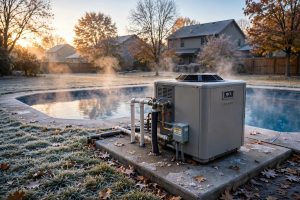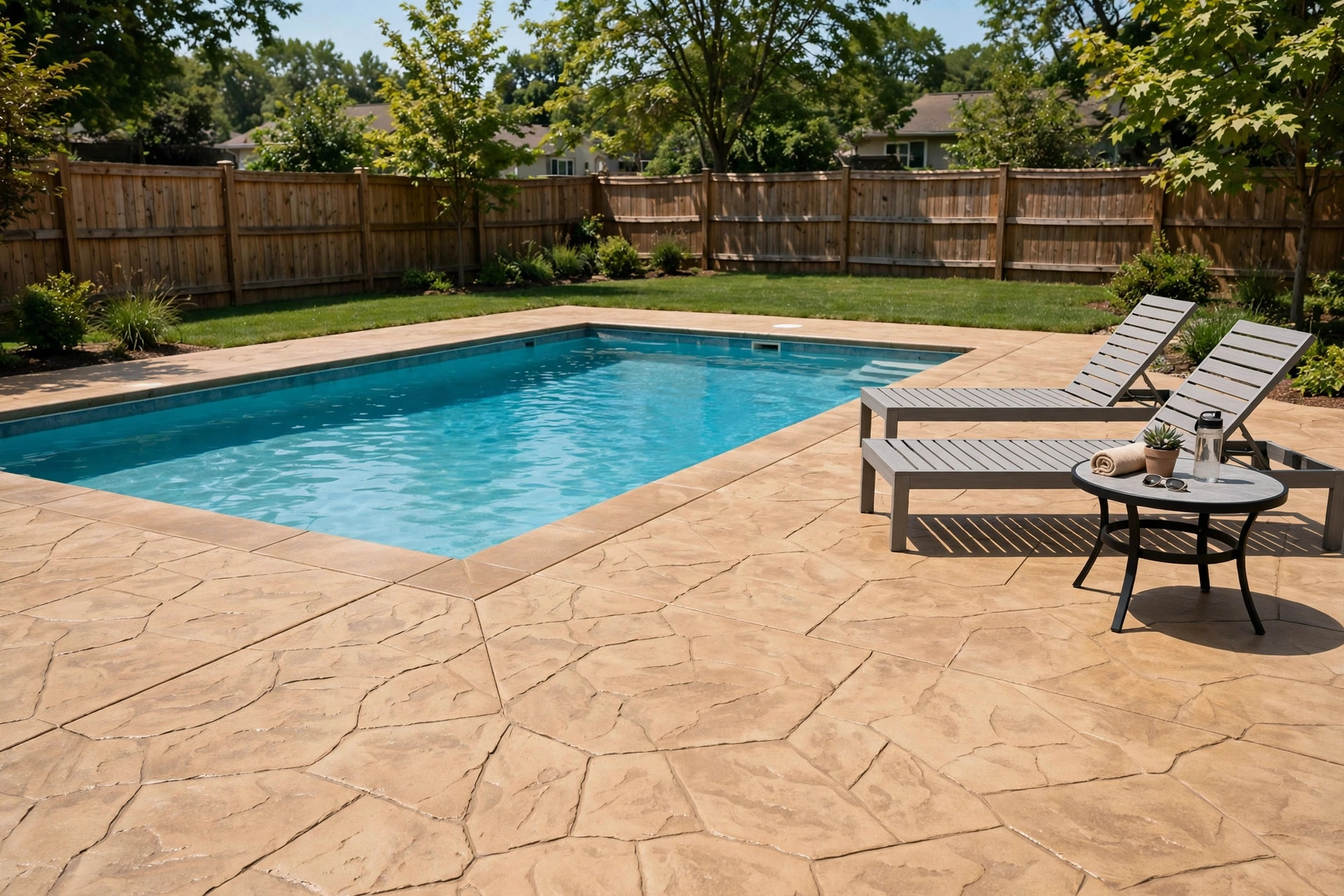

A cracked and stained pool deck can spoil the look of a fine backyard. It can also be unsafe for bare feet. When you search for pool deck resurfacing cost near me, you want a clear answer. You want to know the price, the options, and who can do the work well. This guide gives you those answers in plain terms.
Resurfacing means placing a new coat over the old deck surface. It costs far less than a full tear-out and replacement. It hides cracks, chips, and worn spots. It seals the deck against water and sun. It lets you pick a fresh color and texture. The final price depends on the size of the deck, the material you choose, and labor rates in your area.
In this article you will learn what drives the cost up or down. You will read about the most common finish types. You will find tips for picking a good local contractor. You will also learn how to care for the new surface so it lasts. Home advice sites such as The Spruce publish useful background on pool deck finishes for owners who want to study more.
Why Pool Deck Resurfacing Matters
The deck around a pool takes hard use. Sunlight beats down on it all day. Pool water splashes on it. Chemicals touch it. Hard shoes cross it. Over the years the surface fades and breaks down. Small cracks grow wider. Stains set in deep. The color turns gray and dull.
A worn deck is more than an eyesore. Cracks can trip bare feet. Rough spots can cut skin. An old worn sealer can turn slick when wet. Resurfacing solves these problems at a fair price. A new top layer covers flaws. It seals the surface against water. It can add grip for wet feet. It lets you change the color to match your home.
Many owners pick resurfacing instead of a full replacement. A full tear-out can cost two to three times as much. It takes longer. It makes a bigger mess in the yard. Resurfacing often takes only two to four days of work. You get a deck that looks new without paying for new concrete.
If you plan to sell your home, a fresh deck also helps. Buyers see the pool area first. A clean deck tells them the whole pool has been well kept. That first look can shape the sale.
How to Judge Your Deck and Choose a Method: Pool Deck Resurfacing Cost near Me
Start with a careful walk of your deck. Note every crack, chip, and stain. Check for loose or hollow spots. Tap the concrete with a small hammer. A dull, hollow sound can mean the top layer has let go of the base. Mark areas where water stands after rain. These low spots may need leveling before any coat goes on.
Small hairline cracks are normal. They come from heat and daily use. A resurfacing coat will cover them with ease. Wide cracks or heaving slabs are a warning sign. They may point to soil or base trouble. In that case ask a pro to look before you spend on resurfacing.
Next, think about how your family uses the deck. Do small children play there? Then a soft, cool surface matters most. Do you host large parties? Then a tough, stain-proof finish is best. Do you live where frost is common? Then the finish must stand up to freeze and thaw each winter.
Talk to local contractors about what works in your climate. Local crews know which products last in your region. They know which sealers hold up year after year. Check reviews and ask to see photos of past jobs. A good contractor will test the old surface first. They will clean it and check that the new coat will bond. They will tell you plainly if resurfacing is enough, or if replacement is the safer choice. Home repair resources like Bob Vila explain how pros test old concrete before a new coat. Pool equipment suppliers such as Pool Warehouse also share guides on deck prep for owners who want to learn the steps.
Common Types of Pool Deck Resurfacing
Acrylic coatings are the most popular choice. They go on in thin coats. They come in many colors. They can add fine texture for grip. They cost less than most other options. With care they last about five to eight years.
Epoxy coatings are tougher. They resist pool chemicals and stains. They give a smooth, clean look. They can be slick, so ask for a non-slip additive in the top coat. They suit decks that see heavy daily use.
Spray texture, often called cool deck, is a true classic. A mix is sprayed on and then troweled by hand. It stays cooler under bare feet in strong sun. It hides small flaws well. It sits in the middle price range. Home improvement retailers like The Home Depot and Lowe’s carry sealers and kits made for this style of finish.
Stamped overlays copy the look of stone or tile. A stamp presses a pattern into the fresh coat. The result can look like slate or brick. It costs more than plain coatings. It adds strong curb appeal to the whole yard.
Pebble or stone finishes set small stones in a clear binder. They feel natural underfoot. They drain water well. They cost more and need a skilled crew to lay them right.
Pavers are another route. In some cases new pavers can go right over old concrete. They look rich and they last long. They are the most costly choice short of a full replacement.
When you compare types, ask each contractor the same plain questions. How long will this finish last? What care does it need? How slippery is it when wet? Get the answers in writing before you sign.
Pool Deck Resurfacing Cost Near You
Now the main question. What is the pool deck resurfacing cost near me? Prices vary by region. Labor rates differ from state to state. Material costs shift with supply. Still, there are useful ranges that hold across the country.
For a basic acrylic coating, expect about three to five dollars per square foot. A 600 square foot deck would run about 1,800 to 3,000 dollars. Spray texture finishes often run four to seven dollars per square foot. Stamped overlays run eight to twelve dollars per square foot. Pebble finishes run ten to fifteen dollars per square foot. Paver overlays can run twelve to twenty dollars per square foot or more.
These are typical ranges for contractor work in the United States. Your exact price will rest on several factors. Size is the largest factor. Bigger decks cost more in total but less per square foot. Condition comes next. A deck with many cracks needs more prep work. Prep can add one to two dollars per square foot.
Color and pattern add cost too. Two-tone stains and borders take more labor and skill. Access to the site matters as well. A hard-to-reach backyard raises labor time. The season can move prices. Spring is the busiest time for pool work. Booking in fall or winter may win you a lower quote.
To get a fair price, call three local contractors. Ask each one for an itemized quote. The quote should list prep work, materials, coats, and sealing. It should state the square footage they measured. It should give a start date and a finish date. Ask what is not included in the price. Drainage fixes, deep crack repair, and old coating removal may cost extra.
Check that the contractor carries insurance. Ask for local references and drive by one past job if you can. For related pool cost guides, see our pool liner replacement cost estimate, our above ground pool installation cost guide, and our fiberglass pool installation cost USA guide.
Care and Upkeep After Resurfacing
A new deck lasts longer with simple care. Wait the full cure time before heavy use. Most coatings need three to seven days to harden. Your contractor will give you the exact time for the product they used.
Keep the deck clean. Sweep it each week. Leaves and dirt hold moisture against the finish. Moisture wears the coat down. Wash the deck with a garden hose and mild soap. Avoid harsh acids and strong bleach. They can fade the color and eat the sealer.
Rinse pool chemicals off the deck after each swim. Chlorine and salt can leave stains if they dry on the surface. Pool supply stores like Leslie’s sell mild cleaners made for coated decks. Pool care guides from Swim University also give step by step wash routines for new finishes.
Reseal the deck on a set schedule. Most sealers last two to three years. A fresh sealer keeps the color bright. It keeps water from soaking into the coat. Watch for small cracks each spring. Fill them early with a matching crack filler. Small repairs stop bigger damage later.
Move heavy furniture with care. Dragging chairs can scratch the new coat. Use pads under table legs. If your area gets frost, clear ice with a plastic shovel. Metal tools can gouge the surface. With steady care an acrylic finish can serve eight to ten years. Tougher finishes can last even longer.
Safety Around Your New Pool Deck
A pool deck must be safe for wet feet. Ask your contractor about slip resistance before the work starts. Many finishes can include a non-slip additive. The additive goes into the top coat. It adds fine texture you can feel underfoot. It does not change the look much.
Test the surface with wet shoes before you make the final payment. Walk it yourself. Make sure it grips well. Keep the deck clear of toys and hoses. These cause trips and falls near the water.
Good drainage matters for safety too. Water should flow away from the pool, not toward it. Standing water breeds algae. Algae turns slick and unsafe fast. Clean algae at once with a deck brush and mild cleaner.
Light the deck well if you swim at night. Small solar lights or wall lights help a great deal. They mark the deck edge in the dark. Mark the pool edge with a contrasting color if you can. It helps swimmers see where the deck ends and the water starts.
Store pool chemicals away from the deck area. Keep them in a locked box out of reach of children. The U.S. Consumer Product Safety Commission offers clear pool safety steps for every pool owner. Follow them. They save lives each year. If your backyard also has a spa, makers like Hot Spring and Bullfrog Spas publish safety tips for wet spa decks as well.
Frequently Asked Questions
How long does pool deck resurfacing take? Most jobs take two to four days of work. Prep takes the first day. Coats and sealing take the rest. Cure time adds three to seven days before heavy use. Bad weather can stretch the schedule, so plan with some slack.
Can I resurface the deck myself? Small patch kits exist for minor fixes. A full deck is best left to pros. They own spray gear and prep tools. They know how to make the new coat bond to the old one. A failed do-it-yourself coat costs more to fix than the first job would have cost.
Will resurfacing fix a sinking deck? No. Resurfacing covers the surface only. It does not fix soil or base failure. If slabs are sinking or heaving, the base must be repaired first. Ask a contractor to check the base before you pay for a new finish.
How often should I reseal the deck? Plan on every two to three years. Sun and pool water wear sealers down. A fresh sealer keeps the color bright and the grip strong. Your contractor can suggest the right product for your finish type.
Does resurfacing add value to my home? Yes, in most cases. A clean pool area lifts curb appeal right away. Buyers see a well-kept pool as a strong plus. The cost is far less than a full deck replacement, so the return is good.
A Final Word
A worn pool deck does not mean a big rebuild. Resurfacing gives you a fresh, safe surface at a fair price. Know your options. Get three quotes. Pick a finish that fits your climate and the way your family uses the pool. Then keep it clean and sealed. Your pool area will look its best for years to come.
When you are ready, search for pool deck resurfacing cost near me and call a trusted local pro. A short talk and a site visit will give you a firm price. You can then plan the work with full confidence.
References
Bob Vila. (n.d.). Home improvement advice. https://www.bobvila.com Bullfrog Spas. (n.d.). Hot tubs and spas. https://www.bullfrogspas.com Hot Spring Spas. (n.d.). Hot tubs and spas. https://www.hotspring.com Leslie’s Pool Supplies. (n.d.). Pool supplies and equipment. https://www.lesliespool.com Lowe’s. (n.d.). Home improvement products. https://www.lowes.com Pool Warehouse. (n.d.). Pool equipment and supplies. https://www.poolwarehouse.com Swim University. (n.d.). Pool and hot tub care guides. https://www.swimuniversity.com The Home Depot. (n.d.). Home improvement products. https://www.homedepot.com The Spruce. (n.d.). Home and garden advice. https://www.thespruce.com U.S. Consumer Product Safety Commission. (n.d.). Product safety information. https://www.cpsc.gov
Was this guide helpful?

About David Wilson
The My Garden US editorial team writes practical, in-depth home and garden guides for American homeowners — tested advice, no fluff.
You May Also Like
How to Fix Cloudy Pool Water and Keep It Clear All Summer
April 17, 2026 0 views
Best Pool Toys for Teenagers Reviews: A Practical Guide for Families
April 27, 2026 0 views
Above Ground Pool Liner Replacement Cost: A Plain Guide
September 10, 2026 0 views