Introduction
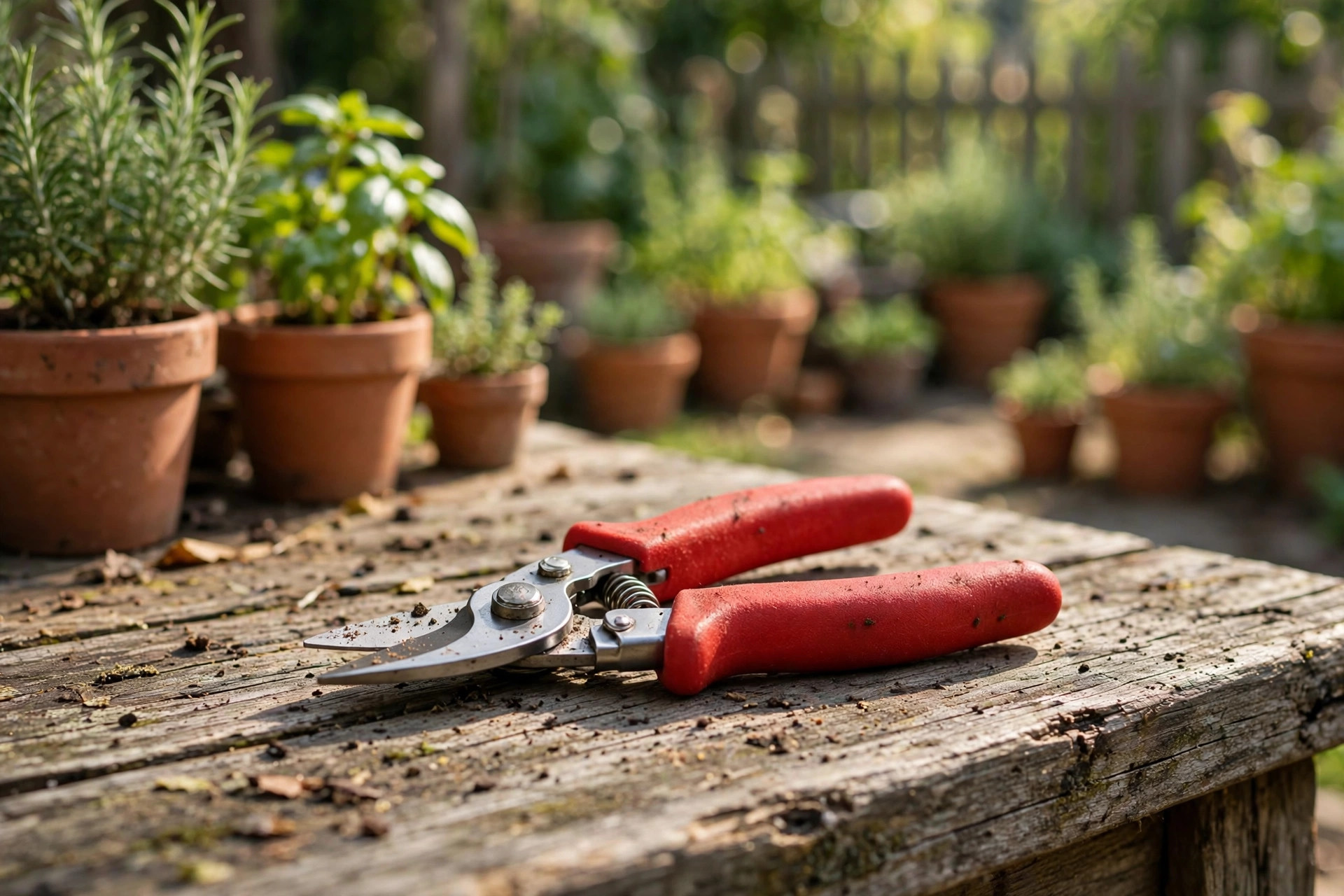
Pruning is one of the most common jobs in the garden. Roses need deadheading. Tomatoes need suckers removed. Bushes need shaping. For all of this work, the best garden pruners for small hands make the task easier and safer. A pruner that is too large for your hand will slip. It will cause blisters. It may even twist a stem instead of cutting it clean.
Many gardeners with small hands buy full-size pruners and then struggle. The handles are too far apart to squeeze. The grips are too thick to hold with comfort. Over time, the hands ache and the garden suffers. The good news is that several tool makers now offer models built for smaller grips. This guide will help you find a pair that fits your hand and your budget.
Why the Right Pruner Matters: Best Garden Pruners for Small Hands
A hand pruner is a cutting tool you will use often. When the fit is wrong, every cut takes more force than it should. Extra force leads to fatigue. Fatigue leads to mistakes. A clean cut heals fast on a plant. A crushed cut invites disease. So the right pruner does more than save your hand. It keeps your plants healthy too.
People with small hands face three common problems. First, the handle spread is too wide, so they must open their hand fully just to close the blades. Second, the handles are too thick, so the grip feels clumsy. Third, the pruner is too heavy, which tires the wrist during long jobs. The best garden pruners for small hands solve all three. They use a narrower opening, a slimmer handle, and lighter materials.
Small hands are common. Many women, teens, and older gardeners wear glove sizes small or medium. Some tool brands now mark certain models as “small” or “compact” right on the package. These are worth a close look.
Bypass Pruners vs. Anvil Pruners
Hand pruners come in two main types. It helps to know the difference before you shop.
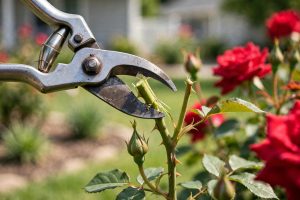
Bypass pruners work like scissors. Two curved blades pass by each other. They make a clean, sharp cut on living stems. Most gardeners prefer bypass pruners for roses, shrubs, and vines. For small hands, bypass models are often the best choice because they need less force on green wood.
Anvil pruners have one straight blade that presses down onto a flat surface, like a knife on a cutting board. They cut well on dead, dry wood. They can crush living stems, so they are not ideal for green pruning. Anvil pruners often have a wider handle opening, which can be hard for small hands to close.
Some compact pruners use a bypass head with a narrow frame. These are the models to seek. They cut live stems cleanly and fit small grips at the same time.
What to Look for When You Shop
Handle Size and Spread
The spread is the distance between the handles when the pruner is open. For small hands, look for a spread of about three inches or less. Many standard pruners open to nearly four inches. That extra inch makes a real difference. Some brands offer a rotating lower handle, which rolls with your hand as you squeeze. This design lowers strain and suits smaller grips well.
Grip Shape and Padding
Handles should feel round and smooth in the hand, not blocky. Soft rubber or vinyl grips help you hold the tool without it sliding. Avoid handles with hard edges or deep grooves. Those can press into small palms and cause sore spots. A good grip also keeps the tool steady when your hands are damp.
Blade Quality
A sharp blade is the heart of any pruner. High-carbon steel holds an edge longer than cheap steel. Some blades have a nonstick coating, which helps them slide through sap without gumming up. Check that the blade can be sharpened and, if possible, replaced. A pruner with a replaceable blade lasts many more years.
Weight
Lighter is better for small hands. Forged steel pruners are strong but can feel heavy after an hour of work. Aluminum or nylon-reinforced handles cut weight without giving up much strength. Try to stay under ten ounces if you can. The difference between eight and twelve ounces is easy to feel in the wrist.
Safety Lock
Every good pruner has a lock that keeps the blades closed when not in use. Look for a lock you can work with one hand. Some locks sit near the top and flip with the thumb. Others sit at the bottom of the handle. Test the lock in the store if you can. A lock that fights you is a lock you will stop using, and that is not safe.
Spring Type
Most pruners use a spring to push the handles back open after each cut. Coil springs are common and strong. Flat metal springs are simpler and easy to clean. Either type works. What matters is that the spring feels smooth and not too stiff for your hand strength.
Types and Options for Small Hands
Compact Bypass Pruners
These are full-function pruners built on a smaller frame. They cut stems up to about half an inch thick. They weigh less than standard models. Compact bypass pruners are the best pick for most gardeners with small hands. They handle roses, perennials, and light branches with ease.
Mini Pruners and Floral Snips
Mini pruners have very short handles and light blades. They suit deadheading flowers, cutting herbs, and trimming houseplants. They will not cut thick branches, but for small jobs they are fast and easy. If your main task is light trimming, a mini pruner may be all you need. A pair of garden scissors for harvesting herbs can also serve this role well.
Ratchet Pruners
Ratchet pruners cut in stages. You squeeze once, and the blade takes a small bite. You squeeze again, and it cuts deeper. This design needs less hand strength per squeeze. Some gardeners with small or weak hands find ratchet models very helpful. The trade-off is speed. Ratchet pruners are slower than bypass pruners on live stems.
Pruners With Rotating Handles
A few makers build pruners with a lower handle that turns as you squeeze. The rotation spreads the force across more of your hand. This can cut down on blisters and wrist strain. These models often cost more, but gardeners who prune for hours find the comfort worth the price.
Cost and Price Range
Garden pruners range from a few dollars to well over fifty. Here is what you can expect at each level.
Under 15 dollars. Basic models with steel blades and simple grips. Fine for light use, but blades may dull fast and parts may not be replaceable. Check the tool storage ideas for your shed to keep even a cheap pair in good shape.
15 to 30 dollars. This is the sweet spot for most buyers. Many compact and small-grip models sit in this range. Blades are sharper, grips are better shaped, and some parts can be replaced. A well-chosen pruner here can last many seasons.
30 to 60 dollars. Pro-grade pruners with forged steel, replaceable blades, and top-tier ergonomics. Worth it if you prune every week or manage a large garden. The best garden pruners for small hands in this range often include a rotating handle.
Remember that a sharp, well-kept twenty-dollar pruner will beat a dull fifty-dollar pruner every time. Care matters as much as price. Learn how to sharpen garden tools properly and your pruner will serve you longer.
Care and Upkeep
Good care keeps blades sharp and handles smooth. Wipe the blades clean after each use. Sap left on the steel will harden and dull the edge. A rag with a little rubbing alcohol or soapy water does the job. Dry the tool fully before you put it away, since moisture leads to rust.
Oil the pivot point once a month during the growing season. One drop of light machine oil keeps the action smooth. If the blades dull, sharpen them with a small diamond file or a whetstone. Sharpen only the beveled side of the blade. If you are unsure, many garden centers offer sharpening services.
Store pruners in a dry place with the lock closed. A tool roll or a garden apron with pockets keeps the pruner within reach and safe. At the end of the season, give the blades a full cleaning and a light coat of oil before winter storage.
Safety Tips
Pruners are sharp tools. Treat them with respect. Always cut away from your body. Never hold a stem with one hand and cut toward that hand. Keep your free hand clear of the blade path. Wear gloves when you prune thorny plants. A good pair of garden gloves for thorn protection will save your hands from rose and blackberry thorns.
Engage the safety lock when you set the pruner down, even for a moment. An open pruner in a pocket or tool bucket can cause a nasty cut. If a branch is too thick for your pruner, use loppers instead. Forcing a hand pruner onto thick wood can break the tool and injure your hand. Teach children that pruners are tools, not toys, and store them out of reach.
Frequently Asked Questions
What size pruner fits small hands best?
Look for a compact or small model with a handle spread of three inches or less. The pruner should close fully with a natural squeeze, not force your hand wide open. If you can try it in a store, hold it and squeeze several times. Comfort in the store means comfort in the garden.
Are bypass or anvil pruners better for small hands?
Bypass pruners are usually better. They need less force on living stems, and compact bypass models are easy to find. Anvil pruners can require more squeeze force and often have a wider handle opening, which makes them harder to use with small hands.
How much should I spend on pruners for small hands?
Most gardeners do well in the 15 to 30 dollar range. This buys a sharp, comfortable compact pruner that will last for years with basic care. Spend more if you prune often or want features like a rotating handle.
Can I sharpen pruner blades myself?
Yes. A small diamond file or fine whetstone works well. Open the pruner, wipe the blade clean, and file the beveled edge at its original angle. Test on a thin stem. If you are not comfortable sharpening, a garden center can do it for a small fee.
Do mini pruners replace full-size pruners?
Not fully. Mini pruners are great for flowers, herbs, and thin stems, but they cannot cut branches half an inch thick. Many gardeners keep both: a compact pruner for real pruning and a mini snip for light work.
How do I stop my hands from aching when I prune?
Take breaks, keep your blades sharp, and choose a light pruner with a good grip. Sharp blades need less force. A rotating handle can also help. If your hands still ache, switch to a ratchet pruner, which spreads the work across several lighter squeezes.
A Short Final Word
The best garden pruners for small hands are the ones that fit your hand, not just your garden. Look for a narrow handle spread, a comfortable grip, and a sharp bypass blade. Spend a little time on care, and the tool will pay you back with clean cuts and healthy plants. Pruning should feel like easy work. With the right pair in hand, it will.
For more background, see Fiskars, The Home Depot, and Lowe’s. For more background, see Corona Tools, Burpee, and The Spruce. See Bob Vila for more detail.
References
Bob Vila. (n.d.). Home improvement advice. https://www.bobvila.com Burpee. (n.d.). Seeds, plants, and gardening supplies. https://www.burpee.com Corona Tools. (n.d.). Garden and landscape tools. https://www.corona-tools.com Fiskars. (n.d.). Garden and cutting tools. https://www.fiskars.com Gardener’s Supply Company. (n.d.). Gardening tools and supplies. https://www.gardeners.com Lowe’s. (n.d.). Home improvement products. https://www.lowes.com The Home Depot. (n.d.). Home improvement products. https://www.homedepot.com The Spruce. (n.d.). Home and garden advice. https://www.thespruce.com
Was this guide helpful?

About Sarah Mitchell
The My Garden US editorial team writes practical, in-depth home and garden guides for American homeowners — tested advice, no fluff.