---
Table of Contents
Table of Contents
- Keeping Rabbits Warm in an Unheated Hutch: How Cold Is Too Cold?
- Start With Hutch Placement
- Insulate Against Drafts, Not Air
- Bedding: Deep, Dry Straw
- Water: The Daily Battle
- Feed a Little More
- Exercise Still Matters
- Companionship Helps
- What Not to Do
- A Cold-Weather Daily Checklist
- Prepare Before the First Freeze
- References
Rabbits handle cold better than most people think. Their thick fur and burrowing instincts evolved for chilly weather. But a domestic rabbit in an above-ground hutch does not have a burrow. It depends on you. Keeping rabbits warm in an unheated hutch is about blocking wind, keeping bedding dry, and feeding a little extra. No heater needed. This guide shows how to winterize a hutch the safe way. If you are new to keeping rabbits warm in an unheated hutch, start with the basics below.
Keeping Rabbits Warm in an Unheated Hutch: How Cold Is Too Cold?
When it comes to keeping rabbits warm in an unheated hutch, getting the details right makes all the difference.
Many homeowners find that keeping rabbits warm in an unheated hutch is easier than they expected once they know the basics.
Healthy adult rabbits tolerate cold well when they are dry and out of the wind. What hurts them is dampness, drafts, and sudden temperature swings. A wet rabbit in wind loses heat fast. A dry rabbit in a draft-free hutch with deep straw can stay comfortable through hard freezes (St. Boniface Veterinary Clinic, n.d.).
Watch for signs your rabbit is too cold: shivering, a hunched posture, cold ears, less activity, and eating less. If you see these, act right away. Move the rabbit somewhere warmer and call your vet if the signs do not pass (Everbreed, n.d.-b).
Young, old, sick, or thin rabbits need extra care. If your rabbit is elderly or recovering from illness, consider moving it indoors for the coldest stretch. Our guide to indoor rabbit cages for house bunnies can help you set up a temporary inside home.
Start With Hutch Placement
Many homeowners find that keeping rabbits warm in an unheated hutch is easier than they expected once they know the basics.
The key to keeping rabbits warm in an unheated hutch is choosing the right approach for your space and budget.
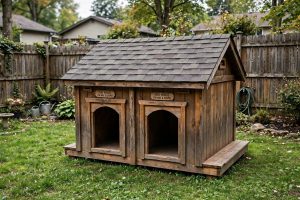
Where the hutch sits matters as much as what is in it. Put the hutch against a house wall, fence, or shed to block the prevailing wind. Face the open side away from the wind. Raise the hutch off the ground on legs or blocks. Cold and damp rise from the soil, and a raised hutch stays drier (Buy A Pet, n.d.).
Check the roof. A leaking roof turns bedding into a cold wet mat. Repair cracks and loose shingles before the cold sets in. A sheet of roofing felt or a tarp over the top adds cheap waterproofing. Make sure water runs off and does not pool.
If you have a shed or garage, moving the hutch inside for the coldest weeks is the single best upgrade. The building cuts wind and adds several degrees of warmth. Keep some ventilation so air does not get stale (FirstVet, n.d.).
Insulate Against Drafts, Not Air
The key to keeping rabbits warm in an unheated hutch is choosing the right approach for your space and budget.
With a little planning, keeping rabbits warm in an unheated hutch can fit even a busy schedule.
The goal is draft-free, not airtight. Rabbits need fresh air. A sealed hutch traps moisture from breath and urine, and damp air causes respiratory illness. Think windbreak, not vacuum seal.
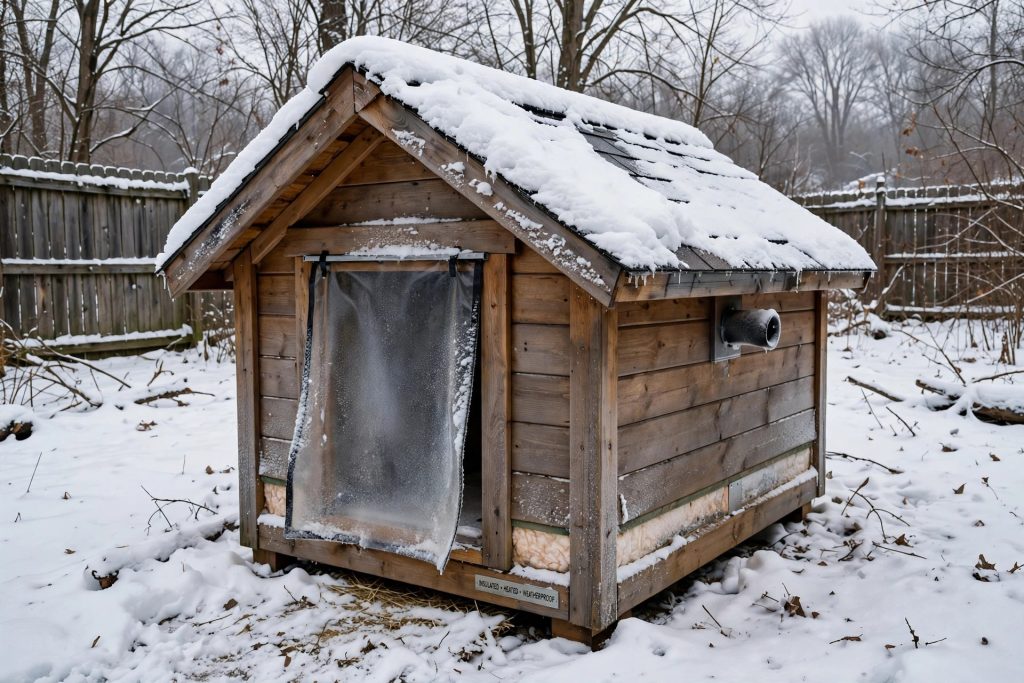
Cover the wire front of the hutch with a clear plastic panel, an old blanket, or a tarp. Leave a gap at the top for airflow. Drape heavy blankets or carpet pieces over the sides and back. Some keepers fit custom hutch covers with roll-up fronts, which make daily checks easy (BunnyLady, n.d.).
Seal cracks in the wood with spare boards or safe caulk. Check corners where wind sneaks in. A hutch that rattles in the wind needs more bracing and more cover.
For hutches in truly exposed spots, stacking straw bales around three sides makes an excellent windbreak. The bales insulate and block gusts at the same time.
Bedding: Deep, Dry Straw
With a little planning, keeping rabbits warm in an unheated hutch can fit even a busy schedule.
Before you start, it helps to understand how keeping rabbits warm in an unheated hutch works in real homes.
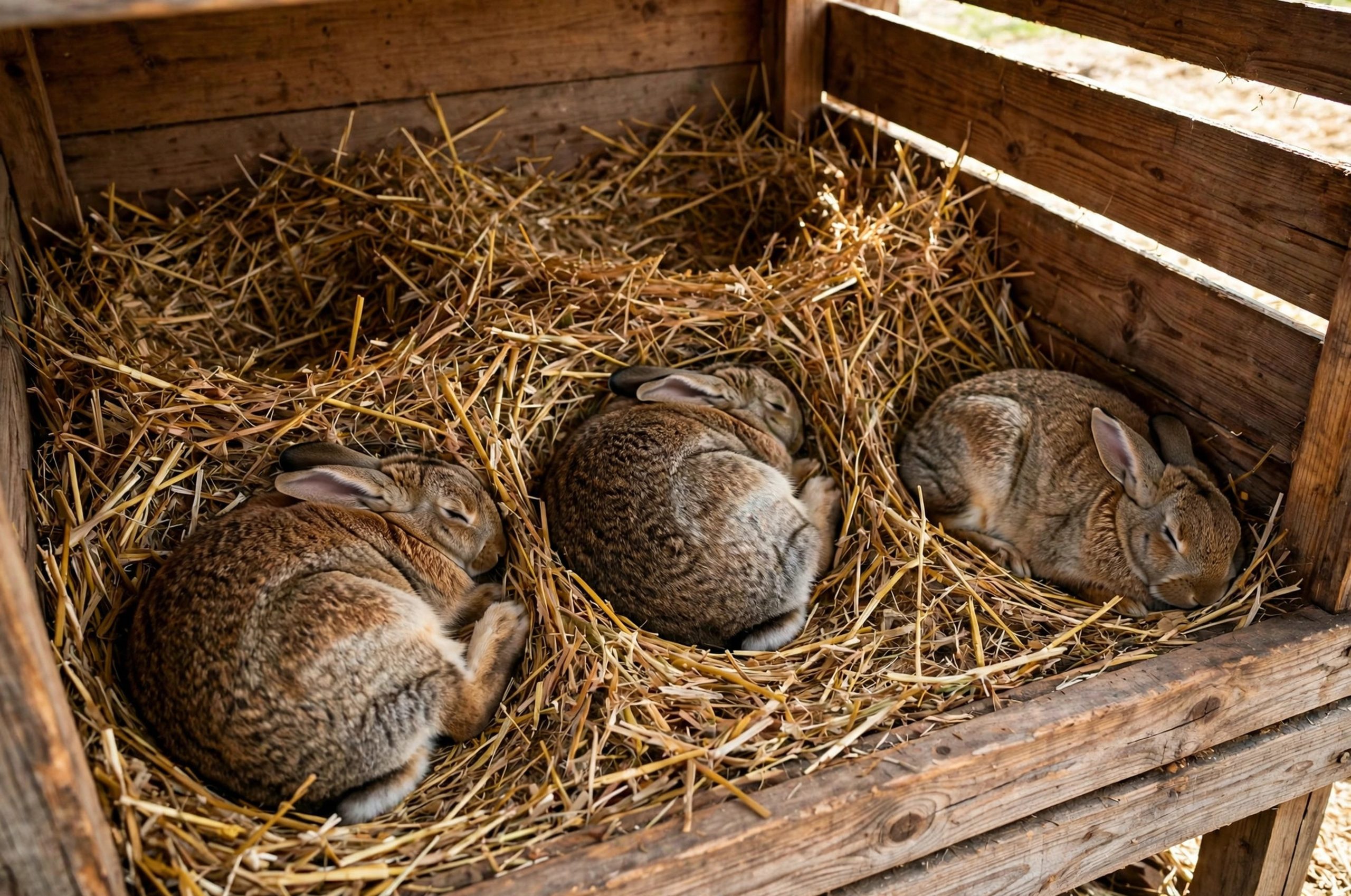
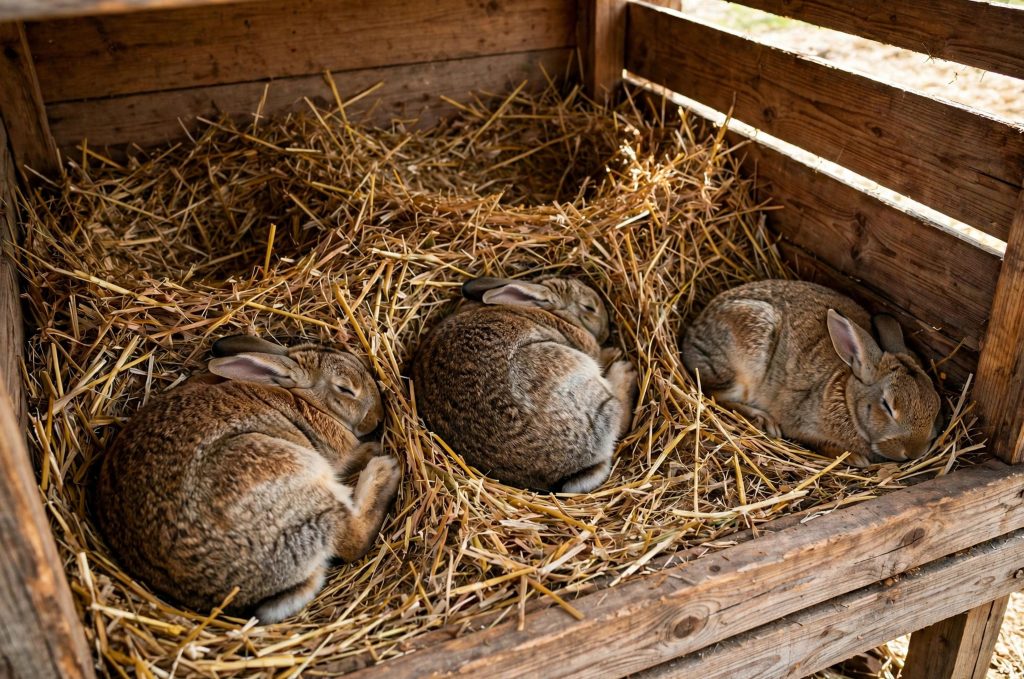
Straw is the best winter bedding. It traps warm air and resists moisture better than hay. Pile it deep in the sleeping area, at least several inches, so the rabbit can burrow in. A rabbit buried in straw is a warm rabbit (St. Boniface Veterinary Clinic, n.d.).
Check bedding every day. Pull out any damp or soiled straw and replace it. Wet bedding steals heat and grows bacteria. In freezing weather, check twice, since urine can freeze into cold lumps. Keep a spare bag of straw near the hutch so refills are easy.
Add a hide box inside the hutch. A wooden box or even a sturdy cardboard box stuffed with straw gives the rabbit a small warm den. The rabbit's own body heat warms the small space fast. Replace cardboard boxes when they get damp (Everbreed, n.d.-a).
A well-built outdoor rabbit hutch for cold weather climates has a separate enclosed sleeping compartment. If yours does not, adding a simple wooden partition creates one.
Water: The Daily Battle
Before you start, it helps to understand how keeping rabbits warm in an unheated hutch works in real homes.
A good plan for keeping rabbits warm in an unheated hutch saves time, money, and frustration.
Water freezes. That is the biggest daily chore of winter rabbit care. Check water bottles and bowls at least twice a day. Swap frozen bottles for fresh ones. Keep a spare set so you can rotate.
Wrap bottles in an old sock or bubble wrap to slow freezing. Use a heavy ceramic bowl instead of a bottle in deep cold, since bowls are easier to de-ice. Set the bowl on a thick piece of wood or straw rather than bare cold ground. Some keepers float a tennis ball in the bowl to slow ice formation, though in hard freezes nothing beats frequent checks (KnowAnimals, n.d.).
Never add antifreeze or alcohol to water. Both are deadly. Just check often and swap often.
Feed a Little More
A good plan for keeping rabbits warm in an unheated hutch saves time, money, and frustration.
For most people, keeping rabbits warm in an unheated hutch comes down to a few smart choices.
Rabbits burn extra calories staying warm. Increase the daily pellet ration slightly through the coldest weeks. Keep unlimited hay available at all times. Digesting hay generates body heat, so a rabbit munching hay is a rabbit warming itself from the inside (Everbreed, n.d.-a).
Offer fresh greens as usual, but do not leave them out to freeze. Remove uneaten fresh food after a few hours. Watch your rabbit's weight. A little extra is fine in winter. A lot extra is not. Adjust as the weather warms.
Exercise Still Matters
For most people, keeping rabbits warm in an unheated hutch comes down to a few smart choices.
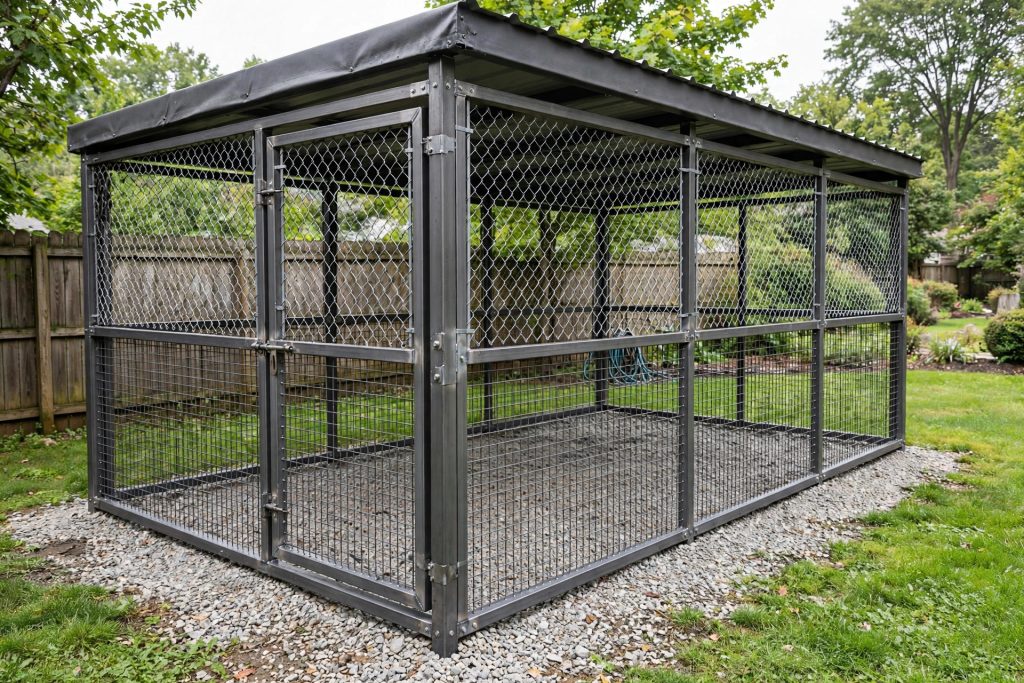
Rabbits need daily movement even in winter. Movement builds heat and keeps digestion working. Let the rabbit out into a secure run for exercise on dry days. Cover part of the run with a tarp to keep off rain and snow (Buy A Pet, n.d.).
An outdoor rabbit run for safe grass grazing works in winter too, as long as the ground is not icy and the rabbit can retreat to the hutch. Keep sessions shorter in bitter cold. Skip outdoor time in driving rain or sleet.
If the weather is truly brutal, exercise the rabbit in a garage, shed, or bunny-proofed room instead. A few laps around a safe space beat no movement at all.
Companionship Helps
If you are new to keeping rabbits warm in an unheated hutch, start with the simplest option and build from there.
Two bonded rabbits keep each other warm by snuggling. If your rabbit lives alone, winter is a good time to consider a companion, but only through proper bonding. Never just drop a strange rabbit into the hutch. Bonding takes time and neutral space.
Even without a rabbit friend, your attention matters. Visit daily. Handle gently. A rabbit that is used to you will show stress sooner, and you will notice problems faster (Coohom, n.d.).
What Not to Do
When it comes to keeping rabbits warm in an unheated hutch, getting the details right makes all the difference.
Do not use heat lamps. They are a fire risk and can burn rabbits. A rabbit that cannot move away from the heat can overheat fast.
Do not seal the hutch airtight. Moisture buildup causes more winter illness than cold does.
Do not bring an outdoor rabbit into a hot house suddenly. Big temperature swings stress rabbits. If you move one inside, use a cool room or garage first and let it adjust.
Do not use electric blankets or heating pads made for people. They can chew cords and overheat. If you want supplemental warmth, use only products made for small pets, placed where the rabbit can move off them.
Do not ignore wet fur. A rabbit caught in rain needs drying with a towel right away. Wet fur in cold air is dangerous (FirstVet, n.d.).
A Cold-Weather Daily Checklist
- Check water. Swap if frozen.
- Feel the bedding. Replace anything damp.
- Look at the rabbit. Bright eyes, dry nose, active movement.
- Check the hutch covers. Adjust after wind.
- Top up hay. Add a little extra feed.
- Give exercise time if the weather allows.
This routine takes ten minutes. It is the difference between a rabbit that thrives in winter and one that merely survives.
For summer the challenges flip. If you also keep guinea pigs, our guide to an outdoor guinea pig hutch for the summer garden covers warm-weather housing.
Prepare Before the First Freeze
Do not wait for the first hard freeze to winterize. Start when nights turn chilly. Stock up on straw, buy a spare water bottle, and fit hutch covers while your fingers still work well. Repair the roof on a dry day, not in a storm.
Walk around the hutch with fresh eyes. Look for gaps, loose wire, and worn latches. Fix them now. Winter is not the time to discover that a hinge is rusted through. A calm afternoon of prep saves many cold mornings of trouble.
Keep a small winter kit near the hutch: spare straw, an extra bottle, old towels for drying, and a flashlight for evening checks. When everything you need is within reach, the daily routine stays easy even on the worst days. A little care goes a long way with keeping rabbits warm in an unheated hutch.
References
BunnyLady. (n.d.). Rabbits in winter: How to keep your rabbit warm and prevent hypothermia. https://bunnylady.com/rabbits-in-winter/
Buy A Pet. (n.d.). How to care for rabbits in the winter. https://buyapet.co.uk/how-to-care-for-rabbits-in-the-winter/
Coohom. (n.d.). Outdoor rabbits too cold in winter? 7 ways to keep them warm. https://www.coohom.com/article/keeping-outdoor-rabbits-warm-in-winter
Everbreed. (n.d.-a). Keeping rabbits healthy in cold weather: Advanced winter care strategies. https://everbreed.com/blog/keeping-rabbits-healthy-in-cold-weather/
Everbreed. (n.d.-b). What temperature is too cold for rabbits? https://everbreed.com/blog/what-temperature-is-too-cold-for-rabbits/
FirstVet. (n.d.). How to keep your rabbit healthy this winter. https://firstvet.com/us/articles/winter-safety-tips-for-rabbits
KnowAnimals. (n.d.). Will my rabbit be OK outside in the winter? https://knowanimals.com/will-my-rabbit-be-ok-outside-in-the-winter/
St. Boniface Veterinary Clinic. (n.d.). Winter health tips for rabbits. https://stbonifacevets.co.uk/news/winter-health-tips-rabbits
Was this guide helpful?

About My Garden US
The My Garden US editorial team writes practical, in-depth home and garden guides for American homeowners — tested advice, no fluff.