Dewberries are the wild-tasting cousins of blackberries - low, trailing native brambles with fruit that ripens earlier and, many gardeners insist, tastes better. They ask for almost nothing: a sunny spot, a low trellis, and a yearly pruning. If you want to learn how to grow dewberries, you are really learning how to manage any bramble, because the cane cycle is the same - but dewberries forgive more neglect than most.
Table of Contents
Table of Contents
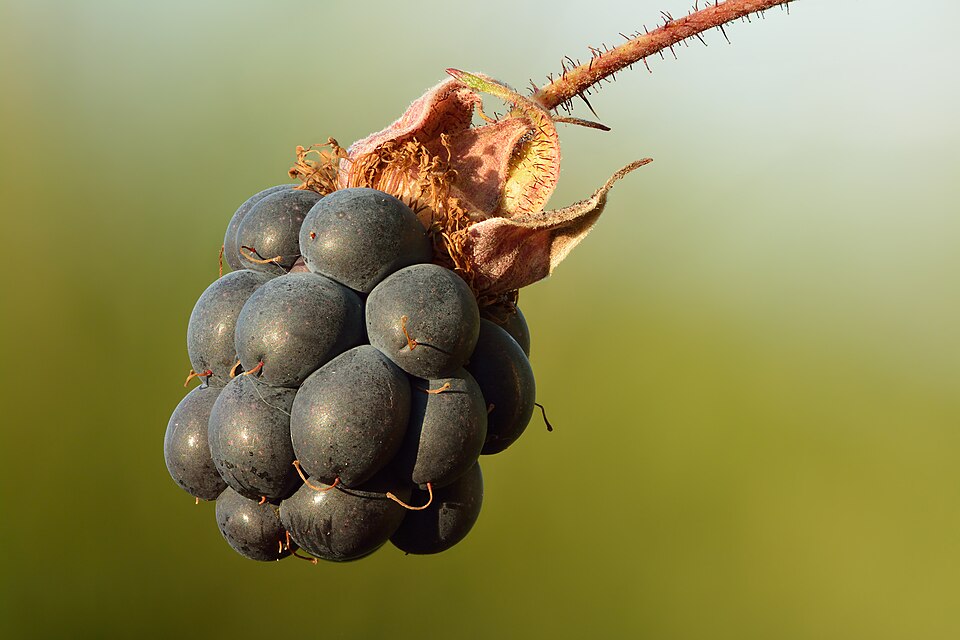
Dewberry (Rubus flagellaris) is hardy in zones 5 through 9. It tolerates shade and poor, sandy soil better than almost any other fruit, which makes it the bramble for tough spots. Canes suffer winter damage below zone 5, so northernmost gardeners should choose hardier brambles instead.

Photo: Wikimedia Commons
Choosing Plants
When it comes to how to grow dewberries, getting the details right makes all the difference.

Many homeowners find that how to grow dewberries is easier than they expected once they know the basics.
Buy dormant bare-root canes from a nursery, or transplant rooted tip-layers from a friend's patch - dewberry canes naturally root where their tips touch the ground, which makes sharing plants easy. Named selections exist, but many gardeners grow local wild types with excellent results. The Lady Bird Johnson Wildflower Center profiles native dewberry and its growing needs, and the USDA PLANTS Database maps its native range.
Dewberries are self-fertile, so a single plant fruits. For a real harvest, plant several - space them 4 to 6 feet apart in a row. Plan the support before you plant: a low trellis of one or two wires, 2 to 3 feet high, keeps fruit off the ground and picking easy. You can also let them sprawl over a deep mulch, but trellised fruit stays cleaner and the patch stays manageable.
When and How to Plant
Many homeowners find that how to grow dewberries is easier than they expected once they know the basics.
The key to how to grow dewberries is choosing the right approach for your space and budget.
Plant dormant canes in spring, about a week after your last spring frost. Check your zone's dates on our planting calendar to get the timing right. Early spring planting lets roots establish before the cane-growing season.
Dig a hole wide enough to spread the roots comfortably, set the crown at soil level, and backfill with soil mixed with compost. Water deeply and mulch with three to four inches of straw, wood chips, or shredded leaves. Cut the planted cane back to about 6 inches - this forces strong new canes from the base instead of weak growth from the old top.
Dewberries tolerate poor, sandy soil better than most brambles, but they still appreciate organic matter at planting. In heavy clay, plant on a slight mound so the crown never sits in standing water.
Soil and Sun
The key to how to grow dewberries is choosing the right approach for your space and budget.
With a little planning, how to grow dewberries can fit even a busy schedule.
Full sun to partial shade - dewberries fruit heaviest in full sun but produce respectably in half shade, which is rare among fruits and makes them valuable for less-than-perfect sites. Six hours of direct sun is the practical minimum for good crops.
Soil should be average and well-drained. They handle sand and lean ground, but waterlogged soil rots crowns. A yearly mulch of organic matter feeds the soil and holds moisture. Dewberries are not fussy about pH; average garden soil suits them. If your ground is extremely poor, work in compost at planting and top-dress yearly - the Clemson HGIC bramble guides explain modest fertility needs, and University of Minnesota Extension covers soil testing basics.
Watering and Feeding
With a little planning, how to grow dewberries can fit even a busy schedule.
Before you start, it helps to understand how how to grow dewberries works in real homes.
Water in dry spells while fruit is developing - about an inch a week when rain falls short. Berries size up on steady moisture; drought gives small, seedy fruit. A soaker hose under the mulch keeps water on the roots. Once established, dewberries tolerate dry periods better than most brambles, but fruit quality still rewards watering.
Feed lightly in spring with compost or a balanced fertilizer. Dewberries are not heavy feeders - one spring feeding is plenty. Too much nitrogen pushes rank cane growth at the expense of fruit. The Old Farmer's Almanac fruit guides keep feeding schedules simple for home growers.
On very sandy ground, nutrients wash away fast, so a second light compost dressing as fruit begins to swell can help berry size. Watch the new canes: deep green, sturdy growth means fertility is right, while pale, thin canes suggest the row wants feeding. A soil test every few years takes the guesswork out - your local extension office does them cheaply, and the results tell you exactly what the ground needs rather than what a bag label guesses.
Training and Pruning
Before you start, it helps to understand how how to grow dewberries works in real homes.
A good plan for how to grow dewberries saves time, money, and frustration.
Manage dewberries like other brambles: they fruit on second-year canes. Each spring, new canes (primocanes) grow; the next year they flower, fruit, and die. After harvest, cut every fruited cane to the ground and remove it from the row. Then train this year's new canes along the low wires, spacing them several inches apart.
Tip long new canes when they reach past the trellis to encourage side branches, which carry much of the fruit. In late winter, before growth starts, thin to the strongest canes and remove any that look diseased or damaged. Wear gloves - dewberry canes carry prickles.
Letting a few cane tips touch the ground and root is the traditional way to expand the patch for free. If you want new plants, peg a tip into the soil in late summer; by fall it will have rooted and you can sever and move it. If you do not want volunteers, keep tips off the ground. Clemson Cooperative Extension publishes clear bramble pruning diagrams for home growers.
Dewberries fit naturally into a mixed home fruit planting. They ripen earlier than blackberries, stretching your bramble season, and the same pruning skills apply to raspberries.
Mulch management through the season pays off quietly. A deep organic mulch keeps the low canes' fruit clean, holds soil moisture during the critical fruit-swelling weeks, and smothers weeds that would otherwise compete. Top up the mulch in spring before growth starts, and pull it back slightly from the crowns so the bases stay dry and disease-free. Fallen leaves make an excellent free mulch for a dewberry row - rake them on in autumn and let them rot down over winter.
Weed the row by hand or with shallow cultivation. Bramble roots run near the surface, and deep hoeing severs them, opening wounds where disease enters. A thick mulch does most of the weed work for you; the few weeds that poke through pull easily after rain.
Harvest
A good plan for how to grow dewberries saves time, money, and frustration.
For most people, how to grow dewberries comes down to a few smart choices.
Pick when berries are fully black and glossy - underripe dewberries are tart and stay red. They ripen a few at a time over several weeks, earlier than blackberries, with superb wild flavor. Taste is the test: a ripe dewberry is sweet, soft, and comes off the stem easily.
The fruit is fragile, so pick into shallow containers and plan to eat, freeze, or cook them the same day. They freeze beautifully on trays in a single layer before bagging - frozen dewberries make winter pies taste like early summer. For jam, their intense flavor needs little help; the natural pectin sets a soft, spoonable preserve. A few berries muddled into lemonade or folded into pancake batter show off the wild flavor best.
Pick in the cool of the morning when berries are firmest, and taste as you go - flavor varies from cane to cane, and you will quickly learn which sections of the row produce the sweetest fruit. Mark the best canes with a twist tie and take tip-layers from those for new plants; over a few seasons you can select your own superior strain from a wild patch.
Troubleshooting
For most people, how to grow dewberries comes down to a few smart choices.
If you are new to how to grow dewberries, start with the simplest option and build from there.
Orange rust: Bright orange powdery spots on leaves in spring. This disease is systemic - dig out and destroy infected plants entirely (do not compost them). There is no cure, so act fast to protect the rest of the row.
Cane borers: Wilting shoot tips. Cut affected canes below the damage and destroy them.
Poor fruit set: Late frosts killing flowers, or too much shade. Site new plantings where cold air drains away and sun reaches at least six hours.
Winter cane damage: Below zone 5, canes die back. In borderline areas, lay canes down and mulch heavily for winter, or choose a hardier bramble.
Weak, spindly new canes: Usually a fertility or water problem. Feed in spring, water through dry spells, and make sure grass is not stealing from the row - a grass-free mulched strip a couple of feet wide on each side of the trellis makes a visible difference in cane vigor.
Few flowers: New plantings sometimes bloom lightly in year one while roots establish. If an established row blooms poorly, suspect winter damage to buds or too much shade; fruit buds form on the previous season's canes, so anything that damages those canes in winter cuts the crop.
Birds: Net as soon as fruit starts coloring. No scare device works for long.
Spreading where unwanted: Rooted tips and suckers can wander. Mow around the row or sink a root barrier. UF IFAS Gardening Solutions covers bramble management in warm climates, and the USDA National Agricultural Library indexes extension fact sheets on cane fruit diseases.
References
If you are new to how to grow dewberries, start with the simplest option and build from there.
When it comes to how to grow dewberries, getting the details right makes all the difference.
Clemson University Cooperative Extension Service. (n.d.). Bramble fruits for the home garden. https://hgic.clemson.edu/
Lady Bird Johnson Wildflower Center. (n.d.). Rubus flagellaris. https://www.wildflower.org/plants/
Old Farmer's Almanac. (n.d.). Growing bramble fruits. https://www.almanac.com/
Many homeowners find that how to grow dewberries is easier than they expected once they know the basics.
When it comes to how to grow dewberries, getting the details right makes all the difference.
Was this guide helpful?

About My Garden US
The My Garden US editorial team writes practical, in-depth home and garden guides for American homeowners — tested advice, no fluff.