Passionflower has been grown in kitchen gardens for longer than anyone can remember, and for good reason. The plant is tough, the harvest is useful, and the care is simple once you know the few things it truly needs. Learning how to grow passionflower is mostly a matter of giving it the right spot and then staying out of its way. Below is everything a home gardener needs, start to finish.
Table of Contents
Table of Contents
A quick orientation before planting. Passionflower suits USDA zones 6 to 10, and expect harvest roughly 120 to 180 days after sowing. Those two facts shape every decision that follows, from sowing date to harvest. The Old Farmer's Almanac is a solid backup reference for any step you want to double-check.

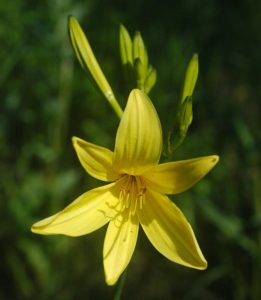
Photo: Wikimedia Commons
Choosing a Variety
When it comes to how to grow passionflower, getting the details right makes all the difference.

Many homeowners find that how to grow passionflower is easier than they expected once they know the basics.
Start with good stock. For passionflower, that means a nursery transplant or scarified seed started indoors with bottom warmth. Buy from a reputable seed house or nursery, and look for fresh seed: passionflower seed loses vigor sitting in a drawer for years. If you buy transplants, pick stocky plants with healthy roots and no circling at the pot bottom.
One more buying tip: match the plant to your situation, not your aspirations. A gardener with heavy clay and a short season should choose differently than one with sandy loam and a long fall. The USDA National Agricultural Library gathers research-based growing information that can help you sort marketing claims from facts before you spend a dollar.
If you already grow herbs or vegetables, you may enjoy our companion guide to growing parsley for ideas on what to plant alongside.
When to Plant Passionflower
Many homeowners find that how to grow passionflower is easier than they expected once they know the basics.
The key to how to grow passionflower is choosing the right approach for your space and budget.
Mark the calendar before you touch a seed packet. For passionflower, the schedule that works is this: start seeds indoors about 8 weeks before your last spring frost. direct sow about 2 weeks after your last spring frost. set out transplants about 2 weeks after your last spring frost.
Those offsets are relative to your frost dates, not anyone else's, so check your USDA zone planting dates on our planting calendar and write down your last spring frost and first fall frost before you sow. The Old Farmer's Almanac planting calendar lets you look up dates by zip code, which takes the guesswork out of it. For the botanical details and native range, the USDA PLANTS database is the authoritative reference.
When in doubt, sow a small test patch first. If passionflower sprouts strongly within the expected window, sow the rest with confidence. This two-step habit has saved many gardeners from replanting an entire bed after a late cold spell.
Keep notes on what worked. Passionflower grown in your own soil, in your own weather, teaches you more in one season than any guide can, and next year's planting will be sharper for it.
Soil and Sun
The key to how to grow passionflower is choosing the right approach for your space and budget.
With a little planning, how to grow passionflower can fit even a busy schedule.
Before a seed goes in the ground, read the site the way the plant will read it. Passionflower calls for Full sun with soil that is Well-drained, average. A bed that matches those two needs will outperform a pampered bed that does not.
If your soil is heavy clay or pure sand, amend it before planting rather than after. Work in several inches of compost and let the bed settle. Guidance from University of Minnesota Extension on building garden soil applies well beyond Minnesota. Good soil structure pays off for every crop you will ever grow in that bed.
Plan the water along with the site. Passionflower needs medium, so a bed near a hose or rain barrel will get better care than one at the far end of the yard. Convenience matters in midsummer.
Planting Step by Step
With a little planning, how to grow passionflower can fit even a busy schedule.
Before you start, it helps to understand how how to grow passionflower works in real homes.
Passionflower, or maypop, is a hardy perennial vine for full sun and well-drained soil. Set out transplants 3 to 5 feet apart at the base of a strong trellis, fence, or arbor - the vines grow 10 to 20 feet in a season. Plant at soil level and water in well. It spreads by underground suckers, so give it room or plan to mow the edges.
Here is the planting routine for passionflower, in order:
1. Prepare the bed a week or two ahead: loosen the soil, work in compost, and rake it level.
2. Sow or set each plant half an inch deep, then firm the soil gently over it.
3. Install the trellis or support before planting so you do not damage roots driving posts in later.
4. Space plants about 36 inches apart each way, giving each one room to reach full size without crowding.
5. Water the bed thoroughly right after planting so the soil settles around the roots or seed.
6. Mulch lightly to hold moisture and discourage weeds, keeping mulch a couple of inches back from stems.
7. Label the row with the variety and date; you will thank yourself later.
Do not rush this step on a hot afternoon. Plant in the cool of the morning or evening, water well, and shade tender transplants for a day or two if a heat wave follows. A gentle start pays back all season.
Watering and Feeding
Before you start, it helps to understand how how to grow passionflower works in real homes.
A good plan for how to grow passionflower saves time, money, and frustration.
Passionflower needs medium. That is the headline; the details are about consistency. Even moisture matters more than volume: plants stressed by alternating drought and flood never perform their best.
Learn to read the plants. Leaves that wilt in the afternoon but recover by morning are usually fine; leaves still wilted at dawn need water now. Stick a finger two inches into the soil: dry means water, damp means wait. Simple, and it beats any fixed schedule.
Feed modestly. A side-dressing of compost mid-season suits passionflower better than heavy doses of synthetic fertilizer, which push soft growth at the expense of flavor and sturdiness. If a soil test showed a real deficiency, correct that specifically rather than feeding blindly.
Care Through the Season
A good plan for how to grow passionflower saves time, money, and frustration.
For most people, how to grow passionflower comes down to a few smart choices.
Established passionflower plants are tougher than seedlings, but the season is not on autopilot yet. Keep up with watering and weeding, check the undersides of leaves now and then, and the plants will carry themselves to harvest.
The Lady Bird Johnson Wildflower Center publishes native-plant growing notes that pair well with the routine above, especially for gardeners leaning toward naturalistic plantings.
Water deeply during dry spells; established plants are quite drought tolerant. Guide new shoots onto the support early. No fertilizer needed - rich soil produces leaves at the expense of flowers. Fritillary caterpillars may defoliate vines; tolerate some damage - vines usually outgrow it. Mulch the crown in cold areas.
Keep up with the small jobs and the season mostly runs itself. If you grow other plants in the same category, our guide to growing mint covers seasonal routines that transfer well.
Watch the weather, not the calendar. A stretch of hot, dry wind calls for extra water; a cool, wet spell calls for better air flow and a break from the hose. The gardener who adjusts to conditions beats the one who follows a rigid schedule.
Grower's tip: Seeds germinate slowly; scarify and give them warmth and patience. Provide a sturdy trellis and mulch crowns heavily where winters are cold.
Harvest
For most people, how to grow passionflower comes down to a few smart choices.
If you are new to how to grow passionflower, start with the simplest option and build from there.
All the watering and weeding pays off at harvest, and passionflower gives clear signals when it is ready. Learn those signals once and you will read the plants like a book every season after.
The Old Farmer's Almanac harvest guides add useful checklists for judging ripeness and timing the pick, and they are written for home gardeners rather than commercial growers.
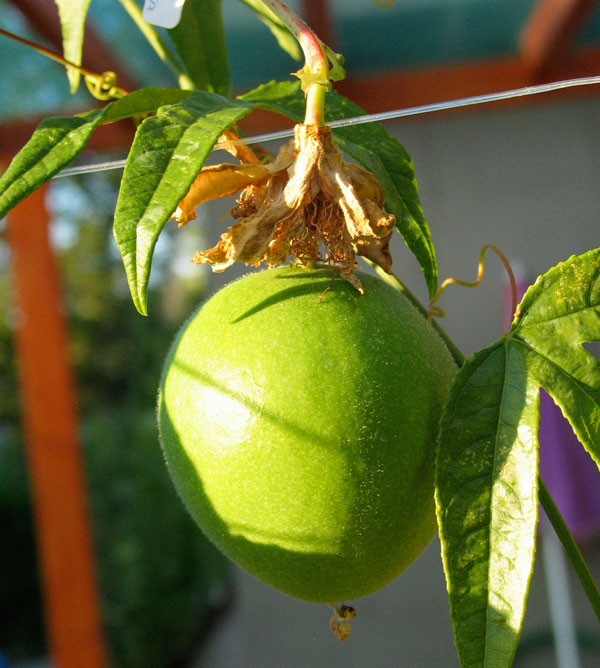
Pick the aerial parts - leaves and stems - while the exotic flowers are blooming, and dry them for calming teas. Egg-sized fruits are ripe when they fall, wrinkle, and smell fragrant; the pulp is sweet-tart. Pro tip: fruits that drop on their own are the ripe ones - never pick hard green maypops.
Do not wait for perfection. Most crops have a peak window, and picking slightly early beats picking late. Taste and observe as the season goes: your palate is the final judge.
For more harvest-timing ideas across the garden, see our guide to growing catnip.
Troubleshooting
If you are new to how to grow passionflower, start with the simplest option and build from there.
When it comes to how to grow passionflower, getting the details right makes all the difference.
Even easy plants run into trouble, and passionflower is no exception. Most problems trace back to three causes: wrong timing, stressed plants, or poor air flow. The fixes below handle the great majority of what you will ever see.
Start with identification, not treatment. Pluck an affected leaf, compare it with photos from University of Minnesota Extension or your own state extension, and then choose the least disruptive fix. Removing affected leaves, improving air flow, and adjusting water solve most home-garden problems without any spray at all.
Quick-Grow Facts
When it comes to how to grow passionflower, getting the details right makes all the difference.
Many homeowners find that how to grow passionflower is easier than they expected once they know the basics.
- Botanical name: Passiflora incarnata
- USDA zones: 6 to 10
- Sun: Full sun
- Soil: Well-drained, average
- Water: Medium
- Spacing: about 36 inches apart
- Planting depth: half an inch deep
- Days to maturity: 120 to 180
Gardening rewards the steady hand more than the clever trick, and passionflower proves it every season. Plant on time, water with sense, deal with problems early, and the harvest takes care of itself. Good growing.
References
Old Farmer's Almanac. (n.d.). Home gardening growing guides. https://www.almanac.com/
U.S. Department of Agriculture. (n.d.). National Agricultural Library gardening resources. https://www.nal.usda.gov/
Old Farmer's Almanac. (n.d.). Planting calendar by zip code. https://www.almanac.com/planting-calendar
U.S. Department of Agriculture. (n.d.). PLANTS database. https://plants.usda.gov/home
University of Minnesota Extension. (n.d.). Yard and garden growing guides. https://extension.umn.edu/
Was this guide helpful?

About My Garden US
The My Garden US editorial team writes practical, in-depth home and garden guides for American homeowners — tested advice, no fluff.