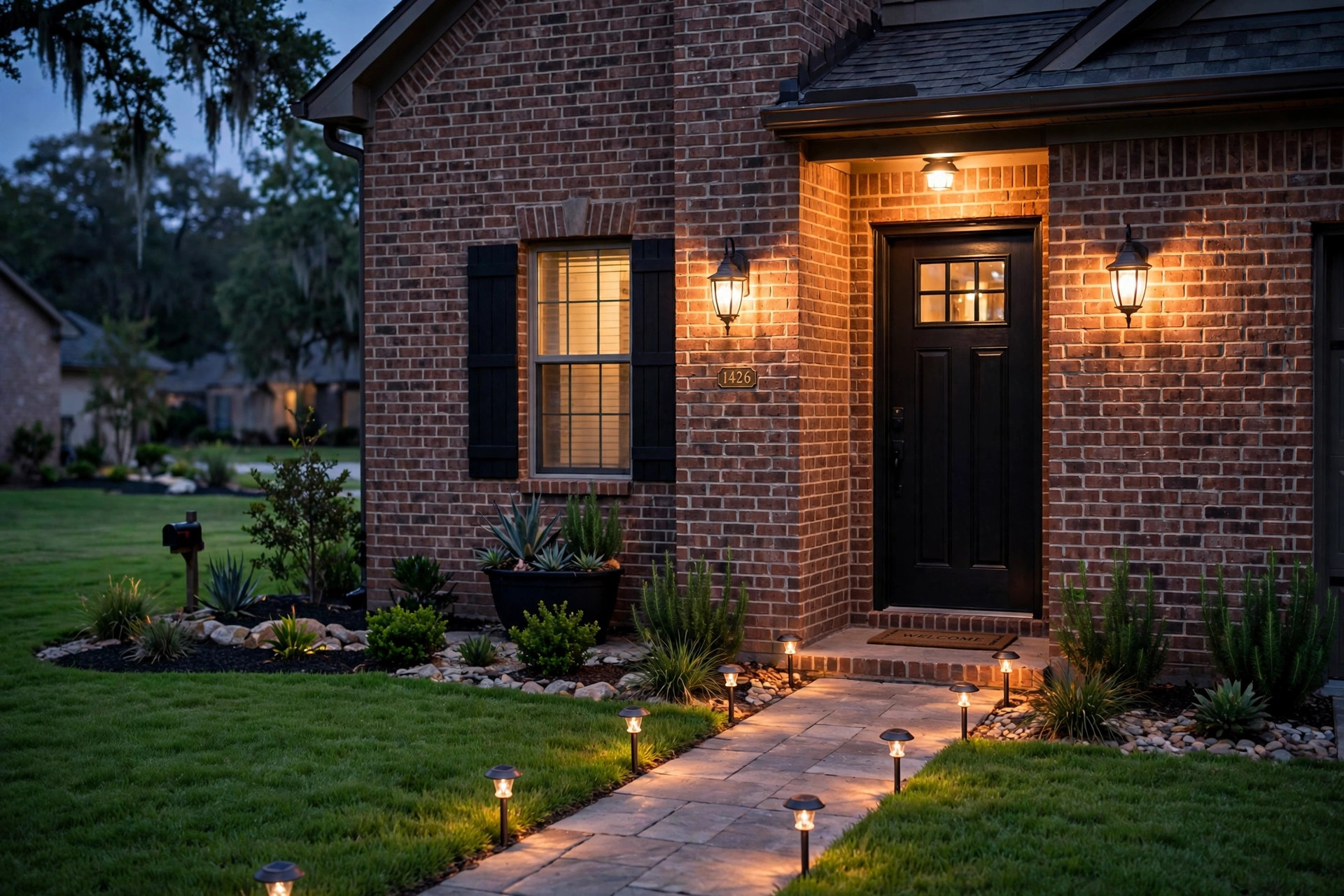
Good lighting changes a home. It makes the front door easy to find after dark. It makes the back yard safe to walk through. It gives the house a warm look at night. Many Texas homeowners ask where to buy exterior lighting fixtures in Texas, and the answer is wider than most people expect. Big home stores carry them. Local lighting shops carry them. So do online sellers and electrical supply houses. The trick is to know what you need before you shop. This guide walks through the types, the buying choices, the prices, and the upkeep. It also answers common questions so you can buy with confidence.
Why Exterior Lighting Matters in Texas
Texas homes face long summers and short winter days. In summer, families use the patio after sunset. In winter, it gets dark by early evening. Outdoor light fills that gap. It lets people use their porches, decks, and yards in comfort.
Safety is another reason. A lit walkway keeps visitors from tripping. A lit driveway helps drivers park. Light near the garage and the side gates removes dark corners. Many homeowners add motion sensor lights for extra peace of mind. The light comes on when someone walks past. It turns off when no one is there.
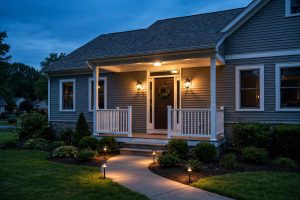
Curbside looks matter too. Real estate agents have said for years that a well-lit house shows better at night. Warm light on the siding or brick gives the home a cared-for look. Simple fixtures can do this. They do not need to be costly.
Texas weather also shapes the choice. Heat, dust, and sudden storms all wear on outdoor fixtures. That is why the search for where to buy exterior lighting fixtures in Texas should include stores that carry weather-rated stock. The product guides at The Spruce explain how weather ratings work on outdoor fixtures. A fixture rated for wet locations can handle rain. A damp-rated fixture suits a covered porch. Knowing the rating keeps you from buying the wrong item.
What to Look for When You Buy: Where to Buy Exterior Lighting Fixtures in Texas
Shopping for outdoor light is easier when you know what counts. Five points matter most. Read them before you spend.
Materials and Finish
The housing should stand up to the Texas climate. Powder-coated aluminum resists rust and sun fade. Solid brass costs more but ages well. Stainless steel holds up in wet spots. Plastic bodies are light and cheap but can crack in heat over time. Dark finishes such as bronze and black hide dust. Clear glass shows off the bulb. Frosted glass gives a softer glow.
Brightness and Light Color
Bulb brightness is measured in lumens. A porch lantern needs about 200 to 400 lumens. A flood light may need 700 to 2,000 lumens. Light color is measured in kelvins. Warm white, around 2700 kelvins, feels like an old porch bulb. Cool white, around 5000 kelvins, feels like daylight. Most homes look best in warm white. The buying advice at Consumer Reports notes that warm color light also cuts glare for neighbors.
Power Source
Most Texas homes use hardwired fixtures. They connect to the home wiring and run from a wall switch. Solar path lights need no wiring and go anywhere the sun hits. Battery lights work for small spots. Low voltage landscape lights run from a transformer plugged into an outlet. Hardwired lights cost more to install but work every night. Solar lights are easy to place but fade on cloudy weeks. The how-to articles at Family Handyman show how each type is installed.
Size and Scale
A fixture should fit the spot. A small light beside a wide double door looks lost. A good rule is to pick a fixture about one third as tall as the door. For a six-foot door, choose a lantern near two feet tall. Two fixtures, one on each side of the door, give a balanced look. Path lights should stand 12 to 20 inches tall and sit 6 to 8 feet apart.
Energy Use
LED bulbs use far less power than old bulbs. They also last for years. Many fixtures now come with built-in LED parts. The ENERGY STAR site lists outdoor lights that meet set power standards. A labeled fixture saves money over time and runs cooler in Texas heat.
Types of Exterior Lighting Fixtures
Stores in Texas stock many fixture types. Each has a job. Knowing the job keeps you from buying the wrong light.
Wall lanterns. These mount beside doors and on walls. They give the classic porch look. For easy care, many shoppers pick low maintenance outdoor wall lanterns with sealed LED parts. They need no bulb changes for years.
Flood and security lights. These throw wide bright light over driveways and yards. Many have motion sensors. They work best on high eaves and garage corners. Aim them down so they do not blind neighbors.
Path and walkway lights. These low posts light the way to the door. They sit along sidewalks and garden beds. Solar versions are common and easy to set out.
Post and pier lights. These sit on top of fence posts or gate pillars. They mark entries and add style to a fence line. They suit ranch and suburban homes alike.
String and bistro lights. These hang over patios and decks. They give soft party light. Look for heavy-duty outdoor cords with shatterproof bulbs. Cheap indoor strings fail fast outside.
Step and deck lights. These small fixtures fit into stair risers or deck posts. They light each step so no one misses a stair at night. If your steps need more than light, see our guide to budget friendly exterior stair railings for cold climates — though Texas buyers will want railings rated for heat, not snow.
Spot and accent lights. These aim up at trees or the house front. They show off brick, stone, or a nice oak tree. Low voltage kits make them simple to run.
Apartments and rentals have needs too. Renters often want fixtures that need no wiring. Our look at professional grade exterior lighting fixtures for California apartments covers options that work for Texas renters as well.
Where to Buy in Texas
So where to buy exterior lighting fixtures in Texas? You have five main routes. Each has strong points.
Big-box home stores. Home Depot and Lowe’s have large lighting aisles in nearly every Texas city. You can see the fixture, hold it, and read the box. Stock covers cheap basics up to mid-range lines. Staff can point you to wet-rated stock. Prices run from about twenty dollars for a small wall light to several hundred for a large fixture set. For Texas shoppers who want to compare brands side by side, these stores are the first stop.
Local lighting showrooms. Dallas, Houston, Austin, and San Antonio all have lighting showrooms. They carry finer brands and display them lit up. Staff there know the trade and can help you match a style to your home. Prices run higher, but you get help you cannot get online. Showrooms also sell replacement glass and parts, which big stores may not carry.
Electrical supply houses. These trade shops serve electricians but sell to the public too. They carry rugged fixtures made to last. Prices are fair. Staff know code rules and can tell you what fits local code. If you are rewiring or adding a new circuit, ask your electrician which supply house they use.
Online sellers. Wayfair lists thousands of outdoor lights with buyer reviews. Shopping online gives you the widest choice of styles. Shipping to Texas is fast from most warehouses. Watch the return policy before you order. Colors on screen can differ from the real finish. Read reviews that mention Texas weather if you can find them.
Big warehouse clubs. Stores that sell in bulk often carry two-packs of path lights or flood lights at low prices. The choice is narrow, but the price per light is good. These suit large yards that need many lights.
A word of caution: do not buy indoor-only fixtures for outdoor use, no matter how low the price. Water will ruin them. It can also cause a short. The safety guides at This Old House remind readers to check the rating label on the box before checkout.
Cost and Price
Prices vary wide. A simple solar path light costs about ten to twenty dollars. A pair of mid-range wall lanterns runs sixty to one hundred fifty dollars. A large decorative post light can cost two hundred to five hundred dollars. Flood lights with motion sensors run thirty to one hundred dollars each.
Installation adds cost. A homeowner who can wire a light can swap a fixture in under an hour. Adding a new circuit or a new switch box needs an electrician. In Texas, expect one hundred fifty to three hundred dollars per new fixture location when an electrician runs the wire. Permits may add a small fee in some cities.
Running cost is low with LEDs. A ten-watt LED porch light run six hours a night costs only a few dollars a year to power. The product tests at Bob Vila show that LED fixtures pay for their higher price within a year or two through power savings.
Set a budget before you shop. List every spot that needs light. Count the fixtures. Add bulbs, wire, and tools if you plan to do the work yourself. Then compare prices across two or three sellers. Texas has no shortage of sellers, so prices stay keen.
Care and Upkeep
Outdoor fixtures need little care, but they need some. Dust and bugs build up on the glass. Wipe the glass twice a year with a damp cloth. A clean lens gives more light. Check rubber gaskets around the glass once a year. Cracked gaskets let water in. Replacement gaskets cost little.
Trim plants away from the fixtures. Bushes that touch a hot fixture can scorch. Leaves that cover a solar panel keep it from charging. Keep a foot of clear space around each light.
After a big storm, walk the yard and check each light. Hail can crack glass. Wind can loosen mounts. Tighten screws and replace broken glass at once. Water inside a fixture can rust the socket.
In coastal Texas, salt air speeds up rust. Rinse fixtures with fresh water now and then. Choose stainless steel or brass near the coast. The maintenance tips at The Spruce cover coastal care in more detail.
LED fixtures need the least care. Sealed LED lanterns have no bulbs to change. They run for tens of thousands of hours. When they do fail, you replace the whole fixture. Keep the receipt and the warranty card.
Safety
Outdoor wiring needs care. Turn off the breaker before you touch any fixture. Test the wires with a voltage tester. If the box has no ground wire, call an electrician. Old Texas homes sometimes have cloth wiring that needs pro help.
Keep lights away from dry brush and wood piles. Hot bulbs can start a fire. LED bulbs run cooler and are safer near plants.
Do not overload a circuit. A standard outdoor circuit can hold many LED lights, but old flood lights draw more power. Add up the watts before you add fixtures. The electrical guides at Family Handyman explain how to size a circuit.
Motion lights should aim down and inward. Light that spills into the street can annoy drivers. Some Texas cities have rules about light spill and fixture height. Check with your city before you mount tall flood lights.
Frequently Asked Questions
What is the best type of exterior light for a Texas front porch?
A pair of wall lanterns in warm white works for most porches. They give even light and look right on brick or siding. Choose a wet-rated or damp-rated fixture based on how much rain hits the spot. Sealed LED lanterns need the least upkeep.
Do I need an electrician to install an exterior light?
Swapping an old fixture for a new one is simple work for many homeowners. Adding a brand new light where no wire exists is harder. It means running cable, cutting boxes, and meeting code. For that job, hire a licensed electrician. Texas cities often require permits for new circuits.
Are solar lights good enough for Texas yards?
Texas gets plenty of sun, so solar lights charge well. They suit path lights and garden spots. They are not the best choice for security lighting. A cloudy week can leave them dim. For doors and driveways, hardwired lights work more surely.
How many lumens do I need for a driveway?
Most driveways need 700 to 1,500 lumens per flood light. One or two floods on the garage cover a two-car drive. Point them down at the concrete, not out at the street. Motion sensors save power and cut light spill.
What finish holds up best in Texas heat and dust?
Powder-coated bronze and black hold up well. They hide dust and resist sun fade. Brass costs more but ages well. Avoid cheap painted steel, which can rust after one rainy season. Near the Gulf, choose stainless steel or solid brass.
Can I mix fixture styles on one house?
You can, but keep them in the same family. Match the finish across all fixtures. Keep the shapes simple and alike. A modern flood light beside a rustic lantern looks out of place. One finish and one style family gives the house a planned look.
A Short Final Word
Finding where to buy exterior lighting fixtures in Texas is the easy part. The state is full of good sellers, from big stores to small showrooms. The harder part is choosing well. Pick the right rating for the spot. Pick a size that fits the house. Pick LED parts to keep power bills low. Then install with care or hire a pro for the wiring. Done right, outdoor light makes a Texas home safer, warmer, and more welcoming after dark.
References
Bob Vila. (n.d.). Home improvement advice. https://www.bobvila.com Consumer Reports. (n.d.). Product reviews and ratings. https://www.consumerreports.org ENERGY STAR. (n.d.). Energy efficient products. https://www.energystar.gov Family Handyman. (n.d.). DIY home repair and maintenance. https://www.familyhandyman.com Lowe’s. (n.d.). Home improvement products. https://www.lowes.com The Home Depot. (n.d.). Home improvement products. https://www.homedepot.com The Spruce. (n.d.). Home and garden advice. https://www.thespruce.com This Old House. (n.d.). Home renovation guidance. https://www.thisoldhouse.com Wayfair. (n.d.). Furniture and home goods. https://www.wayfair.com
Was this guide helpful?

About James Carter
The My Garden US editorial team writes practical, in-depth home and garden guides for American homeowners — tested advice, no fluff.