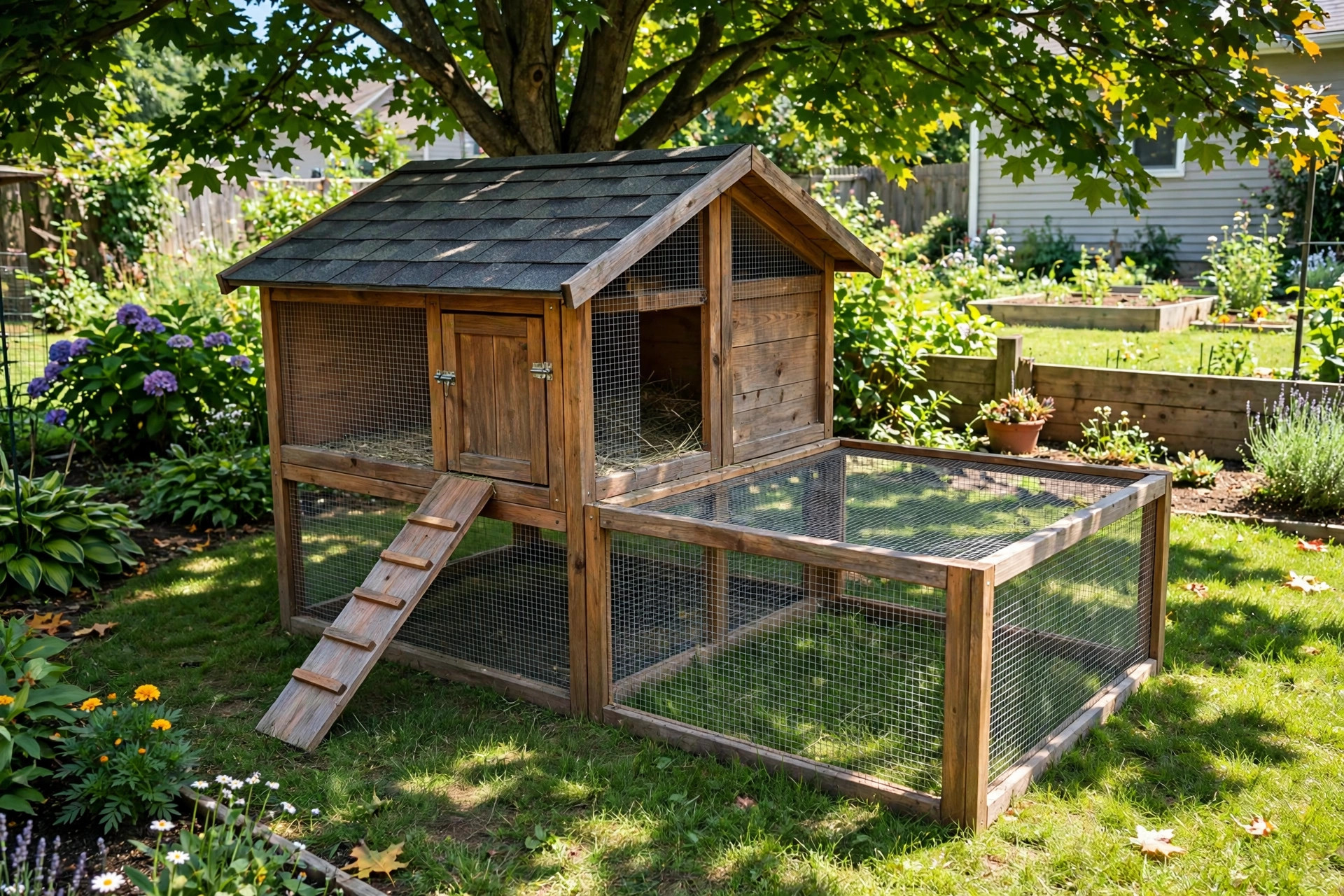

An outdoor guinea pig hutch for summer garden use can give your small pets fresh air and real grass under their feet. Guinea pigs do well outside in the warm months when the home is right. They need shade, cool air, and a strong roof over their heads. This guide walks you through every part of the choice, from the size of the hutch to the price you may pay.
Why an Outdoor Hutch Works in Summer
Guinea pigs are social and gentle animals. They like to eat grass and move about. In summer, a garden home lets them do what comes natural. Fresh grass gives them vitamin C, which their bodies need each day. Sunlight lifts their mood. Open space lets them run and pop with joy.
An outdoor guinea pig hutch for summer garden time is not just a box. It is a home that keeps them safe from cats, dogs, and hawks. It must also guard them from the heat. Guinea pigs do not sweat like people do. They can fall sick fast when the air turns too warm. A good hutch keeps the heat out and the breeze moving.
Many owners move their pets out when night air stays above 60 degrees. In most of the United States, that means late spring through early fall. You can check the weather each day. If the high will pass 85 degrees, you need a plan to cool the hutch or bring the pets inside.
How to Choose the Right Hutch: Outdoor Guinea Pig Hutch for Summer Garden
Start with space. Two guinea pigs need at least 10 square feet of floor. More is always better. A cramped hutch makes pets dull and ill. Measure your yard before you buy. Make sure the spot is flat and drains well after rain.
Look at the wood. Cedar and pine can give off fumes that hurt small lungs. Kiln-dried pine is safer, but fir and hardwood are best. The wood should feel solid and smell clean. Press the walls. They should not bend. Check the wire mesh. It must be welded wire with small squares, no more than half an inch. Chicken wire is too weak. A raccoon can tear it with its paws.
The roof must keep rain out. Felt or shingle roofs work well. A sloped roof lets water run off. The floor needs care too. Wire floors hurt guinea pig feet and cause sores. Choose a solid floor or a ramp covered with a mat. Some hutches have a pull-out tray. That makes cleaning much easier.
Ventilation matters most in summer. The hutch needs air gaps under the eaves or a wire panel that lets breeze through while the roof gives shade. A hutch that sits in full sun turns into an oven. Pick one with a shaded run attached so the pets can choose sun or shade.
Doors should lock tight. Raccoons and foxes are smart. A simple slide bolt may not stop them. Use a latch that twists or locks with a clip. Lift the hutch and feel its weight. A sturdy outdoor guinea pig hutch for summer garden use should not rock in a strong wind. For ideas on safe outdoor roaming setups for other pets, see our guide on the outdoor cat enclosure for safe garden roaming.
Types of Outdoor Guinea Pig Hutches
Single-Level Hutches
These are simple boxes with a sleeping side and a wire front. They suit one pair of guinea pigs. They are easy to clean and easy to move. Look for a lift-up roof so you can reach inside without a fight.
Two-Story Hutches
A ramp leads up to a closed loft for sleeping. The lower level holds food and water. This design saves yard space. Check that the ramp is not too steep. Add side rails so small feet do not slip off the edge.
Hutch and Run Combos
The run is a wire frame on the grass. Guinea pigs graze while the hutch stands at one end for rest. This is the best choice for summer. The pets get sun, shade, and fresh grass in one home. Make sure the run has a roof or cover of wire. Hawks strike from above.
Converted Sheds and Playhouses
Some owners use a small garden shed with a cut door and a run attached. This gives the most room and the best shelter from storms. It costs more but lasts for years.
Cost and Price Range
A basic single-level hutch costs between 80 and 150 dollars. Two-story models run from 150 to 300 dollars. Large hutch and run combos can reach 400 dollars or more. Converted sheds start near 500 dollars before you add wire and ramps.
Do not judge by price alone. A cheap hutch made of thin pine may rot in one season. Read reviews from other pet owners. The ASPCA small pet care pages explain what safe housing should look like. Retailers like Chewy and Petco list many models with owner reviews that note how the wood holds up in rain.
Add the cost of extras. You will need a water bottle, a hay rack, a food dish, and a hide house. A sun shade cloth costs about 20 dollars and is worth every cent. Bedding, hay, and pellets are weekly costs. Plan about 30 to 50 dollars a month for supplies. You can compare prices at Walmart and Tractor Supply, which often stock outdoor pet gear at fair prices.
Setting Up the Hutch in Your Garden
Pick a spot with morning sun and afternoon shade. A tree or a fence can give the shade you need. Do not place the hutch where rain runs off the house roof. The ground must stay dry. Raise the hutch on legs or bricks so damp soil does not rot the wood.
Face the open wire side away from the wind. In the United States, summer winds often come from the south and west. Turn the hutch to the north or east if you can. This keeps drafts out while the wire top lets heat rise and escape.
Put fresh bedding in the sleeping side. Aspen shavings or paper bedding work well. Avoid cedar chips. Place the hay rack where it stays dry. Hang the water bottle in the shade side of the hutch. Water in the sun turns warm and grows slime. The PetMD care guides remind owners that fresh water each day is a must for small pets.
Add a hide house inside. Guinea pigs need a dark corner to rest. A simple wooden box with two doors works. They will run inside when they hear a loud noise. This is normal and healthy.
Daily Care and Upkeep
Clean the hutch each day. Scoop wet bedding and old droppings. Wash the water bottle and refill it. Check the food dish. Guinea pigs need fresh hay all day, every day. Their teeth never stop growing, and hay keeps the teeth worn down.
Once a week, take everything out and scrub the hutch. Use warm water and a mild soap made for pet homes. Rinse well and let it dry in the sun. The sun kills germs. Replace bedding with a fresh layer. Check the wire for rust and the wood for chew marks. Guinea pigs chew. It is what they do. Cover chewed spots with a safe wood guard or replace the part.
Watch your pets while they eat. A guinea pig that stops eating may be sick. Soft droppings, a runny nose, or dull eyes all call for a vet visit. Find a vet who knows small pets before you need one. The American Kennel Club is known for dogs, but for small pet health basics many owners also read the Spruce Pets care library, which covers guinea pig diet and common illness signs in plain words.
Move the hutch or run to fresh grass every few days if you can. Guinea pigs eat the grass down fast. Fresh ground gives them new food and keeps the soil clean. If the grass is treated with weed killer or bug spray, keep the pets off it. Those sprays can kill a small animal.
Keeping Guinea Pigs Cool in Summer Heat
Heat is the great danger of an outdoor guinea pig hutch for summer garden life. Guinea pigs suffer heat stroke above 85 degrees. Signs include heavy panting, drool, and lying flat on the side. This is an emergency. Move the pet to a cool room at once and call a vet.
To keep heat down, drape a light shade cloth over the hutch in the hot hours. Leave the sides open so air can move. Freeze a water bottle and wrap it in a towel. Lay it in the hutch. Guinea pigs will lean on it to cool down. Give cool, not ice cold, water in the bottle.
A ceramic tile in the shade makes a cool bed. Tiles hold the cool of the night and stay cool for hours. Mist the roof with a hose on very hot days. Never spray the pets with cold water. The shock can harm them.
On days when the high will pass 90 degrees, bring the guinea pigs inside. No hutch can keep them safe in that heat. A bathroom or laundry room works as a short-term home. This rule matters most in the South and Southwest, where summer highs stay brutal for weeks.
Safety: Predators, Plants, and Weather
A strong hutch stops most danger, but you must stay alert. Check the locks each night. Walk the yard and look for dig marks near the hutch. Dogs can dig under a run in one night. Sink wire mesh a foot deep around the run edge to stop diggers.
Watch what grows near the hutch. Many garden plants are poison to guinea pigs. Foxglove, lilies, and tomato leaves can kill. Keep the run on plain grass or a patch you plant with safe greens like timothy and clover. If you are unsure about a plant, pull it out. The Home Depot garden center and Lowe’s both tag plants with pet safety notes on many labels, which helps when you plan the yard around the hutch.
Storms are a real threat. A hutch can blow over in a strong gust. Stake it down or set heavy stones on the base rails. When a storm warning sounds, move the pets into the house or garage. Hail and driving rain can break wire and soak bedding in minutes.
Flies can be a summer pest. They lay eggs on dirty bedding and can cause fly strike, which is deadly. Daily cleaning is your best guard. A fine mesh screen over the wire panels keeps flies out while air still moves through.
Night brings out raccoons, opossums, and foxes. These animals can open simple latches. Use carabiner clips on every door. Some owners add a motion light near the hutch. The sudden light often sends night visitors away. For more on sturdy outdoor pet housing, our article on the best outdoor dog kennel for large breeds usa covers predator-proofing that works for small pets too.
FAQ
How big should an outdoor guinea pig hutch be for two guinea pigs?
Give two guinea pigs at least 10 square feet of floor space. That is about 30 by 48 inches. A run of 20 square feet or more is better. Small space leads to stress and fights.
Can guinea pigs stay outside all summer?
Yes, when nights stay above 60 degrees and days stay below 85 degrees. They need a shaded, well-ventilated hutch and fresh water each day. Bring them in on very hot days and during storms.
What bedding is safe for an outdoor hutch?
Aspen shavings and paper-based bedding are safe. Straw works in the sleeping area but gets damp fast outside. Never use cedar shavings. The oils in cedar harm guinea pig lungs.
How do I keep the hutch dry in summer rain?
Choose a hutch with a sloped, waterproof roof. Raise it off the ground on legs. Place it where water does not pool. Pull bedding out after a storm and let the wood dry before you put pets back.
Do guinea pigs need a friend in the hutch?
Yes. Guinea pigs are herd animals. A lone guinea pig gets lonely and dull. Keep them in pairs or small groups of the same sex. Two females or two neutered males often live well together.
How often should I clean an outdoor hutch in summer?
Scoop soiled bedding each day. Do a full clean with soap and water once a week. In hot weather, flies and smell build fast, so you may need to scoop twice a day.
A Short Final Word
An outdoor guinea pig hutch for summer garden living asks for care, but it gives much back. Your pets will graze on real grass, breathe fresh air, and live as nature shaped them. Choose a solid hutch with room to move. Give shade, cool water, and clean bedding. Watch the heat and lock the doors each night. Do these simple things, and your guinea pigs will thrive through the whole warm season. If you fence the wider yard too, read our notes on the best dog fence for large yard no digging for ideas that keep every pet safe outdoors.
References
American Kennel Club. (n.d.). Dog care and training resources. https://www.akc.org ASPCA. (n.d.). Pet care and animal welfare resources. https://www.aspca.org Chewy. (n.d.). Pet supplies. https://www.chewy.com Lowe’s. (n.d.). Home improvement products. https://www.lowes.com Petco. (n.d.). Pet supplies and services. https://www.petco.com PetMD. (n.d.). Pet health information. https://www.petmd.com The Home Depot. (n.d.). Home improvement products. https://www.homedepot.com The Spruce Pets. (n.d.). Pet care guides and product reviews. https://www.thesprucepets.com Tractor Supply Co. (n.d.). Farm and ranch supplies. https://www.tractorsupply.com Walmart. (n.d.). Everyday low prices. https://www.walmart.com
Was this guide helpful?

About Sarah Mitchell
The My Garden US editorial team writes practical, in-depth home and garden guides for American homeowners — tested advice, no fluff.
You May Also Like
Choosing a Pet Carrier Backpack for Small Dogs Hiking
March 20, 2026 0 views
Pet Water Fountain Filter Replacement Pack USA: A Plain Guide for Pet Owners
January 2, 2026 0 views
Best Dog Paw Balm for Winter Salt Protection: A Complete Guide
June 15, 2026 0 views