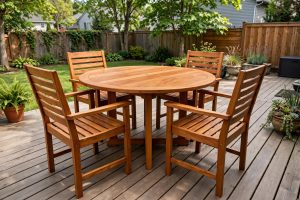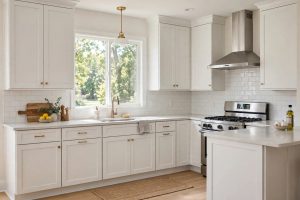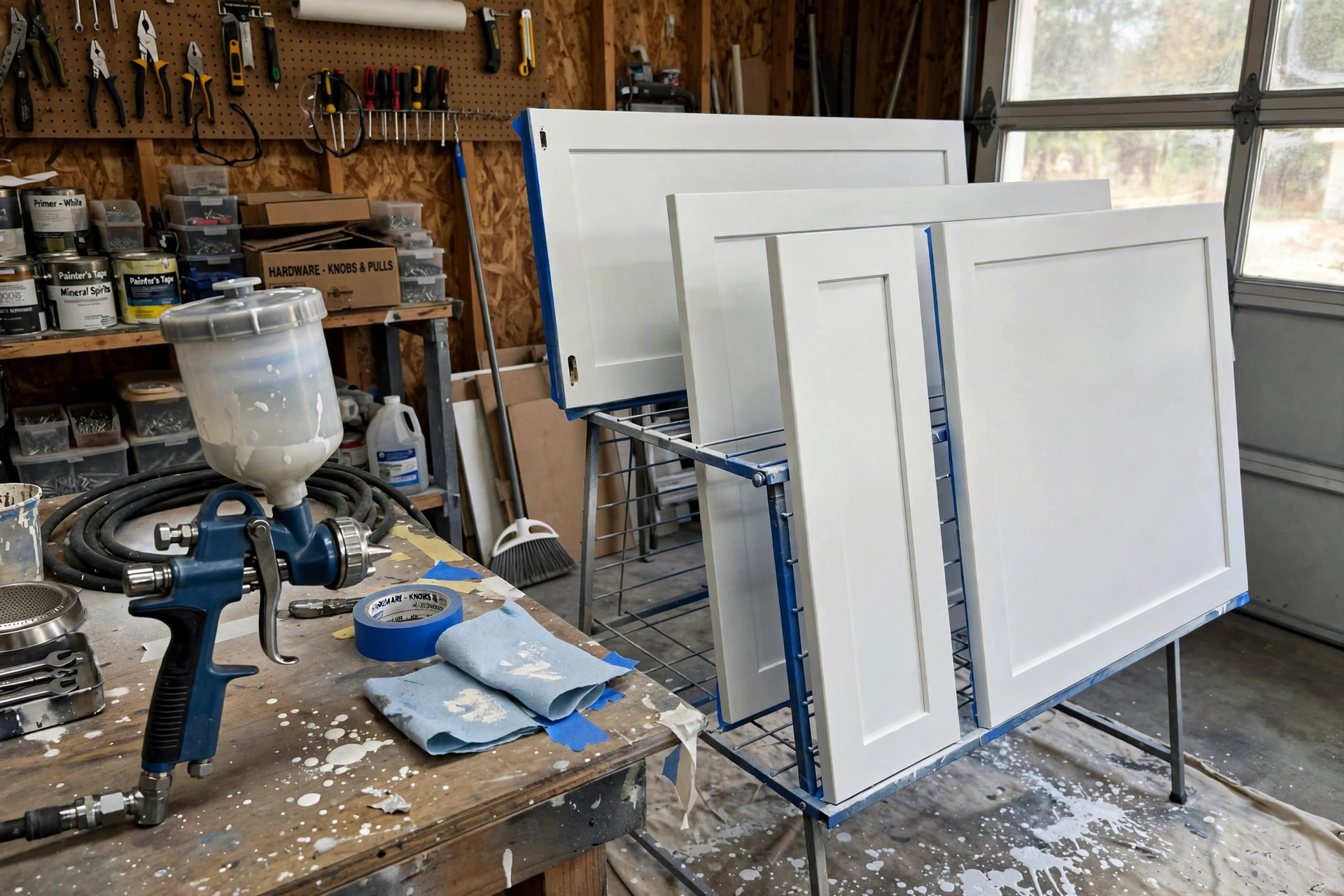
A kitchen feels old long before it wears out. The wood stays strong, but the finish turns dull. Paint can change that in a single weekend. A brush leaves marks. A roller leaves bumps. This is why so many homeowners search for hvlp sprayer for cabinets reviews usa before they start. They want the smooth look they see in showrooms, and they want it done at home.
HVLP stands for high volume, low pressure. The gun moves a lot of air at low force. Paint lands soft and even. Overspray stays low. For cabinet doors and drawer fronts, that means a glass-smooth coat with almost no runs. Reviews across the country point to the same result. A modest sprayer, paired with good prep work, can make old oak boxes look brand new.
This guide walks through the reviews in plain terms. It covers why the tool matters, what to look for, the main types, what they cost, how to care for one, and how to use it safe. It also answers the questions buyers ask most. By the end, you will know if an HVLP sprayer fits your project, and which kind to buy.
Why an HVLP Sprayer Matters for Cabinets
Cabinets sit at eye level. Every mark shows. Brush strokes catch the light. Roller texture looks dull next to a factory door. A spray gun lays paint down in a thin, even mist. The finish levels out as it dries. The result reads as one flat sheet of color. That is the look of a pro shop.
Time is the second reason. A kitchen has twenty to forty doors and drawer fronts. Brushing each one takes days. A sprayer coats a door in a minute or two. You spend your hours on sanding and masking instead, which is where a good job is truly made. Many reviewers say the sprayer cut their painting time by more than half.
The third reason is control. HVLP guns run at low pressure, so paint goes on the wood, not into the air. Less material drifts onto your walls and floor. Less paint is wasted. In a small garage or a taped-off room, that control keeps the work space clean and keeps your lungs safer. The best cabinet paint can only do so much if the tool lays it down wrong. For more on picking the coating itself, see our notes on the best paint for kitchen cabinets from across the country.
What to Look For When You Read Reviews: Hvlp Sprayer for Cabinets Reviews Usa
Reviews of sprayers run long. Some praise one model. Others warn against it. The useful ones talk about the same few points. Learn to read for these, and the reviews will make sense fast.
Cup size and feed type. Small gravity-feed cups hold about a quart. They sit on top of the gun and feel light in the hand. They suit cabinet doors. Larger siphon or remote pots hold more paint, but the gun gets heavy. For a kitchen, a quart cup is plenty. You refill between doors.
Needle and tip size. Paint flows through a small needle. Thin paints, like thinned latex or lacquer, want a 1.3 to 1.5 millimeter tip. Thick cabinet enamel may need thinning to pass through. Reviews that complain about clogs often skip this detail. Match the tip to the paint.
Turbine stages. A turbine blows the air. Two-stage units are light and cheap. They handle thin finishes well. Four and five-stage units push thicker paint with less thinning. Most cabinet projects do fine with three or four stages. Reviewers who spray thick enamel without thinning praise the higher stages.
Hose length and weight. You will move around a drying rack for hours. A long hose keeps the turbine on the floor while the gun stays light. A short hose drags the unit around. Reviewers note hose length more than almost any other comfort feature.
Ease of cleaning. Paint hardens fast. A gun that comes apart in seconds gets cleaned. A gun with many small parts gets skipped, and then it clogs. Look for reviews that describe the cleanup step by step. If owners say it takes ten minutes, that is a good sign.
Real kitchen results. The best reviews show cabinet doors, not test boards. They name the paint, the tip size, and the thinning ratio. They show before and after photos. A reviewer who sprayed one chair is less useful than one who sprayed a whole kitchen. Home improvement sites like This Old House carry workshop guides that show what a real cabinet job looks like start to finish.
Types of HVLP Sprayers You Will See in Reviews
Three main types appear in the reviews. Each has a place.
Turbine HVLP systems. A small turbine sits on the floor and feeds warm air through a hose. The gun is light. The whole kit often comes in a case. These are the most common choice for cabinets. They cost more than a bare gun, but they need no big compressor. Brands like Wagner, whose sprayer line targets home users, built their name on these all-in-one kits.
Conversion guns. These run off a shop air compressor. They cost less than a turbine kit, but they need a compressor that can keep up. A small pancake compressor will stall. Reviewers who already own a big compressor like these guns. Those who do not own one find the total cost climbs fast.
Compressed-air HVLP guns for pros. Cabinet shops use these with large compressors and spray booths. They give the finest finish of all. For a homeowner, they are overkill. The air demands are high, and the learning curve is steep. Reviews aimed at pros praise them, but home reviewers rarely need this tier.
Handheld electric sprayers. Some reviews cover small all-in-one electric guns. They are cheap and simple. They work for a chair or a small vanity. For a full kitchen, reviewers report uneven spray and tired hands. They are a budget path, not a cabinet solution.
Cost and Price: What American Buyers Pay
Prices in the United States fall into clear bands. A handheld electric sprayer runs from about 60 to 150 dollars. A turbine HVLP kit with two or three stages runs from about 150 to 350 dollars. Four and five-stage kits run from 350 to 800 dollars. A pro conversion gun alone can cost 200 to 500 dollars, plus the compressor.
The tool is only part of the bill. Good cabinet paint costs 50 to 90 dollars a gallon. Primer, sandpaper, tack cloth, masking film, and a drying rack add another 100 to 200 dollars. A full kitchen often needs two gallons of paint and one of primer. All told, a do-it-yourself spray job lands between 400 and 900 dollars.
Compare that to hiring out. If you are weighing the choice, our breakdown of kitchen cabinet refinishing service cost shows pro jobs often run 3,000 to 7,000 dollars in the United States. The sprayer pays for itself on the first kitchen. Many reviewers say exactly that. They bought the kit for one project and then used it on trim, doors, and furniture.
Where you buy matters less than what you buy. Big retailers like Home Depot and Lowe’s stock the main brands and take returns without fuss. Independent testing groups such as Consumer Reports publish ratings that help you compare models side by side.
Care and Upkeep: Keep the Gun Spraying Like New
An HVLP sprayer is a simple machine. Treat it well and it lasts for years. Neglect it and paint ruins it in one day.
Clean the gun the same day you spray. Run the right thinner through it until it sprays clear. Take the needle and cap apart. Wipe each part. Let them dry before you put the gun away. Dried paint in a fluid tip is the top cause of bad spray patterns. Reviewers who complain about spitting guns almost always skipped this step.
Strain your paint. Pour it through a mesh strainer into the cup. Old paint has skins and lumps. A fifty-cent strainer stops clogs that waste an hour. This single habit shows up in nearly every five-star review.
Store the turbine dry and dust free. Do not leave the hose coiled tight in a cold garage. Check the air filter on the turbine now and then. A clogged filter starves the gun of air and makes the spray weak.
Keep spare parts on hand. Needles, tips, and seals wear out. A small parts kit costs little and saves a weekend. When a tip starts to wear, the spray pattern goes oval and rough. Swap the tip and the gun feels new again.
Safety: Read This Before You Pull the Trigger
Spraying paint puts fine mist in the air. Treat that mist with respect.
Wear a real respirator, not a paper dust mask. A half-face respirator with organic vapor cartridges is the standard for oil and lacquer work. For water-based paint, a P100 particulate respirator does the job. Fit it tight. Facial hair breaks the seal.
Ventilate the work space. Spray near an open door with a fan pulling air out. Never spray near a pilot light or open flame. Solvent fumes can ignite. Water-based paints are safer, but the mist still irritates lungs.
Cover your skin and eyes. Wear goggles and long sleeves. Nitrile gloves keep paint off your hands. Latex and lacquer thinners soak through skin and carry chemicals into the body.
Keep people and pets out of the spray area. Overspray settles on everything. Food, dishes, and toys should be far from the work zone. Let each coat dry fully before you bring doors back inside.
Read the paint can. The maker lists the right thinner, the safe spray tips, and the dry times. Paint companies like Benjamin Moore and Sherwin-Williams publish detailed guides for spraying their cabinet coatings. Follow them. They wrote those sheets because they know how their paint behaves.
Frequently Asked Questions
Do I need to thin paint for an HVLP sprayer? Often, yes. Latex paint is thick. Most reviewers thin it 5 to 15 percent with water or the maker’s thinner. Spray a test pattern on cardboard. If the mist looks grainy, add a little more thinner. If it runs, you went too far. Thin in small steps and stir well.
Can a beginner get a good finish on cabinets? Yes, with practice. Spray two or three test doors first. Keep the gun six to eight inches from the wood. Move at a steady speed. Overlap each pass by half. Most beginners learn the motion in an hour. The prep work matters more than the trigger time.
Is HVLP better than airless for cabinets? For cabinets, yes. Airless sprayers push paint at very high pressure. They coat walls fast, but they lay paint on thick and make more overspray. HVLP lays a thinner, softer coat with more control. Cabinet doors are small and detailed. Control wins.
How many coats do cabinets need? Plan on one coat of primer and two coats of topcoat. Some dark colors need a third coat for full cover. Sand lightly with 220-grit paper between coats. Wipe the dust off with a tack cloth. Thin coats dry faster and look smoother than one heavy coat.
Should I spray the doors on or off the cabinets? Take them off. Lay them flat on a rack or on sawhorses. Flat spraying stops runs and lets you coat the edges clean. Mask the cabinet boxes in place and spray or brush those. Number each door with tape so it goes back in the right spot.
How long does a sprayed cabinet job last? With good prep and good paint, five to ten years is normal. Clean the surface first with a degreaser. Sand to scuff the old finish. Prime bare wood and repairs. Skipping prep is the reason most cabinet paint fails early. The sprayer cannot fix a dirty surface.
Home design sites such as HGTV show how far a fresh cabinet color can carry a whole kitchen makeover. DIY guides at Bob Vila and The Spruce walk through each step of a cabinet repaint with photos. If you also plan to refresh the floors while the kitchen is torn up, our look at garage floor epoxy coating kit reviews covers a similar spray-and-coat project.
A Short Final Word
An HVLP sprayer for cabinets is one of the best buys a home painter can make. The reviews agree. The finish looks close to factory. The job goes faster than brushing. The cost stays far below hiring a pro. The catch is prep work. No gun saves a dirty, glossy surface. Sand it, clean it, prime it, and then let the sprayer do what it does best.
Start small. Practice on the backs of doors. Thin your paint in steps. Clean the gun the same day. Do those four things and your cabinets will look like they came from a shop. That is the whole promise of the HVLP sprayer, and it is a promise the tool keeps.
References
Benjamin Moore. (n.d.). Paints and stains. https://www.benjaminmoore.com Bob Vila. (n.d.). Home improvement advice. https://www.bobvila.com Consumer Reports. (n.d.). Product reviews and ratings. https://www.consumerreports.org HGTV. (n.d.). Home and garden ideas. https://www.hgtv.com Lowe’s. (n.d.). Home improvement products. https://www.lowes.com Sherwin-Williams. (n.d.). Paints and coatings. https://www.sherwin-williams.com The Home Depot. (n.d.). Home improvement products. https://www.homedepot.com The Spruce. (n.d.). Home and garden advice. https://www.thespruce.com This Old House. (n.d.). Home renovation guidance. https://www.thisoldhouse.com Wagner SprayTech. (n.d.). Paint sprayers for home use. https://www.wagnerspraytech.com
Was this guide helpful?

About David Wilson
The My Garden US editorial team writes practical, in-depth home and garden guides for American homeowners — tested advice, no fluff.