If you type cedar mulch bulk price near me into a search bar, you will see a wide range of prices. Some yards list a low price per cubic yard. Others show a higher number that includes delivery. A few quote by the truckload instead of the yard. It is hard to know which deal is best. This guide walks through the numbers in plain terms. It explains what drives the price of bulk cedar mulch, how to compare local quotes, and how to avoid common mistakes when you order.
Cedar mulch is made from the bark and wood of cedar trees. Most of it comes from western red cedar and eastern red cedar. It has a warm reddish brown color and a clean wood smell. Many homeowners pick it because it holds its color longer than hardwood mulch, breaks down more slowly, and helps keep weeds down. Buying it in bulk, measured in cubic yards, is usually far cheaper per yard than buying bagged mulch at a store. The savings grow when you have large beds to cover.
Why Bulk Cedar Mulch Matters for Your Yard
Mulch does more than make beds look tidy. A good layer of mulch keeps soil moist in hot weather. It slows weeds so you spend less time pulling them. It also protects plant roots from heat and cold. Cedar mulch does all of this while lasting longer than many other wood mulches. That is why so many homeowners look for the cedar mulch bulk price near me before they start a yard project. A small difference in price per yard can mean hundreds of dollars saved on a large job.
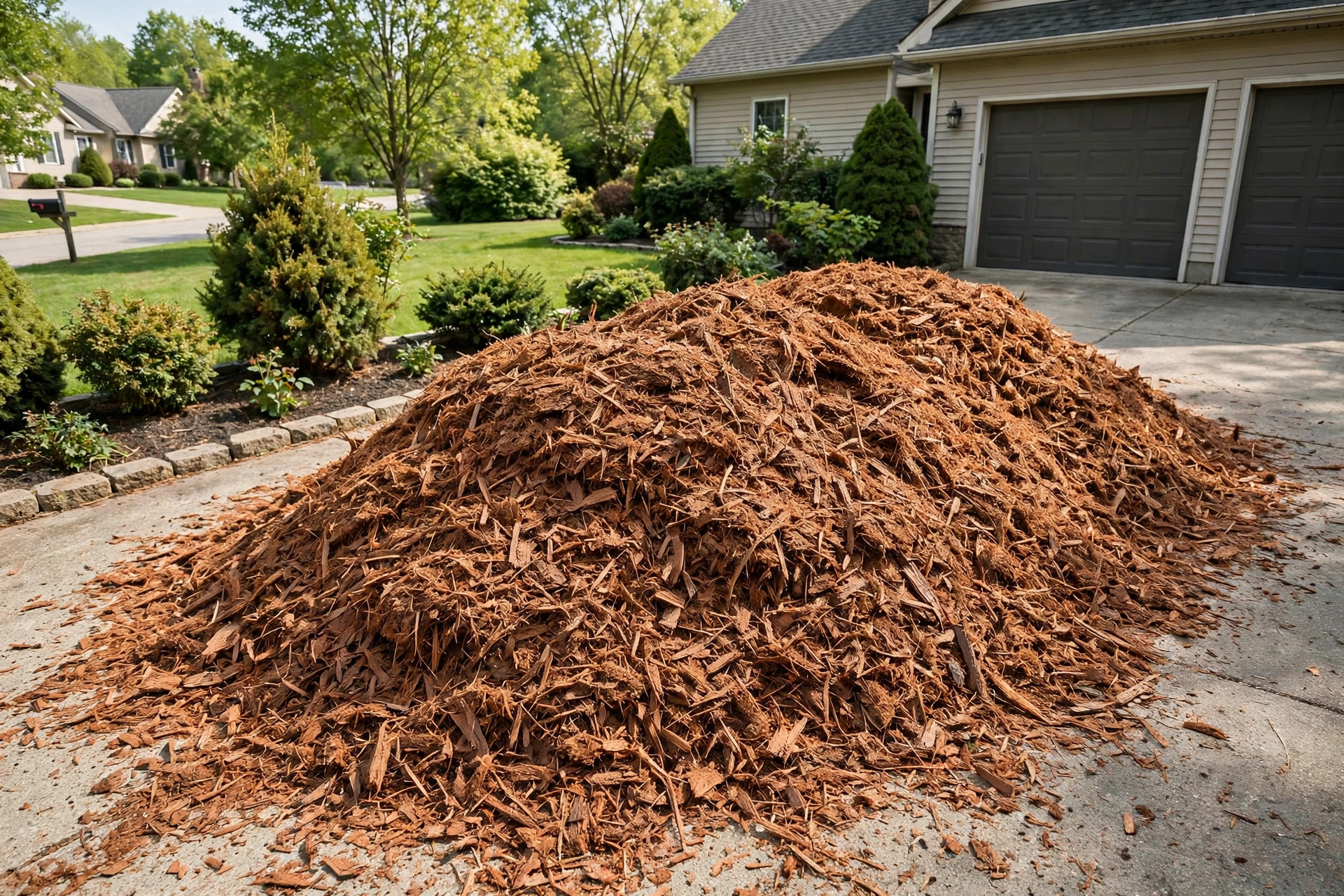
Buying in bulk also cuts down on waste. One cubic yard of bulk mulch replaces about thirteen and a half two-cubic-foot bags. When you order a truckload, the mulch comes loose in the bed of the truck. There are no plastic bags to open, stack, and throw away. For homeowners who want the best mulch for flower beds with bulk delivery, ordering by the yard from a local yard or landscape supplier is the most direct path.
Local yards have another advantage. Their mulch is often fresher than bagged mulch that has sat in a warehouse for months. Fresh cedar mulch has a stronger scent and a richer color. When you call around for the bulk cedar mulch near me, ask how fresh the stock is and when the next load arrives. The answer tells you a lot about the supplier.
What to Look for Before You Buy: Cedar Mulch Bulk Price near Me
Price matters, but it is not the only thing to check. Cedar mulch varies in quality from one supplier to the next. Here are the points to weigh before you place an order.
Freshness and Color
Good cedar mulch should have a natural reddish brown tone. If it looks gray or faded, it may have sat in a pile for a long time. Ask the yard to show you a sample or a photo of the current pile. Some suppliers will let you visit and look at the pile before you buy. That is a good sign. A yard that hides its pile may not want you to see it.
The smell is another clue. Fresh cedar mulch carries a clean, sweet wood scent. Old mulch smells dusty or sour. You do not need to be an expert to tell the difference. Trust your nose.
Shred, Chip, or Nugget
Cedar mulch comes in different forms. Shredded cedar is made of fine strings and fibers. It knits together and stays in place on slopes. Chipped cedar is made of small flat pieces. It spreads easily and looks neat in beds. Cedar nuggets are larger chunks. They last the longest but can roll away on hills and may float in heavy rain.
For most home beds, shredded or chipped cedar works best. Shredded cedar is the top choice for slopes because it mats down and resists washing away. Ask the supplier which form they carry. The cedar mulch bulk price near me may differ by type, since shredded cedar takes more work to produce than rough chips.
Clean Material
Check that the mulch is free of trash, large sticks, and soil clumps. Some low cost suppliers mix in pallet wood or dyed scrap. True cedar mulch comes from cedar logs and bark. Ask whether the product is one hundred percent cedar. A trusted supplier will answer without hesitation.
Types of Cedar Mulch and Your Options
When you search for the bulk cedar mulch near me, you will run into several product names. They sound alike, but they are not the same.
Western red cedar mulch is the most common. It has a rich red brown color and a pleasant scent. It breaks down slowly and holds color well. Most bulk yards in the United States carry this type.
Eastern red cedar, also called aromatic cedar, is common in the South and Midwest. It has a stronger scent and a lighter red tone. Some gardeners prefer it for paths and play areas because of the smell.
Cedar bark mulch is made mostly from bark rather than wood. It is finer and darker. It works well as a top dressing over an older mulch layer.
Double ground cedar mulch has been ground twice for a finer, more even texture. It costs a bit more per yard but spreads smoothly and looks sharp in front yard beds.
Dyed cedar mulch exists, but it is less common than dyed hardwood. If you want the natural red color to last even longer, ask if the yard offers a natural color enhanced cedar. Be wary of mulch that looks painted rather than wood toned. Real cedar does not need dye to look good.
The Cost of Bulk Cedar Mulch
Now to the main question. What should you expect to pay when you look up the cedar mulch bulk price near me?
Across most of the United States, bulk cedar mulch runs from about thirty five to seventy five dollars per cubic yard. Prices sit lower in regions close to cedar mills, such as the Pacific Northwest and parts of the South. They run higher in areas where the mulch must travel far, such as the Northeast and parts of the Midwest. A small town yard may charge less than a large city supplier. The numbers below give a rough picture.
– Small local yard, rural area: thirty five to fifty dollars per yard. – Suburban landscape supplier: forty five to sixty five dollars per yard. – Large metro area, premium double ground cedar: sixty to seventy five dollars per yard.
Delivery is often a separate charge. Many yards charge a flat delivery fee of twenty five to seventy five dollars for loads within a set distance. Some offer free delivery on orders above a minimum number of yards, often five or ten. Others charge by the mile past a free zone. Always ask for the total price, not just the price per yard. A yard that charges forty dollars per yard plus a fifty dollar delivery fee is cheaper than a yard that charges fifty five dollars per yard with free delivery, but only if the fee is stated up front.
Truckload pricing is another common model. A typical dump truck holds eight to twelve cubic yards. Some suppliers offer a full truckload at a flat rate, such as three hundred fifty to six hundred dollars delivered. If you need a large amount, ask for the truckload price. It is often the best value per yard.
To compare quotes fairly, use a landscape mulch calculator before you call. Measure your beds in feet, decide on a depth of three inches, and work out how many cubic yards you need. Then divide each total quote by the number of yards. The lowest price per delivered yard wins. Do not let a low per yard price hide a high delivery fee.
One more tip: prices often dip in late fall and winter, when demand is low. If your project can wait, you may find a better cedar mulch bulk price near me in the off season. Spring is the peak season, and prices are highest from March through May.
Care and Upkeep After Delivery
Once the truck dumps the pile, the work begins. Spread the mulch within a few days. A fresh pile can heat up in the center as it starts to break down. Spreading it out keeps it fresh and lets air move through it.
Lay mulch three inches deep in most beds. Two inches is too thin to block weeds. Four inches or more can hold too much water against plant stems. Keep mulch two to three inches away from tree trunks and the base of shrubs. Piled mulch against bark can cause rot. This is one of the most common mistakes homeowners make.
If you plan to use landscaping fabric under mulch, weigh the pros and cons first. Fabric can help with weed control under paths and rock areas. In planting beds, it can block water and stop the mulch from feeding the soil as it breaks down. Many gardeners skip fabric in beds and simply keep the mulch layer thick.
Rake the mulch lightly once or twice a year to keep it from matting. A matted layer can shed water instead of letting it soak in. Add a fresh one inch top layer each spring to restore color. Because cedar breaks down slowly, you may only need a full refresh every two to three years. That slow breakdown is part of why cedar mulch is worth the price.
Watch the edges of beds. Mulch tends to migrate onto lawns and paths after rain. A simple metal or plastic edge keeps the line clean and cuts down on cleanup. Lawn equipment makers such as Toro publish seasonal yard care guides that cover bed edging and mulch upkeep, and large suppliers like Deere offer similar homeowner resources through their dealer networks.
Safety Around Kids, Pets, and Plants
Cedar mulch is safe for most yards, but a few points deserve care. Cedar contains natural oils that give it the scent people like. These oils can irritate the skin of some people during long handling. Wear gloves when you spread it. A dust mask helps on dry, windy days when fine particles fill the air.
For pets, cedar mulch is safer than cocoa mulch, which is toxic to dogs. Still, dogs that chew large amounts of any wood mulch can get an upset stomach or a blockage. If your dog is a heavy chewer, watch the beds for the first week. Most dogs lose interest once the new smell fades.
Around plants, cedar mulch is a friend. It does not rob soil of nitrogen the way some fresh wood chips can, because bark breaks down slowly at the surface. Keep it off the crowns of perennials and away from the stems of young plants. A little space goes a long way.
Termites come up in nearly every mulch discussion. Termites eat wood, and cedar is wood. But termites prefer damp, rotting wood in contact with soil near a structure. A three inch layer of cedar mulch in a bed is not their favorite food, and cedar oils seem to deter them. Keep mulch six inches away from your home foundation and siding. That gap protects the house and lets you spot any pest trails early. Engine and equipment brands like Briggs & Stratton focus on mowers and engines rather than mulch, yet their yard care materials echo the same rule: keep wood products away from direct contact with the house.
Frequently Asked Questions
How many cubic yards of cedar mulch do I need?
Measure each bed in feet. Multiply length by width by depth in feet, then divide by twenty seven. For a bed that is twenty feet by ten feet with three inches of mulch, the math is twenty times ten times zero point two five, divided by twenty seven, which is about one point nine cubic yards. Round up to two yards. A mulch calculator makes this fast.
How much does delivery usually cost?
Most yards charge twenty five to seventy five dollars for local delivery. Some waive the fee on large orders. Always ask for the total delivered price before you compare the cedar mulch bulk price near me across suppliers.
Is cedar mulch better than hardwood mulch?
It depends on your goal. Cedar holds color longer and breaks down more slowly, so you replace it less often. Hardwood mulch is often cheaper per yard. For beds where looks and low upkeep matter most, cedar usually wins. For large areas on a tight budget, hardwood may be the better pick.
How long does cedar mulch last?
Expect two to three years before a full refresh is needed. A one inch top dressing each spring keeps the color fresh. Shredded cedar lasts longer than fine bark, and nuggets last longest of all.
Will cedar mulch attract termites?
Cedar mulch in beds is not a major termite risk. Keep it away from the foundation, do not pile it against siding, and avoid letting it stay soaked against the house. With those steps, termites are not a real concern.
Can I get bulk cedar mulch delivered in winter?
Yes, many yards deliver year round. Winter prices are often lower because demand drops. The ground may be frozen, which makes spreading harder, but you can stockpile the mulch on a tarp and spread it in early spring.
A Short Final Word
The cedar mulch bulk price near me will vary by town, season, and supplier. The best deal is rarely the lowest number on a price list. It is the lowest total delivered price for fresh, clean, true cedar mulch in the form you want. Measure your beds, get three quotes, and ask about freshness, type, and delivery fees. With those answers in hand, you can order with confidence and enjoy beds that look sharp for years.
References
Toro. (n.d.). Lawn care and yard equipment. https://www.toro.com Deere & Company. (n.d.). Lawn care products and services. https://www.deere.com Briggs & Stratton. (n.d.). Outdoor power equipment. https://www.briggsandstratton.com
Was this guide helpful?

About Robert Taylor
The My Garden US editorial team writes practical, in-depth home and garden guides for American homeowners — tested advice, no fluff.