The right window curtain panels can change a room in a single afternoon. For window curtain panels california homes usa shoppers, the search starts with a simple problem. California sun is strong. It pours through glass all year. It fades floors and rugs. It heats rooms past comfort. Good panels tame that light. They give privacy at night. They add color and softness to bare walls. This guide walks through the whole choice in plain terms. It covers why panels matter, what to look for, the main types, what they cost, and how to keep them clean. Every tip fits the real homes of California, from small Los Angeles apartments to wide-windowed houses in the suburbs.
Why Curtain Panels Matter in a California Home
California homes face a mix of bright sun and mild weather that few other states share. Many houses have large sliding doors and picture windows. Apartments often have one big window that faces west. That glass lets in heat. It lets in glare. By mid-afternoon, a living room can feel like a greenhouse. Well-chosen window curtain panels solve more than one problem at once. They block or soften harsh light. They cut heat gain, which eases the load on air conditioning. They give privacy when the sun drops and neighbors can see in. They also finish the look of a room. Bare windows can make even nice furniture look cold. Panels add height and texture. They draw the eye up and make ceilings look taller.
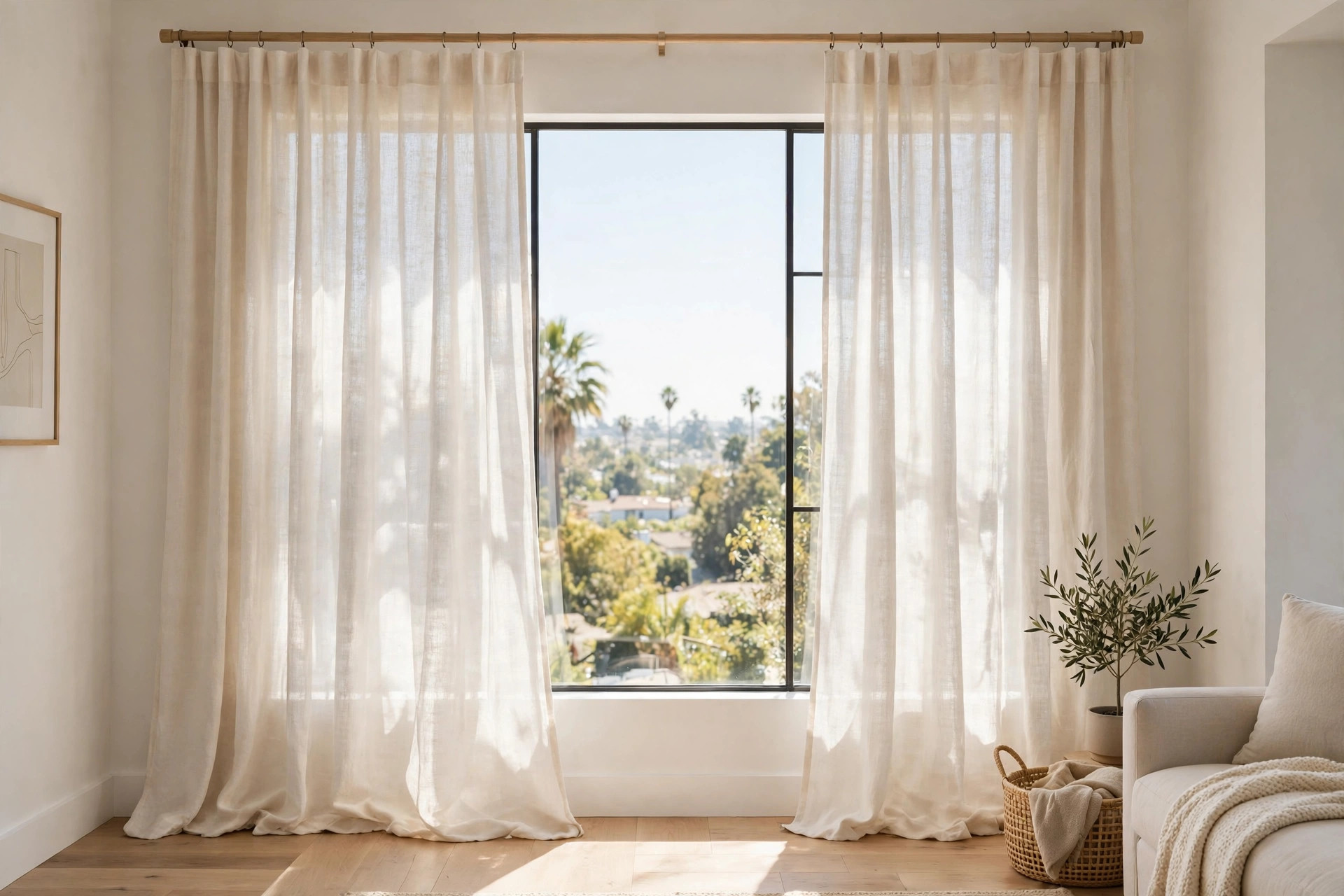
Style matters too. California design leans toward light, airy rooms. White walls, wood floors, and simple furniture are common. Panels in linen or cotton fit that look well. They move gently with the breeze from an open window. They keep the room bright without the hard edge of bare glass. Homeowners who want a darker, cozier mood can choose heavier fabric. The point is the same. Panels are one of the cheapest ways to change how a room feels.
What to Look For When You Shop: Window Curtain Panels California Homes Usa
Buying window curtain panels is easier when you know the basics. Keep these points in mind before you spend a dollar.
Measure First
Measure the window before you shop. Measure the width of the rod, not just the glass. For full coverage, panels should be one and a half to two times the width of the window when closed. This fullness lets the fabric hang in soft folds. For length, decide where you want the hem to land. Panels that just touch the floor suit most rooms. Panels that puddle slightly on the floor look rich, but they collect dust. Panels that end at the sill fit kitchens and baths. Hang the rod four to six inches above the frame. Extend it three to six inches past each side. This trick makes windows look wider and lets in more light when panels are open.
Fabric and Weight
Fabric sets the mood and the function. Light cotton and linen let daylight filter through. They suit living rooms and dining rooms. Heavier cotton twill blocks more light. Velvet and lined panels block the most. They also insulate against heat and cold. In California, where many rooms face strong sun, a medium-weight fabric is a safe middle ground. Check the lining. A white or cream lining protects the face fabric from sun damage. It also makes panels look neat from the street. Shoppers browsing ideas at IKEA or Wayfair will see fabric details listed for each panel, which helps narrow the field.
Color and Pattern
Color changes the light in a room. White and cream panels keep rooms bright and open. They fit the airy California style. Beige, gray, and soft blue add calm without darkening the space. Bold patterns can work as an accent, but they are harder to live with over time. A safe rule: match panels to the wall color for a quiet look, or pick a tone from the rug or sofa for gentle contrast. If you plan to pair panels with couch throw pillows, choose one shared color to tie the room together.
Types of Window Curtain Panels
Panels come in several styles. The header, which is the top of the panel, sets how it hangs and how it looks.
Rod Pocket Panels
Rod pocket panels have a sewn channel at the top. The rod slides through it. They hang in soft gathers and look classic. They are hard to open and close often, since fabric bunches on the rod. They suit rooms where panels stay in one place, such as a formal dining room.
Grommet and Eyelet Panels
Grommet panels have metal rings punched along the top. The rod passes through the rings. They slide with ease and form deep, even folds. They look modern and clean. They are a good pick for sliding doors and wide windows, which many California homes have. They are also easy to take down for washing.
Tab Top Panels
Tab top panels hang from fabric loops. They have a relaxed, casual feel. They fit farmhouse and coastal rooms. They slide less smoothly than grommet panels, so they suit windows that stay mostly covered or mostly open.
Blackout Panels
Blackout panels have a dense lining or coating that blocks nearly all light. They are the best choice for bedrooms, nurseries, and home theaters. In sunny California bedrooms, blackout curtain panels for bright rooms make sleep far easier. They also cut heat gain more than any other type. Many styles now look soft and normal, not stiff or shiny.
Sheer Panels
Sheer panels are thin and see-through. They soften light without blocking the view. They work well layered under heavier panels. During the day, close the sheers for privacy and open the heavy panels for light. At night, close the heavy panels. This two-layer setup is common in California living rooms with big glass walls.
Design sites such as Houzz show photos of each style in real rooms, which helps you picture the result in your own home. For a clean modern look, many shoppers compare options at Article and West Elm.
Cost and Price in the USA
Window curtain panels span a wide price range. A single ready-made panel at a chain store can cost as little as ten dollars. A pair of lined linen panels from a mid-range brand often runs sixty to two hundred dollars per pair. Custom panels, cut and sewn to exact size, can cost several hundred dollars per window. The price depends on fabric, lining, size, and brand.
For most California homes, ready-made panels are enough. Standard sizes fit most windows. Buy two panels per window for a full look. Do not forget the rod, brackets, and finials, which add to the total. A simple metal rod costs fifteen to forty dollars. Decorative rods cost more. If you are furnishing a whole house, start with the rooms where light control matters most, such as bedrooms and the main living space. Add panels to other rooms over time. Shoppers who like to compare prices often check CB2 and Crate and Barrel alongside budget stores.
Care and Upkeep
Curtain panels last longer with simple care. Dust them often. A weekly shake or a pass with a vacuum brush keeps dust from settling into the weave. This matters in California, where open windows let in fine dust. Wash panels as the label directs. Many cotton and polyester panels are machine washable. Linen panels often need gentle cycles and cool water. Velvet and lined panels may need dry cleaning. Always check the tag first.
Sun is the main enemy of curtain fabric. Even strong fabric fades over time in direct sun. Lining slows this damage. Rotating panels from a sunny window to a shadier one each year can even out wear. When panels start to look thin at the folds, it is time to replace them. Iron or steam panels after washing to remove wrinkles. Hang them while slightly damp for the smoothest drape. Practical upkeep guides at The Spruce and Apartment Therapy give step-by-step care routines for common fabrics.
Safety in the Home
Curtains are safe when hung with care. Keep panels away from heat sources. Do not let long panels rest against radiators, baseboard heaters, or portable heaters. In kitchens, keep panels clear of the stove. Choose flame-resistant fabric near fireplaces. Make sure rods and brackets are fixed into studs or strong anchors. A falling rod can injure a child or pet. This is vital for wide rods that carry heavy lined panels.
Cord safety deserves note. Many panels are cord-free, but blinds and shades paired with them may have cords. Keep cords out of reach of small children. Use cord cleats or choose cordless products. In nurseries and playrooms, this rule is firm. For more on home safety around windows, HGTV offers room-by-room checklists that are easy to follow.
Questions Homeowners Ask
How many panels do I need per window? Two panels per window is the standard. One panel on each side frames the glass and looks balanced. For very wide windows or sliding doors, use four panels, two per side. For a narrow window, a single wide panel pulled to one side can work.
Should curtain panels touch the floor? In living rooms and bedrooms, yes. Panels that just kiss the floor look tailored and neat. Panels that break slightly at the floor, with one small fold, also look fine. Avoid panels that stop two inches above the floor. That gap looks like a measuring error. In kitchens and baths, sill-length panels are the safer pick.
What is the best fabric for sunny California windows? Linen curtain panels for living rooms are a favorite. Linen breathes, filters light softly, and fits the relaxed California look. For bedrooms, choose lined cotton or blackout fabric. The lining blocks light and shields the face fabric from sun damage.
How do I measure window panels for a sliding glass door? Measure the full width of the door plus the frame. Add six to twelve inches on each side for the rod. The rod should be wide enough that panels stack clear of the glass when open, so the door slides free. For length, measure from the rod to the floor. Many buyers use two to four grommet panels for smooth daily use.
Can I mix curtain panels with blinds? Yes. This is a common setup. Blinds give precise light control. Panels add softness and style. Mount blinds inside the frame and hang panels outside it on a wider rod. White blinds with neutral panels suit most California rooms.
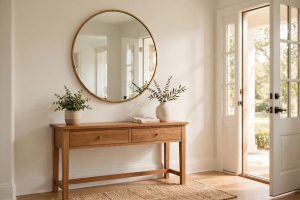
Do dark panels make a room look smaller? Dark panels can make a small room feel closed in. In small spaces, choose light colors that match the walls. If you love dark fabric, use it in a large room with high ceilings, or use dark panels only as a narrow accent over sheers. Pairing dark panels with bright accents such as an entryway decorative mirror nearby can bounce light back into the room.
A Final Word
Choosing window curtain panels for a California home comes down to light, fabric, and fit. Measure with care. Pick fabric that matches how you use the room. Hang panels high and wide for the best look. Spend a little time on upkeep and they will serve for years. Whether you favor breezy linen sheers or solid blackout panels, the right choice will make your rooms cooler, quieter, and more inviting. If you are refreshing the whole room, a sturdy modern farmhouse table nearby can anchor the space while the new panels soften the light around it.
References
Apartment Therapy. (n.d.). Home design ideas and inspiration. https://www.apartmenttherapy.com Article. (n.d.). Modern furniture. https://www.article.com CB2. (n.d.). Modern furniture and decor. https://www.cb2.com Crate and Barrel. (n.d.). Furniture and home decor. https://www.crateandbarrel.com HGTV. (n.d.). Home and garden ideas. https://www.hgtv.com Houzz. (n.d.). Home design and remodeling. https://www.houzz.com IKEA. (n.d.). Home furnishings. https://www.ikea.com The Spruce. (n.d.). Home and garden advice. https://www.thespruce.com Wayfair. (n.d.). Furniture and home goods. https://www.wayfair.com West Elm. (n.d.). Modern furniture and home decor. https://www.westelm.com
Was this guide helpful?

About James Carter
The My Garden US editorial team writes practical, in-depth home and garden guides for American homeowners — tested advice, no fluff.