
Why Dry Winter Air Matters in a Home Office
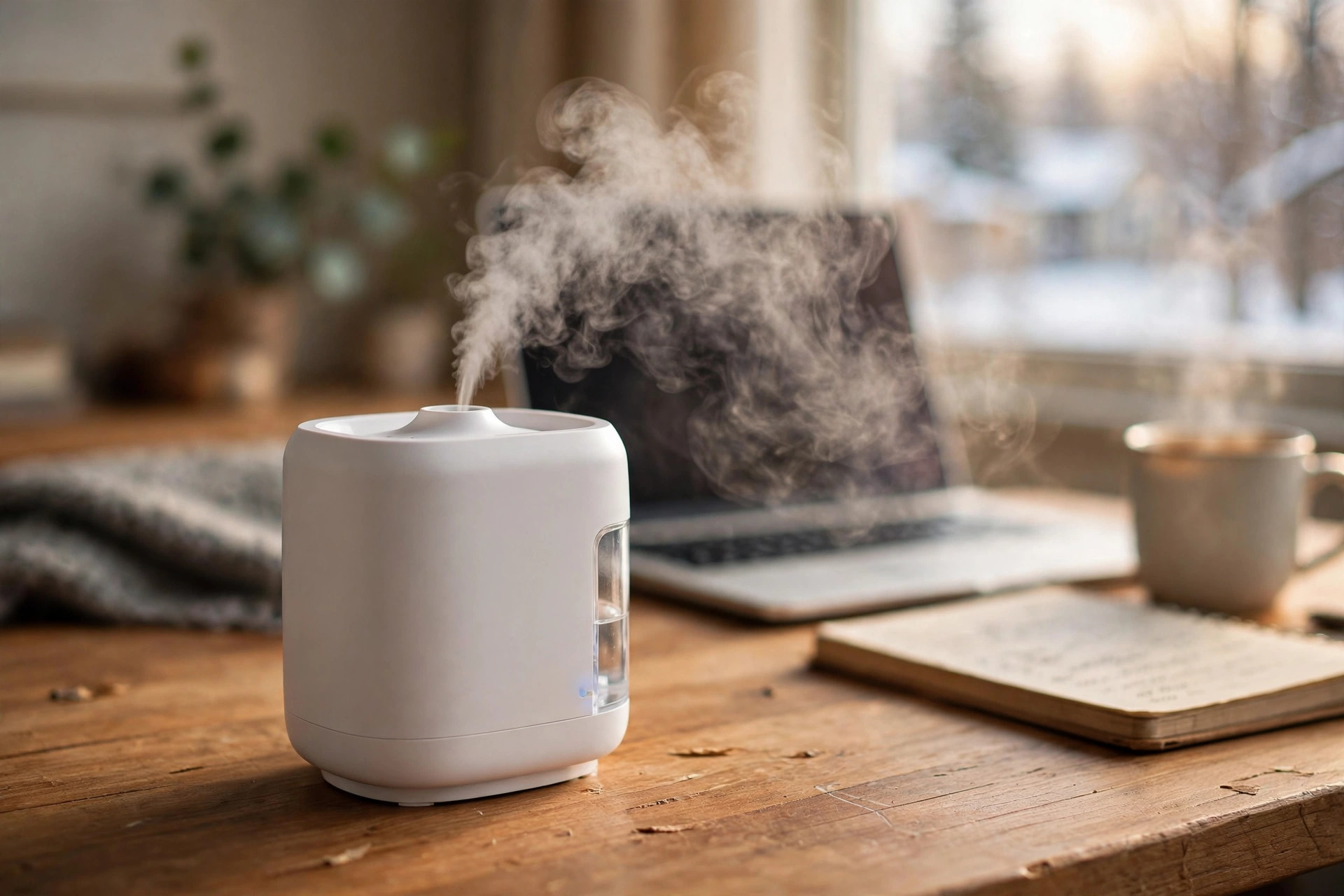
Winter air can be harsh indoors. A home office humidifier for dry winter air adds moisture back into the room. This simple step can make long workdays far more pleasant. Heating systems dry the air as they warm it. Indoor humidity often drops below 30 percent in the cold months. That is well under the level most people find comfortable.
Dry air causes several common problems. Your throat may feel scratchy by mid afternoon. Your eyes may sting after hours of screen time. Your skin may crack and itch. Static shocks can zap you each time you touch a metal file drawer. Even wood furniture can shrink and crack in very dry rooms. A humidifier puts water vapor into the air. The mist lifts humidity back toward a healthy range of 40 to 50 percent.
Your focus can suffer too. Headaches and stuffy noses are common when the air is too dry. Many home workers notice they feel more tired on cold days. Part of that fatigue comes from dry, overheated air. A home office humidifier for dry winter air does not replace fresh air or good sleep. It does make the room kinder to your body. Comfort supports clear thinking.
The room itself also benefits. Wood desks, books, and paper all dislike very dry air. Over time, low humidity can warp wooden furniture. Paper documents can curl. If your home office holds books or a fine desk, a small humidifier protects them. It is a cheap guard for items you value.
What to Look for When You Choose One: Home Office Humidifier for Dry Winter Air
Not every humidifier suits a workroom. Office needs differ from bedroom needs. You want quiet operation, small size, and easy cleaning. Here are the points that matter most.
Cool Mist Versus Warm Mist
Cool mist humidifiers are the most common choice for a home office. They use ultrasonic vibration or a wick filter to send fine cool vapor into the air. They use little energy. They are safe around pets and children because there is no hot water inside.
Warm mist humidifiers heat the water first. The steam feels pleasant on a cold morning. They can kill more germs in the tank. But they use more power and get hot. On a desk full of papers, a cool mist unit is the safer pick. For most offices, cool mist wins.
Tank Size and Run Time
Tank size sets how long the unit runs before you refill it. A small office of 100 to 200 square feet needs a tank of about one gallon or less. That size often runs for 10 to 24 hours on a low setting. You can fill it in the morning and forget it until the next day.
A tank that is too large takes up desk space. A tank that is too small runs dry by lunch. Match the tank to your room size. Check the coverage area on the box. Most makers list square footage clearly. Guides from review sites such as PCMag and Wirecutter often compare real run times across models. Those comparisons help you see which tanks last a full workday.
Noise Level
Quiet matters when you take calls and join video meetings. Ultrasonic humidifiers are nearly silent. Evaporative models use a small fan and make a soft hum. Look for units rated under 30 decibels. That is about the sound of a soft whisper.
If you share calls all day, test the unit during a quiet moment first. Some models click or gurgle when the tank shifts. A quiet mechanical keyboard for home office night pairs well with a silent humidifier for late work sessions. Both keep the room calm when the rest of the house sleeps.
Cleaning and Upkeep
Every humidifier needs cleaning. Standing water can grow mold and bacteria in a few days. The best office units come apart in a few pieces. Wide tank openings let your hand or a brush reach inside. Removable filters make swaps simple. Avoid models with narrow necks that you cannot scrub.
Plan on a quick rinse each day and a deeper clean each week. White vinegar dissolves mineral scale well. This habit takes five minutes. It keeps the mist clean and the unit working for years.
Types of Home Office Humidifiers
Several styles fit a desk or small office. Each has its strengths.
Ultrasonic humidifiers. These are the most popular for offices. A small plate vibrates at high speed. It breaks water into a fine cool mist. They are silent, small, and use little power. They can leave a faint white dust if your tap water is hard. Using distilled or filtered water solves this.
Evaporative humidifiers. These pull air through a wet wick. A fan then blows moist air into the room. They cannot over humidify because the wick slows down as humidity rises. They need new wicks every month or two. The fan adds a low hum that some people find soothing.
Steam vaporizers. These boil water to make steam. They are best for short, targeted use rather than all day office duty. They use more electricity and get hot to the touch.
Personal or USB humidifiers. Tiny units made for one desk. They hold a cup or two of water and run for a few hours. They suit a single worker in a small corner office. Their output is modest, so they do not serve large rooms.
For a typical spare bedroom turned office, an ultrasonic unit of one half to one gallon is the sweet spot. It is quiet, cheap to run, and easy to fill at the kitchen sink.
Cost and Price
Prices are kind. Most good home office humidifiers cost between 25 and 70 dollars. Small ultrasonic models start near 20 dollars. Larger evaporative units with filters can reach 100 dollars or more. Running costs stay low. An ultrasonic unit uses about as much power as a night light. A warm mist model uses more, like a small space heater.
Filters and wicks add ongoing cost. Ultrasonic models often have no filter at all. Evaporative models need a new wick every one to two months. A pack of wicks usually costs under 15 dollars. Distilled water costs about a dollar a gallon if your tap water is hard. Retailers such as Wayfair and IKEA list many models with clear prices, which makes side by side shopping easy.
Test results matter when you compare prices. Consumer Reports tests humidifiers for output, noise, and ease of cleaning. Their ratings can show whether a cheap model truly performs. Spending a little more often buys a quieter fan and a better tank design.
Setting Up Your Home Office Humidifier
Place the unit with care. Keep it on a flat, water safe surface. A tray or mat under it catches drips. Set it at least a few feet from your computer and papers. Mist that lands on electronics or documents causes harm over time.
Do not aim the mist nozzle straight at your screen or keyboard. Angle it toward the open room. Close the office door to keep the moist air inside. A closed room reaches good humidity faster. If your office has a rug, lift the unit onto the desk or a stand. Floor level units can dampen rugs.
Give the unit a day to settle in. Check how the room feels after a few hours. Your skin and throat will tell you when the level is right. A cheap hygrometer, which costs about 10 dollars, shows the exact number. Aim for 40 to 50 percent.
Care and Upkeep
Regular care keeps the mist clean and safe. Follow these steps each week.
First, empty the tank each morning and refill it with fresh water. Do not let water sit for days. Stale water breeds germs fast.
Second, rinse the tank with white vinegar once a week. Fill it one quarter full with undiluted vinegar. Let it sit for 20 minutes. Shake gently and rinse well. This clears mineral crust and kills most germs.
Third, wipe the base and nozzle with a soft cloth. Dust on the outside can fall into the water. A quick wipe takes one minute.
Fourth, replace wicks or filters on schedule. Mark the date on a small piece of tape on the unit. A fresh wick moves more air and smells clean.
Fifth, deep clean once a month with a weak bleach solution if the maker allows it. One teaspoon of bleach per gallon of water is enough. Rinse very well after. Never mix bleach and vinegar.
If the mist smells musty, the tank needs cleaning now. If white dust appears on your desk, switch to distilled water. The Spruce offers plain cleaning guides for home appliances, including humidifiers. Their step by step routines suit busy workers.
Safety Notes
Humidifiers are simple machines, but a few rules keep them safe.
Keep the cord away from water and foot traffic. Place the unit where it cannot be knocked over. A desk edge is a risky spot for a full tank.
Do not over humidify. Above 60 percent, damp air can grow mold on walls and windows. Watch for condensation on cold windows. That is your sign to turn the unit down. Guidance from the EPA on indoor air notes that moderate humidity protects both health and the home.
Clean often, as noted above. Dirty humidifiers can send germs into the air. Children, older adults, and people with breathing trouble are most at risk.
Use only water in the tank unless the maker says otherwise. Some makers allow a few drops of essential oil in a special tray. Never pour oil straight into the water. Oils can damage the unit and irritate lungs.
Unplug the unit before you clean it. Let electrical parts stay dry. Store the unit empty and dry in summer. A sealed dry tank stays fresh until next winter.
Frequently Asked Questions
How close should a humidifier sit to my desk? Keep it three to six feet away. Close enough to raise the room humidity, far enough that mist does not land on papers or electronics. A side table or a corner of the desk works well.
Can a humidifier help with dry eyes during long screen days? Many people find it does. Moist air slows the drying of the tear film on your eyes. It will not fix eye strain from poor light or a bad screen angle. But along with regular breaks, it makes long days easier on your eyes.
Will a humidifier damage my wooden desk? Only if mist lands on it every day. Place the unit so the vapor drifts into open air, not onto furniture. A tray under the unit guards against drips. With sensible placement, wood furniture is safe and may even fare better than in bone dry air.
How often must I clean a home office humidifier? Rinse and refill daily. Do a vinegar clean weekly. Replace wicks or filters as the maker directs, usually every one to two months. This routine prevents musty smells and keeps output strong.
Is distilled water really needed? It helps with ultrasonic models. Hard tap water leaves white mineral dust on desks and screens. Distilled water stops the dust and slows scale buildup. If your tap water is soft, plain tap water is fine.
Can I run a humidifier all winter long? Yes, with daily fresh water and weekly cleaning. Watch the room with a hygrometer. On mild days you may not need it at all. Turn it off and let the tank dry on days you skip.
Making the Office Comfortable as a Whole
A humidifier is one part of a comfortable office. Good air, good light, and good seating work together. Workplace research from Steelcase and Herman Miller shows that comfort supports better focus through the day. Dry air, glare, and poor chairs all pull attention away from work.
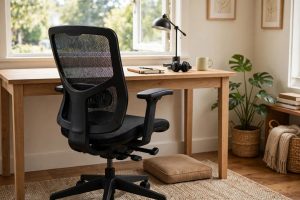
Pair your humidifier with other small upgrades. An ergonomic executive office chair for home study supports your back through long hours. An ergonomic saddle stool for standing desk alternative gives your legs a break from a fixed chair. Office comfort guides from UPLIFT Desk suggest building the workspace around the way you actually move and sit. Each small change adds up to a room where work feels easier.
A Final Word
A home office humidifier for dry winter air is a small purchase with a large payoff. It eases dry eyes, scratchy throats, and itchy skin. It protects books, papers, and wooden furniture. It runs quietly in the background while you work. Choose a cool mist ultrasonic model sized for your room. Clean it each week. Watch the humidity with a simple gauge. Winter workdays will feel softer, calmer, and kinder to your body.
References
Consumer Reports. (n.d.). Product reviews and ratings. https://www.consumerreports.org Herman Miller. (n.d.). Office furniture and ergonomic seating. https://www.hermanmiller.com IKEA. (n.d.). Home furnishings. https://www.ikea.com PCMag. (n.d.). Technology product reviews. https://www.pcmag.com Steelcase. (n.d.). Office furniture and workplace research. https://www.steelcase.com The Spruce. (n.d.). Home and garden advice. https://www.thespruce.com U.S. Environmental Protection Agency. (n.d.). Protecting human health and the environment. https://www.epa.gov UPLIFT Desk. (n.d.). Standing desks and ergonomic office furniture. https://www.uplift-desk.com Wayfair. (n.d.). Furniture and home goods. https://www.wayfair.com Wirecutter. (n.d.). Product reviews from The New York Times. https://www.nytimes.com/wirecutter
Was this guide helpful?

About Robert Taylor
The My Garden US editorial team writes practical, in-depth home and garden guides for American homeowners — tested advice, no fluff.
You May Also Like

Home Office Closet to Office Conversion Kit: A Complete Guide
February 21, 2026 0 views
Best Ring Light for Home Office Video Calls
September 4, 2026 0 views
Home Office Rug to Protect Hardwood Floors: A Complete Guide
August 7, 2026 0 views