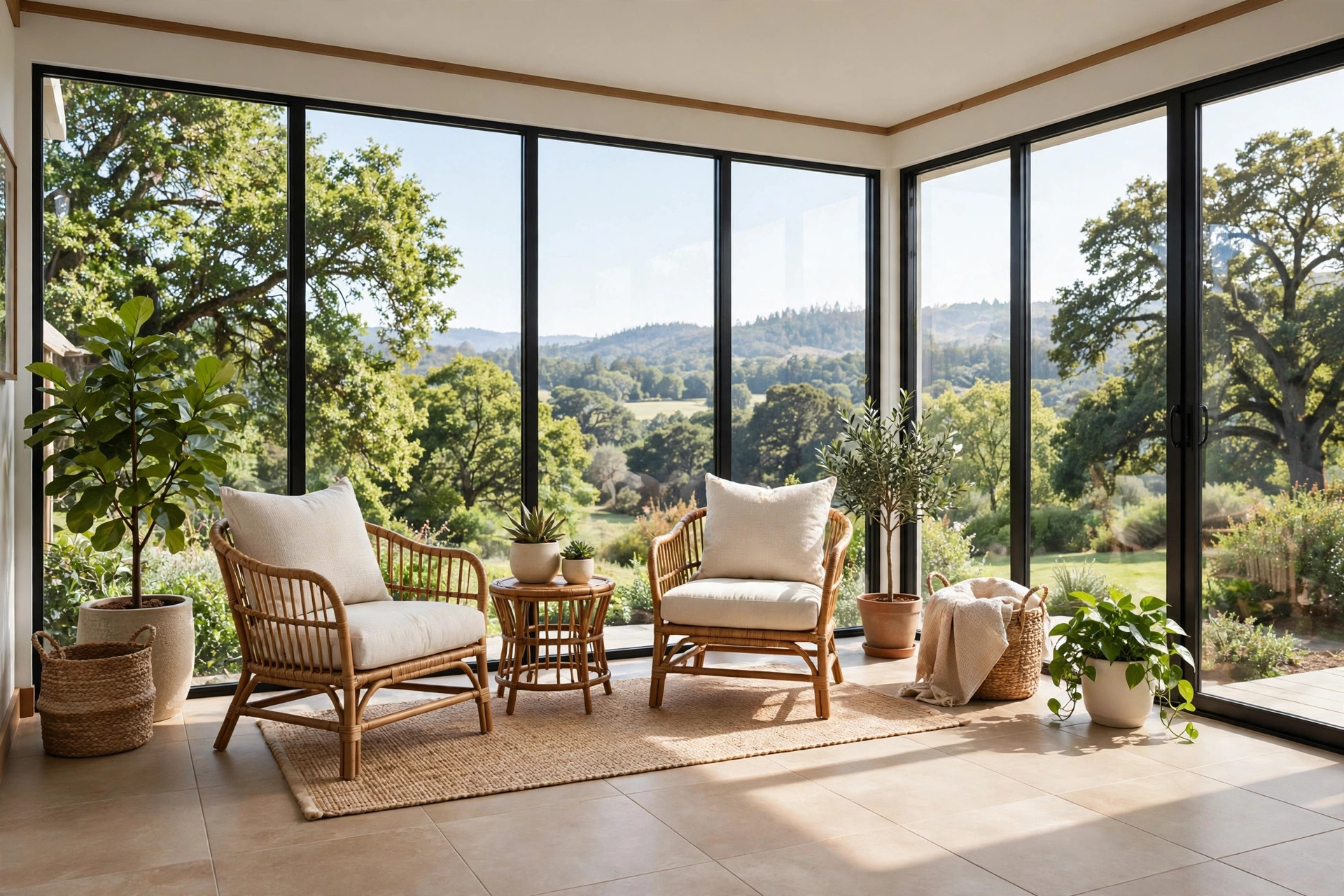

A sunroom is one of the brightest rooms in a home. Glass walls let in the light, but they also let in the cold. On a winter morning, a plain tile floor in a sunroom can feel like ice. That is why many owners ask about a heated tile floor for sunroom cost in the USA. They want to know the real price before they call a contractor.
The short answer: in the United States, a heated tile floor for a sunroom usually costs between $12 and $35 per square foot, installed. A small 150-square-foot sunroom may run $1,800 to $5,000. A larger 300-square-foot room may run $3,600 to $10,000. The wide range comes from the type of heating system, the tile you pick, and how hard the job is.
This guide breaks down each part of the cost. It covers the heating systems, the tile choices, the labor, and the upkeep. Simple facts, plain words.
Why a Heated Tile Floor Matters in a Sunroom
Sunrooms have more glass than walls. Glass is poor insulation. When the heat runs in the rest of the house, the sunroom stays chilly. Warm air rises, so the floor is the coldest spot in the room. Tile holds that cold and passes it straight to your feet.
A heated tile floor fixes this at the source. Thin wires or warm water tubes sit under the tile. They warm the floor from below. The heat rises slowly and spreads across the room. The floor feels warm to bare feet. The whole room feels better.
There are other gains too. Warm floors dry damp spots fast, which helps in a room with lots of glass. They can cut drafts near doors. And they let you use the sunroom in months when it would sit empty. For many families, that turns a part-time room into a full-time one.
The Two Main Types of Heated Floors: Heated Tile Floor for Sunroom Cost Usa
Two systems go under sunroom tile. Each has its own cost and character.
Electric Radiant Heat
Electric systems use thin heating mats or cables. The mat unrolls over the subfloor. Thin-set mortar goes on top. Then the tile is set. The system plugs into a thermostat that is often linked to a floor sensor.
Electric heat is the common pick for sunrooms. It adds very little height to the floor. It suits small and mid-size rooms. It costs less to install than water-based systems. The trade-off is the running cost. Electric heat can raise the power bill in cold months.
Hydronic Radiant Heat
Hydronic systems run warm water through plastic tubes under the floor. A boiler or water heater feeds the loop. This system costs more to install. It needs a pump, controls, and sometimes a separate boiler.
Hydronic heat is cheaper to run over time, since water holds heat well. But it suits larger homes where the boiler is already in place. For one sunroom, it is rare. Most installers quote electric for rooms under 400 square feet.
What Drives the Heated Tile Floor for Sunroom Cost USA
Several factors push the price up or down. Here they are in plain order.
Size of the Room
Size is the biggest driver. Most of the cost is priced per square foot. A bigger room needs more heating mat, more tile, and more labor. A sunroom of 100 square feet costs far less than one of 400.
Type of Heating System
Electric mats are the low-cost option for install. Hydronic loops cost more to put in but may save on bills. Expect electric install cost to land at the low end of the range and hydronic at the high end.
Tile Choice
Tile prices vary a lot. Basic ceramic tile may cost $2 to $5 per square foot for material. Porcelain tile runs $3 to $12. Natural stone like slate or travertine can cost $8 to $25 or more. Porcelain is the most common pick under floor heat. It conducts heat well and resists wear.
Thick natural stone holds heat longer but takes more time to warm up. Thin porcelain warms fast. Most installers prefer tile that conducts heat in a steady way. You can read more about tile choices in our guide to porcelain vs ceramic tile for floors, which compares how each type performs.
Subfloor Condition
The floor under the tile must be sound and flat. Some sunrooms sit on concrete slabs. Others sit on wood frames. An uneven subfloor needs leveling work. That adds labor and material. A slab in good shape is the cheapest base to work on.
Labor Rates by Region
Labor is a big slice of the bill. Rates run higher in big cities and along the coasts. They run lower in the South and Midwest. A skilled tile setter with radiant heat experience may charge more than a basic tile job. Always get three quotes from local pros.
Electrical Work
Electric systems need a dedicated circuit and a thermostat. If your panel has room and the sunroom is close by, this is a small job. If the run is long or the panel is full, the cost grows. A licensed electrician should handle this part.
Cost Breakdown: Materials and Labor
Here is how a typical electric system job breaks down for a sunroom.
The heating mat or cable costs about $5 to $12 per square foot for material. A thermostat with a floor sensor costs $100 to $300. Tile runs $2 to $25 per square foot for material, as noted above. Thin-set, grout, and sealer add $1 to $3 per square foot.
Labor for the tile work runs $6 to $14 per square foot. The electrician may charge $300 to $800 for the circuit and thermostat hookup. Permits can add $50 to $300, since some towns require an electrical permit.
Putting it together: a mid-range 200-square-foot sunroom with porcelain tile often lands between $3,000 and $7,000 all in. A budget job with basic ceramic might stay under $3,000. A high-end job with natural stone and a top thermostat can pass $10,000.
For a similar view of bath pricing, see our piece on heated bathroom floor cost per square foot, which uses the same systems on a smaller scale.
How to Choose the Right System
Start with the size of your room. Under 300 square feet, electric mats are usually the smart pick. They are simple and fast to install. Over that size, ask a contractor to compare both systems.
Think about how you will use the room. If the sunroom is a daily sitting area in winter, the floor heat will run often. A good programmable thermostat pays for itself. If the room is used now and then, a basic thermostat may do.
Check your electrical panel first. Electric floor heat needs a dedicated circuit. An electrician can tell you in minutes whether your panel has space. If it does not, a panel upgrade can cost $1,500 or more, which changes the math.
Ask about warranty. Heating mat makers often give long warranties on the wire itself. Installers give shorter warranties on labor. Get both in writing. A floor sensor that fails after the tile is down is a costly fix, so quality parts matter.
Also look at radiant floor heating installation cost usa for a broader look at both electric and hydronic systems across the home.
Installation Steps in Plain Terms
The work follows a set order. Knowing it helps you check the job.
First, the subfloor is cleaned and leveled. Cracks get patched. The surface must be flat so the heat spreads evenly.
Second, the heating mat or cable is laid out and tested. The installer checks the wire with a meter before any mortar goes down. This test is key. A broken wire under tile is very hard to fix later.
Third, the electrician connects the thermostat and floor sensor. A second test follows.
Fourth, thin-set mortar goes over the mat. Tile is set into it. Grout goes in the joints after the mortar cures.
Fifth, the system stays off while everything cures. Most makers say to wait two to four weeks before turning the heat on. Rushing this step can crack the tile or harm the wire.
A pro job for a mid-size sunroom takes two to five days of work, plus the cure wait. Plan around it.
Operating Cost and Upkeep
Running cost depends on your power rate and the climate. In a mild state, heating a sunroom floor may add $20 to $50 a month in winter. In a cold state with daily use, it may add $60 to $120. A programmable thermostat cuts this. Set the floor to warm up before you use the room, not all day.
Upkeep is simple. Tile needs regular sweeping and mopping. Use a mild cleaner, not harsh acid. Reseal grout once a year in busy rooms. Keep the thermostat dry and check the floor sensor once a season.
If a section of floor stops heating, call the installer first. Many faults trace to the thermostat or sensor, not the wire. Keep your warranty papers where you can find them.
The tile itself needs the same care as any floor. Our guide to tile installation cost per square foot usa covers what a good tile base looks like, which matters for long life.
Safety Notes
Radiant floor heat is safe when installed to code. A few rules keep it that way.
Use a licensed electrician for all wiring. The system needs a ground fault circuit interrupter, which shuts power if a fault occurs. Never cut or nick the heating wire during install. Keep the thermostat away from water sources.
Do not drill into the floor after install without knowing where the wire runs. Keep a map of the wire layout. Most installers will mark it or give you a photo before the tile goes down.
Follow the maker’s max temperature settings. Running the floor too hot wastes power and can harm the tile bond. Floor temperatures of 75 to 85 degrees feel warm to feet without waste.
FAQ
How much does a heated tile floor for a sunroom cost in the USA? Most jobs land between $12 and $35 per square foot, installed. A 200-square-foot sunroom often costs $3,000 to $7,000 all in.
Is electric or hydronic heat better for a sunroom? Electric is the usual pick for one room. It is cheaper to install and suits rooms under 400 square feet. Hydronic costs more up front but runs cheaper in big spaces.
Can heated floors go under any tile? Porcelain and ceramic work best. Natural stone works too but warms more slowly. Talk to your installer before picking a thick stone.
Does a heated tile floor raise home value? It can help at resale, since buyers like a warm, usable sunroom. But you may not get back the full cost. Treat it as comfort first, investment second.
How long does the system last? Heating wires often carry warranties of 25 years or more. Thermostats last 10 to 15 years. Tile lasts decades with normal care.
Can I install it myself? A skilled DIY owner can lay the mat, but wiring must be done by a licensed electrician in most areas. Many makers also tie the warranty to pro install.
Final Word
A heated tile floor turns a cold sunroom into a room you use every month of the year. The cost is fair for what you gain. Get three local quotes, pick a proven system, and hire a pro for the wiring. Warm feet in January will make it worth it.
For more background, see The Spruce, The Home Depot, and Lowe’s. For more background, see LL Flooring, Shaw Floors, and Mohawk Flooring. Buying guides are also published by Daltile and This Old House.
References
Daltile. (n.d.). Ceramic and porcelain tile. https://www.daltile.com LL Flooring. (n.d.). Hardwood, vinyl, and tile flooring. https://www.llflooring.com Lowe’s. (n.d.). Home improvement products. https://www.lowes.com Mohawk Flooring. (n.d.). Flooring products. https://www.mohawkflooring.com Shaw Floors. (n.d.). Flooring products. https://www.shawfloors.com The Home Depot. (n.d.). Home improvement products. https://www.homedepot.com The Spruce. (n.d.). Home and garden advice. https://www.thespruce.com This Old House. (n.d.). Home renovation guidance. https://www.thisoldhouse.com
Was this guide helpful?

About Emily Rodriguez
The My Garden US editorial team writes practical, in-depth home and garden guides for American homeowners — tested advice, no fluff.
You May Also Like
Fish Scale Tile Backsplash Cost in the USA: A Complete Guide to Prices, Options, and Installation
May 6, 2026 0 views
Peel and Stick Backsplash Tile Reviews USA: What Homeowners Report in 2026
April 18, 2026 0 views
Scratch Resistant Flooring for Large Dogs USA: A Homeowner’s Guide
June 4, 2026 0 views