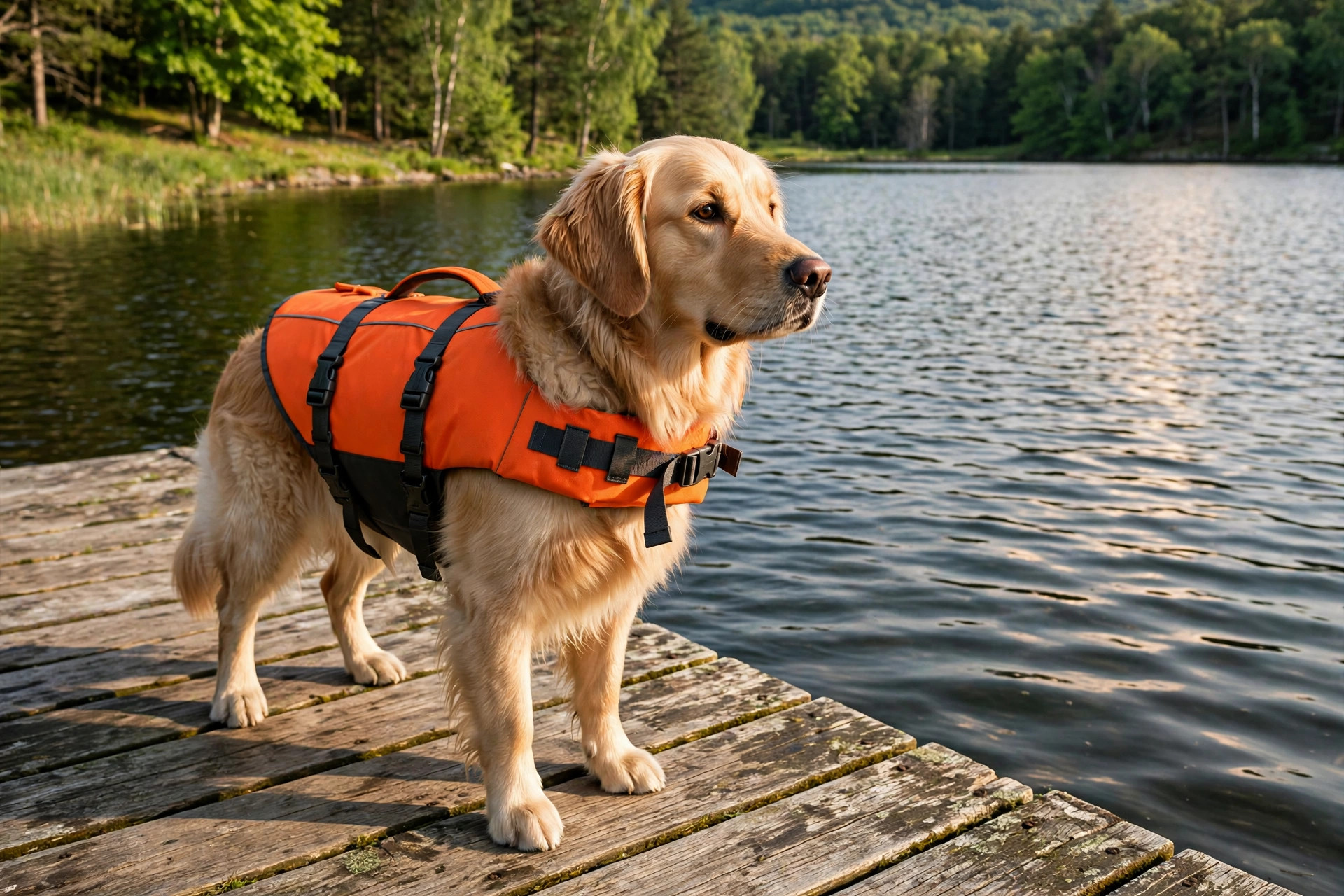

Many people take it for granted that every dog can swim. The truth is less simple. Some breeds move well in water. Others sink like a stone. Even strong swimmers tire fast in deep water, cold water, or rough waves. A dog life jacket for swimming and boating solves this problem in a direct way. It gives your dog extra buoyancy, a handle for easy lifting, and bright colors so you can spot him at a distance.
Water outings are among the finest pleasures you can share with a dog. A day at the lake or a slow cruise along the coast builds trust between you and your pet. But water carries risk for animals just as it does for people. A thoughtful owner prepares. This guide explains why a flotation vest matters, what to look for when you buy one, how much you should expect to pay, and how to keep the jacket in good order for years of use.
Why a Dog Life Jacket Matters on the Water
Dogs are not born swimmers in equal measure. Bulldogs, pugs, dachshunds, and other heavy-bodied breeds often struggle to keep their heads above water. Puppies lack stamina. Older dogs lose strength. Even athletic breeds such as retrievers and spaniels can tire after a long fetch session in open water. A life jacket buys time and saves energy when it matters most.
On a boat the case is stronger still. A dog can slip over the side in seconds. If the engine is running and the wind is up, the distance between you and your dog grows fast. A brightly colored jacket makes him easy to see. The top handle lets you haul him aboard without fumbling at his collar. The American Society for the Prevention of Cruelty to Animals offers steady advice on pet safety around water, and their guidance is worth reading before the season starts (aspca.org).
Pet health writers at petmd.com note that panic is the real enemy in a water accident. A dog that falls in unexpectedly may thrash and gulp water. A flotation vest keeps his head higher and his body level, which calms him and lets him swim in a straight line toward shore or the boat. This single benefit justifies the purchase for any family that lives near water.
What to Look for When You Choose a Life Jacket: Dog Life Jacket for Swimming and Boating
Fit comes first. A dog life jacket for swimming and boating must be snug enough that it does not slide, yet loose enough that your dog can move, breathe, and bend. Most makers size by weight, chest girth, and back length. Measure your dog with a soft tape before you order. A jacket that rides up over the head will frighten a nervous dog and may fail when you need it.
Look for these features:
– Sturdy top handle. This is the most used part of the jacket. You will grab it to lift your dog out of the water or into the boat. The handle should be wide, padded, and sewn through the whole vest. – Adjustable straps. Two or three quick-release buckles let you fine-tune the fit around the chest and belly. Velcro alone is not enough for strong dogs. – Foam panels, well placed. Buoyancy foam should sit under the belly and along the sides, with less bulk on the back so the dog can move freely. – Bright colors and reflective trim. Orange, yellow, and red show up best on blue or green water. Reflective strips help at dawn and dusk. – A D-ring for a leash. On the dock or the boat deck you want to clip a leash without removing the jacket. – A chin float. Some jackets add a small foam pad under the chin. It helps tired dogs keep their noses clear of the waves.
Consumer review groups such as consumerreports.org have tested pet gear for years. Their method is simple: they look at build quality, ease of use, and whether the item does what the maker claims. You can apply the same test when you compare jackets side by side in a store.
The American Kennel Club also publishes practical buying guides for dog gear. Their articles on water safety are a solid second opinion (akc.org).
Types and Styles of Dog Flotation Vests
Most dog life jackets share one basic design: foam panels sewn into a fabric shell. Within that pattern there are a few styles worth knowing.
Standard foam vests are the most common. They are light, easy to put on, and suit lakes, pools, and calm rivers. The foam is usually closed-cell polyethylene or neoprene, which does not soak up water.
Neoprene sport vests are thicker and warmer. They help in cold water and give extra padding against bumps on a rocky shore. They dry slowly, so they need rinsing and airing after use.
Ripstop nylon vests use a tough outer shell that resists tears from branches and dock edges. These suit dogs that crash through brush to reach the water.
Low-profile jackets cover less of the body. They work for short-legged breeds that need the vest to stay clear of their legs, and for dogs that dislike wearing gear.
Prices rise with size and material, but the design differences are small. For a family dog that swims on weekends and rides the boat a few times a summer, a standard foam vest with a good handle is usually the right pick. Retailers such as chewy.com carry a wide range so you can compare shapes and sizes in one place, while home and outdoor stores like homedepot.com often stock seasonal pet gear near the boating aisle.
Getting the Fit Right
A poor fit ruins a good jacket. Follow these steps when you try one on your dog.
1. Weigh your dog and measure the chest girth behind the front legs. Write both numbers down. 2. Hold the vest against the maker’s size chart. When your dog falls between two sizes, choose the larger size and use the straps to take up the slack. 3. Buckle the straps and tighten until you can slide two fingers under the chest band. The vest should not rotate around the body. 4. Lift the top handle. The dog should rise without the jacket slipping over his head. If it slides, it is too loose. 5. Let the dog walk and sit. He should move in a normal way. If he freezes or tries to chew the straps, give him time and treats, then try again.
Small dogs are easy to lift but hard to spot, so a bright vest with a tall handle matters most for them. Large dogs need wider straps that will not cut into the chest under their full weight. Giant breeds may need an extra-long handle so you can grip it from the boat deck without leaning far over the rail.
Puppies grow fast. Check the fit every few weeks during the first year. A vest that fit in June may be tight by August.
Cost and Price: What You Should Expect to Pay
A dog life jacket for swimming and boating is not an expensive item. Most quality vests sell for between fifteen and sixty dollars, with the average falling near thirty. Extra-small sizes for toy breeds sit at the low end. Large and extra-large sizes for big breeds cost more because they use more foam and fabric.
Price alone does not tell you much. A twenty-dollar vest from a trusted maker can outlast a fifty-dollar one from a brand that cuts corners on straps. Check the stitching, test the buckles, and read a few reviews before you decide. thesprucepets.com runs hands-on roundups of pet products, which can help you narrow the field. For broader home and garden gear coverage, thespruce.com is another useful stop.
Watch for end-of-season sales. Boating and swimming gear often drops in price in late summer, which is a fine time to buy ahead for next year. Keep the tags on until you have confirmed the fit at home.
Safety Rules for Dogs Around Water
A life jacket is a tool, not a promise. Safe habits do the rest. Keep these rules in mind every time you bring your dog near water.
– Never leave the dog alone in the water. Even with a vest, stay within reach or within easy sight. – Introduce water slowly. Let a new swimmer wade in from shore before he ever jumps from a dock or boat. – Watch for fatigue. Panting, a drooping tail, and weak paddling mean it is time to come out. – Rinse after salt water. Salt dries the skin and can upset the stomach if the dog licks his coat. – Offer fresh drinking water. Dogs will drink lake or sea water if they are thirsty, and both can cause sickness. – Check the temperature. Very cold water can shock a dog just as it can a person. Limit time in water below sixty degrees.
Federal safety agencies such as the cpsc.gov site publish general water safety guidance that applies to the whole family, pets included. A little planning before the trip prevents most problems.
On a boat, clip the leash to the vest’s D-ring until you are under way, and keep the dog on the non-motor side of the deck. Store the vest where you can reach it fast. If your dog will not wear the jacket willingly, train him on land first with short sessions and plenty of praise.
Care and Upkeep of the Life Jacket
Salt, sun, and mud wear gear down. A few minutes of care after each outing will double the life of the vest.
Rinse the jacket in fresh water after every swim, especially in salt water. Hang it in the shade to dry. Direct sun breaks down foam and fades bright colors. Once it is dry, check the straps and buckles for cracks and the stitching for loose threads. Store it flat or loosely hung in a dry place. Do not fold it into a tight ball for months at a time, because creased foam loses some of its lift.
Wash it with mild soap only. Bleach and strong detergents attack the fabric and the foam. If the vest starts to smell, a soak in a basin with a spoonful of baking soda usually clears it. Replace the jacket when the foam goes soft and spongy, when a strap no longer holds, or when your dog has outgrown it.
Furniture and fabric specialists at wayfair.com carry storage bins and hangers that work well for bulky outdoor gear, and a dry corner of the garage keeps the vest ready for the next trip.
Frequently Asked Questions
Does my dog really need a life jacket if he can swim? Yes, in most cases. Even good swimmers tire, cramp, or panic. A vest gives a margin of safety that costs little and weighs little. On a boat it is close to essential, because a fall overboard can separate you from your dog in seconds.
How do I know the jacket fits correctly? It should be snug enough that you cannot rotate it around the body, yet loose enough to fit two fingers under the straps. Lift the handle: if the jacket stays put and the dog is comfortable, the fit is right.
Can a puppy wear a life jacket? Yes, once the puppy is old enough for short swims. Buy for his current size and recheck the fit often. Puppies grow quickly, and a vest that fit last month may be tight now.
Are dog life jackets the same as human ones? No. They are built for a dog’s body shape, with foam placed to keep a four-legged animal level. Never put a human vest on a dog, and never put a dog vest on a person.
How long will a good life jacket last? With rinsing and shade drying, most vests last three to five seasons. Replace one sooner if the foam softens, the straps crack, or the fit no longer holds.
Can the dog wear the jacket on the boat all day? Short rides are fine. For a long day on deck, give the dog breaks without the vest so his skin can breathe. Watch for rubbing under the front legs, which is the first sign of a poor fit or too much continuous wear.
A Short Final Word
A dog life jacket for swimming and boating is one of the simplest ways to protect your pet. It costs less than a tank of fuel, takes a minute to put on, and can save your dog’s life. Measure carefully, buy for fit rather than fashion, rinse the vest after use, and keep good habits around the water. Your dog will not know the jacket saved him. You will.
If your trips home from the lake leave the car a mess, a dog crate mat waterproof for messy puppies keeps the back seat dry. A best automatic feeder for two cats portion control keeps the cats on schedule while you are out for the day. And after a swim, a pack of best dog ear wipes for weekly cleaning routine helps keep his ears dry and healthy.
References
American Kennel Club. (n.d.). Dog care and training resources. https://www.akc.org ASPCA. (n.d.). Pet care and animal welfare resources. https://www.aspca.org Chewy. (n.d.). Pet supplies. https://www.chewy.com Consumer Reports. (n.d.). Product reviews and ratings. https://www.consumerreports.org PetMD. (n.d.). Pet health information. https://www.petmd.com The Home Depot. (n.d.). Home improvement products. https://www.homedepot.com The Spruce. (n.d.). Home and garden advice. https://www.thespruce.com The Spruce Pets. (n.d.). Pet care guides and product reviews. https://www.thesprucepets.com U.S. Consumer Product Safety Commission. (n.d.). Product safety information. https://www.cpsc.gov Wayfair. (n.d.). Furniture and home goods. https://www.wayfair.com
Was this guide helpful?

About David Wilson
The My Garden US editorial team writes practical, in-depth home and garden guides for American homeowners — tested advice, no fluff.
You May Also Like

Pet Fence Indoor Freestanding for Living Room: A Complete Guide
September 18, 2026 0 views
Pet Carrier for Cats Airline Approved Soft Sided: A Complete Travel Guide
January 10, 2026 0 views
Pet Grooming Vacuum Kit for Shedding Dogs: A Plain Guide for Tired Owners
August 8, 2026 0 views