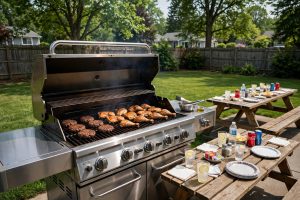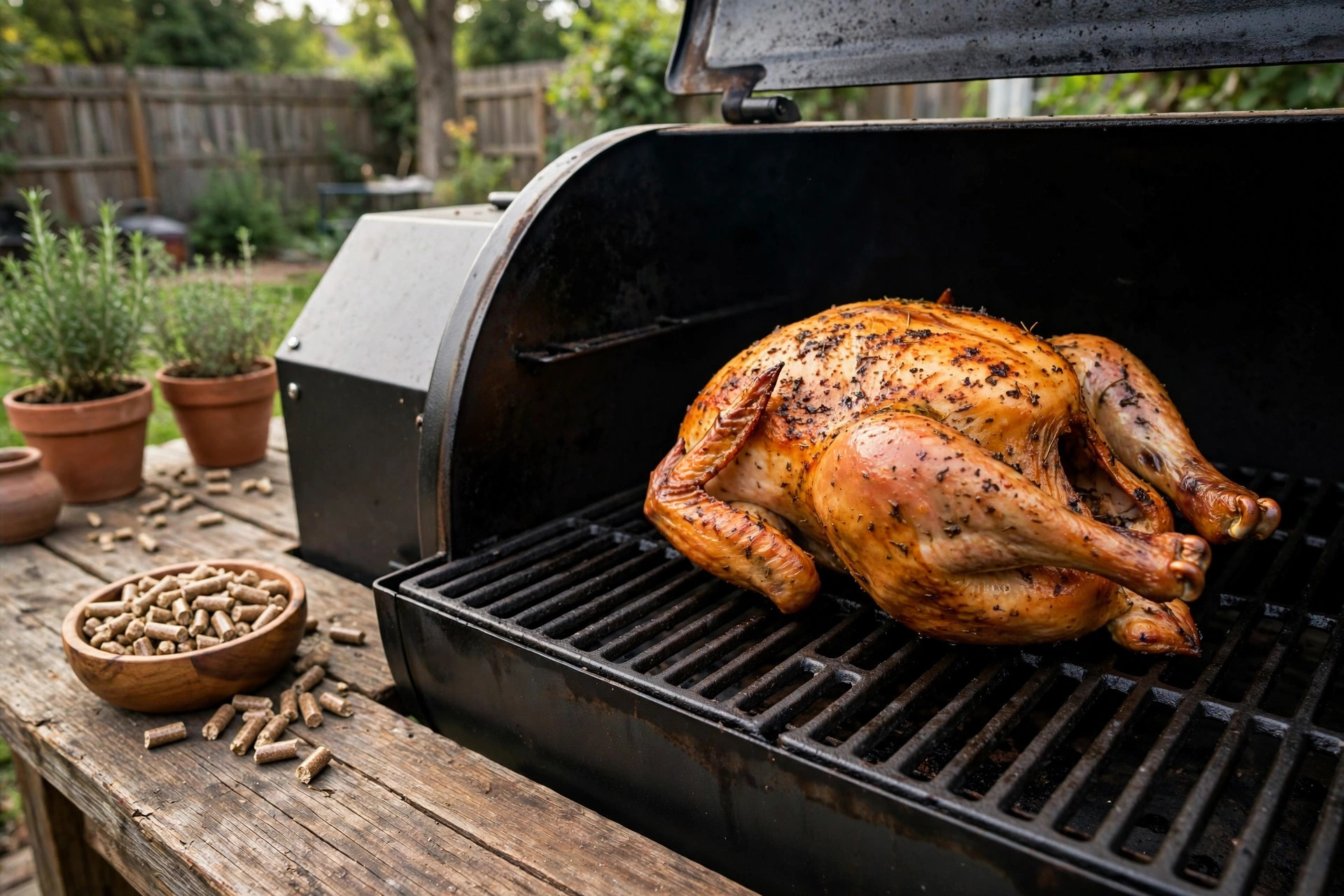

The best smoker pellets for chicken reviews can save a cook a great deal of time and money. Chicken is one of the most common meats to smoke at home, and it is also one of the easiest to ruin with the wrong fuel. The wrong pellet can leave the meat bitter, oversmoked, or dull. The right pellet can give a whole bird a clean, gentle smoke that soaks into the meat without taking it over. That is why reading reviews before buying matters. A review shows how a bag of pellets burns, how much ash it leaves, and what the chicken tastes like in the end. This guide walks through what to look for, which wood types suit chicken best, what to expect to pay, and how to keep pellets in good shape. It gathers the main lessons from home smokers and grill cooks across the country so a buyer can choose with care.
Why the Right Pellets Matter
Chicken takes in smoke faster than beef or pork. Its mild flesh and thin skin soak up flavor in a short time. That is a gift and a risk. A soft wood like apple can give a bird a sweet, light taste in three or four hours. A strong wood like mesquite can turn the same bird bitter in half that time. Reviews from people who have tried both make this clear again and again. Many reviewers say they learned the hard way that chicken needs a gentle hand.
Pellets also change how a grill runs. Good pellets feed through the auger in a steady stream and burn clean. Poor pellets break into dust, clog the hopper, and cause the fire to sputter. When the fire sputters, the heat swings up and down, and the chicken cooks unevenly. One side may finish dry while the other is still raw near the bone. Several reviewers describe tossing whole bags of pellets because the dust at the bottom jammed the feed. That is a waste of money and a ruined meal.
Flavor is the third reason. Chicken is a blank canvas. Apple, cherry, pecan, and alder each leave a mark that people can taste. Reviews often compare the same recipe cooked with two different woods. The notes from these side-by-side tests are some of the most useful buying advice a new smoker owner can find.
How to Choose Pellets for Chicken: Best Smoker Pellets for Chicken Reviews
Choosing pellets is simpler than it looks. A cook needs to weigh four things: wood type, purity, size, and burn quality. Reviews touch on all four, so a buyer who reads well can spot a winner before spending a cent.
Match the Wood to the Meat
Fruit woods are the classic pick for chicken. Apple gives a mild, sweet smoke. Cherry gives a touch of sweetness and a rich red color on the skin. Pecan sits between the two, with a nutty taste that works well on thighs and wings. Hickory is stronger and suits those who like a bold barbecue taste, but reviewers warn to use it with care on breast meat, which can dry out and pick up too much smoke. Alder is light and clean, a good choice for those who want only a hint of wood in the background.
Many reviewers suggest blends for beginners. A mix of oak and cherry, for example, gives steady heat with a friendly flavor. Blends are forgiving. They are hard to overdo. A cook who is still learning the smoker can buy a blend bag and get good results on the first try. Makers such as Traeger sell blends aimed at poultry, and review after review names them as a safe first purchase.
Look for Food-Grade Purity
Not all pellets are meant for cooking. Heating pellets, made for stoves, may hold fillers or binding agents that do not belong near food. Reviews sometimes tell a story of a buyer who grabbed the wrong bag at a big-box store and ended up with an off taste. The fix is simple: buy pellets marked for grilling or smoking. Food-grade bags list the wood source and carry no added chemicals. When in doubt, check the maker’s site. Weber and Char-Broil both publish clear guides on which of their pellets are food-safe.
Check Pellet Size and Hardness
Good pellets are firm, smooth, and about an inch long. They snap cleanly when broken. Soft, crumbly pellets fall apart into dust in the bag, and that dust causes most of the feed problems smokers see. Reviews that mention a “clean bag” with little dust at the bottom are giving high praise. Reviewers also note how pellets handle moisture. A dense pellet swells less in damp air, which matters for cooks who store bags in a garage through a humid summer.
Read for Burn Quality
Burn quality covers three things: steady heat, clean smoke, and low ash. Steady heat keeps the cook on plan. Clean smoke means thin, pale blue wisps rather than thick white clouds. Low ash means less cleanup and less risk of the fire pot choking mid-cook. Reviewers who smoke whole chickens often report ash levels after a four-hour cook. A bag that leaves a full pot of ash is a bag to avoid. Sites like Amazing Ribs explain the science of clean smoke in plain terms, and their readers apply those lessons in reviews every week.
Types of Wood and What They Give Chicken
A short tour of the woods most often named in reviews will help a buyer match a bag to a bird.
Apple is the crowd favorite. Reviewers call it mild, sweet, and almost impossible to overdo. It suits whole birds and bone-in pieces. Cherry is close behind. It adds a gentle sweetness and turns the skin a deep amber that looks fine on a serving plate. Pecan brings a richer, nuttier note that many Southern reviewers rank first for thighs and drumsticks.
Hickory and oak are the workhorses. Hickory is bold and bacony; reviewers love it on wings but warn that a full hickory cook on breast meat can taste harsh. Oak is steadier and milder than hickory, a fine base wood that many blends use. Alder is the lightest of all. Reviewers in the Pacific Northwest, where alder grows thick, use it for a delicate touch on chicken breasts.
Mesquite appears in reviews too, mostly as a warning. Its strong, earthy smoke suits beef, but on chicken it can turn bitter fast. A few reviewers mix a small share of mesquite into a fruit-wood blend for edge. Most advise beginners to skip it until they know their grill well. For a first bag, apple or cherry remains the advice of the crowd.
What Reviews Tell You About Quality
Reviews are useful because they come from real cooks with real grills. A buyer can learn several things that a bag label will never say.
First, reviewers report on dust. The bottom of the bag tells the tale. A cup or two of dust is normal. A thick layer of sawdust is not. Many reviewers pour a new bag through a simple screen and measure what falls through. Those notes are worth their weight.
Second, reviewers test moisture. A few drop pellets in a glass of water. Good pellets hold shape for a while. Cheap pellets fall apart at once. Swollen, mushy pellets point to poor pressing.
Third, reviewers describe flavor in plain words. “Tastes like campfire” is a bad sign. “Sweet, clean, lets the rub shine” is a good one. Look for reviews that name the cut of chicken, the cook time, and the grill model. Those details make a review worth trusting.
Fourth, reviewers note value over time. A cheap bag that burns fast can cost more per cook than a dear bag that burns slow. Some reviewers weigh pellets before and after a cook to find the true cost. That kind of care is rare but precious.
Independent testing groups add weight. Consumer Reports rates grills and fuel on steady standards, and its method notes help a buyer read home reviews with a sharper eye. When home reviewers and lab testers agree on a brand, that brand is worth a look.
Cost and Price
Pellet prices vary by brand, wood type, and bag size. A 20-pound bag of common fruit-wood pellets often sells for a modest sum at a warehouse or home center. Specialty woods and small-batch brands cost more per pound. Buying in bulk, such as two 40-pound bags, can cut the price per cook a great deal.
To judge true cost, think in cooks, not bags. A whole chicken at 275 degrees may burn through several pounds of pellets over four hours. If a bag gives eight such cooks, the fuel cost per bird is easy to work out. Reviewers who track this often find that mid-priced bags from big names like Napoleon or Broil King beat both the cheapest and the dearest options on cost per cook.
Deals help. Seasonal sales at large stores bring prices down, and Home Depot often runs grill-season promos that include pellets. A buyer who watches for sales and buys ahead of summer can stock a year of fuel at a fair price. Keep in mind that pellets do not age well in damp sheds, so only buy what can be stored dry.
Care and Upkeep
Pellets are wood, and wood drinks water. Damp pellets swell, crumble, and burn badly. Good storage is the single best way to protect a bag.
Keep pellets in the original bag only if the bag seals well. Many reviewers move pellets into lidded buckets or bins with tight tops. A dry garage shelf works. A damp basement corner does not. Some cooks toss in a moisture absorber pack for good measure.
Between cooks, clear the hopper if the grill will sit for weeks. Old pellets in a hopper can swell with night air and jam the auger. A quick empty and a wipe of the hopper take five minutes and save a repair bill. Makers of kamado-style cookers, such as Big Green Egg, stress the same habit of dry storage for all solid fuel, and the advice carries over to pellet grills.
Clean the fire pot on a regular plan. Ash left in the pot can smother the next fire and cause a slow start. A small shop vacuum makes the job quick. Reviewers who clean every two or three cooks report fewer flameouts and steadier heat. A steady fire is what turns out juicy chicken with crisp skin.
Safety
Pellet smoking is safe when a few plain rules are kept.
Store pellets away from open flame and heat. Bags of dry wood dust can catch fire, so keep them clear of the grill and the garage water heater. Never use heating pellets for food, as noted above. Keep the grill on a level, non-burnable surface, clear of walls and rails.
Watch the smoke. Thin blue smoke is good. Thick white smoke means the fire is starved or the pellets are damp. White smoke can lay a bitter, sooty taste on chicken and should be fixed before the meat goes on.
Mind the heat. Chicken must reach a safe internal temperature. A good probe thermometer is the cook’s best friend. Wash hands and tools after touching raw chicken, and never put cooked meat back on the plate that held it raw. These are old rules, but they bear repeating.
For homes with curious children or pets, keep the hot grill out of play paths and latch pellet bins shut. A few simple habits keep the cookout fun for all.
Frequently Asked Questions
How many pellets does it take to smoke a whole chicken? Most reviewers report three to five pounds for a four-hour cook at 275 degrees. Larger grills and cold weather raise the number. Windy days burn more fuel too.
Can I mix two pellet flavors? Yes, and many reviewers do. A base of oak or apple with a scoop of cherry or pecan is a common mix. Mix in the hopper so the ratio can be tuned cook by cook.
Are flavored pellets with oils safe? Stick to pellets made from real wood with no added oils or sprays. Reviewers distrust bags that promise strong flavor from additives. Clean wood gives clean taste.
Why does my chicken taste bitter? Bitterness usually comes from thick white smoke, damp pellets, or too strong a wood. Check the fire, change to a fruit wood, and make sure the pellets are dry. A clean grill with fresh pellets rarely gives bitter meat.
Should pellets be soaked before use? No. Soaking is an old habit from wood chips. Pellets are pressed to burn dry. Wet pellets swell, jam the auger, and make bad smoke. Use them dry, straight from the bag.
A Short Final Word
The best smoker pellets for chicken reviews point to a simple truth. Mild fruit woods, clean-burning pellets, and dry storage win the day. Read reviews with care, note the dust and the ash, and trust cooks who give details. A good bag of apple or cherry pellets costs little and pays back in flavor with every bird. Fire up the grill, keep the smoke thin and blue, and let the chicken do the rest. For more on keeping the grill itself in top shape, see our guide on how to clean portable grill grates, our tips for how to grill fish without sticking, and a look at charcoal grill deals near me usa for cooks who want a second setup.
References
AmazingRibs.com. (n.d.). Barbecue and grilling science. https://www.amazingribs.com Big Green Egg. (n.d.). Kamado grills and outdoor cooking. https://www.biggreenegg.com Broil King. (n.d.). Gas and charcoal grills. https://www.broilkingbbq.com Char-Broil. (n.d.). Gas and charcoal grills. https://www.charbroil.com Consumer Reports. (n.d.). Product reviews and ratings. https://www.consumerreports.org Napoleon. (n.d.). Fireplaces, grills, and heating products. https://www.napoleon.com The Home Depot. (n.d.). Home improvement products. https://www.homedepot.com Traeger. (n.d.). Wood pellet grills. https://www.traeger.com Weber. (n.d.). Grills and outdoor cooking. https://www.weber.com
Was this guide helpful?

About James Carter
The My Garden US editorial team writes practical, in-depth home and garden guides for American homeowners — tested advice, no fluff.
You May Also Like
Best Smoker for Beginners Under 300: A Plain Guide
July 30, 2026 0 views
Outdoor Kitchen Island Plans for DIY: A Practical Guide
June 3, 2026 0 views
Best Smoker Cover Waterproof Heavy Duty: A Buyer’s Guide
August 9, 2026 0 views