
Pellet Grill Temperature Problems Troubleshooting: Where to Begin
A pellet grill should hold a steady temperature while you cook. When it does not, the result is raw meat, burnt crusts, or a long cook that never finishes. Pellet grill temperature problems troubleshooting starts with a simple idea. Most heat problems come from a short list of causes. Low-quality pellets, a dirty firepot, bad airflow, and cold weather cover nearly every case.
You do not need to be an engineer to fix these issues. You need a clean grill, good pellets, and a clear method. This guide gives you that method. It walks through the common problems one by one.
Why Steady Temperature Matters So Much: Pellet Grill Temperature Problems Troubleshooting
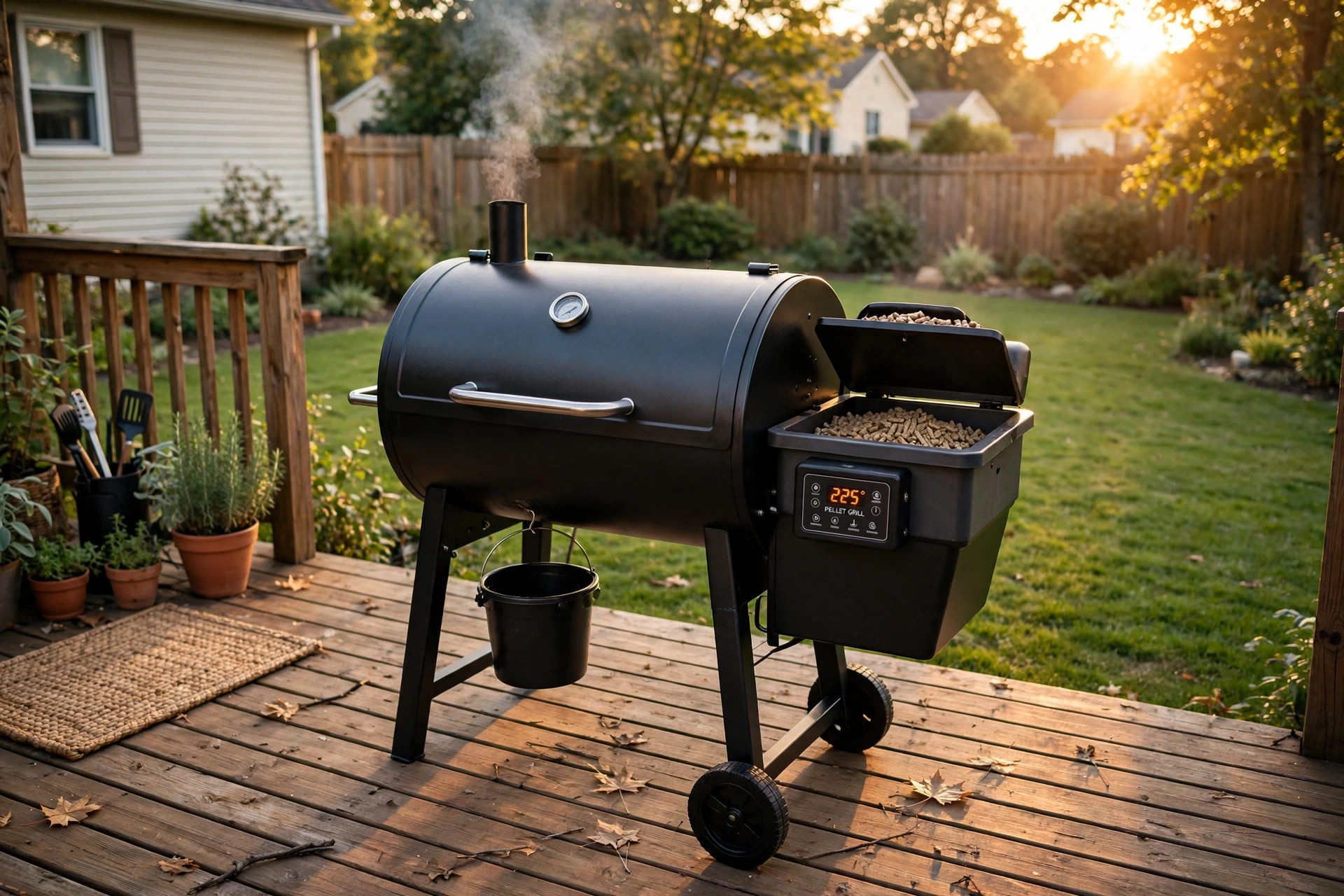
Pellet grills were built to remove the guesswork from outdoor cooking. An electric controller feeds wood pellets into a small firepot.
When that system breaks down, the cook suffers.
Many owners who plan long cooks, such as learning how to smoke brisket on a pellet grill, discover temperature trouble only after several hours. That is why a working knowledge of heat control matters more than any recipe. Good fuel and good maintenance prevent most problems before they start.
How a Pellet Grill Controls Heat
To fix a problem, it helps to know how the parts work together. The design is simple. Four parts do most of the work.
The hopper holds the wood pellets. The auger is a long screw that turns and pushes pellets from the hopper into the firepot. The hot rod, also called the igniter, lights the pellets at the start of the cook. The fan blows air into the firepot so the fire burns hot and clean. A temperature probe inside the cooking chamber reads the heat and reports it to the controller. The controller then speeds up or slows down the auger to hold the set point.
Brands such as Traeger, one of the best known makers of pellet grills, built this design into the mainstream. Testing groups like Consumer Reports regularly measure how well different models hold temperature in real conditions.
When any one part fails, the others cannot make up the difference. A weak fan starves the fire. A dirty probe reports the wrong temperature. Wet pellets smolder instead of burning. Each problem below traces back to one of these parts.
Common Pellet Grill Temperature Problems
The Grill Will Not Reach the Set Temperature
This is the most common complaint. You set the dial to 400 degrees. The grill climbs to 320 and stalls. The usual cause is weak fuel delivery or weak airflow.
Check the firepot first. Ash builds up after every cook.
Look at your pellets next. Pellets that sat in a damp garage swell and crumble. Crumbled pellets turn to dust, and dust does not burn hot. Barbecue guides like AmazingRibs have long stressed that pellet quality decides heat output more than most owners expect.
Cold weather is another cause. Wind pulls heat off the thin steel body of the grill. A thermal blanket made for your model can help. So can a simple windbreak. On a freezing day, even a good grill may run twenty degrees below the set point.
Wide Temperature Swings
A swing of ten or fifteen degrees is normal. A swing of fifty or more is not. Big swings mean the controller is chasing a bad signal or the fuel flow is uneven.
A dirty temperature probe is the usual suspect. Grease and smoke coat the probe over time. The coating insulates it, so it reports a low reading. The controller then feeds too many pellets. The fire flares. The probe reads the spike late. The controller starves the fire. The cycle repeats.
Wipe the probe clean with a soft cloth and a little vinegar. Do it every few cooks. This single habit fixes more swing problems than any other step.
Uneven pellets also cause swings. Long pellets can bridge in the hopper and stop the auger from feeding. A quick stir of the hopper with a wooden spoon breaks up the bridge. Some owners sift their pellets to remove dust before each cook.
The Fire Goes Out During a Cook
A flameout in the middle of a long cook ruins the meal. The grill beeps. The display shows an error or a falling temperature. The pellets in the firepot have burned down to nothing.
Low pellet levels in the hopper are the simplest cause. The auger ran out of fuel. Always fill the hopper before a long cook, and check it every few hours.
A tunneling problem can cause a flameout even with a full hopper. Pellets form a cone above the auger opening. The hopper looks full, but the center is empty. The auger feeds air instead of pellets. Stir the hopper to collapse the tunnel.
Bad pellets cause flameouts too. Wet pellets turn soft and jam the auger. The motor strains and stops. If you hear the auger motor clicking or struggling, shut down the grill and clear the jam before it burns out the motor.
The Grill Runs Too Hot
Overshoot happens when the fire gets more fuel or more air than the controller expects. Grease buildup is a common cause. Old grease in the cook chamber can catch and flare. A grease fire drives the temperature far above the set point and can damage the grill.
Clean the drip tray and the grease drain before every cook. Line the drip tray with foil so cleanup takes seconds. Replace the foil each time.
A failing controller can also run hot. If the controller board reads the probe wrong, it keeps feeding pellets. If cleaning the probe does not fix a hot-running grill, the controller board itself may need replacement.
Step-by-Step Troubleshooting Checklist
Work through this list in order. Do not skip steps. Most problems are solved by step four.
First, shut down the grill and let it cool. Open the lid and remove the grates, the drip tray, and the heat baffle. Scoop out the ash from the firepot and the bottom of the chamber. A shop vacuum makes this fast. Ash is the number one cause of heat trouble.
Second, inspect the pellets in the hopper. Pour a handful into your hand. Good pellets are firm and shiny. Bad pellets are soft, swollen, or crumbly. If they are bad, empty the hopper and refill it with fresh, dry pellets.
Third, clean the temperature probe. Find the thin metal rod inside the cook chamber. Wipe it with a damp cloth until the metal shines. This takes one minute and fixes many swing problems.
Fourth, check the fan and the auger. Start the grill and listen. You should hear the fan blow steadily and the auger turn in short bursts. A fan that sputters may have ash stuck in it. An auger that grinds may be jammed with pellet dust. Clear both by hand once the grill is cool and unplugged.
Fifth, test with a known good load. Fill the hopper with fresh pellets. Set the grill to 350 degrees and let it run for thirty minutes with the lid closed. Watch the display. If it holds within fifteen degrees, the problem is fixed.
Sixth, look at the controller board. If the grill still swings wildly after all cleaning steps, the board may be failing. Controller boards last for years, but heat and moisture can damage them. A replacement board costs less than a new grill and installs with basic tools.
Owners who keep up with regular pellet grill maintenance tips for beginners rarely reach step six. Most problems end at step one or two.
Cost and Price of Repairs and Parts
Cleaning costs nothing but time. Replacement parts are affordable for most brands.
A replacement temperature probe costs between fifteen and forty dollars. A hot rod igniter costs between twenty and fifty dollars. A controller board costs between eighty and two hundred dollars, depending on the model. An auger motor costs between forty and eighty dollars.
Fresh pellets cost more than bargain bags, but the difference matters. A forty-pound bag of quality hardwood pellets sells for about twenty to twenty-five dollars. Cheap pellets can cost half that. The cheap bags often contain more dust and filler wood.
Compare this with the cost of replacing the grill. A new pellet grill sells for four hundred to more than two thousand dollars. A set of parts that fixes a heat problem usually costs under one hundred dollars. Repair is almost always the better choice.
Retailers such as Home Depot carry common replacement parts and fresh pellet brands in most stores. Specialty makers like Napoleon and Broil King sell parts through their own sites as well.
Care and Upkeep That Prevents Problems
Prevention beats repair every time. A short routine after each cook keeps the heat system healthy.
Empty the firepot of ash before every cook.
Clean the grease system every cook. Change the foil on the drip tray. Make sure the grease drain is clear and the bucket is empty.
Wipe the temperature probe every three to five cooks. Check the grates for buildup while you are at it.
Deep clean the whole grill every month during cooking season. Remove all internal parts. Vacuum the chamber. Scrape the baffle. Inspect the auger tube for dust buildup.
Store pellets in a dry place. A sealed five-gallon bucket with a lid works well. Keep the bucket off a damp garage floor. Never leave pellets in the hopper between cooks if your climate is humid. Moisture ruins pellets in days.
Cover the grill when it cools. A good cover keeps rain off the controller and the hopper. Electronics and water do not mix.
Recipe sites like The Spruce Eats remind cooks that even the best recipe fails when the heat is wrong. Maintenance is the foundation of good food.
Safety Rules for Pellet Grills
A pellet grill is a fire appliance. Treat it with respect.
Place the grill at least three feet from the house, the deck rail, and any overhang.
Never leave a grill unattended during startup or shutdown. The first fifteen minutes and the cool-down are when most problems appear.
Keep a fire extinguisher rated for grease fires near the cooking area. Water makes a grease fire worse. Use the extinguisher or smother the fire by closing the lid and unplugging the grill.
Do not use the grill in an enclosed space. Pellet grills produce carbon monoxide. Outdoor use only.
Let the grill cool fully before cleaning or covering. Ash can stay hot for hours. Store cold ash in a metal container with a lid, away from the house, for a few days before throwing it out.
Makers such as Big Green Egg and Weber publish safety guides for their cookers. The rules are the same for pellet grills.
Frequently Asked Questions
Why does my pellet grill lose temperature in cold weather?
Thin steel loses heat fast when the air is cold and the wind blows. The fire cannot keep up. A fitted thermal blanket helps the grill hold heat. Move the grill out of direct wind. Some owners set the temperature twenty-five degrees above their target on very cold days.
How often should I clean the firepot?
Clean it before every cook. Ash takes only minutes to remove, and a full firepot is the top cause of low heat.
Can bad pellets really cause temperature problems?
Yes. Pellets absorb moisture from the air. Wet pellets crumble into dust. Dust does not feed or burn evenly. It can jam the auger and cause flameouts. Store pellets in a sealed container and buy only as much as you will use in a season.
Should I replace the controller board or buy a new grill?
Replace the board first if the rest of the grill is sound. A board costs far less than a new unit. If the body is rusted through, the auger tube is damaged, and the controller has failed, the repair bill may approach the price of a new grill. In that case, buying new makes more sense.
Is it normal for the temperature to swing a little?
Yes. A swing of ten to fifteen degrees around the set point is normal for most pellet grills. The controller feeds pellets in cycles, so small waves are part of the design. Swings of forty degrees or more point to a dirty probe, bad pellets, or a failing part.
Many owners who weigh a pellet grill versus a gas grill ask about this difference. Gas grills hold steadier in wind, while pellet grills win on smoke flavor. Both need clean parts to work well.
A Short Final Word
Pellet grill temperature problems look scary, but the fixes are simple. Clean the firepot. Use dry, quality pellets. Wipe the probe. Check the fan and the auger. Work the checklist in order, and you will solve the problem in most cases. When parts wear out, replace them. A pellet grill rewards a little care with years of steady heat and great food.
Brand resources like Char-Broil offer model-specific manuals that walk through the same steps. Keep your manual with the grill. It lists the error codes and part numbers for your exact model.
References
AmazingRibs.com. (n.d.). Barbecue and grilling science. https://www.amazingribs.com Big Green Egg. (n.d.). Kamado grills and outdoor cooking. https://www.biggreenegg.com Broil King. (n.d.). Gas and charcoal grills. https://www.broilkingbbq.com Char-Broil. (n.d.). Gas and charcoal grills. https://www.charbroil.com Consumer Reports. (n.d.). Product reviews and ratings. https://www.consumerreports.org Napoleon. (n.d.). Fireplaces, grills, and heating products. https://www.napoleon.com The Home Depot. (n.d.). Home improvement products. https://www.homedepot.com The Spruce Eats. (n.d.). Recipes and cooking guides. https://www.thespruceeats.com Traeger. (n.d.). Wood pellet grills. https://www.traeger.com Weber. (n.d.). Grills and outdoor cooking. https://www.weber.com
Was this guide helpful?

About Robert Taylor
The My Garden US editorial team writes practical, in-depth home and garden guides for American homeowners — tested advice, no fluff.
You May Also Like
Pellet Grill Sale Near Me Deals: A Smart Buyer Guide
January 11, 2026 0 views
How to Make Pulled Pork on Smoker: A Simple Step-by-Step Guide
January 4, 2026 0 views
Best Outdoor Prep Table for BBQ: A Practical Buyer’s Guide
July 28, 2026 0 views