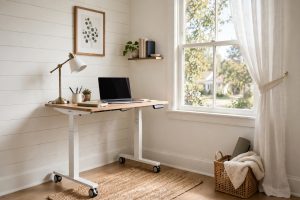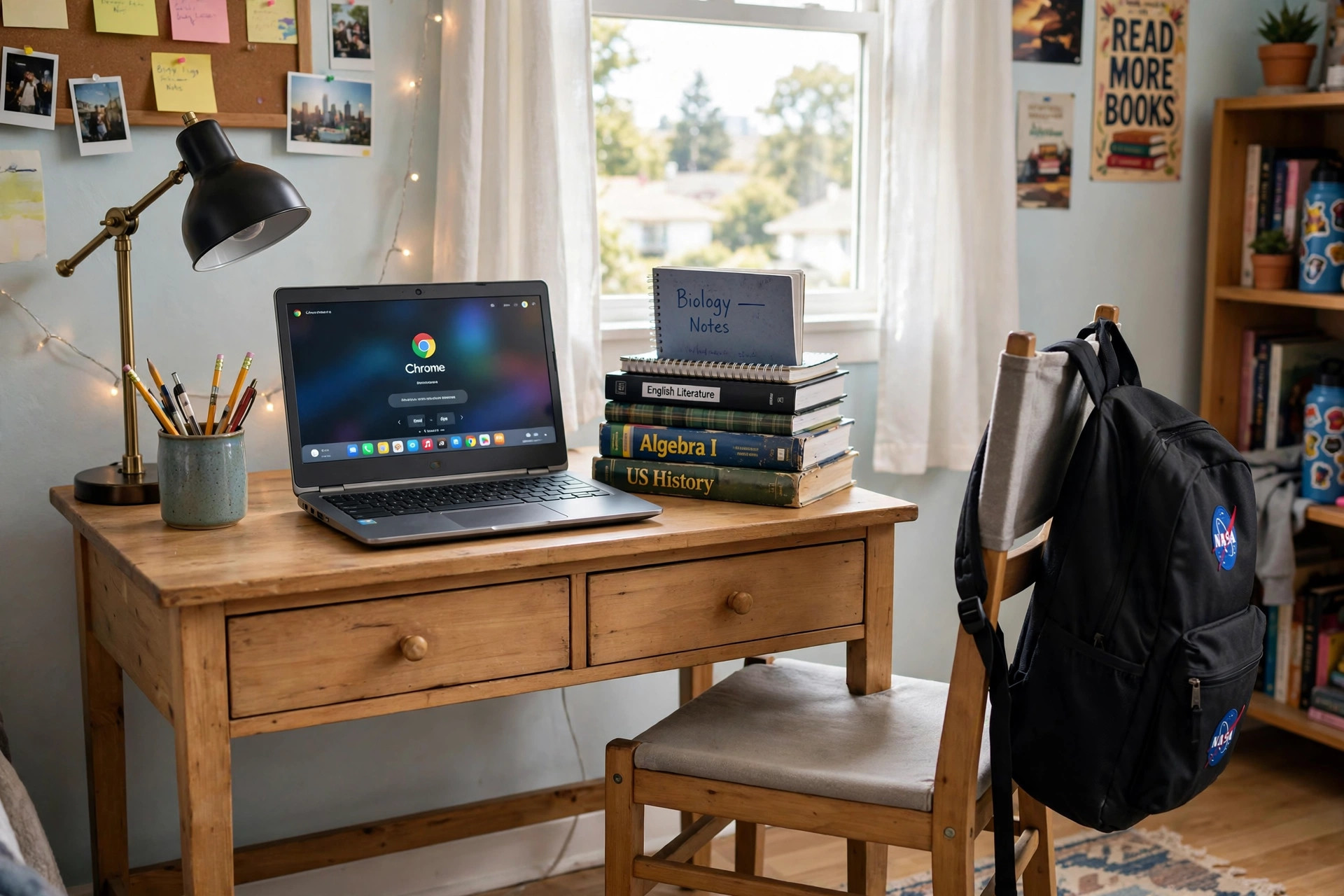

When a student opens a Chromebook at home, the right surface makes the work go faster. The best small desk for Chromebook and homework is not the largest desk in the store. It is the desk that fits the room, holds the laptop at the right height, and leaves room for books, papers, and a lamp. Many families in America now give their children Chromebooks for school. A good small desk turns a corner of a bedroom into a place where homework gets done without fuss.
Why a Small Desk Matters for Chromebook Homework
A Chromebook is light and thin, but homework still takes space. A student spreads out a notebook, a textbook, and a pencil case beside the screen. When the desk is too small, papers fall off the edge. When the desk is too large, it eats up the bedroom. The best small desk for Chromebook and homework strikes a balance between these two problems.
Children who have a fixed study spot tend to start homework on time. A kitchen table works for a week, but the table is needed for dinner. A desk in the bedroom is always there. It tells the student that schoolwork has its own place. Teachers have long said that a quiet corner helps a child focus. A small desk makes that corner possible even in a room of only eight by ten feet.
A Chromebook also brings a charger cord and sometimes a mouse. A desk with a cable pass-through keeps the cord from tangling with books. A desk at the right height keeps the neck from bending too far down. These small details matter when homework lasts an hour or more each evening.
What to Look for in a Small Homework Desk: Best Small Desk for Chromebook and Homework
Size and Fit
Measure the space before shopping. A desk that is 32 to 40 inches wide fits most Chromebooks with room left for a notebook. Depth of 18 to 24 inches gives space for the screen to open and a book to lie in front of it. Height should sit near 28 to 30 inches for older children and a bit lower for young ones. Leave two feet of clear space in front of the desk so the chair can slide in.
Check the door swing and the closet before placing the desk. Many families put the desk against the wall under a window. That spot gives good light and keeps the back of the room free. A small corner desk with drawers can serve as an idea for how corner space works, even if the room is a bedroom rather than an apartment office.
Weight and Build Quality
A desk that wobbles will annoy any student. Press the corners in the store and see if the frame moves. Solid wood and metal frames hold up best. Pressed wood boards are cheaper and lighter, which helps when the desk must go up the stairs. Look for a desk that can hold at least 50 pounds. That is more than enough for a Chromebook, books, and a lamp.
Feet that can be leveled are a plus on old floors. Plastic glides keep the floor free of scratches. If the desk will sit on carpet, a wide leg base stops it from rocking.
Storage
Homework brings paper. Even with a Chromebook, most students keep notebooks, folders, and art supplies. A desk with one or two drawers keeps pencils and chargers out of sight. Open shelves under the top hold books. A small desk with too much storage can grow bulky, so pick only what the student will use.
Some desks add a hutch or raised shelf. That is fine when the ceiling of the room allows it. A hutch gives room for textbooks and a small plant. It also shades the screen, which can cut glare from a window.
Cable Management
A Chromebook needs one power cord. That cord runs to the wall and back each day. A desk with a hole in the back panel lets the cord pass through neatly. A small tray or clip under the top holds the charger block off the floor. This keeps the desk tidy and stops cords from pulling on the laptop.
For families sharing one outlet, a quiet keyboard for a shared space pairs well with a neat cable layout, though the keyboard is a separate buy. The main point is simple: keep cords short, tidy, and away from feet.
Types of Small Desks That Work Well
Writing Desks
A plain writing desk is the most common choice. It has a flat top, four legs, and little else. A writing desk fits almost any room style. Prices run low, and the desk is easy to move. The weakness is storage. A student must add a small shelf or rolling cart for books.
Desks With Drawers
A desk with one or two shallow drawers keeps supplies close. Pencils, a charger, and earbuds all fit. Deep drawers can hold folders. This style suits students who like a clean top. It costs a little more than a plain writing desk.
Corner Desks
A corner desk uses space that often sits empty. It gives more top area without taking more floor. The student can keep the Chromebook on one arm and books on the other. Corner desks work best in square rooms. They are harder to move than straight desks.
Wall-Mounted and Floating Desks
A floating desk mounts to the wall and has no legs. It saves floor space and makes cleaning easy. It must be fixed to wall studs to hold weight. This style suits tiny bedrooms and dorm rooms. A floating shelf desk for tiny bedrooms shows how this idea looks in practice. The trade-off is that it cannot be moved without new holes in the wall.
Fold-Down Desks
A fold-down desk hangs on the wall and folds flat when not in use. It is ideal for rooms that double as playrooms. The student opens it for homework and closes it after. Storage inside is small. The desk top must be strong enough to hold the Chromebook at full fold.
How Much to Spend: Cost and Price Ranges
Small homework desks fall into clear price bands. Knowing them helps a family set a budget before shopping.
Under $75. Basic pressed-wood writing desks. They look fine and do the job for a year or two. Joints can loosen with daily use. Fine for young children who will outgrow the desk.
$75 to $150. This is the sweet spot for the best small desk for Chromebook and homework. Solid legs, one or two drawers, and decent cable holes appear in this range. Many well-rated desks for students sit here. The desk should last through middle school or high school.
$150 to $300. Real wood tops, metal frames, and better drawer slides. Some models add a hutch or a raised monitor shelf. A good buy when two children will share the desk over many years.
Above $300. Designer pieces and height-adjustable models. Most families do not need this for Chromebook homework. The extra cost buys style more than function.
Watch for sales in late July and August. Stores cut prices on desks before the school year. Floor models can save 20 percent with only small marks. Check the return policy, since a desk that looks right online may feel wrong in the room.
Reviews from large home stores and independent testing sites help compare models. Retailers such as IKEA and Wayfair list exact dimensions and weight limits for each desk, which makes measuring easy. Test labs like Wirecutter and PCMag review desks and office gear with hands-on tests. Home guides at The Spruce round up small desks for tight rooms.
Care and Upkeep
A small desk lasts longer with light care. Wipe the top each week with a damp cloth. Keep drinks in cups with lids, since a spill can warp pressed wood. Tighten screws every six months. A loose leg makes the whole desk rock.
Keep the Chromebook on a cool surface. A laptop that runs hot will mark some finishes over time. A thin desk mat under the Chromebook protects the top and gives the mouse a smooth track. Replace felt pads under the legs when they wear thin, or the desk will scratch the floor.
Sunlight fades wood and laminate. If the desk sits under a window, a shade or curtain helps. For painted desks, touch up chips with matching paint so the wood under the paint does not swell.
Safety for Student Desks
Safety is simple but worth a few minutes. Anchor tall desks and hutches to the wall with the straps that come in the box. Children climb, and a top-heavy desk can tip. Place the desk where the chair will not block a doorway.
Keep the power cord where feet cannot catch it. A cord across the walkway is a trip hazard. Plug the charger into a surge protector rather than a bare outlet. Teach the student to close the Chromebook and unplug it during storms.
Check the weight limit before a sibling sits on the desk. Most small desks are not built to hold a person. Sharp corners on metal frames can be covered with stick-on bumpers for young children.
Office furniture makers publish safety and use guides for their products. Herman Miller and Steelcase both provide detailed care and safety notes for desks and chairs. Standing-desk makers like Uplift Desk explain weight limits and pinch points for adjustable models, which is useful reading even when buying a fixed desk.
Frequently Asked Questions
How wide should a desk be for a Chromebook and homework?
A width of 32 to 40 inches works for most students. That leaves room for an open Chromebook, a notebook, and a pencil cup. If two children share, look for 48 inches or more.
What is the right desk height for a child?
The desk should let the child’s feet rest flat on the floor with elbows near 90 degrees. That is about 28 to 30 inches for teens and 24 to 26 inches for young children. An adjustable chair can make up for a desk that is a little tall.
Is a small desk enough, or does a student need a large one?
A small desk is enough for Chromebook homework. Most schoolwork now lives on the screen. A large desk only helps when the student spreads out art projects or many books at once. For daily homework, a compact top with a drawer beats a big empty top.
Should the desk face the wall or the window?
Facing the wall cuts distraction and gives room for a shelf above. Facing the window gives better daylight but can cause screen glare. Many families pick the wall and add a desk lamp. If the desk faces the window, set the Chromebook at an angle to the glass.
What is the best material for a student desk?
Solid wood lasts longest and can be sanded and refinished. Metal frames with wood tops are strong and modern. Pressed wood with laminate is the cheapest and works fine with gentle use. Avoid glass tops for young children, since they show every mark and can chip.
How do I keep the desk area tidy?
Give every item a home. A drawer for chargers, a shelf for books, and a bin for papers. Coil the power cord and clip it under the desk. End each week with a five-minute cleanup. A tidy desk makes Monday homework start faster.
A Short Final Word
The best small desk for Chromebook and homework is the one that fits the room, fits the student, and fits the budget. Measure first. Pick a sturdy build with a little storage. Keep cords tidy and the top clear. With those basics in place, homework has a home, and the school year runs smoother for the whole family.
References
Herman Miller. (n.d.). Office furniture and ergonomic seating. https://www.hermanmiller.com IKEA. (n.d.). Home furnishings. https://www.ikea.com PCMag. (n.d.). Technology product reviews. https://www.pcmag.com Steelcase. (n.d.). Office furniture and workplace research. https://www.steelcase.com The Spruce. (n.d.). Home and garden advice. https://www.thespruce.com UPLIFT Desk. (n.d.). Standing desks and ergonomic office furniture. https://www.uplift-desk.com Wayfair. (n.d.). Furniture and home goods. https://www.wayfair.com Wirecutter. (n.d.). Product reviews from The New York Times. https://www.nytimes.com/wirecutter
Was this guide helpful?

About Sarah Mitchell
The My Garden US editorial team writes practical, in-depth home and garden guides for American homeowners — tested advice, no fluff.
You May Also Like
Home Office Desk With Side Return Extension: A Complete Buyer’s Guide
January 26, 2026 0 views
Adjustable Desk Fan With USB Charging Port: A Plain Guide for a Cooler Desk
September 20, 2026 0 views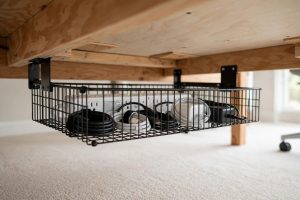
Under Desk Cable Management Tray for Clean Setup
April 27, 2026 0 views